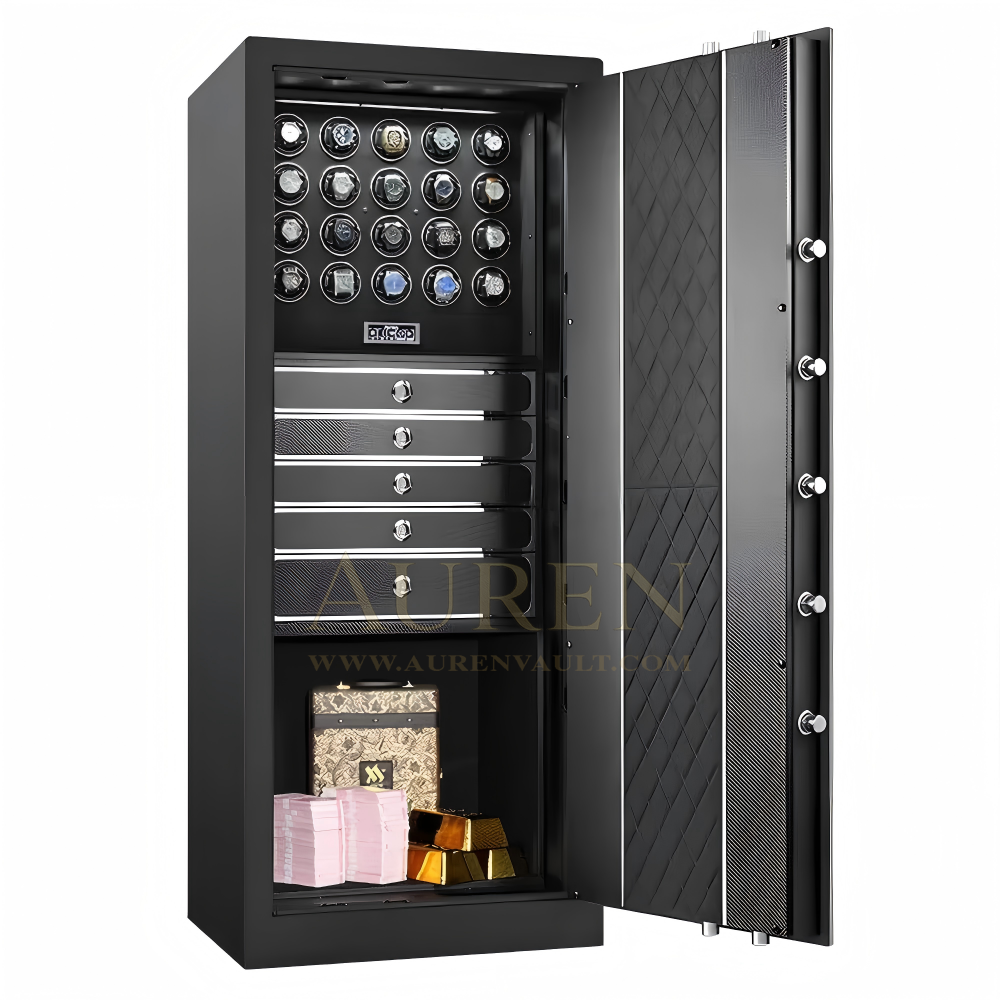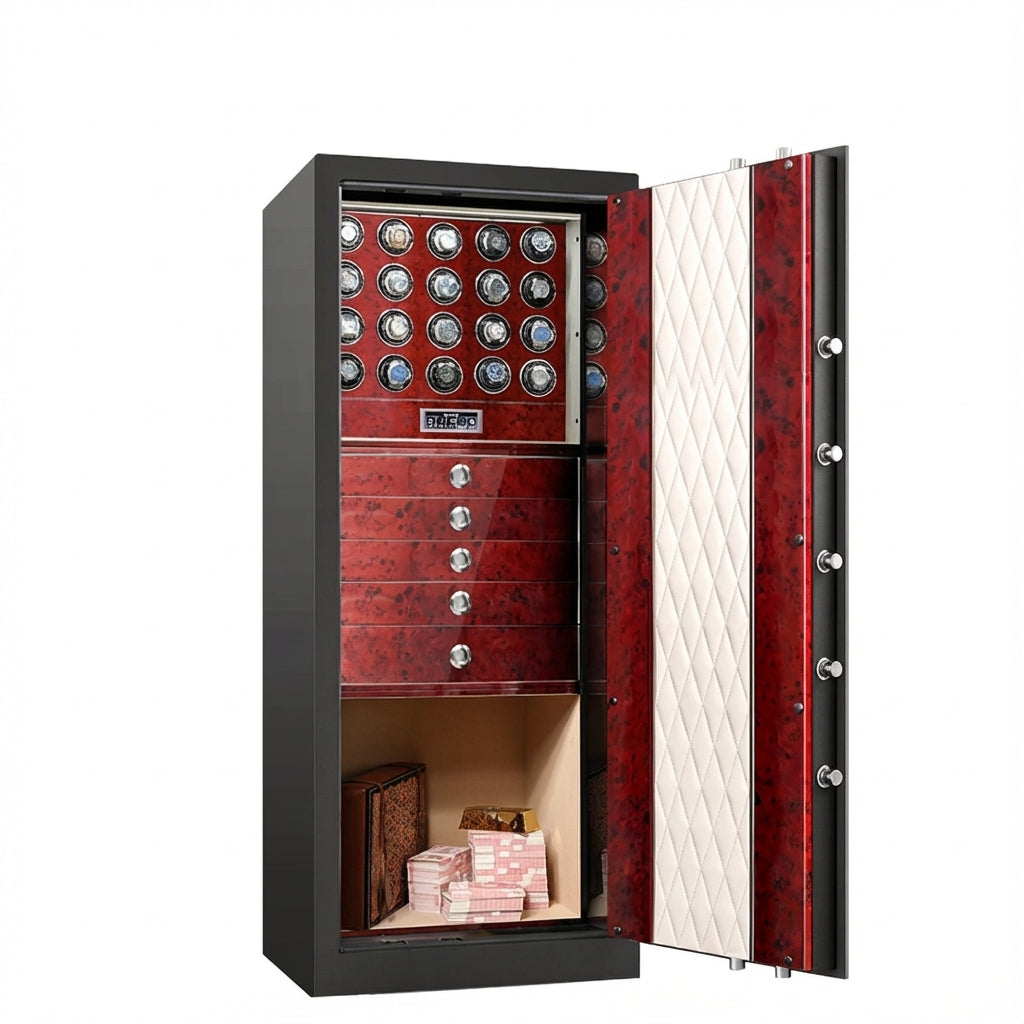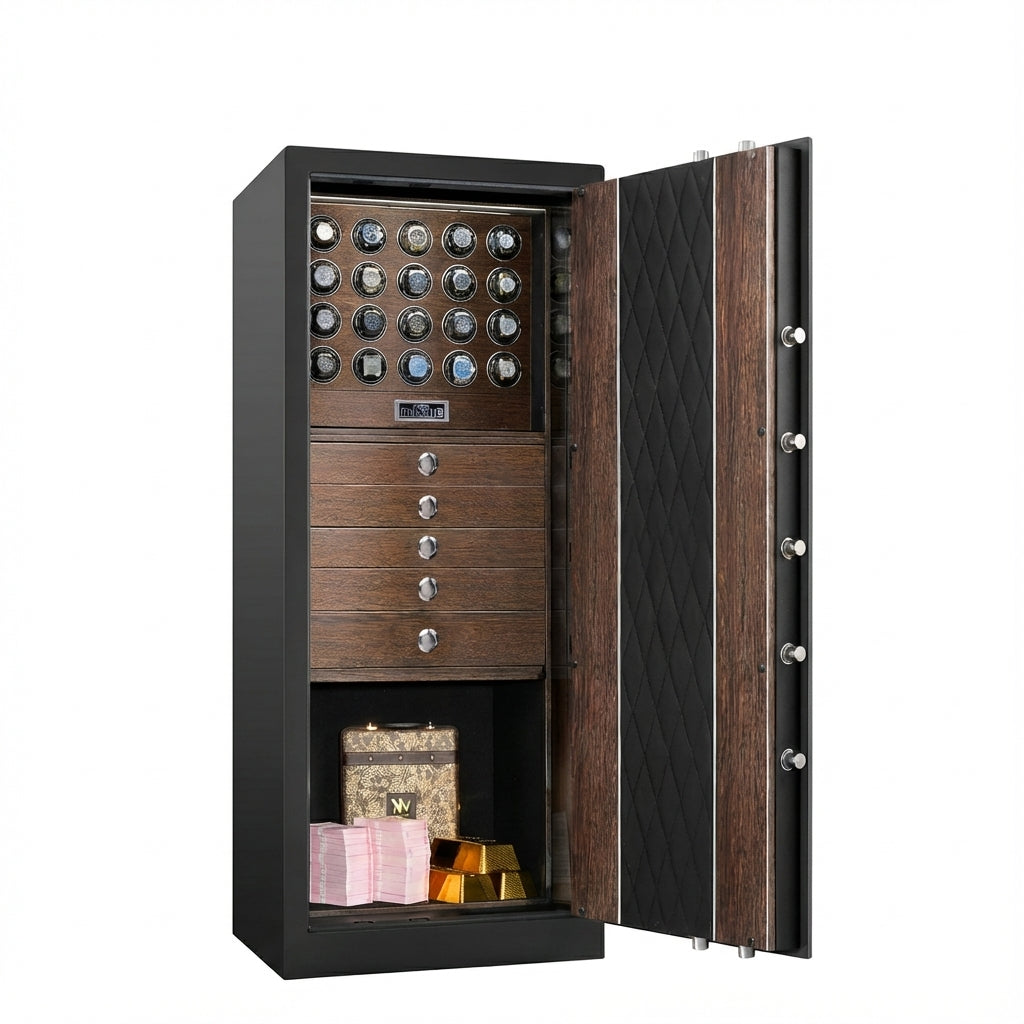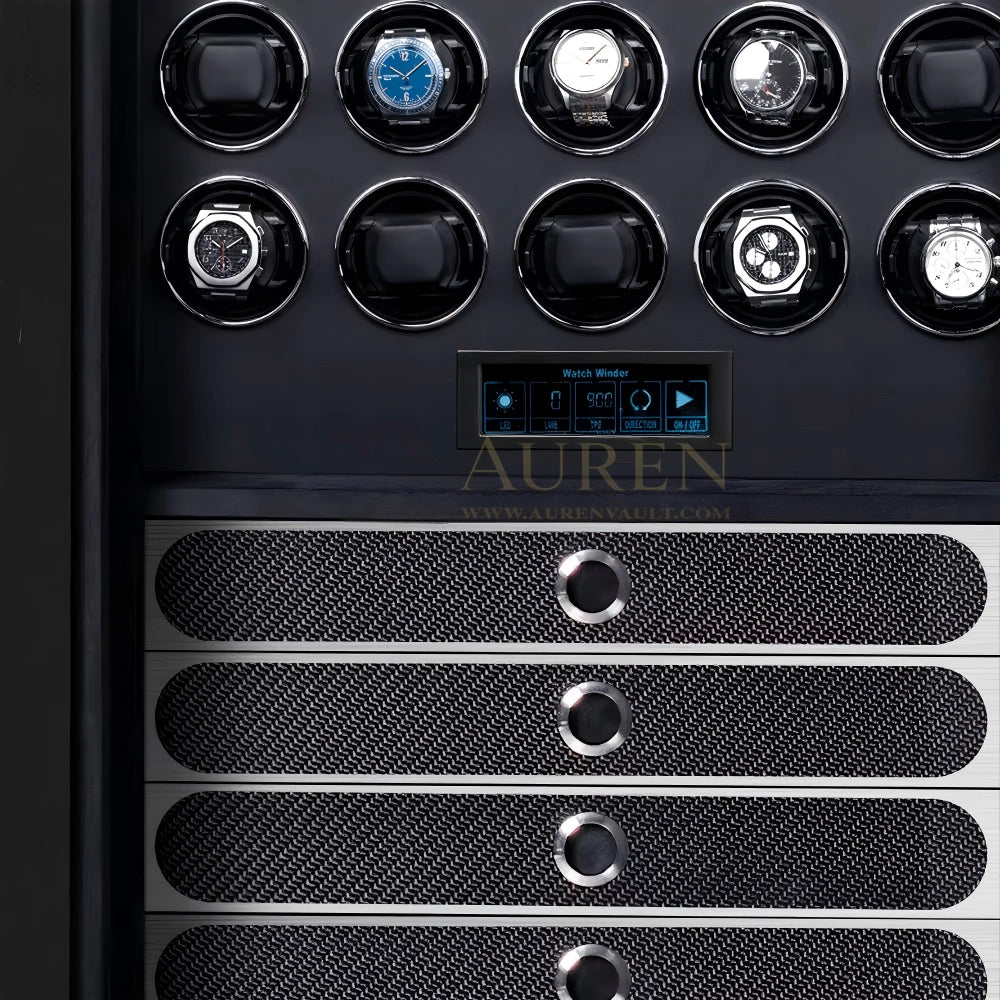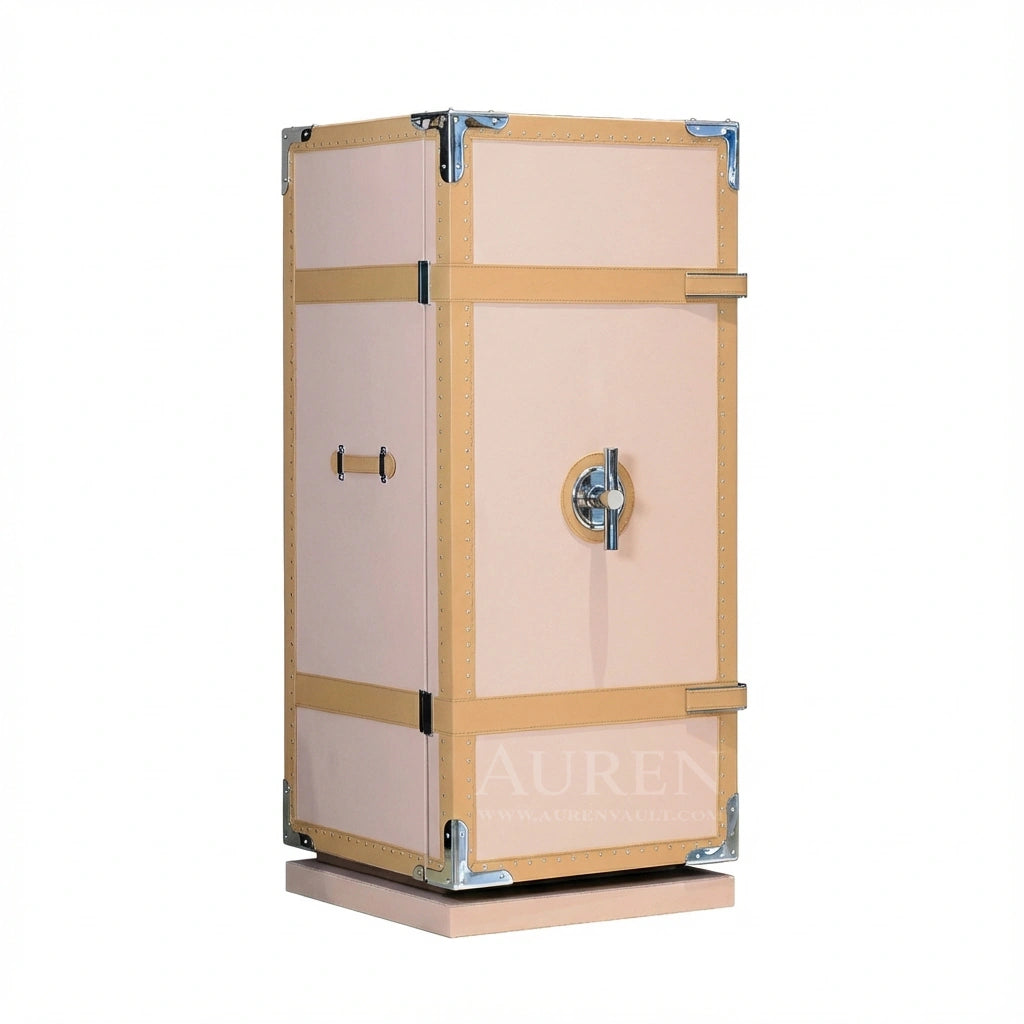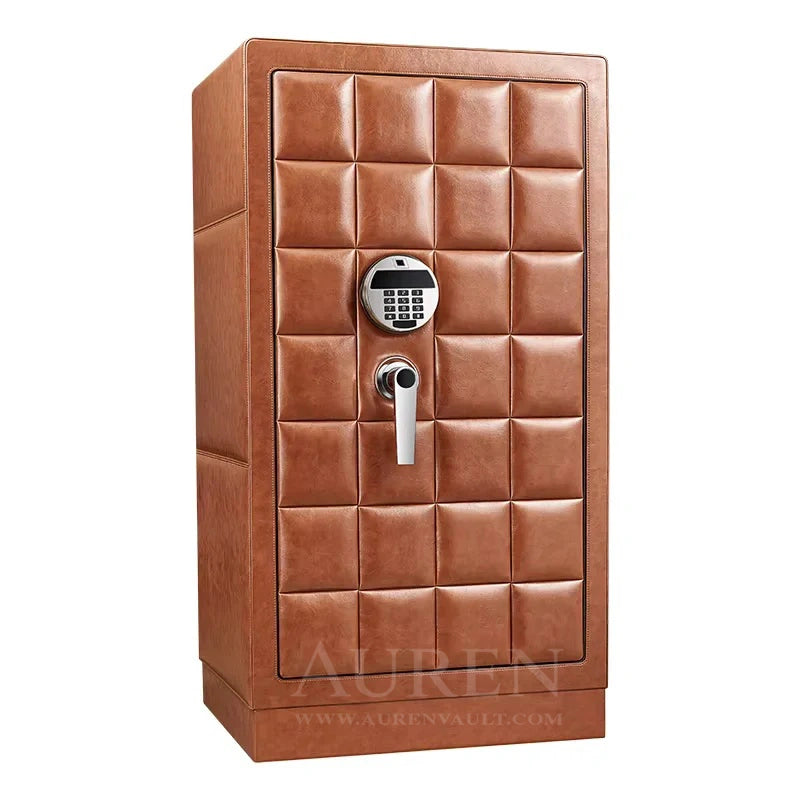
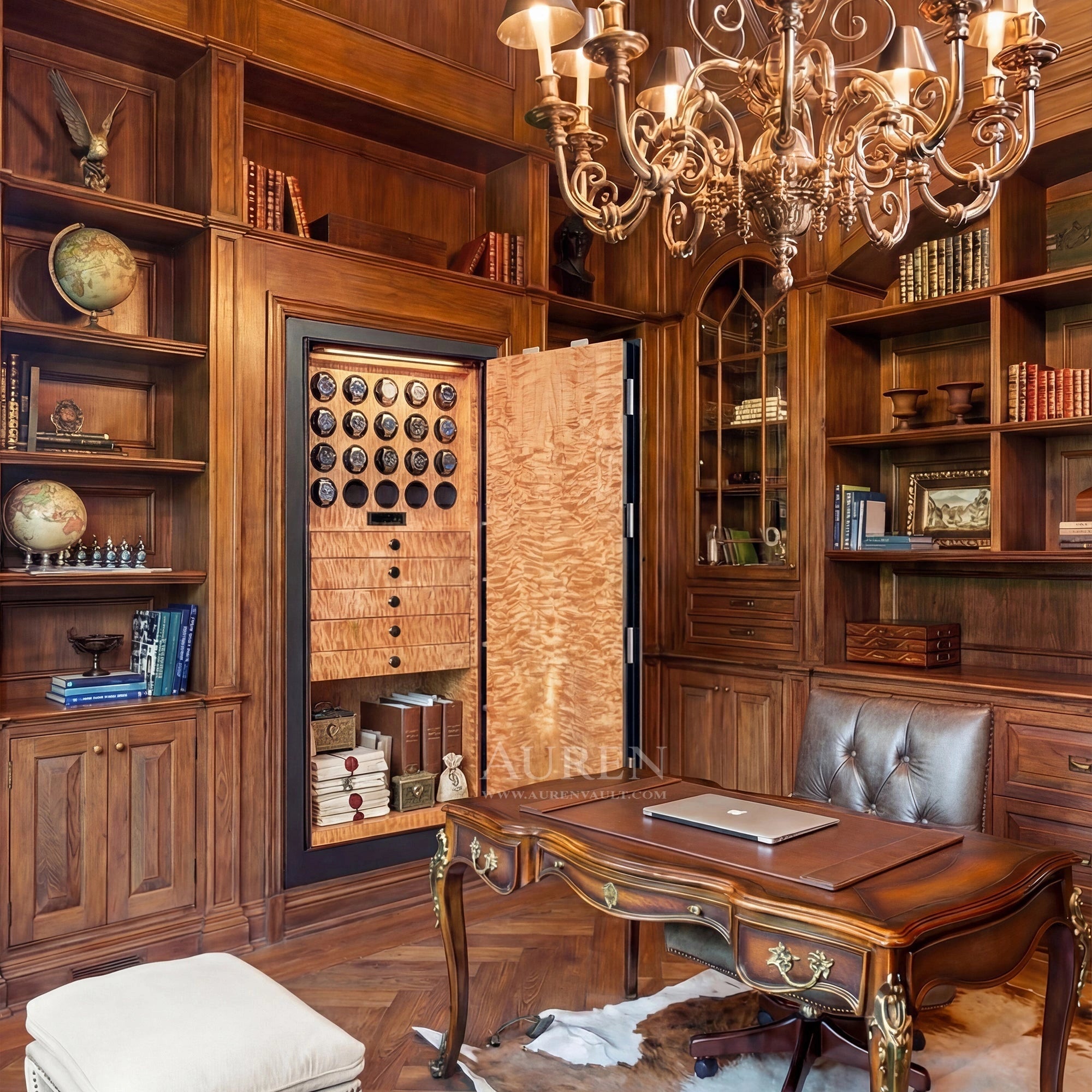
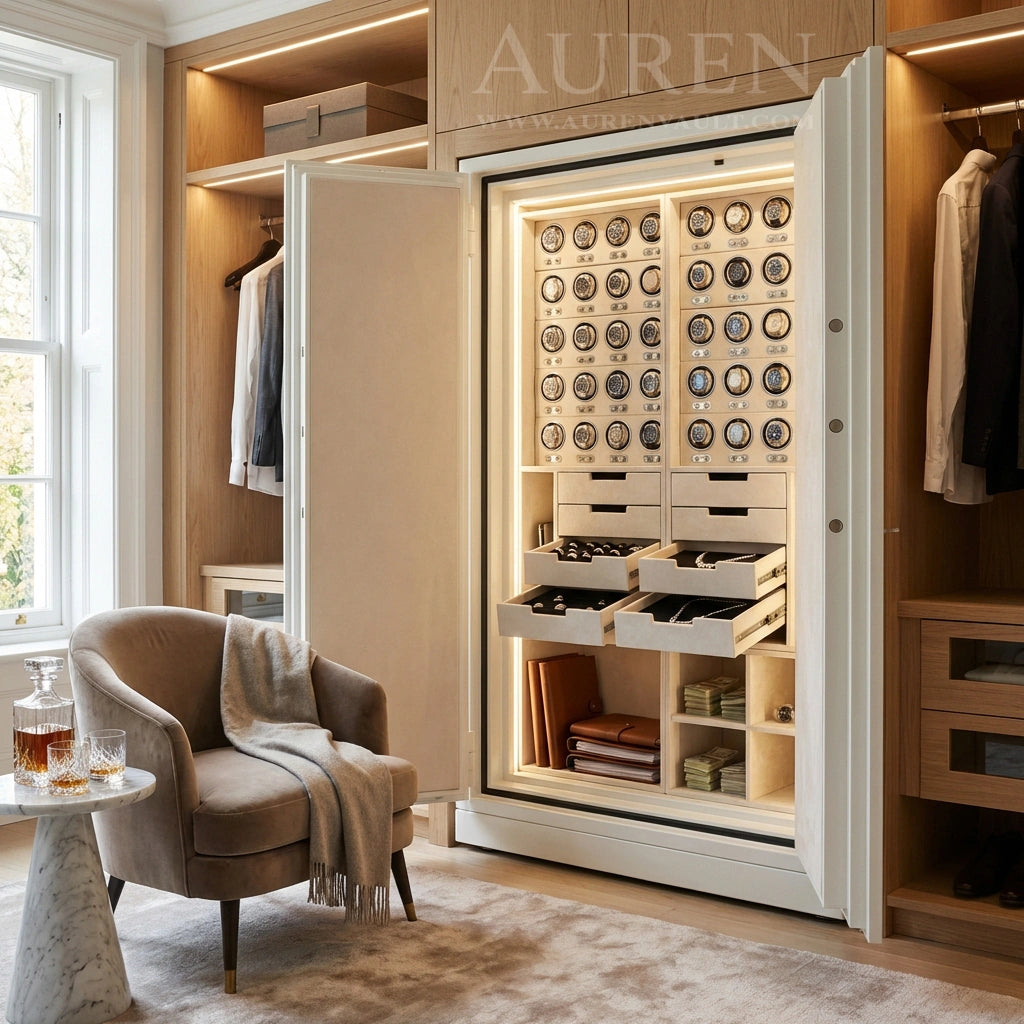

The best watch winder for Longines watches is a programmable device with adjustable turns per day (TPD), selectable winding direction, reliable rest cycles, and a secure holder suitable for the watch's case and strap.
For many modern Longines automatic movements, including the L888 and L844 families, approximately 650 TPD with bidirectional rotation is a commonly recommended starting point. Other independent references suggest 650–800 TPD, while certain older Longines calibres have different directional requirements. These are third-party recommendations, not universal factory-issued settings.
Movement identification is essential. Automatic Spirit, HydroConquest, Conquest, and Master Collection watches can benefit from compatible winding programs. Quartz references, including many Mini DolceVita models, do not require watch winders.
For an everyday Longines with a 72-hour power reserve, a winder is optional. The benefit becomes greater when the owner rotates several watches or wants a GMT, calendar, or moon-phase complication to remain operational.
The ideal choice combines movement compatibility, straightforward programming, appropriate physical support, and practical storage.
Why Longines Watch Winder Settings Depend on the Calibre
Longines makes watch winder selection appear relatively straightforward.
Many of its contemporary mechanical watches use automatic movements with extended power reserves, and several popular collections share related calibre architectures.
A Spirit Zulu Time, HydroConquest, and Conquest may therefore have similar general winding requirements.
But similarities between collections should not be mistaken for mechanical equivalence.
The Spirit Zulu Time uses the L844 movement family, designed around its GMT functionality.
Many contemporary three-hand Spirit, Conquest, and HydroConquest references use movements from the L888 family.
The Master Collection includes automatic moon-phase watches and more complicated chronographs using different calibres.
Longines also produces quartz watches that do not benefit from automatic winding.
For collectors, the distinction matters because a watch winder does not wind every mechanical or battery-powered watch.
It rotates the entire watch, allowing an automatic movement's internal rotor to respond to motion and replenish the mainspring.
A quartz movement does not use this type of energy source. A manually wound movement must receive energy through its winding mechanism rather than an automatic rotor.
The correct choice therefore begins with the watch's reference number and calibre.
Which Longines Watches Can Use a Watch Winder?
Longines has a broad catalogue that includes automatic sports watches, GMT models, calendar complications, quartz dress watches, and heritage-inspired timepieces.
The following table compares representative references rather than treating an entire collection as mechanically identical.
Longines Watch Winder Compatibility Guide
| Longines watch | Representative calibre | Movement type | Power reserve | Winder suitability |
|---|---|---|---|---|
| Spirit, 40 mm L3.810.4.53.6 | L888 family | Automatic | Up to 72 hours | Yes |
| Spirit Zulu Time, 39 mm L3.802.4.63.6 | L844 family | Automatic GMT | Up to 72 hours | Yes |
| HydroConquest, 43 mm L3.782.4.56.9 | L888 family | Automatic | Up to 72 hours | Yes |
| HydroConquest GMT, 41 mm L3.790.4.96.6 | L844 family | Automatic GMT | Up to 72 hours | Yes |
| Conquest, 38 mm L3.720.4.92.6 | L888 family | Automatic | Up to 72 hours | Yes |
| Master Collection Moonphase L2.909.4.78.3 | L899 family | Automatic | Up to 72 hours | Yes |
| Master Collection Chrono Moonphase, 2026 generation | L687.5 | Automatic chronograph | Up to 66 hours | Yes |
| Legend Diver, 39 mm L3.764 series | L888.6 | Automatic | Up to 72 hours | Yes |
| DolceVita L5.757.4.71.0 | Automatic movement | Automatic | Up to 45 hours | Yes |
| Mini DolceVita L5.200.0.71.0 | Quartz movement | Quartz | Not applicable | No |
Specifications apply to the representative references and movement generations listed. Model names can cover several calibres and production years. Verify your own watch before programming a winder.
The first conclusion is that most of these automatic references can use a programmable watch winder.
The second is that the collection name does not determine an exact setting.
A HydroConquest GMT and a conventional HydroConquest Date use different movement families, even though both belong to the same sports-watch collection.
The same principle applies to the Master Collection.
Spirit and Spirit Zulu Time: Similar Design, Different Functions
The Longines Spirit collection is closely associated with the brand's aviation heritage.
Its contemporary models combine classic pilot-watch design with automatic movements equipped with silicon balance springs.
Several Spirit references are also COSC-certified chronometers.
For winder selection, the important distinction is between a relatively simple automatic Spirit and a Spirit Zulu Time equipped with a GMT calibre.
Spirit Automatic: The L888 Movement Family
Representative Spirit models, including the 40 mm L3.810.4.53.6, use an automatic movement from the L888 family.
Longines specifies a frequency of 25,200 vibrations per hour and a power reserve of up to 72 hours.
That reserve provides considerable flexibility between wears.
An owner who wears the Spirit throughout the working week may find it remains running after a short weekend away from the wrist, provided it was sufficiently wound when removed.
For this routine, a watch winder is convenient rather than essential.
If the watch is rotated with several other timepieces, however, an appropriate winder can maintain its operating reserve between uses.
Independent references commonly suggest approximately 650 TPD with bidirectional rotation for modern L888 movements.
This is a starting reference, not a factory-issued Longines preset.
Spirit Zulu Time: The L844 GMT Calibre
The Spirit Zulu Time uses the L844 calibre family.
Representative 39 mm and 42 mm models provide up to 72 hours of power reserve and operate at 25,200 vibrations per hour.
The movement includes GMT functionality, allowing the watch to display another time zone.
A compatible winder can maintain the movement's reserve between wears, reducing the need to reset its indications after the watch stops.
This is particularly useful for someone who travels regularly or alternates between several watches.
Nevertheless, a watch winder cannot change local time automatically.
It does not know when the owner crosses a time zone, and it cannot adjust for daylight saving time.
Those functions remain the responsibility of the wearer.
The winder's role is limited to maintaining the movement through appropriate automatic winding.
Does the GMT Function Require More TPD?
Not automatically.
The additional GMT indication does not establish an external winding requirement by itself.
The appropriate TPD depends on the calibre's winding mechanism, energy efficiency, and the program delivered by the device.
A Spirit with L888 and a Spirit Zulu Time with L844 may operate within similar general winding ranges, but the settings should still be confirmed for each movement.
For collectors owning both watches, independently programmable winding positions provide useful flexibility.
HydroConquest: Automatic and Quartz Are Not Interchangeable
HydroConquest is one of Longines' best-known sports-watch families.
It is also an example of why visual appearance alone cannot establish winding compatibility.
Longines offers HydroConquest watches with automatic or quartz movements, depending on the reference.
A conventional automatic watch winder only benefits the automatic versions.
HydroConquest Automatic: The L888 Family
Representative HydroConquest models, including reference L3.782.4.56.9, use an automatic movement with a power reserve of up to 72 hours.
The watch also features a screw-down crown, substantial water resistance, and a unidirectional rotating dive bezel.
For an owner who wears the HydroConquest regularly, wrist movement may provide sufficient winding.
A winder becomes useful when the watch is left unworn beyond its available reserve.
Its practical value is maintaining the time and date between wears.
Why the Dive Bezel Does Not Determine Winding Direction
One point deserves particular clarification.
The HydroConquest has a unidirectional rotating bezel, but this feature is unrelated to the movement's automatic winding direction.
The bezel is used to measure elapsed time.
The winding direction describes how rotor motion transfers energy to the movement's mainspring.
A unidirectional dive bezel does not mean the watch requires clockwise-only or counterclockwise-only winding.
The external winder setting must be determined from the actual calibre.
This is a common source of confusion when collectors read watch specifications without separating the different mechanical functions.
HydroConquest GMT: Same Collection, Different Movement
The HydroConquest GMT introduces the L844 movement family.
Representative 41 mm and 43 mm versions provide up to 72 hours of reserve.
The watch combines the HydroConquest's sports-watch construction with a GMT display.
For an owner who alternates between a HydroConquest Date and HydroConquest GMT, the watches may have similar power reserves but different calibre identities.
A flexible programmable winder is therefore preferable to one that offers only a fixed, unchangeable program.
Master Collection: Where Watch Winders Become More Valuable
The Longines Master Collection illustrates a stronger practical reason to use a winder.
While a simple three-hand automatic watch is generally easy to reset, a mechanical moon-phase or multi-function chronograph can require additional adjustments after the movement stops.
The Master Collection includes automatic watches with moon-phase displays, calendar functions, and chronographs.
The exact calibre depends on the reference and production generation.
Master Collection Moonphase: L899
The Master Collection Moonphase reference L2.909.4.78.3 uses the automatic L899 movement family.
Longines currently lists this representative reference with a power reserve of up to 72 hours.
Its moon-phase display adds a complication beyond the ordinary time indication.
When the movement stops, the moon-phase display also stops advancing.
The owner must then restore the correct indications according to the operating manual.
A compatible winder can reduce how often these adjustments become necessary.
For a watch worn once every week or two, maintaining continuous operation may offer a worthwhile convenience.
Master Collection Chrono Moonphase: L687
The Master Collection Chrono Moonphase uses a different movement family.
Longines' redesigned 2026 Master Collection includes a Chrono Moonphase equipped with the automatic column-wheel calibre L687.5.
It operates at 28,800 vibrations per hour and offers a power reserve of up to 66 hours.
The watch combines chronograph and calendar functions with a moon-phase display.
Compared with a simple automatic three-hand watch, it has more indications to consider when restarting after the reserve is exhausted.
A correctly programmed winder can help maintain those displays between wears.
However, the winder does not operate the chronograph pushers or reset calendar indications.
It simply keeps the automatic movement receiving winding energy.
Why Newer and Older Master Collection Calibres Must Be Distinguished
The Master Collection has evolved across multiple generations.
Longines' 2026 redesign introduced updated watches using calibres including L592.5, L888.5, and L687.5.
Older Master Collection watches may use different movement designations.
This matters because historical winding databases sometimes group watches under broad collection names such as Master Collection Chronograph or Master Collection Full Calendar.
A recommendation created for an older calibre should not automatically be applied to a newer movement.
The reference and movement must be verified before selecting the external program.
For collectors of complicated Longines watches, this is an important part of avoiding misleading settings charts.
Longines Watch Winder Settings: 650 or 800 TPD?
Two parameters determine the basic winding program.
Turns per day (TPD) measures the number of rotations a watch winder performs during a 24-hour period.
Winding direction describes whether those rotations occur clockwise, counterclockwise, or in alternating directions.
The goal is to supply enough effective winding to maintain the movement's reserve without unnecessary continuous operation.
For many modern Longines automatic calibres, independent winder specialists recommend approximately 650–800 TPD with bidirectional rotation.
However, historical Longines movements include examples that require different programs.
Longines TPD Reference Table
| Movement family | Published independent guidance | Direction guidance | Important limitation |
|---|---|---|---|
| L888 – Spirit, Conquest, HydroConquest | Approximately 650 TPD as an initial setting | Bidirectional commonly recommended | Verify specific movement variant |
| L844 – Spirit Zulu Time, HydroConquest GMT | Approximately 650–800 TPD | Bidirectional commonly recommended | Confirm for reference and winder |
| L899 – Master Collection Moonphase | No sufficiently verified universal preset established here | Confirm calibre-specific direction | Do not infer from an older calendar movement |
| L687.5 – Master Chrono Moonphase | No sufficiently verified preset established here | Confirm for current generation | Historical chronograph data may differ |
| Historical L619 and related movements | Approximately 650 TPD | Bidirectional in independent references | Historical guidance |
| Historical L678 / L687-related chronograph listings | Approximately 800 TPD in some databases | Clockwise in older entries | Do not automatically apply to L687.5 |
| Historical L990-series movements | Approximately 800 TPD | Counterclockwise in independent references | Movement-specific exception |
| Quartz Longines | Not applicable | Not applicable | No automatic winding mechanism |
These are independent third-party reference values, not official Longines factory presets. Historical movement entries do not establish settings for current calibres with similar names.
Why 650 TPD Is a Common Starting Point
Modern automatic movements are often capable of maintaining their reserve with moderate daily rotation programs.
A setting around 650 TPD with bidirectional operation is frequently cited for Longines movements from the L888 family.
That makes it a reasonable starting point to investigate.
It does not mean the setting will necessarily work for every reference, every movement condition, or every winder.
The actual amount of effective winding depends on how the device distributes rotations, how the internal winding mechanism responds to motion, and how much energy the movement requires.
Some winders calculate total bidirectional turns differently, so the program's definition should also be checked.
The watch TPD and winding direction guide provides a broader introduction to these variables.
Why Some Older Longines Require Clockwise Winding
Independent reference tables show that historical Longines movement families do not all share the same directional requirements.
Some older chronograph and calendar calibres are listed with clockwise-only programs.
Others are listed as bidirectional.
Certain historical movements even appear with counterclockwise recommendations.
This variation demonstrates why a broad statement such as "all Longines watches need bidirectional winding" would be inaccurate.
The safest approach is to identify the exact calibre before selecting an external direction.
For a modern L888 or L844, a bidirectional program may be appropriate based on independent guidance.
For an older automatic Longines, especially a chronograph, the movement-specific entry deserves closer attention.
Why Power Reserve Does Not Determine TPD
A 72-hour Longines does not automatically need more rotations than a watch with a 45-hour reserve.
Power reserve measures how long a sufficiently wound movement can operate without additional winding.
TPD measures the external device's daily rotation count.
Two movements can have different reserves but similar external winding requirements.
Conversely, two movements with comparable reserves may use different winding mechanisms.
For example, a Longines Spirit with approximately 72 hours of reserve and an automatic DolceVita with approximately 45 hours should not be assigned programs solely according to those figures.
The correct settings come from the movement's winding characteristics.
DolceVita and Mini DolceVita: Why Case Shape and Movement Type Both Matter
Longines' DolceVita collection adds a different consideration to winder selection.
Its rectangular case contrasts with the round Spirit and HydroConquest designs.
More importantly, the family includes both automatic and quartz references.
Automatic DolceVita
The DolceVita reference L5.757.4.71.0 is a rectangular automatic watch with dimensions of approximately 27.7 × 43.8 mm.
Longines specifies up to 45 hours of power reserve.
A compatible winder can help keep this watch running between wears.
However, a conventional rigid cushion designed for a round sports watch may not be the best physical support.
The elongated case and leather strap require a holder that maintains a stable fit without excessive tension.
The watch should have sufficient clearance from the surrounding compartment as it rotates.
Mini DolceVita Quartz
Many Mini DolceVita references are quartz-powered.
For example, L5.200.0.71.0 uses a quartz movement.
A conventional automatic watch winder provides no benefit to this reference.
The movement is not powered by a mainspring replenished through rotor motion.
For quartz DolceVita watches, a protective storage compartment is more appropriate than an active winding module.
This is particularly important when planning a mixed collection of automatic and quartz dress watches.
Can an Older Automatic DolceVita Use the Same Settings?
Not necessarily.
Historical automatic DolceVita references may use different calibres from current models.
Independent winding tables list some older DolceVita movements with clockwise programs.
These should not be applied universally to all automatic DolceVita watches.
The exact reference and calibre should always be identified before programming.
How to Set Up a Watch Winder for Longines
A reliable setup begins with the watch's reference number and calibre.
The reference confirms whether the movement is automatic and helps establish which winding program to use.
If the watch has stopped, follow Longines' instructions for initial winding through the crown before mounting it.
For screw-down crown models, such as many HydroConquest references, the crown should be correctly secured again after winding or adjustment.
A watch winder is primarily intended to maintain stored energy. It is not necessarily the fastest method of restarting a completely stopped movement.
A practical setup involves four steps:
-
Identify the movement. Confirm the watch is automatic and record its calibre.
-
Verify the program. Select movement-appropriate TPD and winding direction.
-
Fit the watch correctly. Use a stable holder without excessive pressure on its bracelet or strap.
-
Monitor operation. Check whether the watch maintains its reserve over several days.
If the watch repeatedly stops, investigate the initial winding state, program, motor operation, and movement condition.
Increasing TPD indefinitely is not an appropriate substitute for finding the cause.
Why Rest Cycles Matter
A suitable watch winder typically alternates periods of rotation with intervals of rest.
This allows the movement to receive winding energy without continuous external motion.
Different devices distribute their programmed daily rotations differently.
Consequently, a stable motor and clearly specified operating program are more useful than a very high maximum TPD.
The objective is controlled, predictable winding.
Can a Watch Winder Overwind a Longines?
Modern automatic Longines movements generally incorporate slipping mainspring mechanisms designed to prevent continued increases in mainspring tension once sufficiently wound.
Longines explains this principle in its technical guidance on power reserve.
However, it does not follow that unlimited daily rotation is beneficial.
A winder should use an appropriate program with rest periods.
Unnecessary rotation provides no clear advantage once the watch is maintaining sufficient stored energy.
A winder also cannot repair a mechanical problem or replace manufacturer-recommended servicing.
What Makes a Good Watch Winder for Longines?
The most useful features are correct programming, secure physical support, reliable motors, and straightforward operation.
For someone purchasing a first watch winder, these characteristics matter more than decorative complexity.
Adjustable TPD and Direction
The winder should support different daily rotation programs and selectable clockwise, counterclockwise, and alternating modes.
This is particularly useful when a collection includes a modern L888-powered watch and an older Longines chronograph.
The two movements may not share identical requirements.
For multiple watches, independent module control is preferable to a single setting applied to every rotor.
Cushions for Bracelets and Leather Straps
Longines watches use different bracelet and strap materials.
A Spirit may have a steel bracelet or leather strap.
A HydroConquest may use a steel bracelet or rubber strap.
A Master Collection Moonphase may be fitted with leather.
A DolceVita may require a holder suited to its elongated rectangular case.
An adjustable or interchangeable cushion is useful when these watches share a winding cabinet.
The holder should secure the watch without overstretching a strap or allowing the case to move against the compartment.
Appropriate Space for Sports Watches
A 43 mm HydroConquest may require more compartment space than a smaller dress watch.
Case thickness, rotating bezel, crown design, and strap shape all influence physical fit.
A nominal rotor capacity does not guarantee that every case will fit comfortably.
For multi-watch systems, the spacing between adjacent positions deserves particular attention.
The watch should be easy to mount and remove without contacting hard interior components.
When Is a Watch Winder Worth Buying for Longines?
The answer depends on how often the watch is worn and how complicated its indications are.
A simple automatic Conquest worn every day may not need a winder.
A Spirit Zulu Time worn once a week may benefit from continued operation between wears.
A Master Collection Moonphase may be particularly convenient to keep running because resetting the moon-phase display requires more attention.
The decision should reflect the owner's routine rather than the assumption that every automatic watch must remain in motion.
Comparing Common Ownership Scenarios
| Longines ownership profile | Suitable winding approach | Main consideration |
|---|---|---|
| One daily-worn Conquest | No winder or compact programmable unit | Convenience |
| Spirit and HydroConquest rotation | Two independently controlled winding positions | Similar but separately verified calibre settings |
| Spirit Zulu Time plus HydroConquest GMT | Programmable dual winder | Maintaining GMT and date displays |
| Master Collection Moonphase or Chrono Moonphase | Reliable calibre-specific program | Reducing repeated complication setting |
| Automatic and quartz DolceVita collection | Active winding plus passive storage | Correct movement allocation |
| Larger mixed Longines collection | Multi-watch storage with independent modules | Capacity, organization, and protection |
A watch winder should solve a practical inconvenience.
If the watch is already worn often enough to remain running, additional equipment may provide little benefit.
Standalone Winder vs. Watch Winder Safe
For one or two automatic Longines watches, a standalone programmable winder may provide sufficient convenience.
As a collection expands, physical security and organization become separate priorities.
A standalone winder maintains automatic movement operation.
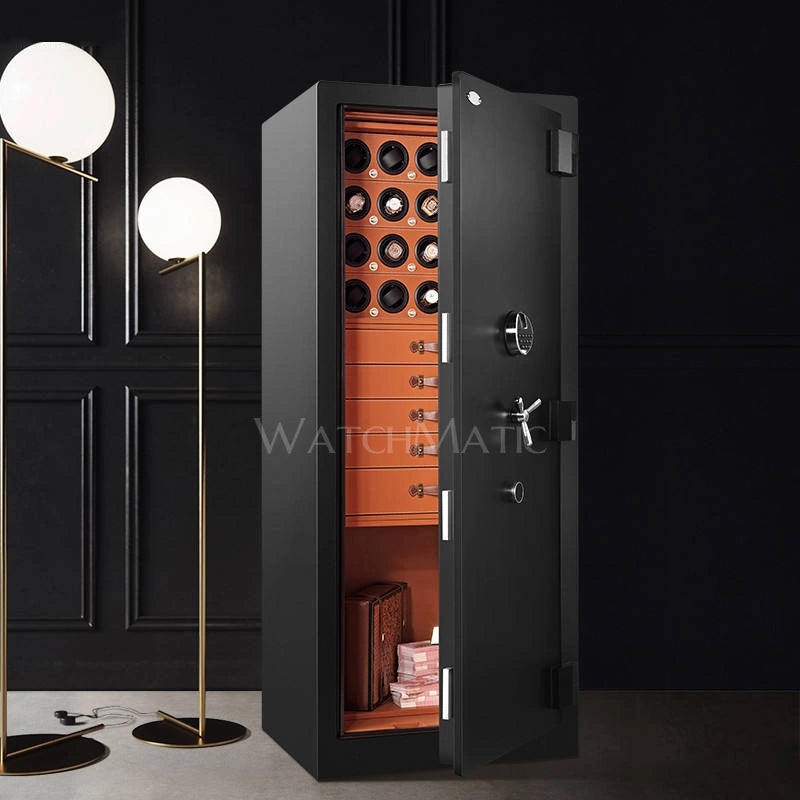
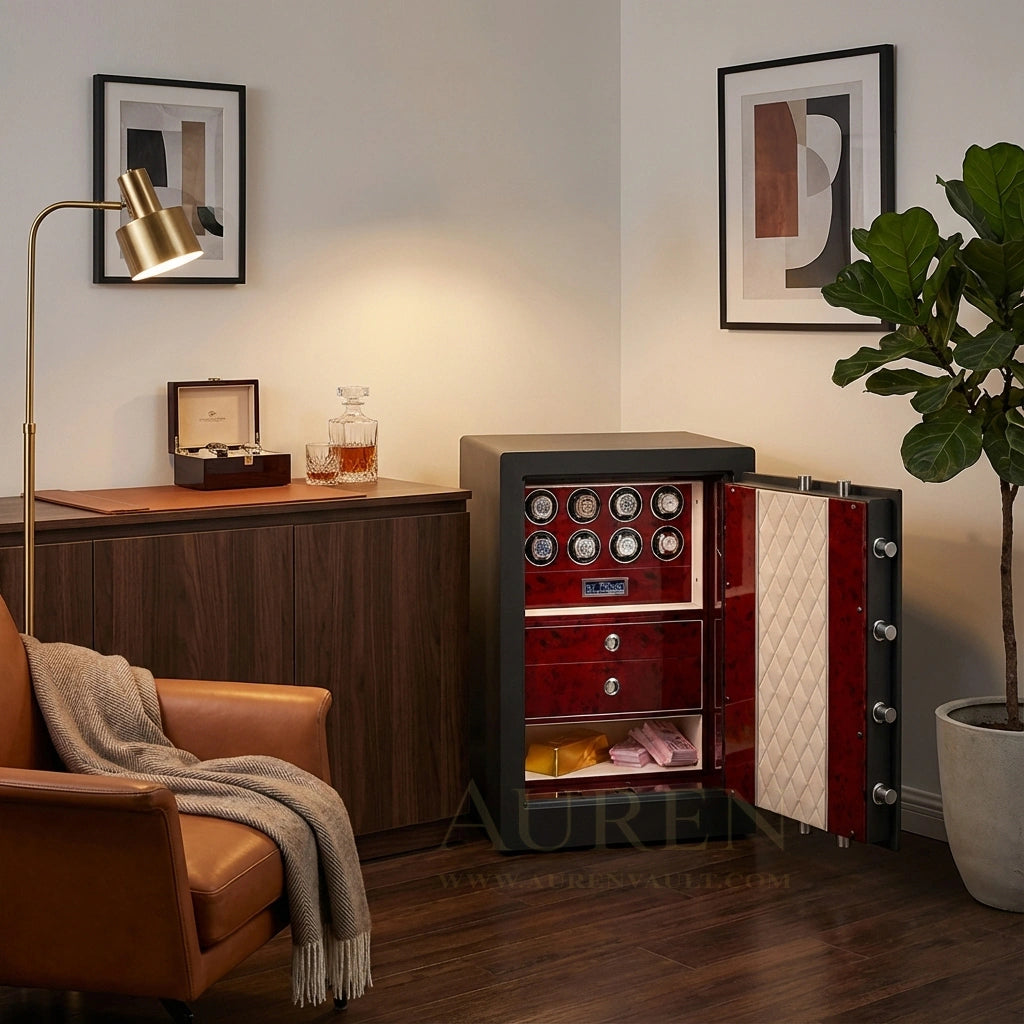
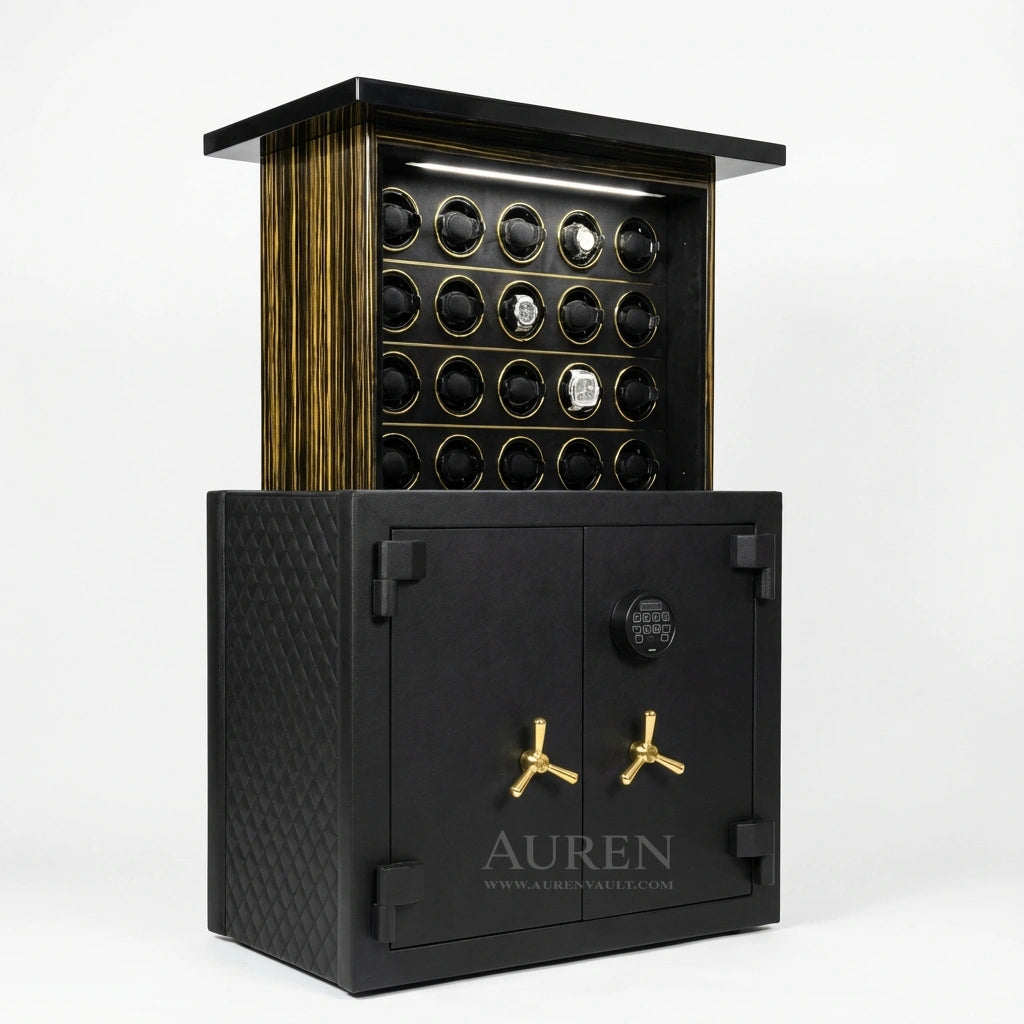
A watch winder safe combines winding modules with enclosed, lockable storage.
This arrangement can be useful when collectors want automatic watches to remain ready to wear without leaving them on an exposed tabletop display.
The available watch winder safe collection provides examples of integrated winding and protective storage configurations.
The watch winder safe guide introduces the broader considerations involved in selecting such a system.
Evaluate Security Independently
A lockable cabinet does not automatically qualify as a certified burglary-resistant or fire-resistant safe.
Actual protection depends on construction, locking systems, installation conditions, and any independently documented protection ratings.
The quality of the winding motors is also separate from the protective capability of the enclosure.
For collectors storing valuable watches, both aspects should be examined.
An integrated solution is only useful when its winding compatibility and physical storage characteristics suit the collection.
Planning Storage for a Mixed Longines Collection
Consider an owner with a Spirit, Spirit Zulu Time, HydroConquest, Master Collection Moonphase, automatic DolceVita, and two quartz Mini DolceVita watches.
That is a seven-watch collection.
Only five watches require automatic winding positions.
The quartz watches need protective passive storage rather than active rotation.
A configuration with five independently controlled winding modules and two passive compartments may therefore be more practical than a seven-rotor cabinet.
The broader range of watch safes for collectors provides options for evaluating total storage capacity.
For a larger collection, luxury watch safes with higher storage capacity may offer a more suitable arrangement than several separate tabletop devices.
The important distinction is between total watch capacity and active winding capacity.
When Custom Storage Becomes More Relevant
A mixed Longines collection can include substantial dive watches, compact dress watches, chronographs, and rectangular cases.
Identical holders may not offer ideal support for all of them.
A custom interior can account for different cushion dimensions, winding positions, passive compartments, and accessories.
These possibilities can be considered through custom watch safe design options, subject to the capabilities of the selected configuration.
For residential installations, available space, cabinet weight, electrical access, and delivery requirements should also be considered.
The most efficient arrangement accommodates the actual collection rather than simply providing the greatest possible number of rotors.
Does a Longines Need to Remain on a Winder Continuously?
No. An automatic Longines does not need to run continuously.
When worn regularly, its movement receives winding energy through ordinary wrist motion.
When left unworn, its reserve gradually decreases until it stops.
This is generally a normal part of mechanical watch ownership.
A winder becomes useful when the owner wants the movement to remain operational between wears.
For a watch with simple time and date indications, that convenience may be modest.
For a moon-phase or multi-function calendar watch, it may be more significant.
For watches intended to remain unused for longer periods, stable environmental conditions, appropriate watch supports, and manufacturer-recommended maintenance remain important.
The watch storage guide covers the wider principles of organizing and protecting valuable mechanical watches.
A winder should support the owner's routine rather than dictate it.
Frequently Asked Questions About Longines Watch Winders
What is the best TPD setting for Longines watches?
Approximately 650 TPD with bidirectional rotation is a common independent starting recommendation for modern Longines automatic movements such as L888. Some sources suggest 650–800 TPD, while certain historical calibres require different programs. Confirm the exact movement and winder settings before use.
Does a Longines HydroConquest need a watch winder?
No. Automatic HydroConquest watches receive winding energy through normal wrist movement. A compatible winder is optional. Quartz HydroConquest references do not benefit from automatic winding.
What winding direction is recommended for Longines L888?
Independent winding references commonly recommend bidirectional external rotation for the L888 family, often starting around 650 TPD. This should be treated as preliminary guidance rather than an official universal Longines specification.
Can a Spirit Zulu Time use a regular watch winder?
Yes, provided it is programmable and compatible with the L844 movement. The GMT function does not require a special device that changes time zones automatically.
Is a watch winder useful for a Master Collection Moonphase?
Yes. Keeping the automatic movement running can reduce how often the moon-phase and other indications need to be reset. The correct program must still be verified for the specific calibre.
Does a Longines chronograph require more TPD?
Not automatically. A chronograph complication does not independently establish a higher external winding requirement. The correct setting depends on the automatic calibre, and historical chronograph settings should not automatically be applied to current L687 variants.
Can a Longines DolceVita use a watch winder?
Only if the reference contains an automatic movement. Certain larger DolceVita watches are automatic, while many DolceVita and Mini DolceVita models are quartz-powered. Check the reference before using a winder.
Does a 72-hour Longines need more winding than a 45-hour model?
Not necessarily. Power reserve measures operating duration, while TPD relates to external winding. The correct daily program depends on the movement's winding mechanism rather than reserve duration alone.
Can a watch winder damage a Longines?
A compatible, correctly programmed winder with a suitable holder should be appropriate for an automatic Longines. Incorrect settings, poor mounting, defective equipment, or improper handling can create problems. A winder does not replace mechanical servicing.
Is a watch winder safe worthwhile for Longines?
It may be appropriate for a larger collection that needs both automatic winding and enclosed protection. The decision should consider the number of automatic watches, passive storage requirements, and the safe's documented security specifications.
Related Reading: Watch Winder Settings and Collection Storage
Longines' combination of contemporary automatic calibres, historical winding systems, and calendar complications offers useful context for understanding other luxury watch collections.
Best Watch Winder for Vacheron Constantin Watches
Explore automatic movement compatibility, daily winding settings, and storage considerations for Vacheron Constantin watches.
Best Watch Winder Settings for Patek Philippe Watches
Understand how winding programs and mechanical complications influence the convenience of keeping automatic watches running between wears.
Watch Safes With Built-In Watch Winders: Are They Worth It?
Compare standalone watch winders with integrated systems that combine automatic winding and protective storage.
Final Perspective: The Best Longines Winder Is the One That Fits Your Watch
Longines' modern automatic collections are designed for practical everyday ownership, and many offer generous power reserves.
That means a watch winder is not essential for every Spirit, Conquest, or HydroConquest owner.
Its value becomes clearer when watches are rotated frequently or when maintaining GMT, calendar, and moon-phase indications provides meaningful convenience.
The correct decision should begin with the calibre.
An L888-powered three-hand watch, an L844 GMT, and an L687 chronograph should not automatically receive the same winding program simply because they share the Longines name.
For individual automatic watches, the priorities are reliable programming, appropriate direction, secure mounting, and quiet operation.
For larger collections, independent winding control and protective storage may become equally important.
As a specialist in premium watch safes and integrated winding solutions, Auren Vault approaches these needs through configurations intended to balance movement compatibility, collection organization, and enclosed protection.
The best watch winder for Longines is not defined by maximum rotations or elaborate presentation.
It is defined by how reliably it maintains the movement, how securely it supports the watch, and how naturally it fits into the owner's routine.