
Many collectors who own Patek Philippe automatic watches use watch winders to keep their timepieces running while they are not being worn. Because automatic movements rely on wrist motion to maintain power, watches stored for extended periods may stop once their power reserve is depleted.
A watch winder is a device that rotates an automatic watch to simulate natural wrist movement, allowing the movement to remain wound during storage.
For most Patek Philippe automatic watches, recommended watch winder settings typically include:
- Turns Per Day (TPD): approximately 650–800
- Rotation direction: bidirectional winding
- Moderate daily winding cycles to avoid over-winding
These settings are designed to provide enough motion to maintain the movement’s power reserve while avoiding unnecessary wear.
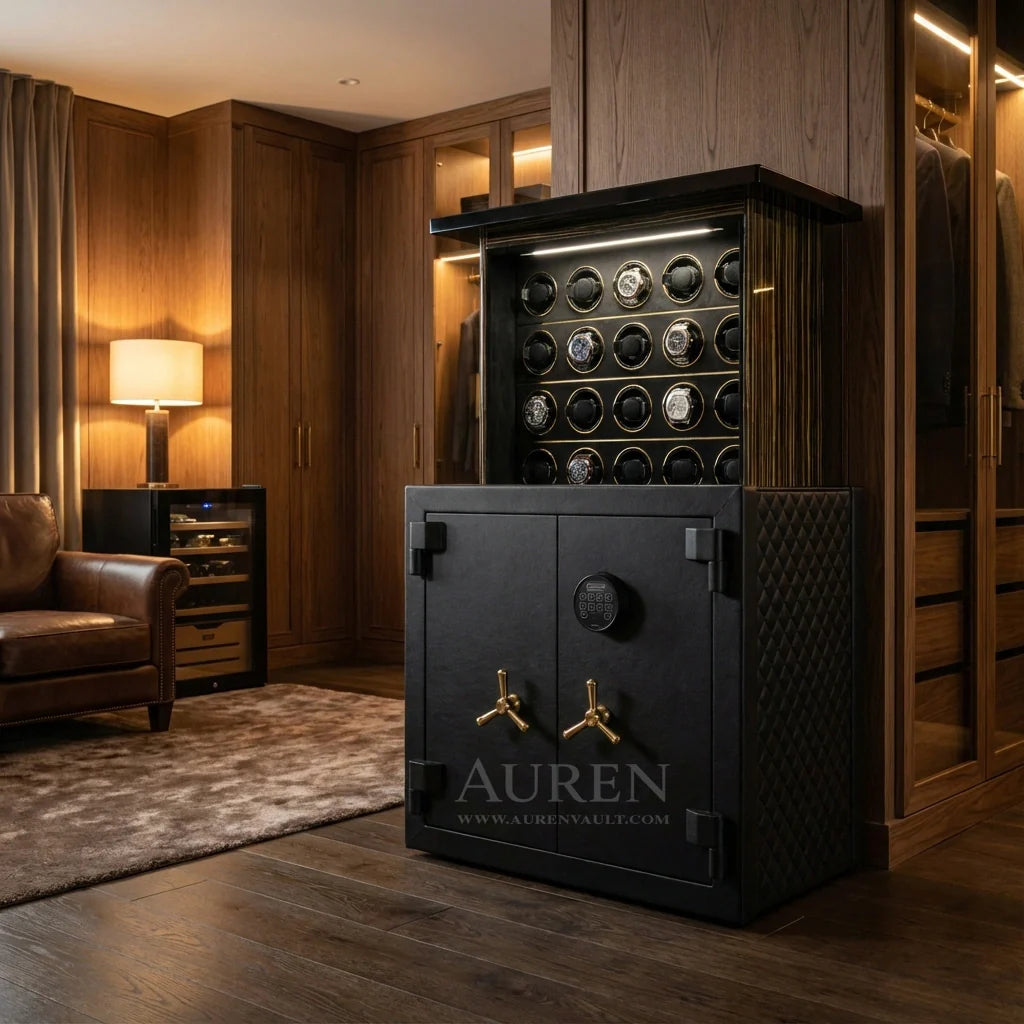
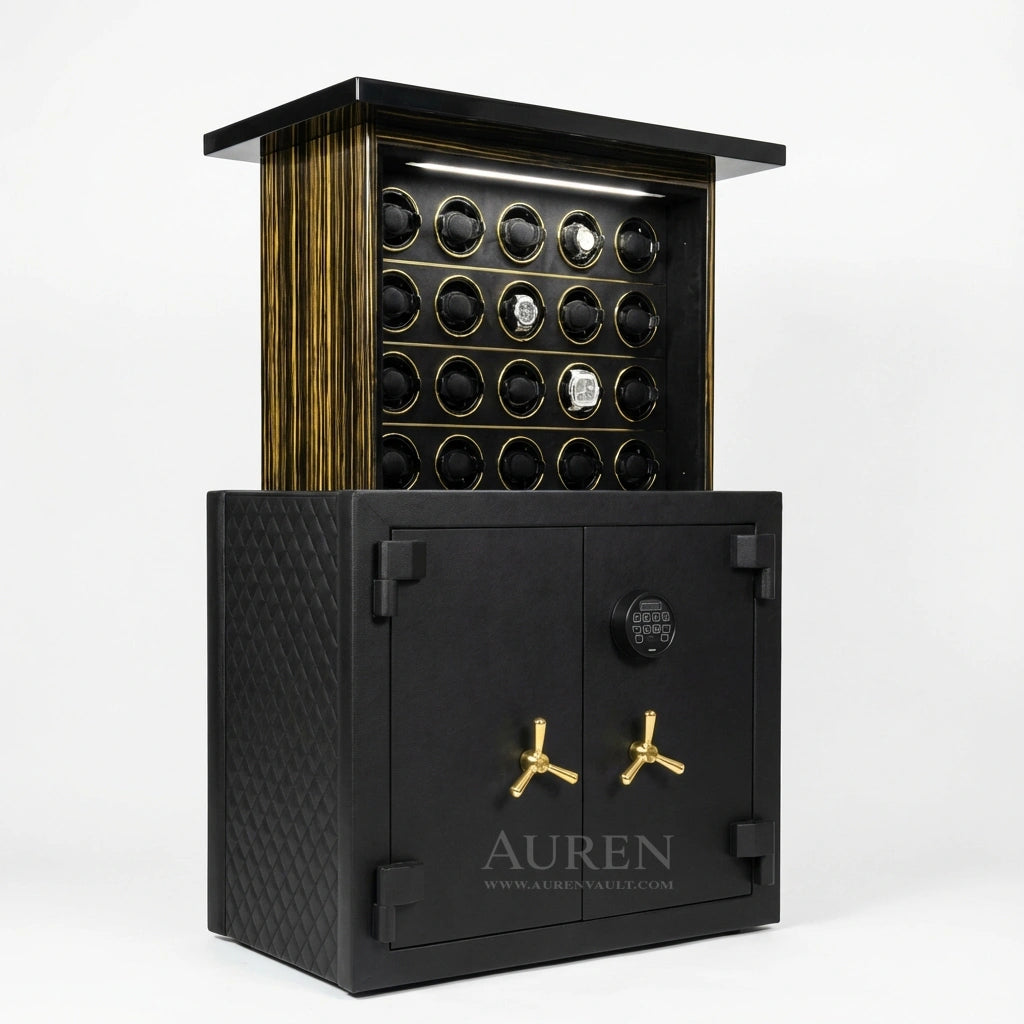
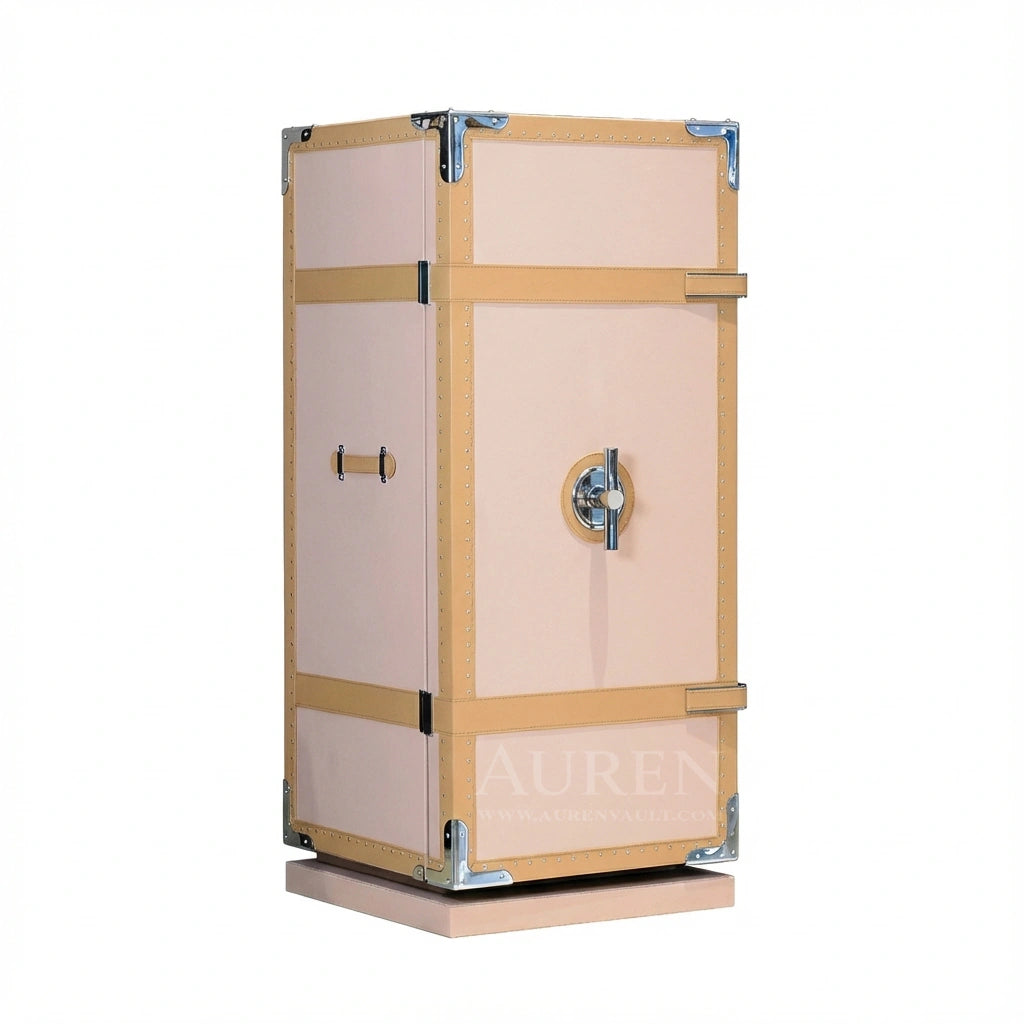
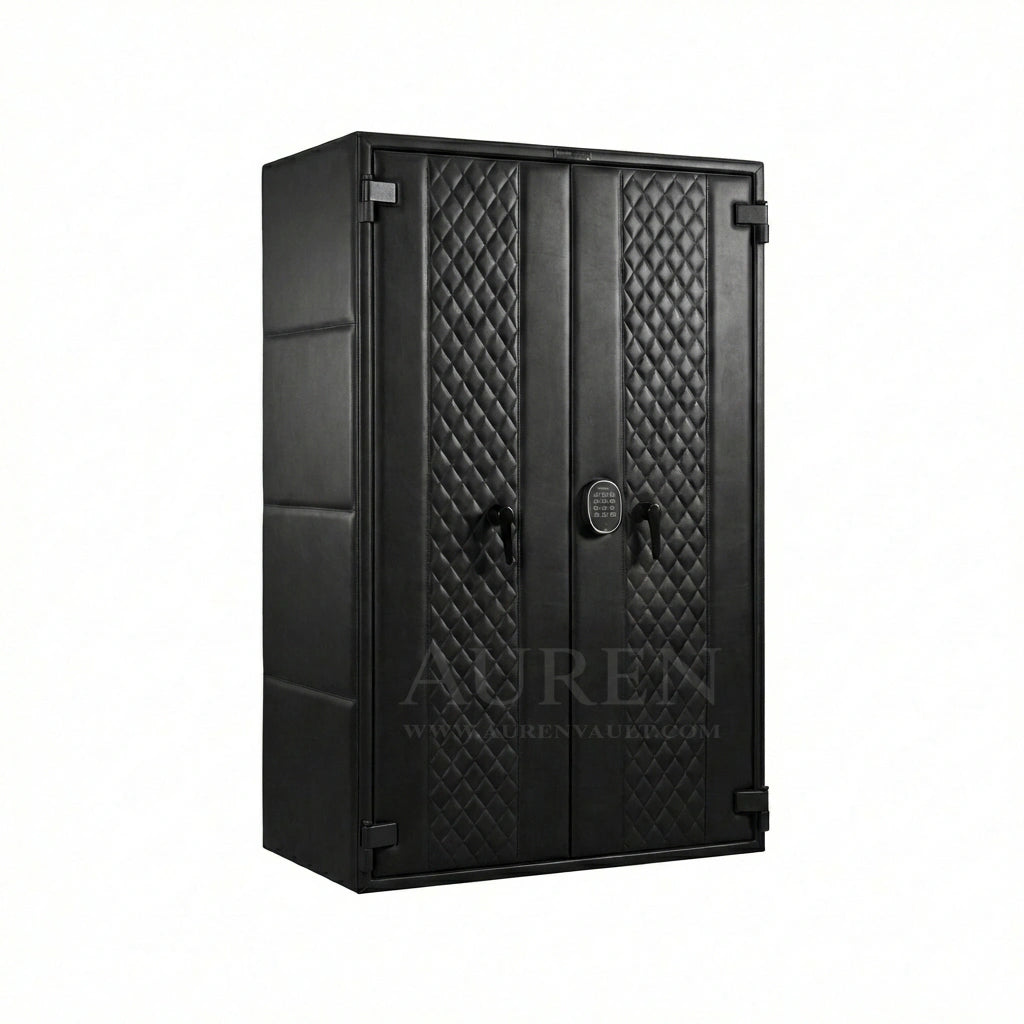
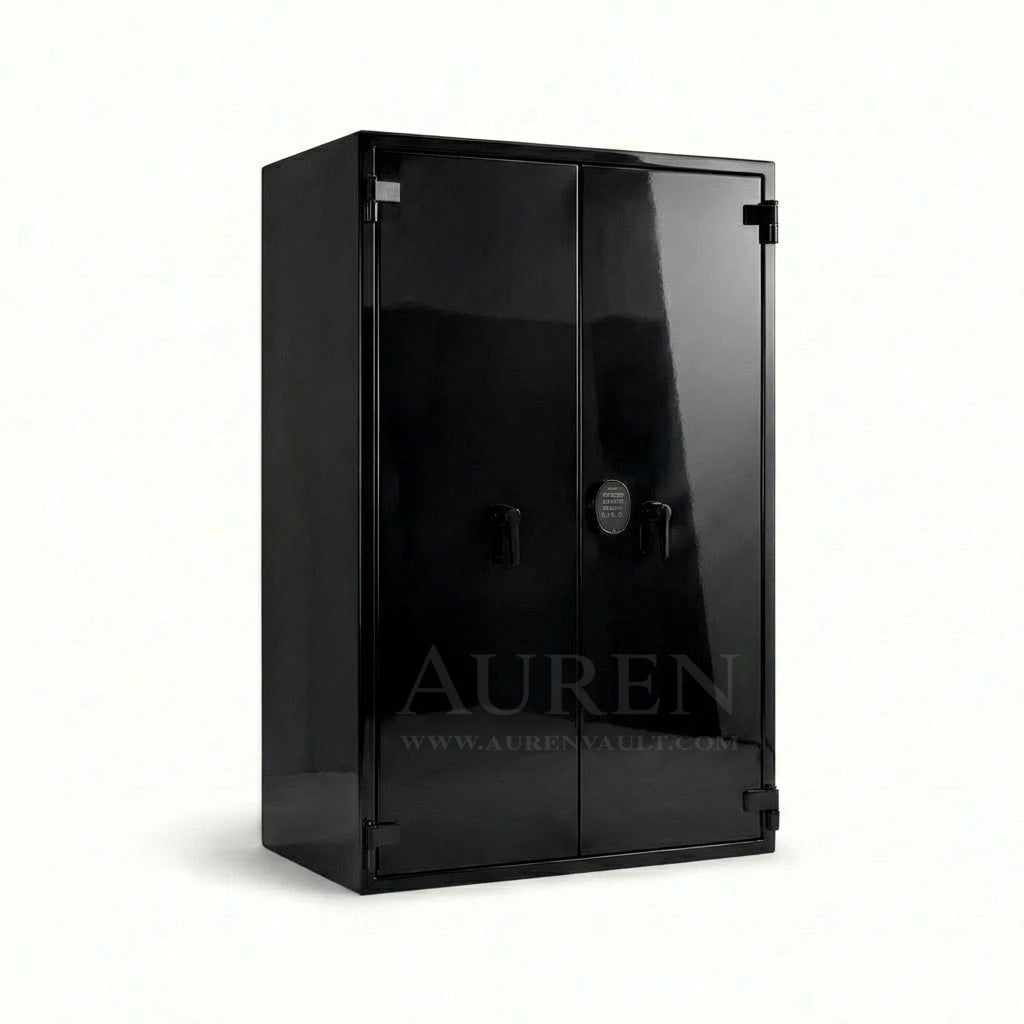
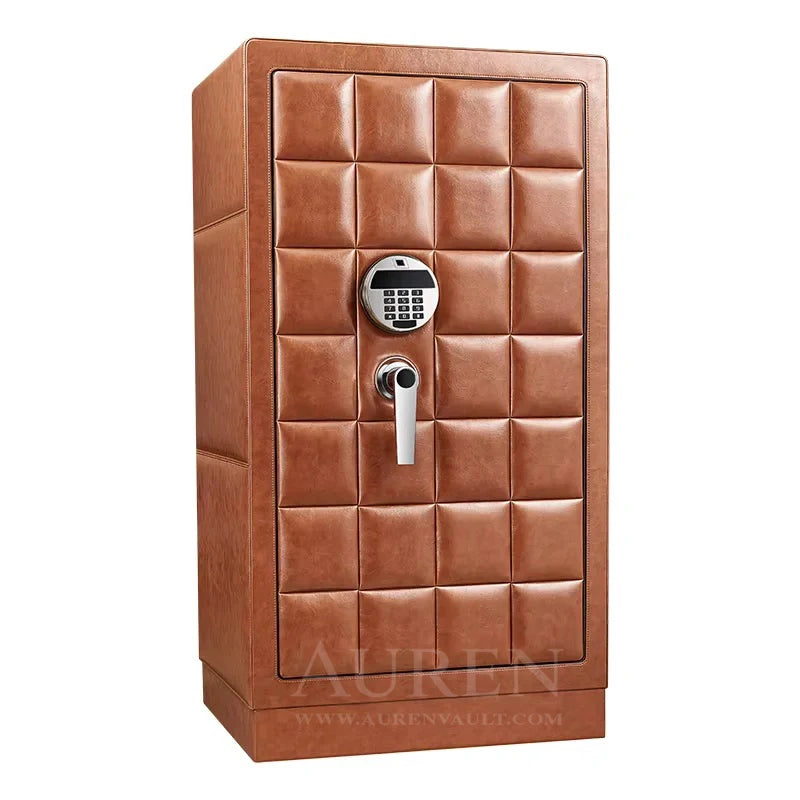
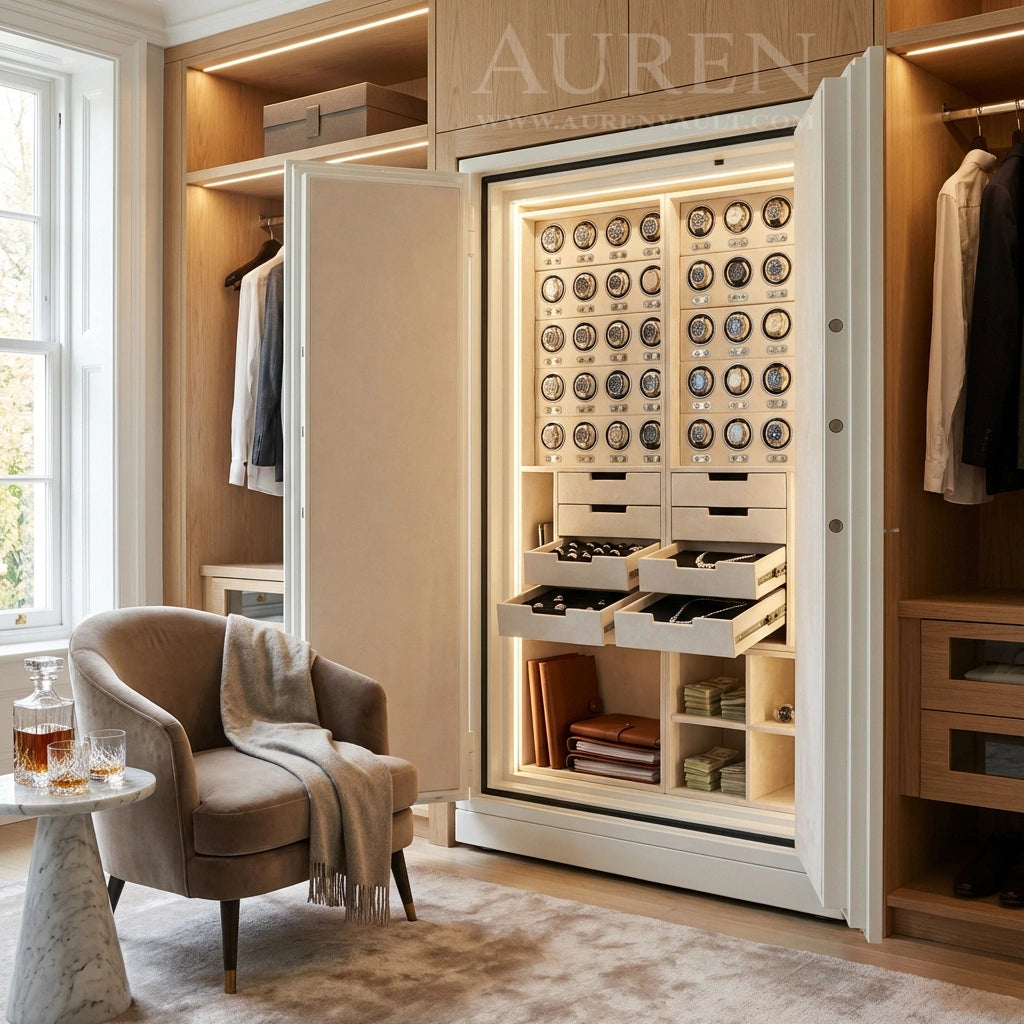
For collectors storing valuable watches at home, watch winders are often integrated into secure watch storage systems, such as watch winder safes designed for luxury watch collections.
Understanding Automatic Movements in Patek Philippe Watches
Patek Philippe is known for producing highly refined mechanical movements, many of which use automatic winding systems.
Inside these watches is a rotor mechanism that rotates with wrist motion. This rotation transfers energy to the mainspring, which powers the watch movement.
When the watch is worn regularly, the rotor naturally winds the movement throughout the day. However, when the watch is stored for several days or weeks, the mainspring eventually unwinds and the watch stops.
Using a watch winder helps maintain the movement’s power reserve while the watch is not being worn.
Collectors who are new to watch storage often begin by learning what a watch winder is and how winders simulate wrist motion.
Recommended Turns Per Day (TPD) for Patek Philippe
Turns Per Day (TPD) refers to how many rotations a watch winder performs within a 24-hour period.
Different automatic movements require different winding levels depending on the efficiency of the rotor system.
For most modern Patek Philippe automatic movements, a typical range is:
| Brand | Typical TPD | Rotation Direction |
|---|---|---|
| Patek Philippe | 650–800 TPD | Bidirectional |
Bidirectional rotation allows the rotor to wind the mainspring efficiently regardless of the direction of movement.
Because individual models may vary, collectors sometimes start with a moderate setting and adjust based on how well the watch maintains its power reserve.
Why Proper Winder Settings Matter
Setting the correct watch winder configuration helps maintain the watch movement without unnecessary stress.
If the TPD setting is too low, the watch may not receive enough motion to maintain power. If the TPD is excessively high, the watch may experience unnecessary rotor movement.
Modern automatic watches include mechanisms that prevent over-winding, but collectors generally prefer to keep winder settings within recommended ranges.
For collectors rotating multiple watches, maintaining proper settings ensures that watches remain ready to wear without constant manual adjustment.
Storage Solutions for Automatic Watch Collections
Collectors who own several automatic watches often integrate watch winders into their storage systems.
Standalone watch winders are commonly placed on desks or inside cabinets, but some collectors prefer combining winding systems with secure storage.
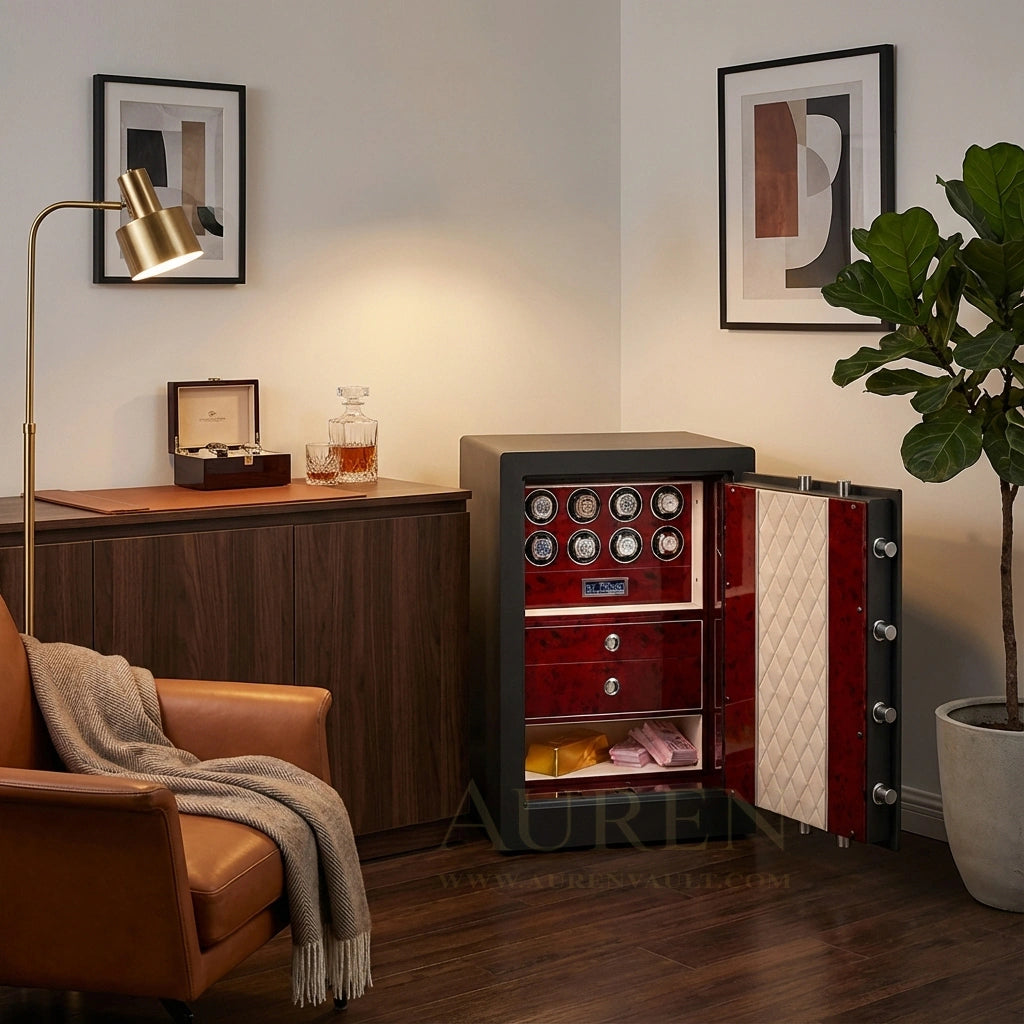
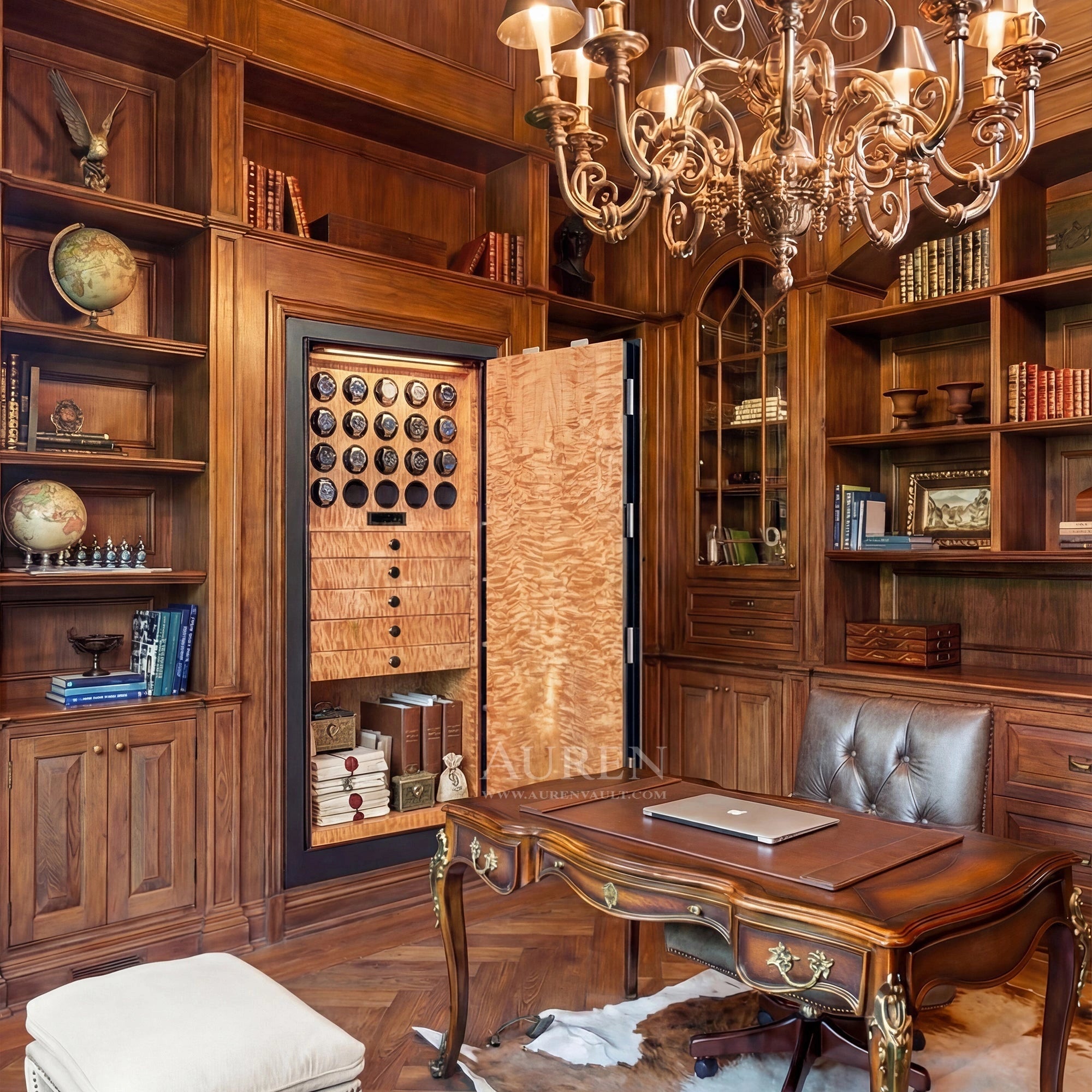
A watch winder safe integrates automatic winding modules inside a reinforced safe. This allows watches to remain both secure and operational while stored.
Collectors exploring these solutions often review watch winder safes designed specifically for luxury watch collections.
Security Considerations for Valuable Watches
Luxury watches such as those produced by Patek Philippe often represent significant financial and sentimental value.
Because watches are portable luxury assets, secure storage becomes increasingly important as collections grow.
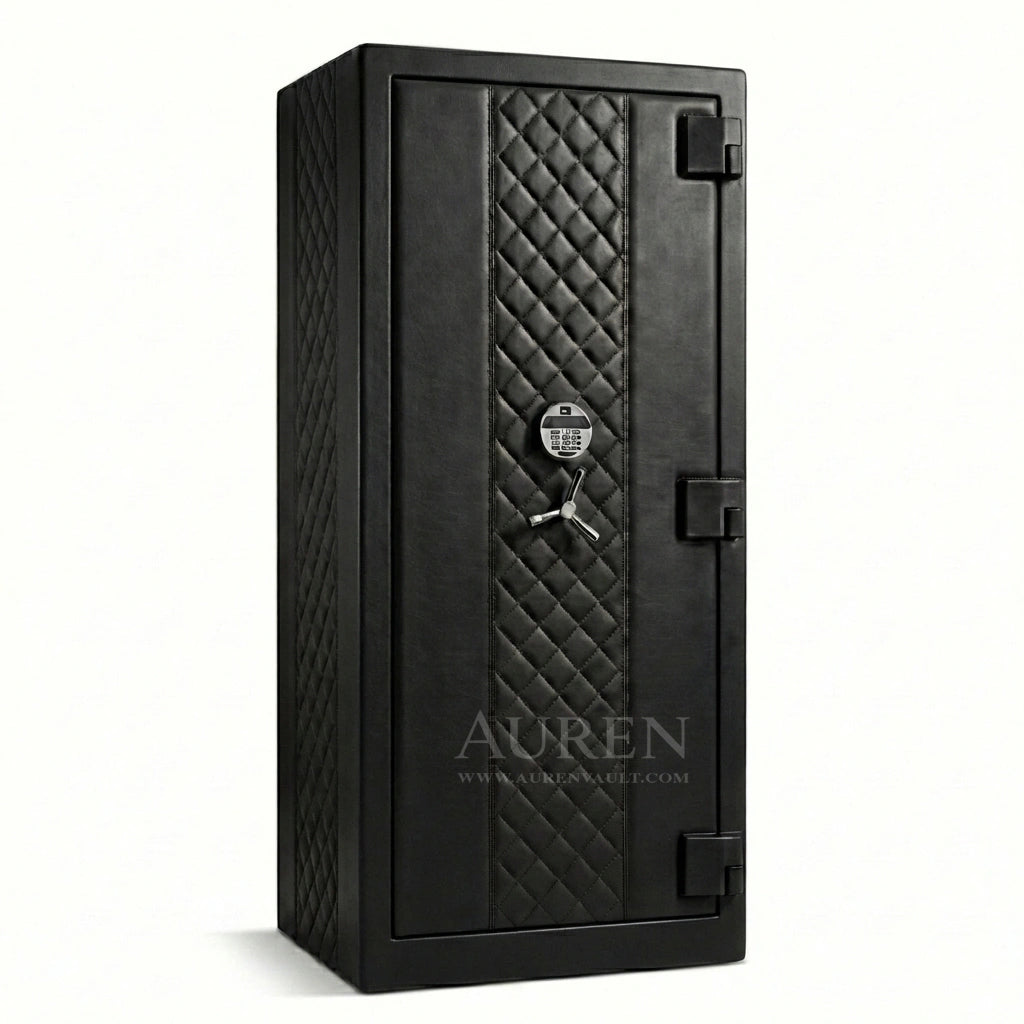
High-end watch safes are designed with reinforced construction and complex locking systems. Some safes are tested under European burglary resistance standards such as Grade G1 or Grade G3, which evaluate how long a safe can resist forced entry attempts.
Collectors researching secure storage often begin by understanding what a watch safe is and how specialized safes protect luxury watch collections.
Fire Protection for Watch Storage
In addition to burglary protection, many watch safes incorporate fire-resistant insulation.
Certain safes are tested under European fire resistance standards such as:
- EN 15659 – LFS 30 P
- EN 15659 – LFS 60 P
These certifications evaluate whether the safe maintains safe internal temperatures during fire exposure.
For collectors storing valuable watches at home, combining watch winding systems with fire-resistant storage can provide an additional layer of protection.
Real-World Storage Practices Among Collectors
Many collectors store their watches inside walk-in closets, dressing rooms, or private offices, where safes remain discreet and accessible.
Floor-standing watch safes often weigh 150–650 kg, which helps increase resistance against removal attempts.
These safes can serve as both security systems and organized storage environments for watch collections.
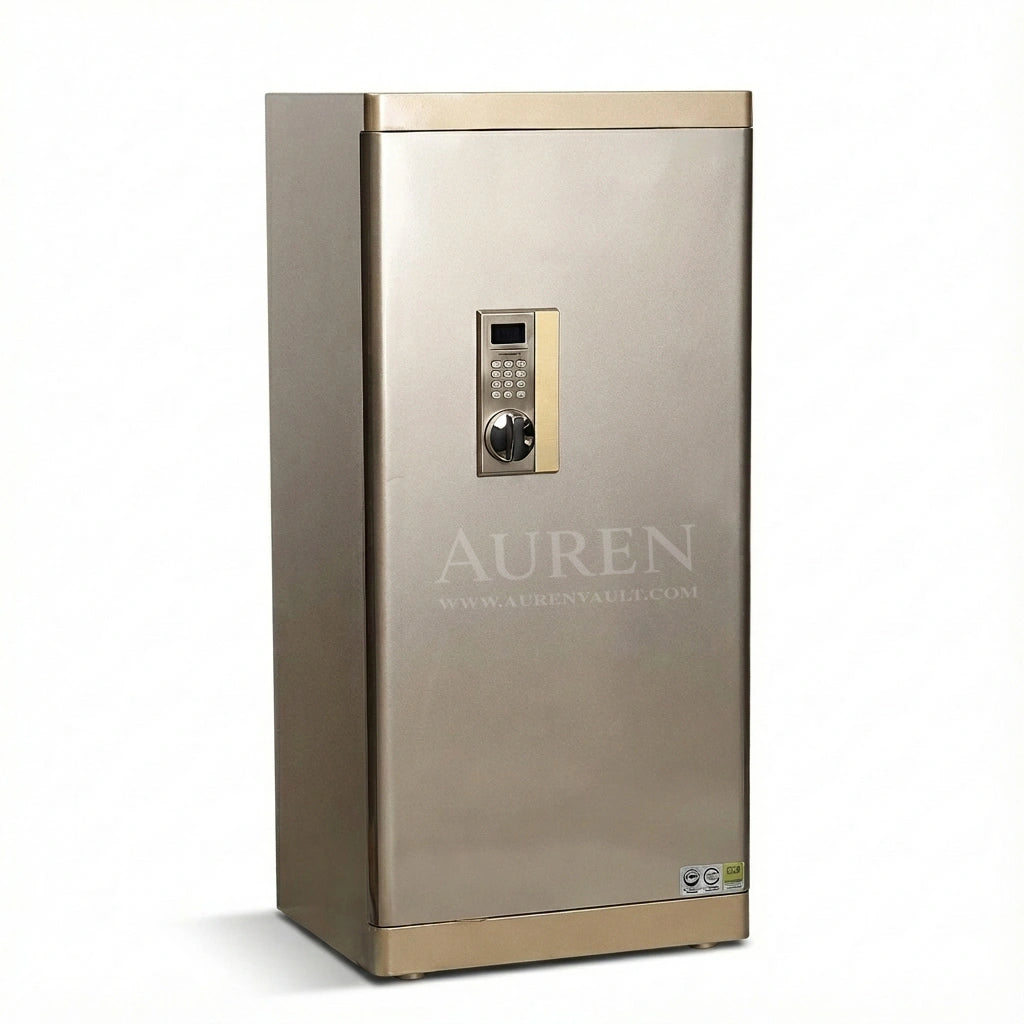
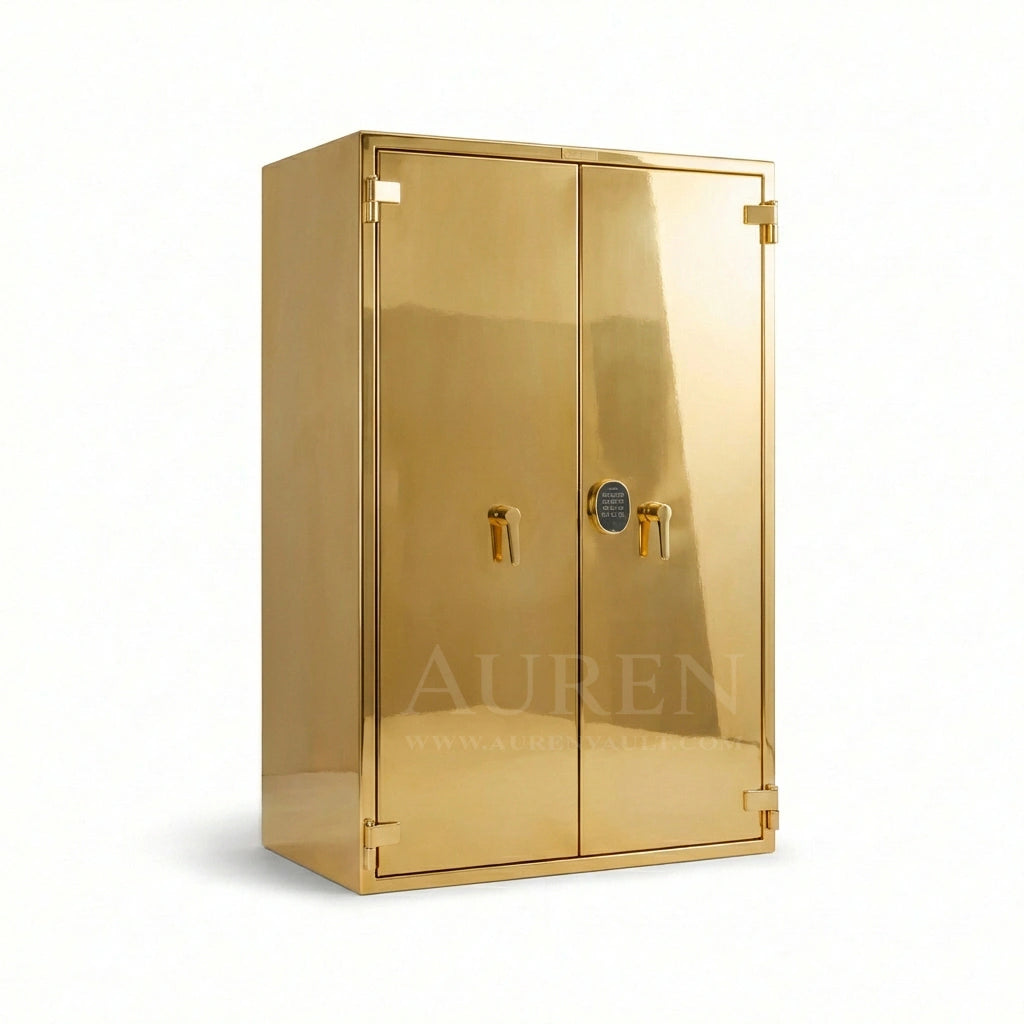
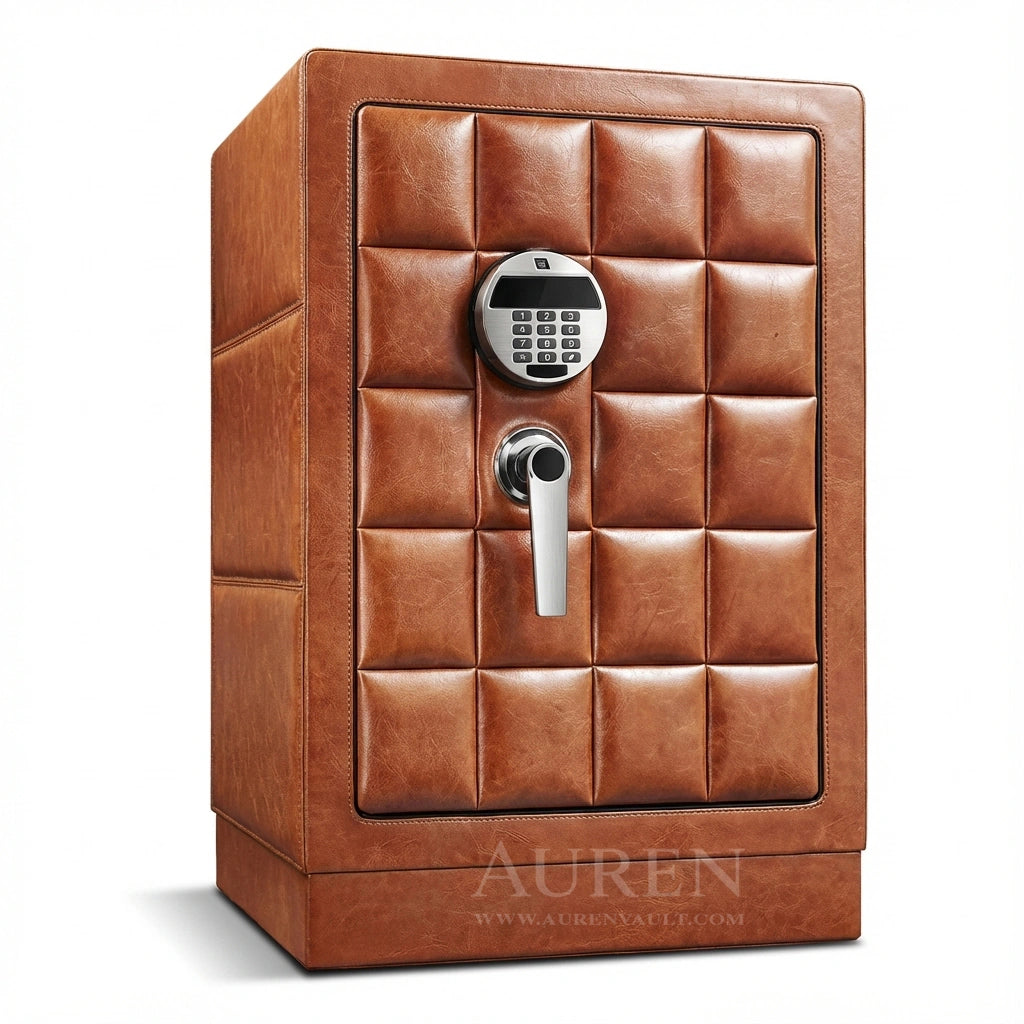
Certain manufacturers, including Auren, design watch winder safes specifically for collectors who want to combine automatic watch winding with secure luxury watch storage.
Conclusion
Patek Philippe automatic watches rely on rotor-based movements that are designed to wind naturally through wrist motion.
When these watches are not worn regularly, watch winders help maintain their power reserve by simulating daily wrist movement.
Most Patek Philippe automatic watches perform well with 650–800 Turns Per Day and bidirectional rotation, although collectors may adjust settings depending on the specific model.
For collectors with multiple automatic watches, combining watch winders with secure storage solutions provides both convenience and protection for valuable watch collections.