


The best watch winder for Oris watches is a programmable unit that matches the exact calibre's winding direction, turns per day (TPD), and operating schedule.
Oris makes this distinction especially important. For its automatic Calibre 400, 401, and 403 movements, the manufacturer officially recommends 2,400 TPD counterclockwise, with 10 hours of winding followed by 14 hours of rest. This differs substantially from the approximately 650 TPD bidirectional programs commonly recommended by independent databases for older movements such as Oris 733.
Not every Oris benefits from automatic winding. The Big Crown Pointer Date Calibre 473 is manually wound, as is the 10-day ProPilot X Calibre 115.
A watch winder is optional for a regularly worn automatic Oris, especially one with a five-day power reserve. However, it can be convenient for collectors who rotate several watches.
The right choice combines calibre-specific programming, a secure watch holder, reliable operation, and storage appropriate to the collection.
Oris Watch Winders: Why One Brand Can Require Very Different Settings
Imagine an owner with two Oris watches: an Aquis Date Calibre 400 and a Divers Sixty-Five equipped with Oris 733.
Both are automatic Swiss watches. Both receive winding energy through movement of the wrist. Both can potentially benefit from an external watch winder.
Yet their recommended winding programs are significantly different.
Oris officially recommends 2,400 TPD counterclockwise for Calibre 400, with a defined operating and resting schedule.
For the older Oris 733, independent winding references commonly recommend approximately 650 TPD with bidirectional rotation.
The difference is substantial enough that using one fixed program for both watches would be inappropriate.
This is why a brand-wide statement such as "all Oris watches need 650 TPD" is misleading.
Oris develops its own modern movements while also producing watches with established Swiss automatic calibres adapted to its specifications.
Different winding systems have different mechanical requirements.
For owners, this makes movement identification the most important first step in choosing a watch winder.
Which Oris Watches Can Use a Watch Winder?
Oris produces both automatic and manually wound mechanical watches.
Many models within the Aquis, Divers, Big Crown, and ProPilot families are automatic, but not every reference uses the same movement.
The following comparison illustrates the differences.
Oris Watch Winder Compatibility Guide
| Oris watch or movement | Calibre | Winding type | Power reserve | Winder suitable? |
|---|---|---|---|---|
| Aquis Date Calibre 400 | 400 | Automatic | 120 hours | Yes |
| ProPilot X Calibre 400 | 400 | Automatic | 120 hours | Yes |
| Calibre 401 models | 401 | Automatic | 120 hours | Yes |
| Big Crown Pointer Date Calibre 403 | 403 | Automatic | 120 hours | Yes |
| Divers Sixty-Five, ref. 01 733 7720 | 733 | Automatic | 38 hours | Yes |
| Big Crown Pointer Date, ref. 01 754 7741 | 754 | Automatic | 38 hours | Yes |
| Big Crown Pointer Date Calibre 473 | 473 | Hand-wound | 120 hours | No |
| ProPilot X Calibre 115 | 115 | Hand-wound | 240 hours | No |
Power reserves refer to the representative movements and references shown. Certain Oris models and production generations have different movement specifications. Confirm the full reference before programming a winder.
The most significant distinction is between the Calibre 400 automatic family and Oris' earlier automatic movements.
The five-day power reserve of Calibre 400 also changes how often its owner may actually need a watch winder.
The Most Important Setting: Oris Calibre 400 at 2,400 TPD
Oris' official watch winder guidance is unusually specific.
In its Help Center article dated December 8, 2025, Oris published recommendations for Calibre 400, 401, and 403.
The settings are:
| Parameter | Official Oris recommendation |
|---|---|
| Applicable calibres | 400, 401, 403 |
| Winding direction | Counterclockwise |
| Turns per day | 2,400 TPD |
| Winding duration | 10 hours |
| Resting duration | 14 hours |
Source: Oris Official Help Center – Calibre 400 Watch Winder Settings
This is an important exception to the general watch winder recommendations found online.
Some third-party databases continue to list approximately 650 TPD bidirectional for the Aquis Date Calibre 400.
That entry does not match the manufacturer's more specific published instructions.
For an owner of Calibre 400, 401, or 403, Oris' direct recommendation is the stronger source.
Why Does Calibre 400 Need a Different Program?
Oris developed Calibre 400 around a new automatic movement architecture.
Its principal features include a five-day power reserve, twin mainspring barrels, enhanced resistance to magnetism, and a simplified rotor-bearing system.
Oris also describes its automatic winding system as winding through counterclockwise rotor motion.
These characteristics distinguish it from many conventional automatic movements found in earlier Oris watches.
However, the specific 2,400 TPD value should not be derived from the power reserve or rotor construction alone.
It is the program published by Oris for this movement family.
That distinction matters because a five-day reserve does not automatically mean a watch needs 2,400 external rotations every day.
Different movements with similar reserves may have different winding efficiencies and operating requirements.
Why the 10-Hour / 14-Hour Schedule Matters
The manufacturer's recommendation includes more than a TPD number.
Oris specifies a 10-hour winding phase followed by 14 hours of rest.
This makes the operating schedule part of the intended program.
A winder that displays 2,400 TPD but distributes rotations differently may not reproduce the manufacturer's recommended cycle exactly.
Consequently, collectors should consider whether their device supports programmable operating and resting intervals.
A unit with independent direction, rotation count, and scheduling controls offers greater flexibility than one with only several fixed presets.
If a winder cannot reproduce the specified program, the owner should consult Oris or the device manufacturer rather than assume an unrelated 650 TPD preset is equivalent.
Why Older Oris Winder Figures Can Be Confusing
Oris also publishes guidance explaining how a fully depleted Calibre 400 movement can be wound through its automatic winding system.
That information includes figures relating to restoring the movement's full power reserve from a stopped condition.
Those figures address a different question from maintaining a running watch through a daily winder program.
Fully winding a stopped movement and maintaining an existing power reserve are not identical tasks.
For everyday winder setup, the December 2025 manufacturer guidance for Calibre 400, 401, and 403 provides the more directly applicable operating schedule.
Aquis Date: Calibre 400 vs. Oris 733
The Aquis collection illustrates why two watches with similar appearances may require different winding programs.
Aquis Date models have been produced with movements from the Oris 733 family as well as the newer Calibre 400 architecture.
Both are automatic.
Their power reserves and external winding recommendations, however, are markedly different.
Aquis Date Calibre 400
The Aquis Date Calibre 400 uses Oris' in-house-developed automatic movement.
Representative 41.5 mm and 43.5 mm references provide approximately 120 hours of power reserve.
The watch retains the familiar Aquis diving-watch construction, including its rotating bezel and integrated bracelet or strap configuration.
For a compatible watch winder, the relevant official settings are the Calibre 400 program: 2,400 TPD counterclockwise, with the manufacturer's specified winding and resting schedule.
The winder should also provide sufficient case clearance and a holder suited to the watch's integrated strap or bracelet.
Earlier Aquis Date Movements
Many earlier Aquis Date references use Oris 733, an automatic movement with approximately 38 hours of power reserve in representative versions.
Independent winding references commonly list approximately 650 TPD with bidirectional rotation for this calibre.
That is a much more conventional watch winder program.
It should not be copied to an Aquis Date Calibre 400 merely because the two watches share the same collection name.
The Aquis case design does not determine TPD.
The movement does.
What If Your Aquis Has a Different Calibre?
The Aquis family also includes GMT, chronograph, and other configurations with different movement designations.
An owner should check the complete reference on the watch's documentation or the manufacturer's product specifications.
A chronograph or GMT complication does not automatically establish a particular TPD setting.
The correct program depends on the actual movement's winding mechanism.
This becomes especially important when older Oris chronograph calibres are compared with the Calibre 400 family.
Big Crown Pointer Date: Three Very Different Winding Situations
The Big Crown Pointer Date is one of Oris' most recognizable designs.
Its oversized crown and central pointer-date hand trace their origins to aviation-inspired watches introduced decades ago.
Today, the collection provides a particularly useful example of how visually similar watches can require completely different approaches to winding.
Consider three movements: Oris 754, Calibre 403, and Calibre 473.
Big Crown Pointer Date With Oris 754
Representative Big Crown Pointer Date references use Oris 754.
Oris specifies automatic winding and approximately 38 hours of power reserve.
These watches can benefit from a suitable automatic winder, particularly when worn only occasionally.
Because the reserve is relatively short, the watch may stop after a weekend away from the wrist.
However, the 754 should not automatically be assigned the same program as Calibre 403.
A movement-specific direction and TPD recommendation should be verified before extended use.
Big Crown Pointer Date Calibre 403
Calibre 403 belongs to Oris' modern Calibre 400 family.
It features automatic winding, a central pointer-date indication, subsidiary seconds, and approximately 120 hours of power reserve.
Oris explicitly includes Calibre 403 in its official 2,400 TPD counterclockwise guidance.
This is a clear example of a traditional-looking watch requiring a different winding program from an older reference.
The appearance of the Big Crown case does not reveal the movement's external winding requirement.
Big Crown Pointer Date Calibre 473
The Calibre 473 is different again.
It is a manually wound movement with approximately 120 hours of power reserve.
Although it belongs to Oris' modern movement development program, it does not contain the automatic winding mechanism required for a conventional rotating watch winder.
Oris provides a power reserve indicator on the movement side, allowing the owner to monitor its remaining energy.
The movement must be wound manually according to Oris' instructions.
The fact that Calibre 473 shares a five-day power reserve with Calibre 403 does not mean it can use the same winding equipment.
Calibre 403 is automatic. Calibre 473 is hand-wound.
This is one of the most important distinctions for Big Crown Pointer Date owners.
Divers Sixty-Five: Retro Design, Modern Winding Choices
The Divers Sixty-Five collection draws inspiration from Oris' historical dive watches.
Its vintage-influenced aesthetic can sometimes conceal substantial differences in movement architecture.
A Divers Sixty-Five with Oris 733 typically has a much shorter power reserve than a newer reference powered by Calibre 400.
Both are automatic, but their recommended winding programs should not be treated as identical.
Divers Sixty-Five With Oris 733
Representative Divers Sixty-Five references use the automatic Oris 733 with approximately 38 hours of power reserve.
For an owner who alternates between several watches, this shorter reserve can make a winder convenient.
Independent databases commonly recommend around 650 TPD with bidirectional rotation for the 733.
That provides a useful starting point, subject to confirmation for the exact movement and winding device.
Divers Sixty-Five Calibre 400
Selected Divers Sixty-Five references use the modern five-day Calibre 400.
These watches benefit from the same extended power reserve and automatic architecture as other Calibre 400 models.
For the applicable movement, Oris' official external winding program takes precedence over generic Divers Sixty-Five recommendations.
The choice of winder should therefore be guided by the movement designation, not simply by the watch's retro design.
ProPilot X: Automatic Calibre 400 or Hand-Wound Calibre 115?
The ProPilot X collection introduces another important distinction.
Oris has produced ProPilot X watches containing its modern Calibre 400 automatic movement, alongside the highly architectural ProPilot X Calibre 115.
Their winding requirements are fundamentally different.
ProPilot X Calibre 400
The ProPilot X Calibre 400 features a 39 mm titanium case and an automatic movement with approximately 120 hours of reserve.
The watch's lightweight titanium bracelet and contemporary case construction make physical support particularly relevant.
A compatible winder should provide the official Calibre 400 program and an appropriate holder for the bracelet.
A five-day reserve already allows the watch to remain running during substantial periods of non-use.
For many owners, a winder is therefore optional rather than essential.
ProPilot X Calibre 115
The ProPilot X Calibre 115 uses a skeletonized, manually wound movement.
Oris specifies approximately 240 hours of power reserve—ten days.
The movement also includes a non-linear power reserve indicator.
Despite its sophisticated construction and extended reserve, it cannot be wound by a conventional automatic watch winder.
The owner must wind it manually.
For collectors, this is a useful reminder that power reserve and automatic winding compatibility are separate characteristics.
A ten-day hand-wound watch does not benefit from an external rotating winder simply because it operates longer than most automatic movements.
Oris TPD Settings: Official Guidance vs. Independent Databases
Oris is a particularly good example of why winding charts require careful interpretation.
Some independent reference tables list 650 TPD bidirectional for almost every Oris model, including those containing Calibre 400.
However, this broad recommendation conflicts with the manufacturer's specific program for Calibre 400, 401, and 403.
Older Oris movements also show considerable variation.
Oris Watch Winder Settings Reference Table
| Calibre | TPD | External direction | Source status |
|---|---|---|---|
| 400 | 2,400 | Counterclockwise | Official Oris guidance |
| 401 | 2,400 | Counterclockwise | Official Oris guidance |
| 403 | 2,400 | Counterclockwise | Official Oris guidance |
| 733 | Approximately 650 | Bidirectional | Independent database |
| 734 | Approximately 650 | Bidirectional | Independent database |
| 754 | Verify specifically | Verify specifically | No confirmed official program in this guide |
| 672–680 historical chronographs | Approximately 800 | Clockwise | Independent database |
| 690 historical Worldtimer | Approximately 650 | Bidirectional | Independent database |
| 473 | Not applicable | Not applicable | Hand-wound |
| 115 | Not applicable | Not applicable | Hand-wound |
The 2,400 TPD program applies specifically to Calibre 400, 401, and 403 under Oris' published instructions. Other values are independent references rather than official Oris prescriptions.
Why a Generic 650 TPD Setting Can Be Misleading
A broad database may group watches by collection rather than exact calibre.
For example, an entry labeled "Aquis Date" may describe an older model with Oris 733.
A different entry labeled "Aquis Date Calibre 400" should reflect the newer movement, but not every third-party chart incorporates the latest manufacturer guidance.
This is why the exact calibre is more useful than the product family.
For a Calibre 400 owner, selecting 650 TPD bidirectional solely because it appears in a generic Oris table would ignore the manufacturer's direct recommendation.
For an Oris 733 owner, applying 2,400 TPD counterclockwise would be equally inappropriate without a specific technical justification.
The correct approach is to match the program to the movement.
Why Counterclockwise Needs Careful Interpretation
External watch winder direction describes the rotation of the watch within the device.
The internal rotor's winding direction refers to the relative movement of the oscillating weight inside the calibre.
These descriptions are related but not interchangeable.
Clockwise and counterclockwise can also depend on the viewing convention used by the winder manufacturer.
Oris' published Calibre 400 guidance specifies counterclockwise rotation but does not define a viewing side in that Help Center entry.
For a device with ambiguous direction labeling, owners should confirm how its manufacturer defines clockwise and counterclockwise operation.
That is preferable to assuming all winders use identical conventions.
A Better Way to Read TPD Tables
A winding specification should ideally identify the movement, rotation direction, daily turns, and any operating or resting schedule.
A number without direction is incomplete.
A direction without a movement designation may be misleading.
And a complete program from one calibre should not automatically be transferred to another.
For broader background on these concepts, the watch TPD guide introduces how daily rotation programs are evaluated.
When an official Oris setting exists, however, it should remain the primary reference.
Do You Really Need a Winder for an Oris Calibre 400?
The five-day power reserve of Calibre 400 changes the practical case for owning a watch winder.
A fully wound watch can continue operating for approximately 120 hours without additional winding.
This provides considerable flexibility for an owner who alternates between a few watches.
Consider someone who wears an Aquis Date Calibre 400 from Monday through Friday and then changes watches for the weekend.
If the Aquis is sufficiently wound when removed, its reserve may comfortably cover the weekend.
In that situation, purchasing a dedicated winder may offer limited additional convenience.
Now consider an owner who wears an Aquis Date Calibre 400 only once every two weeks.
The movement may stop between wears, requiring time and date adjustment.
A compatible winder can help keep the watch ready.
The best choice depends on wearing frequency rather than the assumption that every automatic movement must remain running continuously.
A Shorter-Reserve Oris May Benefit More
An Oris 733-powered Divers Sixty-Five with a 38-hour reserve may stop considerably sooner than a Calibre 400 model.
For someone who rotates several watches, this can make a winder more convenient.
However, a shorter reserve does not automatically mean more TPD is required.
It simply means the movement has less stored energy available during periods of non-use.
The proper winding program must still be determined separately.
How to Set Up an Oris Watch Winder Correctly
The first step is identifying the exact movement.
For Calibre 400, 401, or 403, consult the official Oris program rather than selecting a generic automatic preset.
For older Oris movements, use verified calibre-specific information.
If the automatic watch has stopped, Oris recommends restarting it through manual winding according to the relevant operating instructions.
The manufacturer's Calibre 400 Help Center also explains that starting the movement and bringing it to its full five-day reserve are separate processes.
After the watch is running, position it securely on a suitable cushion and program the external device.
The essential checks are straightforward:
-
Confirm the watch reference and calibre.
-
Select the correct TPD, direction, and run/rest schedule.
-
Ensure the crown is correctly secured and the watch fits the holder.
-
Observe whether the movement maintains its reserve during the normal wearing rotation.
If a watch repeatedly stops despite an appropriate setup, investigate the winder's actual operation and the movement's condition.
Increasing the rotation count indiscriminately is not a substitute for identifying the problem.
What If Your Winder Does Not Support 2,400 TPD?
This is an important buying consideration.
Many standard watch winders offer preset programs designed around common daily rotation counts such as 650, 900, or 1,200 TPD.
A device limited to these settings may not reproduce Oris' official Calibre 400 program.
The same issue applies to winders that cannot select counterclockwise-only operation or provide the specified rest period.
For Calibre 400, 401, and 403, the buyer should confirm these capabilities before purchasing.
If the device cannot reproduce the manufacturer's instructions, consult Oris or the device supplier about compatibility rather than assuming a lower generic preset is an equivalent replacement.
Alternatively, the owner may decide that the watch's five-day reserve makes a winder unnecessary.
This is often a more practical decision than purchasing equipment whose winding program is unsuitable.
Watch-Holder Fit: Aquis, ProPilot and Big Crown
The electronic program is only one part of selecting a watch winder.
Oris watches differ substantially in case construction, bracelet geometry, and strap design.
A device that provides the correct rotation settings may still be unsuitable if its holder does not accommodate the watch securely.
Aquis: Integrated Bracelet and Rubber Strap
The Aquis uses an integrated bracelet or strap design closely connected to the case.
A conventional rigid cushion may be too large for a tightly adjusted bracelet or rubber strap.
A holder that is too small may allow the watch to shift during rotation.
Adjustable or interchangeable cushions provide greater flexibility.
The winder should also have sufficient depth and clearance for the Aquis case, rotating bezel, and crown guards.
This matters especially for larger Aquis and AquisPro references.
Big Crown: Leather Straps and Prominent Crowns
The Big Crown Pointer Date often features a leather strap and a relatively prominent crown.
A correctly sized cushion should support the strap without forcing it into an unnecessarily tight curve.
The crown should have adequate clearance from the sides of the winding compartment.
After setting or winding, ensure that any crown mechanism is returned to the appropriate position according to the watch's instructions.
ProPilot X: Titanium Bracelet Support
The ProPilot X Calibre 400 combines a lightweight titanium case with an integrated titanium bracelet.
Its 39 mm case may be easier to accommodate than some larger diving watches, but bracelet fit remains important.
A suitable holder should maintain stable support without excessive tension on the clasp or links.
The objective is to keep the watch secure without forcing its bracelet into an unnatural shape.
Choosing Between a Standalone Winder and a Watch Winder Safe
For one automatic Oris, a compact programmable winder may be sufficient.
For a collection containing watches with different movement architectures, individually controlled winding positions become more valuable.
The difference is especially important when a collection includes Calibre 400 models alongside older Oris 733 or historical chronograph movements.
A fixed program cannot be assumed to suit every watch.
| Collection type | Suitable approach | Main consideration |
|---|---|---|
| One frequently worn Calibre 400 | No winder or compatible programmable unit | Five-day reserve and official schedule |
| One Oris 733 automatic | Compact programmable winder | Calibre-specific TPD |
| Calibre 400 plus Oris 733 | Independently controlled winding positions | Different direction and TPD requirements |
| Automatic and hand-wound Oris collection | Winding modules plus passive storage | Correct allocation of watch positions |
| Larger valuable collection | Appropriately specified watch winder safe | Programming flexibility and security |
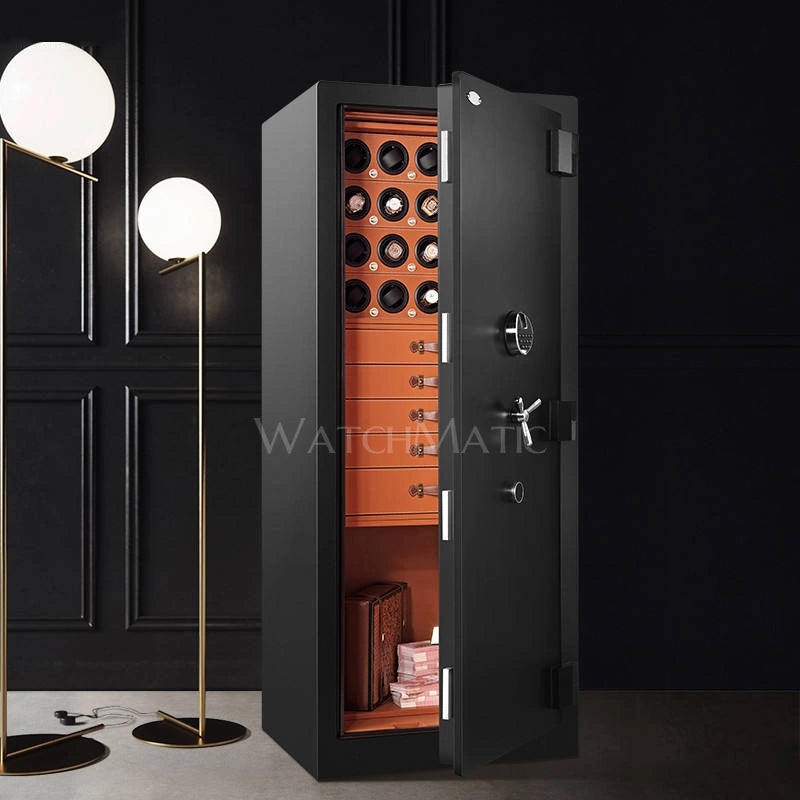
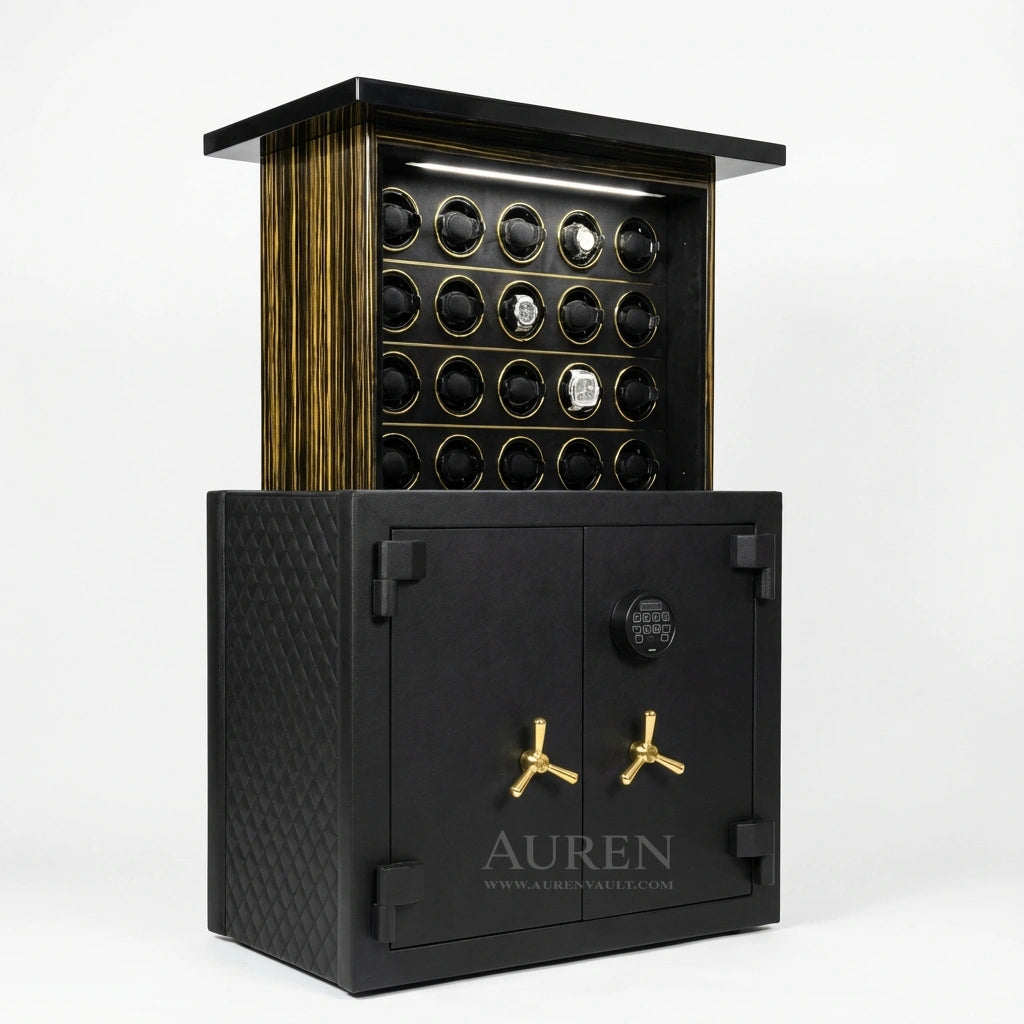
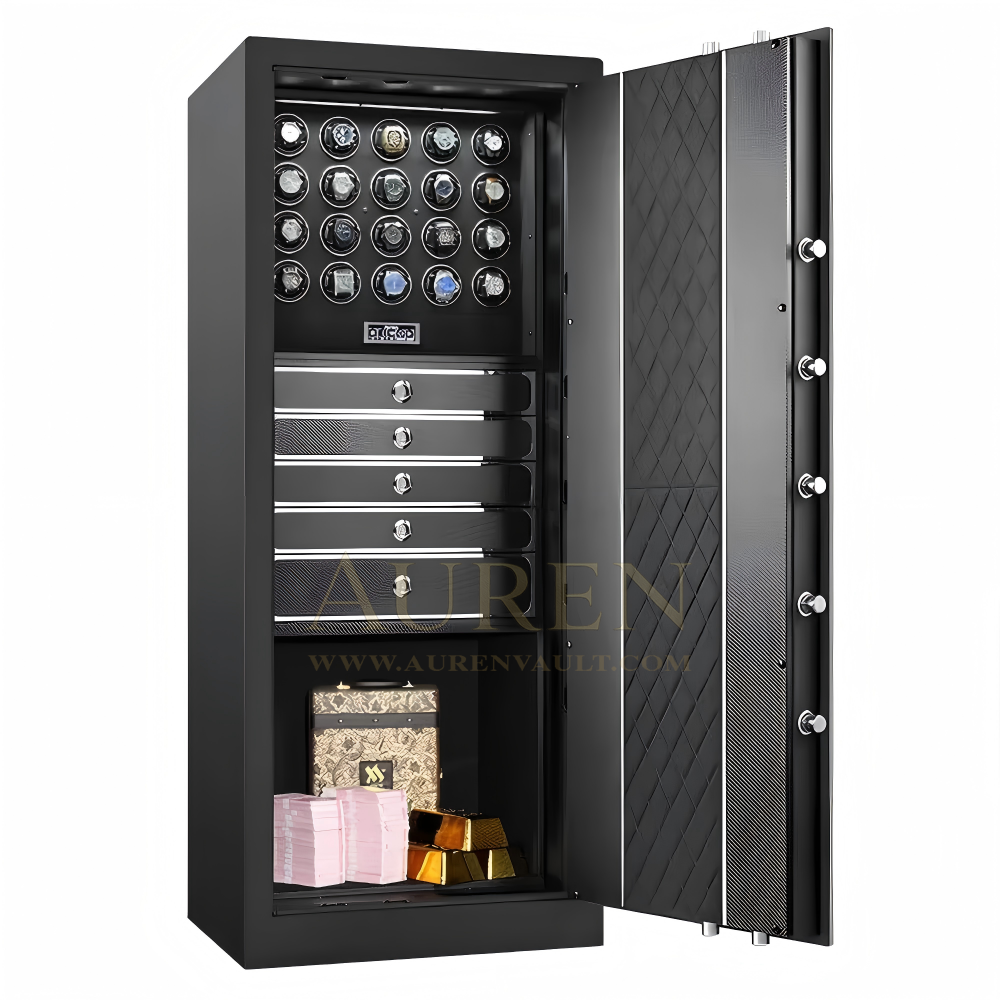
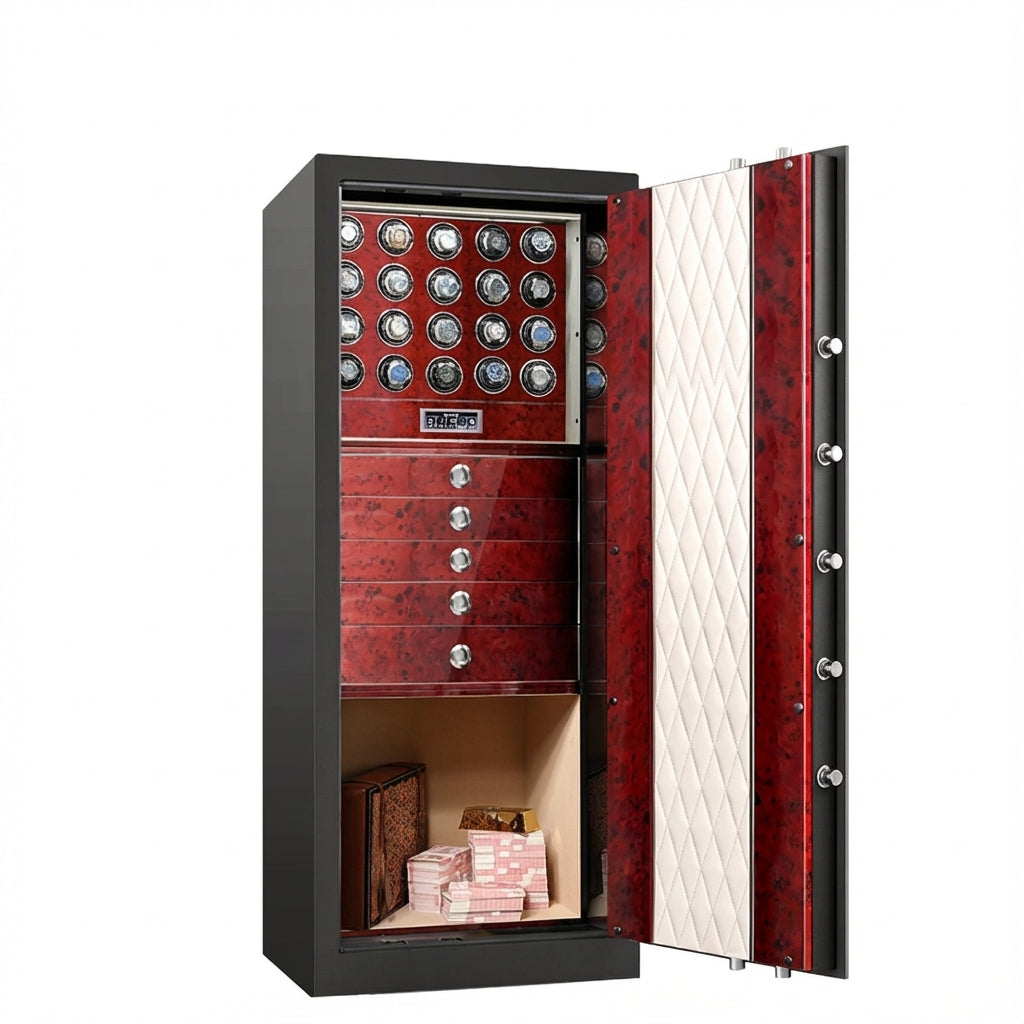
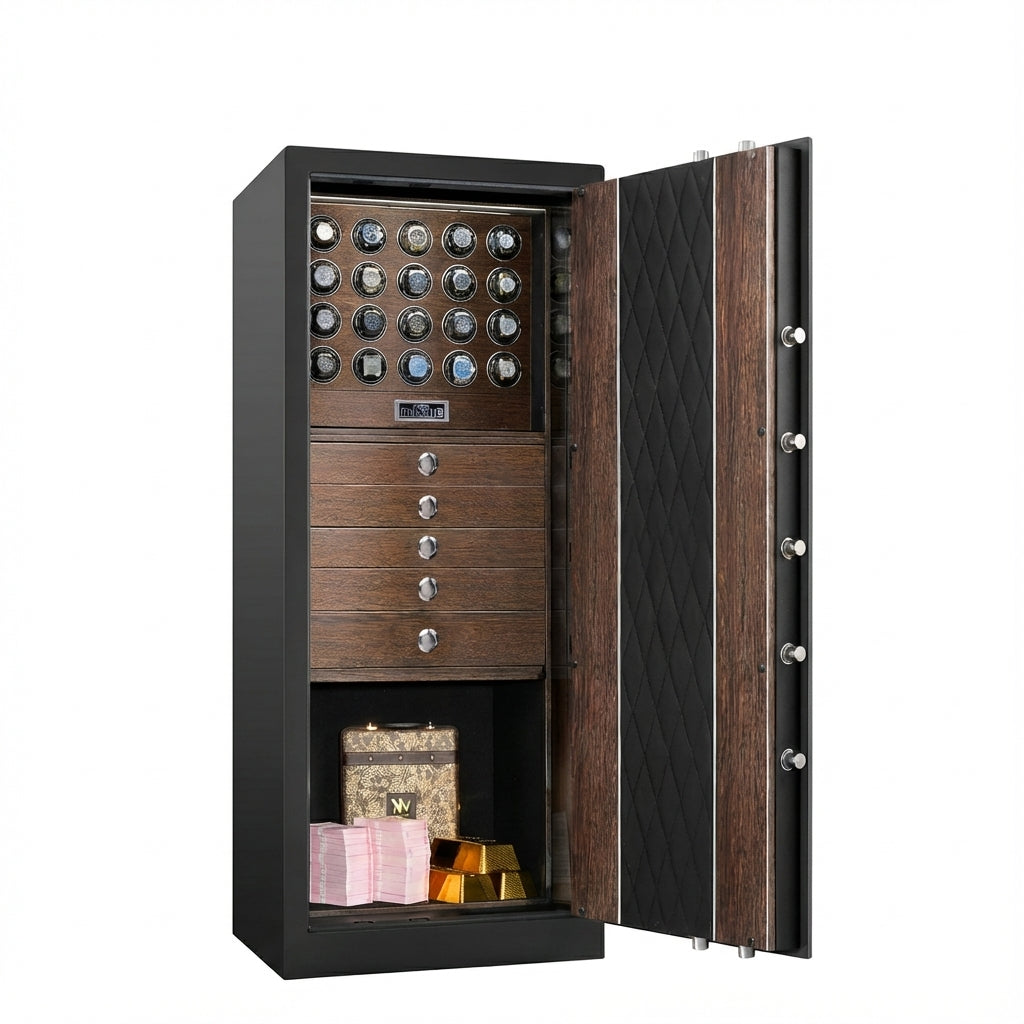
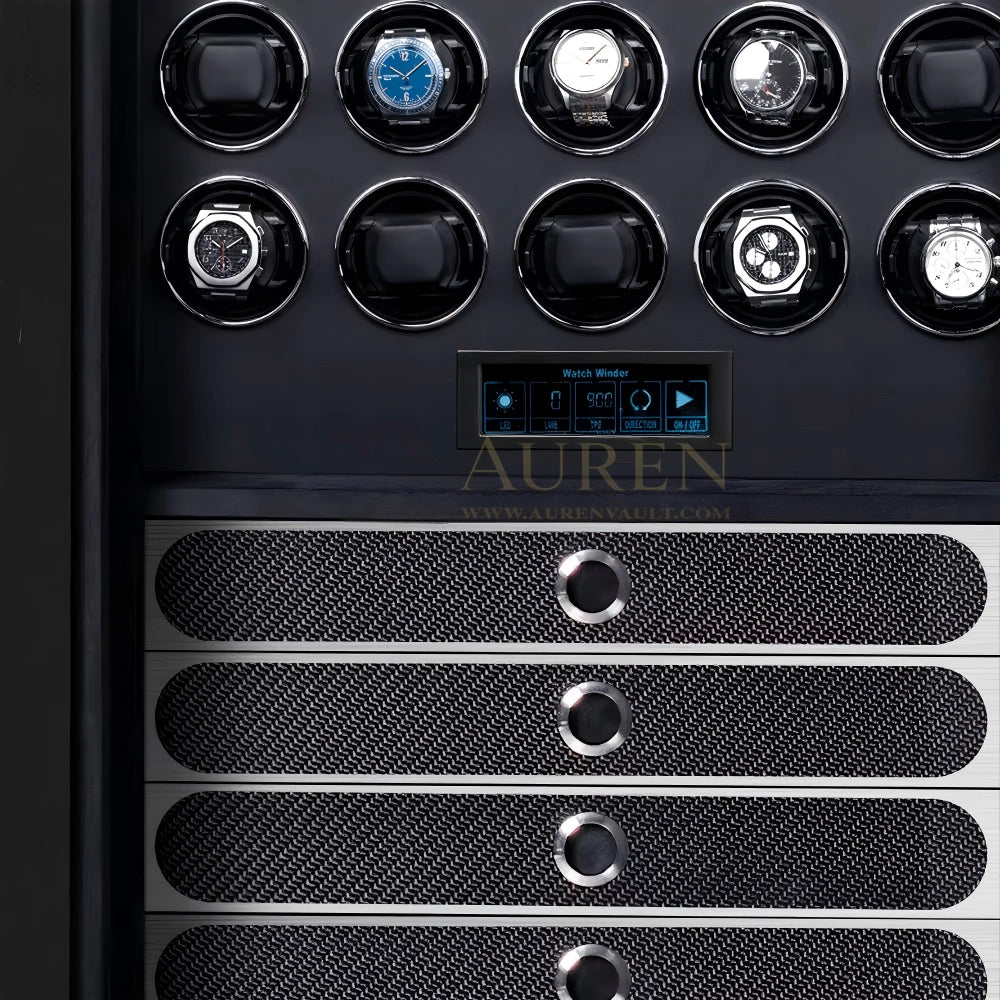
An integrated watch winder safe can combine automatic winding modules with lockable storage.
For collectors comparing this approach with separate equipment, the watch winder safe guide offers broader context for evaluating capacity, functionality, and protection.
Check the Winder Module Before Buying the Safe
A watch winder safe should not be selected solely on the number of available rotor positions.
For an owner with multiple Calibre 400 watches, the individual modules must support the required direction and scheduling capabilities.
If the integrated winders are limited to generic presets, the safe may not meet the intended automatic winding requirements.
This question should be resolved before installation.
Security must also be evaluated independently.
A lockable cabinet does not automatically establish a certified burglary-resistance or fire-protection rating.
Those capabilities depend on the safe's actual construction, testing evidence, and installation requirements.
Planning Storage for a Mixed Oris Collection
Consider a collector with an Aquis Date Calibre 400, Big Crown Pointer Date Calibre 403, Divers Sixty-Five with Oris 733, Big Crown Pointer Date Calibre 473, and ProPilot X Calibre 115.
That is a five-watch collection.
However, only three watches can benefit from an automatic winding device.
The Calibre 473 and Calibre 115 are manually wound.
An efficient arrangement could provide three independently programmable winding positions and two passive storage compartments.
The Calibre 400 and 403 modules would need to support the official Oris winding schedule.
The Oris 733 module could use a separately verified program appropriate to that movement.
For additional storage requirements, collectors can explore watch safes designed for timepiece collections.
Larger collections may benefit from high-capacity luxury watch safes, provided the selected configuration offers suitable watch supports and, where required, appropriate winding modules.
When Custom Storage Makes Sense
A mixed Oris collection can contain watches with very different dimensions.
An AquisPro has different physical requirements from a compact Big Crown Pointer Date.
A ProPilot X on a titanium bracelet may need a different cushion from a Divers Sixty-Five on leather.
Customized storage can help account for these variations through appropriate holder sizes, active winding capacity, passive compartments, and interior spacing.
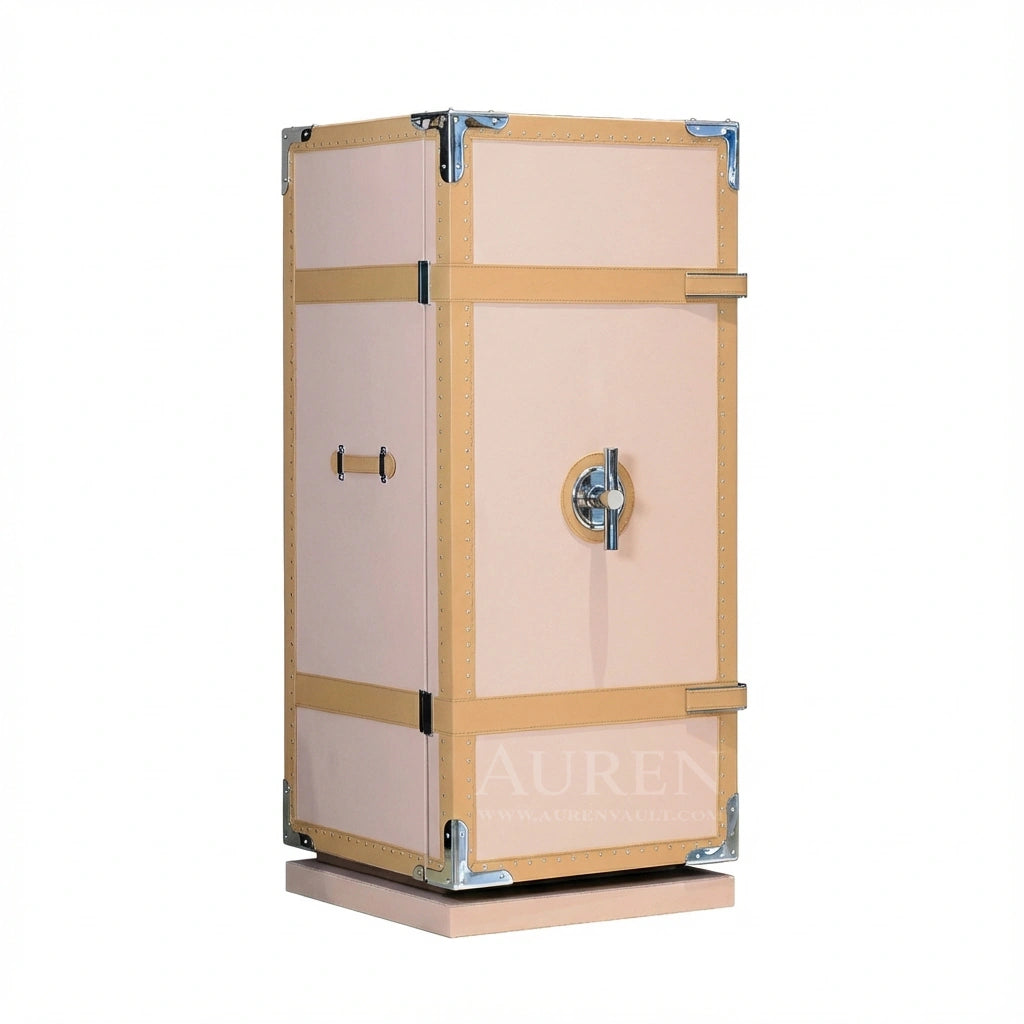
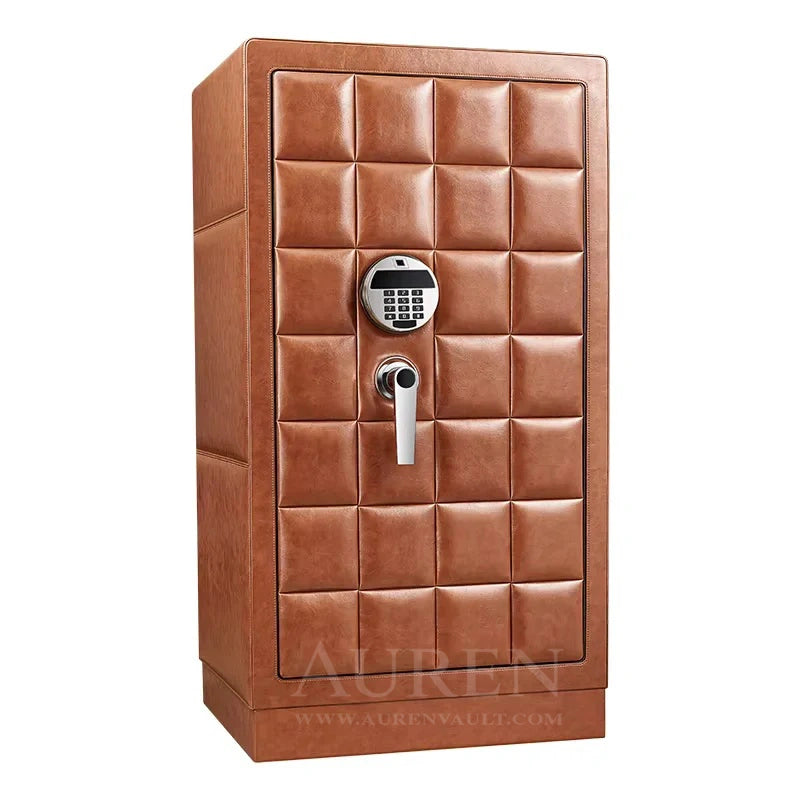
The available custom watch safe configurations provide a starting point for evaluating such requirements, subject to the selected design's technical capabilities.
For residential installations, cabinet size, electrical access, installation route, and everyday usability should also be considered.
An effective storage arrangement should make the watches easier to manage without introducing unnecessary handling.
Does a Watch Winder Improve an Oris Movement's Longevity?
A watch winder helps maintain the power reserve of a compatible automatic movement.
It does not renew lubricants, restore worn components, or replace appropriate servicing.
This distinction is especially relevant for Calibre 400.
Oris engineered the movement around a five-day reserve, improved resistance to magnetism, and extended recommended service intervals.
Those design features do not create a requirement to keep the watch running continuously.
A watch may be allowed to stop during periods of non-use, following the manufacturer's handling and maintenance instructions.
For collectors who rotate their watches frequently, a winder can reduce the inconvenience of repeated time and date setting.
For longer-term storage, appropriate environmental conditions, physical support, and protection from unnecessary handling may be more important.
The watch storage guide provides additional context for organizing and protecting valuable timepieces.
A watch winder should be selected for a practical purpose, not because every mechanical watch is assumed to require constant motion.
Frequently Asked Questions About Oris Watch Winders
What are the official Oris Calibre 400 watch winder settings?
Oris recommends 2,400 TPD counterclockwise, with 10 hours of winding followed by 14 hours of rest. The guidance explicitly applies to Calibre 400, 401, and 403.
Can I use 650 TPD bidirectional for an Oris Calibre 400?
Oris' official guidance specifies a different program. Although some third-party databases list 650 TPD bidirectional, that is not equivalent to the manufacturer's published Calibre 400 recommendation. Follow the official instructions for the applicable calibre.
What is the best watch winder setting for Oris 733?
Independent watch winder databases commonly recommend approximately 650 TPD with bidirectional rotation for Oris 733. Confirm the setting for the specific watch and device before use.
Do all Oris Aquis watches use the same settings?
No. An Aquis Date Calibre 400 and an older Aquis Date using Oris 733 have different movements and recommended programs. The collection name alone is insufficient.
Does an Oris Big Crown Pointer Date need a winder?
It depends on the calibre. The automatic Oris 754 and Calibre 403 can benefit from appropriate winders. The manually wound Calibre 473 cannot.
Can the Oris ProPilot X Calibre 115 use a watch winder?
No. Calibre 115 is manually wound and offers approximately ten days of power reserve. It does not contain the automatic winding rotor required for a conventional rotating winder.
Does a five-day Oris need to stay on a winder continuously?
No. A Calibre 400 watch can operate for approximately five days when sufficiently wound. A winder is optional and mainly useful when the watch remains unworn beyond its available reserve.
Why does Oris recommend 2,400 TPD when many other brands use 650?
The movements have different winding systems, and Oris provides a specific program for Calibre 400, 401, and 403. A generic 650 TPD recommendation for another calibre should not override the manufacturer's instructions.
What if my watch winder cannot reach 2,400 TPD?
Check whether the device offers an alternative manufacturer-supported program. If it cannot reproduce the required settings, consult Oris or the winder manufacturer before relying on it for Calibre 400. Passive storage may be a practical alternative.
Is a watch winder safe worthwhile for Oris watches?
It may be useful for a collector who wants both automatic winding and enclosed storage. The individual winding modules must support the relevant calibres, and the safe's security specifications should be evaluated separately.
Related Reading: Watch Winder Settings and Secure Storage
Oris illustrates how different movement generations can require substantially different winding programs. These related articles provide broader context for managing automatic watches from different manufacturers.
Best Watch Winder for Vacheron Constantin Watches
Explore calibre-specific winding requirements, rotation direction, and storage considerations for Vacheron Constantin automatic watches.
Best Watch Winder for Richard Mille Watches
Understand how specialized rotor systems and movement architecture influence automatic winding compatibility.
Watch Safes With Built-In Watch Winders: Are They Worth It?
Compare standalone watch winders with integrated storage systems designed for automatic watch collections.
Final Perspective: Oris Is a Strong Case for Calibre-Specific Winding
Oris demonstrates why a universal watch winder recommendation can be misleading.
The manufacturer publishes a distinctive 2,400 TPD counterclockwise program for Calibre 400, 401, and 403, while independent references recommend much lower rotation counts for several older automatic calibres.
The Big Crown Pointer Date Calibre 473 and ProPilot X Calibre 115 introduce another distinction: they are manually wound and cannot benefit from conventional automatic winding.
For an individual Oris, the correct choice begins with identifying the movement and verifying the program.
For mixed collections, independently programmable winding positions and suitable passive storage become increasingly important.
As a specialist in premium watch safes and integrated winding solutions, Auren Vault approaches these requirements through configurations intended to balance movement compatibility, collection organization, and enclosed protection.
The best watch winder for Oris is not simply the device with the most presets.
It is the one that supports the correct calibre, reproduces the required winding program, accommodates the watch securely, and makes ownership more convenient.