

The best watch winder for Vacheron Constantin watches is one that matches the movement's winding requirements, offers adjustable turns per day (TPD), supports the correct rotation direction, and holds the watch securely without putting pressure on its case or bracelet.
For many modern Vacheron Constantin automatic movements, approximately 650–800 TPD with bidirectional rotation is a practical starting range. However, settings should always be confirmed against the specific calibre rather than applied to every model.
A well-designed watch winder helps keep an automatic watch running between wears, reducing the need to reset the time, date, and complications. It is particularly useful for owners who regularly alternate between several timepieces.
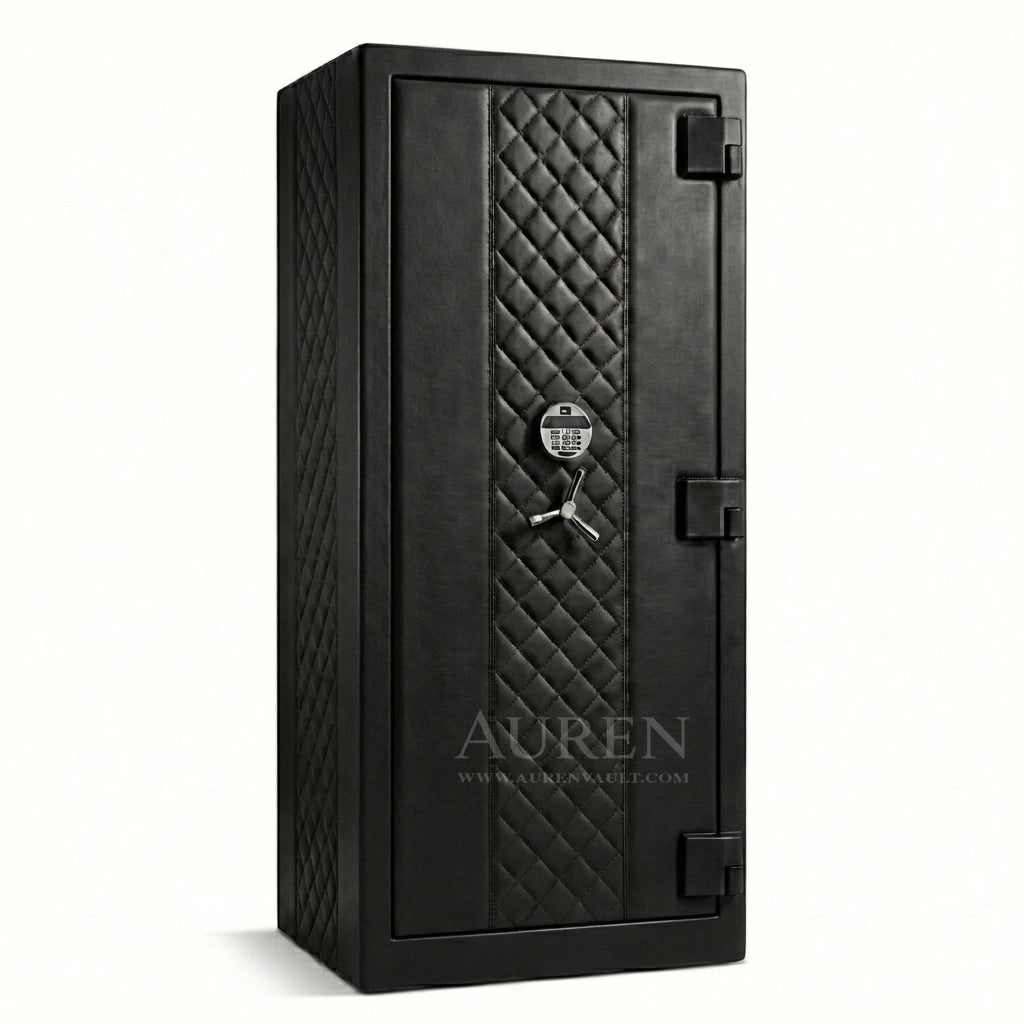
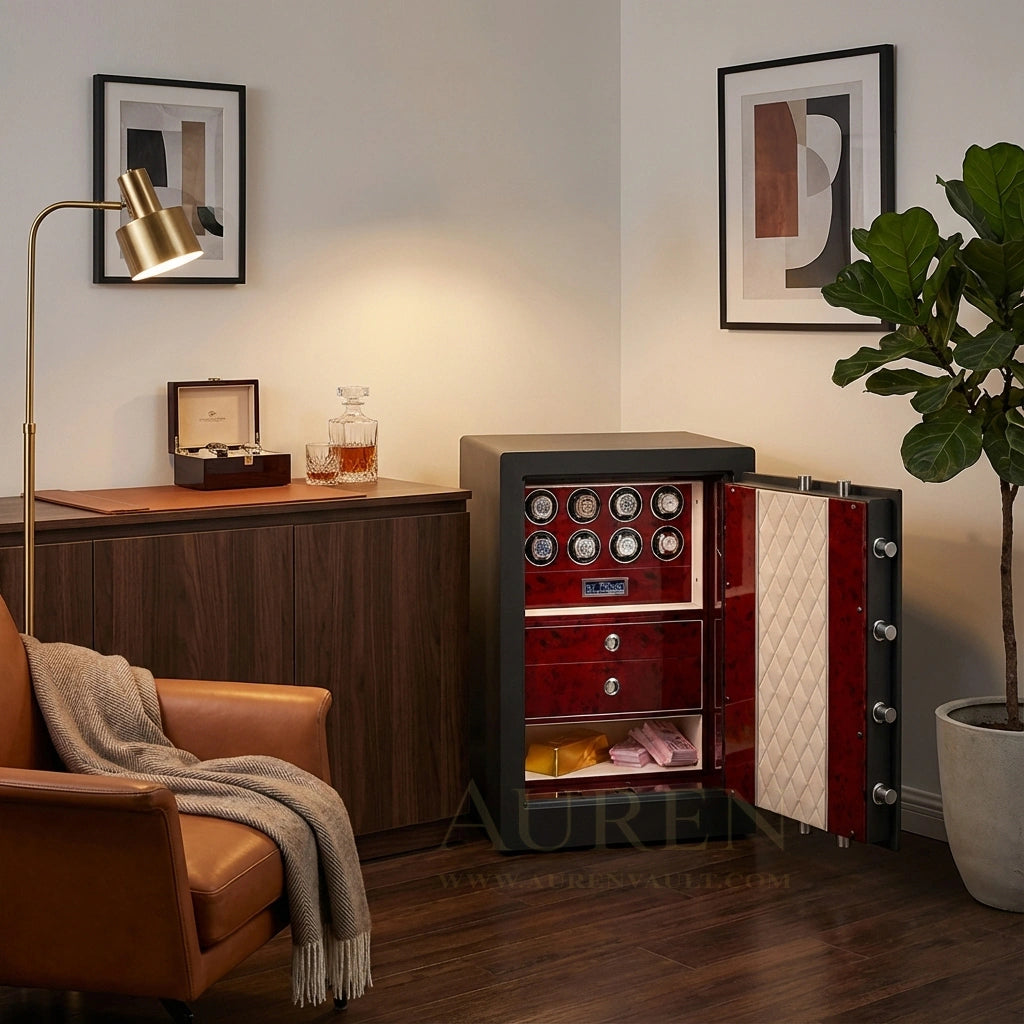
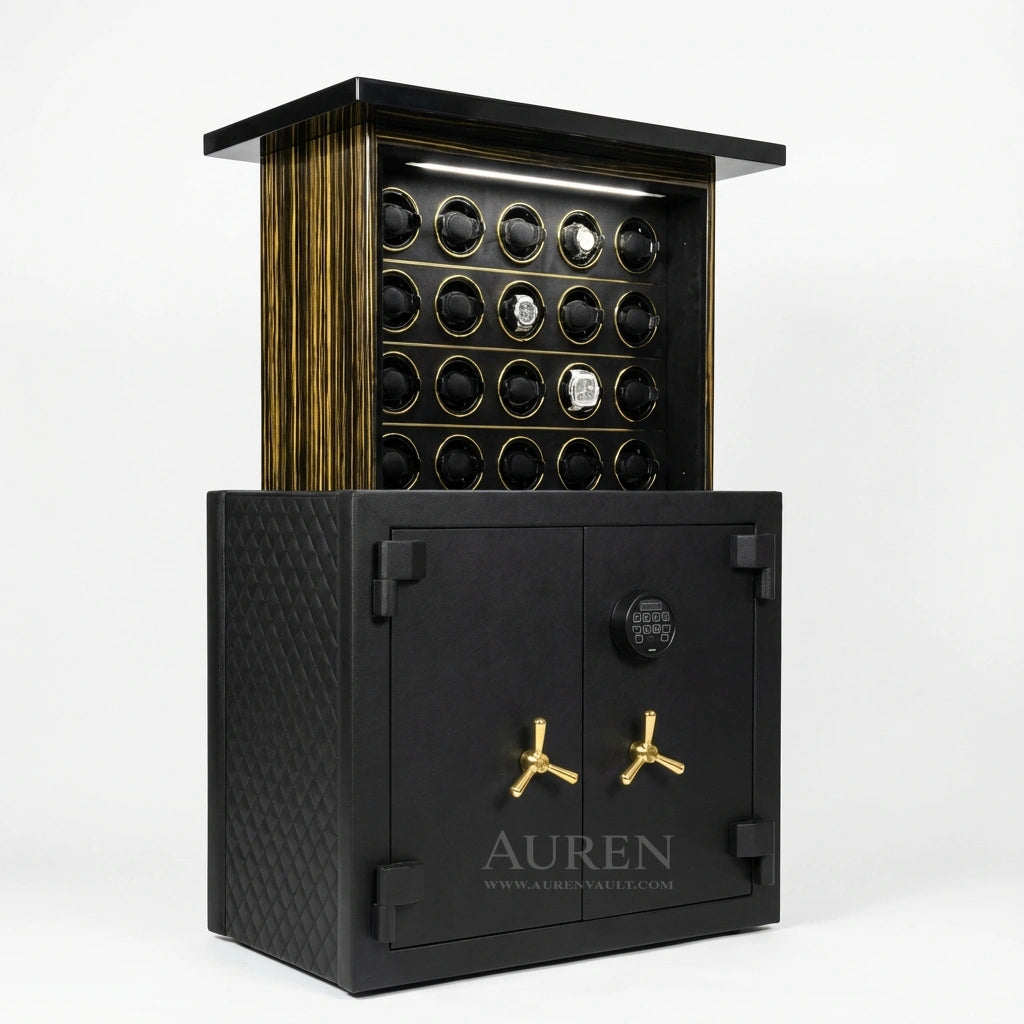
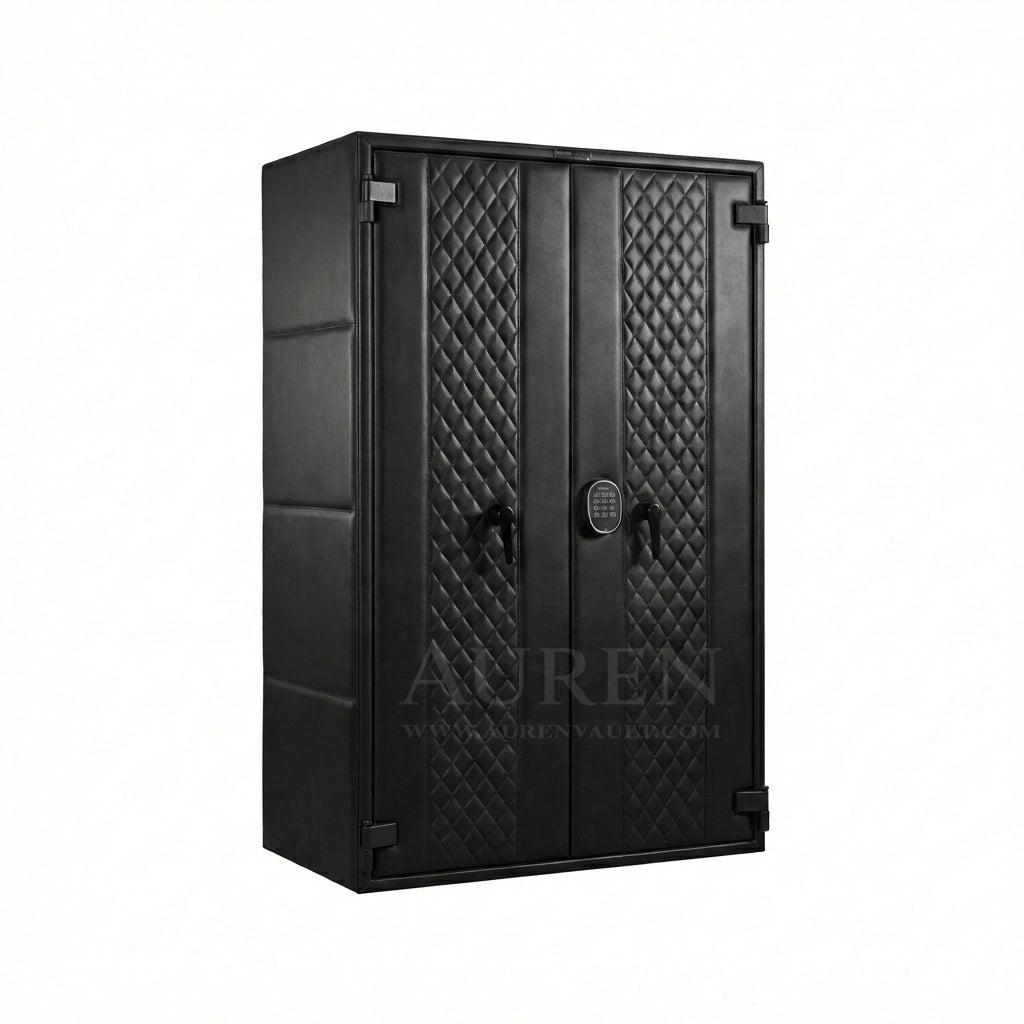
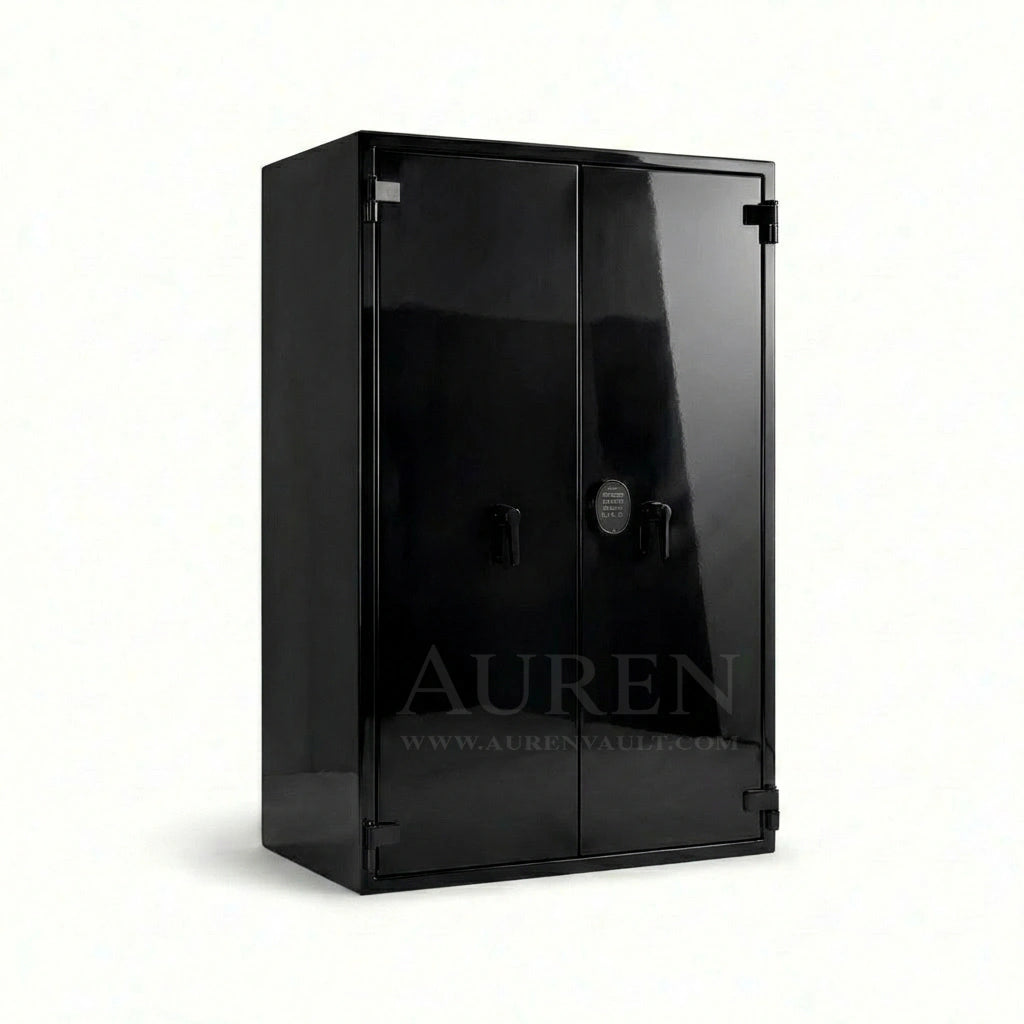
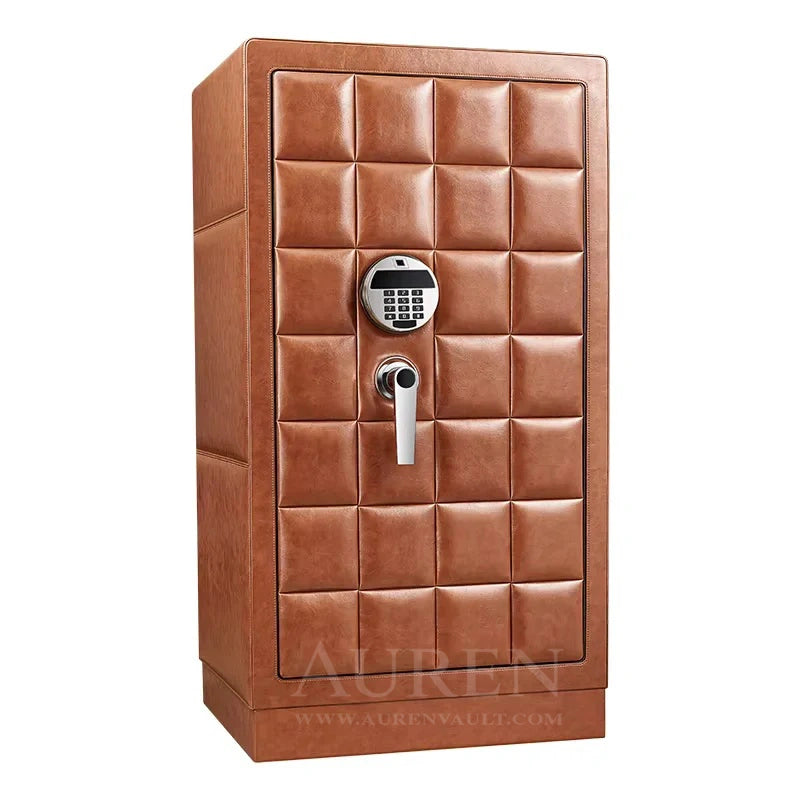
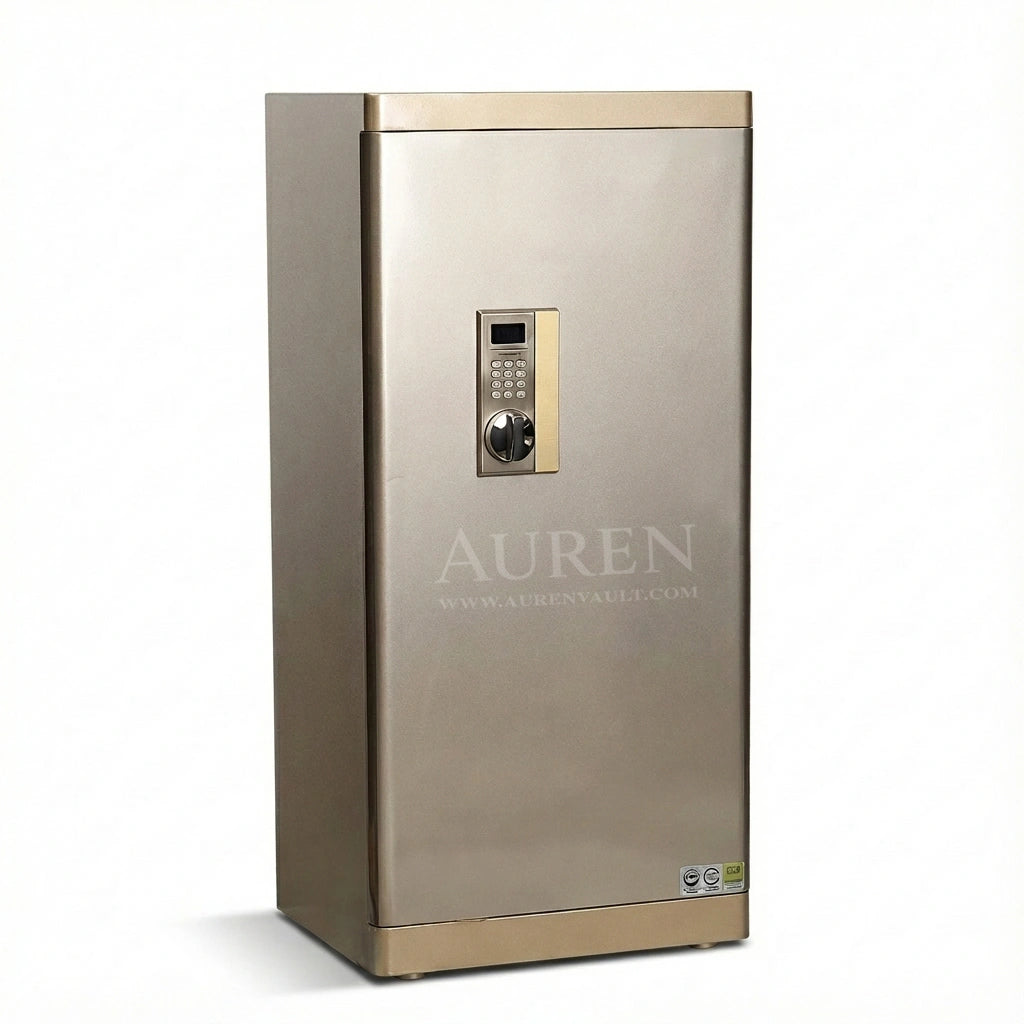
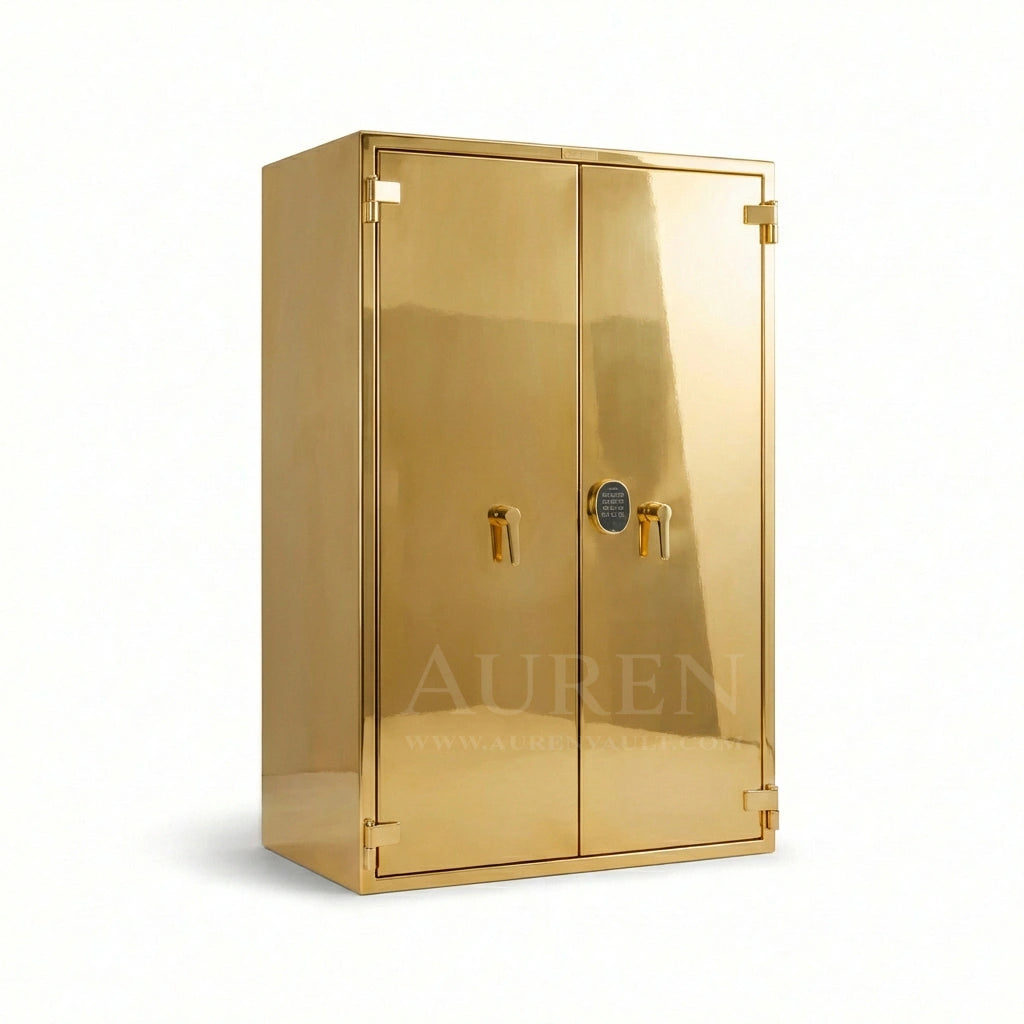
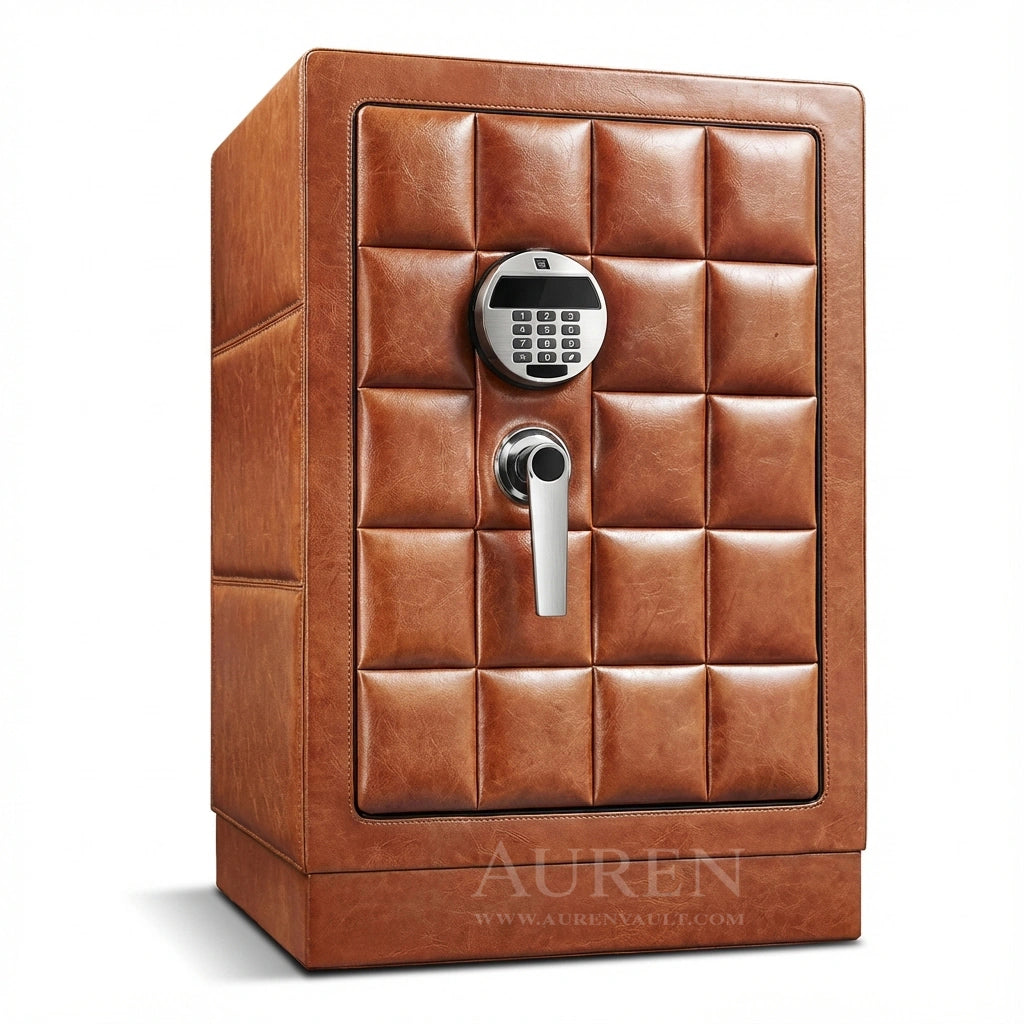
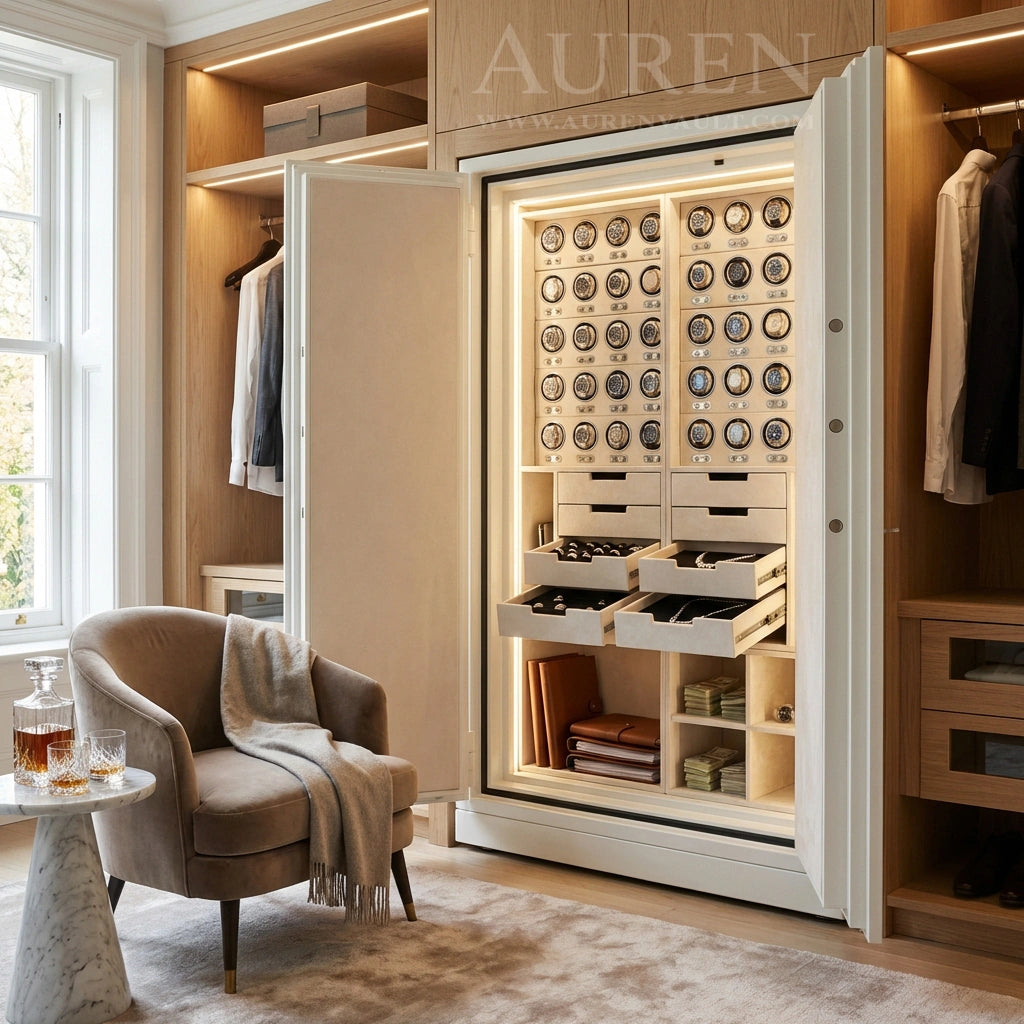
For valuable collections, security becomes an additional consideration. A watch winder safe combines automatic winding with enclosed, lockable storage, providing a more integrated solution than a conventional display winder.
The right choice ultimately depends on the watch's movement, how often it is worn, and where the collection is stored.
Why Vacheron Constantin Watches Require a More Considered Winder
Vacheron Constantin produces a broad range of mechanical timepieces, from self-winding sports watches to manually wound dress watches and highly complicated movements. Choosing a watch winder begins with understanding these differences.
An automatic watch uses a rotating weight, commonly called a rotor, to wind its mainspring as the wearer moves. When the watch is left unworn, its stored energy gradually decreases until the movement stops.
A watch winder reproduces some of this movement through controlled rotation. Its purpose is to maintain the watch's power reserve and operating continuity—not to improve its inherent accuracy or replace regular servicing.
The practical value becomes clearer with a rotating collection. An owner who wears an Overseas during the week and a different timepiece on weekends may appreciate having both watches ready without repeated adjustments.
For complicated watches with calendars or other indications, avoiding unnecessary resetting can also make ownership more convenient.
However, not every Vacheron Constantin watch belongs on a winder.
The Overseas collection, for example, includes self-winding and quartz references. The Historiques American 1921 uses a manually wound movement. Neither a quartz watch nor a manually wound watch benefits from an automatic watch winder.
The movement—not simply the brand or collection name—determines compatibility.
Recommended Watch Winder Settings for Vacheron Constantin
The two most important operating parameters are turns per day and winding direction.
Turns per day (TPD) describes the number of programmed rotations a winder performs over a 24-hour period. Winding direction determines whether those rotations are clockwise, counterclockwise, or alternating between both directions.
These settings matter because automatic movements do not all transfer rotor motion to the mainspring in exactly the same way.
Vacheron Constantin Winder Settings by Watch Type
| Watch collection or movement | Suggested approach | Important consideration |
|---|---|---|
| Overseas Self-Winding, including Calibre 5100 | Bidirectional, with approximately 650–800 TPD as an initial trial | Confirm the specific reference and winding requirements |
| Fiftysix Self-Winding | Use an adjustable winder; verify the calibre before programming | Requirements may differ between movements |
| Patrimony Self-Winding | Confirm the exact movement before choosing TPD and direction | Not every Patrimony reference is automatic |
| Traditionnelle Automatic Models | Select settings according to the individual calibre | Complications and movement designs vary |
| Historiques American 1921 | No watch winder required | Manual-winding movement |
| Overseas Quartz | No watch winder required | Battery-powered movement |
The 650–800 TPD range is a commonly cited starting point for many contemporary automatic movements, not a universal manufacturer-prescribed setting. Confirm the appropriate requirements for your exact watch before prolonged use.
Why 650–800 TPD Is a Starting Point, Not a Fixed Rule
The objective of a watch winder is to maintain sufficient power for normal operation, rather than to rotate the watch as frequently as possible.
Different calibres have different winding efficiencies and power-reserve characteristics. Even watches that share the same broad movement category can respond differently to a winding program.
The Vacheron Constantin Overseas Self-Winding reference 4520V, for instance, uses Calibre 5100 with a stated power reserve of approximately 60 hours. That specification describes how long the movement can operate when sufficiently wound. It does not independently establish the number of turns a particular winder must perform each day.
This distinction is important. A watch with a longer power reserve does not automatically require a higher TPD setting.
For a more detailed explanation of winding cycles, rotation direction, and program selection, the watch TPD guide provides a useful framework for understanding how these settings relate to automatic movements.
How to Set Up a Watch Winder Correctly
A reliable setup should begin with the watch's reference number and movement calibre.
Once these are identified, the winder can be configured according to the appropriate winding specifications. If the manufacturer's instructions do not provide a winder program, consult the manufacturer or an authorized watchmaker rather than treating a generic setting as definitive.
A practical setup process involves four steps:
-
Identify the movement. Confirm that the watch is automatic and determine its calibre.
-
Select the correct direction. Use clockwise, counterclockwise, or bidirectional rotation as appropriate.
-
Start with an appropriate TPD program. Avoid choosing the highest available setting by default.
-
Observe the watch over several days. If it consistently loses power, reassess the winding program and the watch's condition before increasing rotation.
A watch that continues to stop despite an appropriate winding program may need professional inspection. More rotations are not a substitute for diagnosing a mechanical issue.
Equally important is the winder's operating cycle. A properly designed unit typically alternates movement with rest periods rather than rotating continuously.
This allows the winder to maintain the watch's power reserve without unnecessary motion throughout the day.
What Makes a Watch Winder Suitable for Vacheron Constantin?
Price, appearance, and motor specifications can help distinguish products, but they should not determine the purchase on their own.
For a valuable automatic watch, the more meaningful question is whether the winder offers controlled operation, appropriate physical support, and convenient long-term use.
Independent TPD and Direction Control
Adjustable winding programs are among the most useful features of a premium watch winder.
A fixed-speed winder may suit a particular movement, but it offers limited flexibility if the owner later adds watches with different winding requirements.
Independent control becomes especially valuable in multi-watch configurations. Each automatic movement can be assigned an appropriate program rather than forcing the entire collection to operate under one setting.
This is particularly relevant for owners who combine Vacheron Constantin watches with other Swiss automatic movements.
Smooth, Quiet Operation
A watch winder placed in a bedroom, private office, or dressing room should operate without becoming a noticeable source of noise.
Quiet motors and controlled rotation improve the ownership experience, particularly when multiple winding modules are operating in the same enclosure.
Smooth movement also matters. A watch should remain stable throughout each rotation without shifting against its support.
Motor quality is therefore best assessed through operating reliability, noise performance, available winding programs, and service support—not simply the number of advertised features.
Proper Cushion and Bracelet Support
Physical fit is an easily overlooked factor.
A poorly sized cushion may place excessive pressure on a bracelet or allow the watch to move during rotation. The appropriate support should hold the watch firmly while respecting the size and shape of its case, strap, and clasp.
This is especially relevant when a collection includes watches of different diameters or bracelet constructions.
A suitable watch winder should accommodate these variations through well-designed or adjustable watch holders.
Storage Environment and Security
A conventional watch winder keeps an automatic movement running. It does not necessarily provide meaningful protection against unauthorized access.
For a single watch kept in a controlled home environment, a standalone winder may be sufficient.
For a collection of valuable watches, however, storage conditions and physical security often deserve equal attention.
This is where the difference between a display winder and an integrated watch winder safe becomes significant.
Standalone Watch Winder vs. Watch Winder Safe
A standalone watch winder and a watch winder safe serve related but distinct purposes.
The standalone winder is primarily a mechanical convenience device. Its job is to support automatic winding and keep a watch ready to wear.
A watch winder safe combines that functionality with a lockable enclosure designed for more secure storage.
| Consideration | Standalone Watch Winder | Watch Winder Safe |
|---|---|---|
| Primary purpose | Maintain automatic winding | Combine winding and secure storage |
| Typical capacity | Single or multiple watches | Compact to large collections |
| Rotation settings | Model-dependent | Model-dependent |
| Physical protection | Usually limited | Depends on safe construction and security features |
| Placement | Desk, shelf, dresser | Bedroom, office, dressing room, dedicated storage area |
| Best suited for | Convenience-focused ownership | Higher-value collections requiring integrated storage |
The important distinction is that the word safe does not establish a particular burglary or fire-resistance rating. Construction, locking systems, anchoring arrangements, and independently documented protection levels should be evaluated separately.
A collector interested in both functions can compare integrated configurations in the watch winder safe collection, which includes compact and larger storage options.
The watch winder safe guide also provides a broader starting point for understanding the relationship between winding functionality, storage capacity, and security.
Choosing the Right Configuration for Your Collection
The best configuration is determined less by the prestige of a particular watch than by how the collection is used.
For One or Two Vacheron Constantin Watches
A compact, adjustable winder is often the most practical choice.
If the watches are worn regularly and security is already addressed through another storage arrangement, a large winding cabinet may offer little additional benefit.
Owners should prioritize compatible winding programs, reliable motors, suitable cushions, and placement.
For a Small Collection of Automatic Watches
As a collection expands, independent rotor control becomes increasingly useful.
Consider an owner with an Overseas Self-Winding, a Fiftysix automatic, and several other mechanical watches. Even if some watches share similar winding requirements, they should not automatically be assigned identical programs.
A multi-watch winder with individually configurable modules allows greater flexibility.
If the watches also require secure storage, a compact watch winder safe can reduce the need for separate display and security systems.
For Larger or Mixed Collections
A larger collection introduces a different set of considerations.
Some watches may be automatic, while others are manually wound, quartz-powered, or reserved for occasional use. These watches do not all need active winding.
A well-planned cabinet should therefore distinguish between winding positions and passive storage compartments.
The wider range of watch safes for complete collections can help establish the appropriate balance between protection, organization, and winding capacity.
For owners who need more substantial storage, larger luxury watch safe configurations offer another approach to organizing valuable timepieces within a dedicated enclosure.
The central principle remains the same: capacity should reflect the collection's actual composition, not simply the total number of watches owned.
When a Bespoke Watch Safe Makes More Sense
Standard configurations are convenient when storage capacity, available winding positions, and physical dimensions already match the collection.
Bespoke storage becomes more relevant when these requirements differ significantly.
For example, a collector may own twelve automatic watches, several manually wound pieces, and accessories that require separate drawers. A cabinet with twelve winding positions but no passive storage may not be the most efficient configuration.
Likewise, interior designers working on luxury residences may need to account for cabinet dimensions, finishes, electrical access, and the relationship between the safe and surrounding furnishings.
In such cases, the right solution begins with the storage requirements rather than the exterior design.
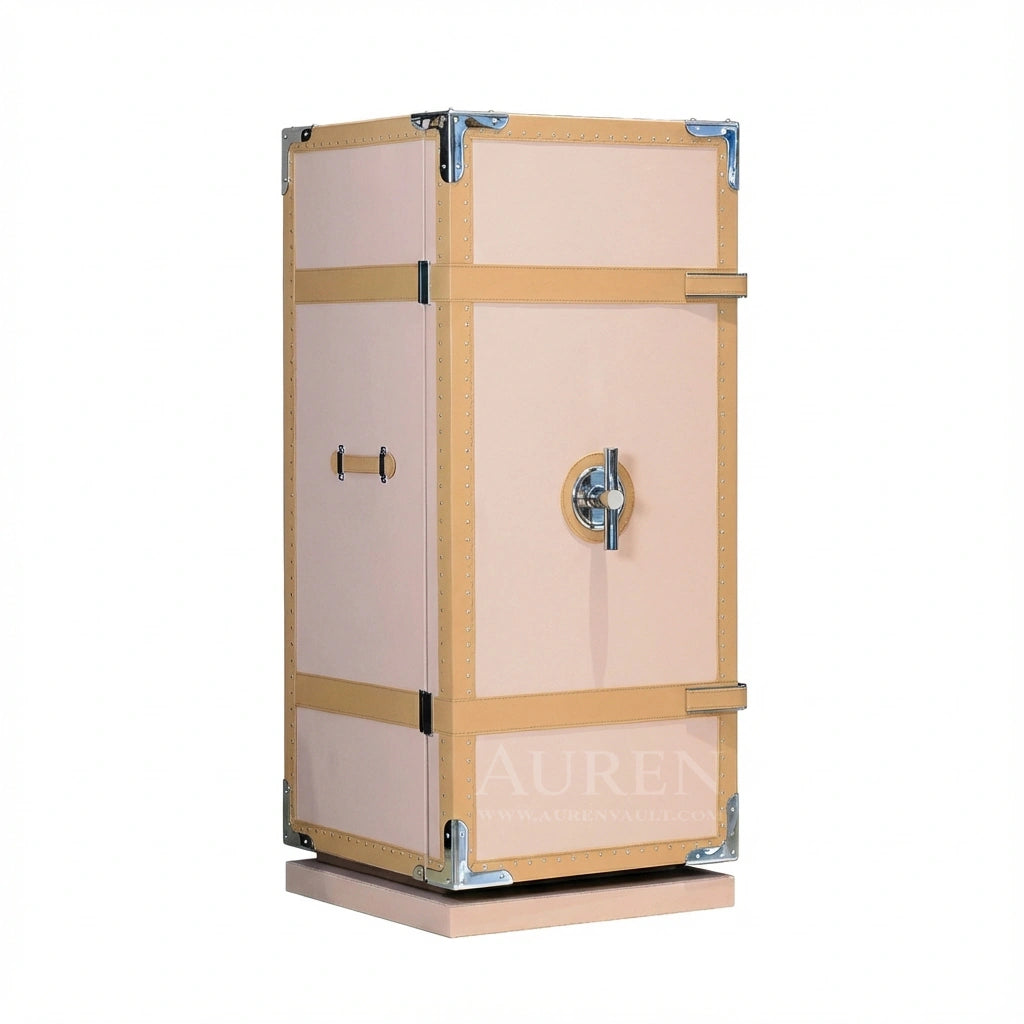
Options such as interior layout, winding capacity, exterior finishes, and environmental controls can be considered through bespoke watch safe configurations, subject to the capabilities of the selected design.
A successful installation should account for both the watch collection and the practical conditions of the space in which it will be used.
Does a Vacheron Constantin Need to Stay on a Watch Winder?
Not necessarily.
Automatic watches are designed to operate when sufficiently wound, but they do not need to run continuously simply because they are valuable.
If a watch is worn regularly, normal wrist movement may provide adequate winding. If it will remain unused for an extended period, allowing it to stop can be a reasonable choice, provided the manufacturer's storage and maintenance instructions are followed.
A watch winder is most valuable when operating continuity is convenient.
This can be particularly helpful for automatic calendar watches, regularly rotated collections, or owners who prefer their watches to remain ready for immediate wear.
For longer-term storage, priorities shift toward physical protection, stable environmental conditions, clean storage materials, and appropriate maintenance.
The watch storage guide covers the broader considerations involved in keeping valuable timepieces organized and protected.
A winder should therefore be viewed as one component of a complete watch care strategy—not as a replacement for proper storage or professional servicing.
Common Questions About Vacheron Constantin Watch Winders
What is the best TPD for Vacheron Constantin watches?
For many contemporary automatic references, approximately 650–800 TPD is a reasonable initial range to investigate. The correct program depends on the specific movement, so confirm the calibre and its winding requirements before relying on this setting.
Do Vacheron Constantin watches need bidirectional winding?
Many modern Vacheron Constantin automatic movements are compatible with bidirectional winding, but this should not be assumed for every reference. Always verify the movement-specific requirements.
Can a watch winder overwind a Vacheron Constantin?
Most modern automatic movements include a mechanism that prevents continued mainspring tension once fully wound. However, this does not make excessive rotation desirable. A correctly programmed winder should provide enough movement to maintain the power reserve without unnecessary operation.
Is a watch winder necessary for a Vacheron Constantin Overseas?
No. A self-winding Overseas can be worn and maintained without a watch winder. A compatible winder is primarily a convenience for periods when the watch is not being worn. Quartz Overseas references do not require winding.
Can a watch winder replace regular watch servicing?
No. A winder maintains a watch's operating state but cannot repair worn components, restore degraded lubricants, or correct mechanical problems. Manufacturer-recommended maintenance remains important.
Is a watch winder safe better than a regular watch winder?
It depends on the owner's priorities. A standalone winder may be sufficient for convenient winding, while a properly specified watch winder safe is better suited to collectors who also require enclosed, secure storage.
Final Perspective: Choose for the Movement, Then the Collection
The best watch winder for Vacheron Constantin is not necessarily the largest, most expensive, or most elaborate model.
It is the one that matches the watch's mechanical requirements and fits naturally into the owner's routine.
For a single automatic watch, that may mean a quiet, adjustable winder with a properly fitted cushion. For a growing collection, independently controlled winding modules and more secure storage become increasingly valuable.
Auren Vault approaches this category through the combination of watch storage, integrated winding, and collection-focused configurations, recognizing that the requirements of a single timepiece can differ considerably from those of an entire collection.
Ultimately, a well-chosen watch winder should make ownership simpler: the right movement, the right settings, and a storage arrangement appropriate to the watches it holds.