
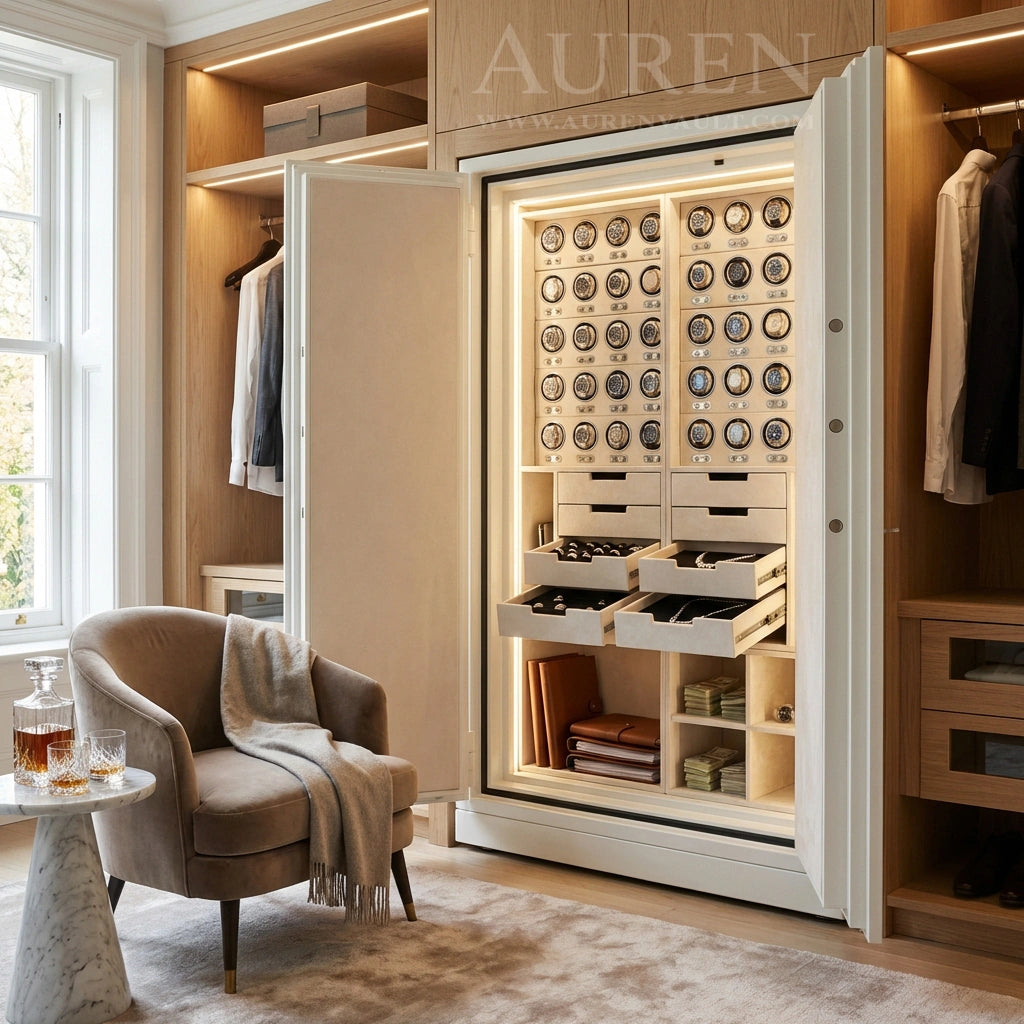

The best watch winder for Montblanc watches is one that supports the specific automatic movement, offers adjustable turns per day (TPD), allows the correct rotation direction, and holds the watch securely without putting unnecessary pressure on its case or strap.
For many Montblanc automatic watches, approximately 650–800 TPD is a useful starting range to investigate. However, winding direction and the appropriate daily rotation count depend on the calibre. Independent winding references do not always agree, so these figures should not be treated as official Montblanc settings.
Models such as the Iced Sea Automatic Date, Star Legacy Automatic Date, 1858 Geosphere, and Bohème Automatic Date can benefit from compatible watch winders. Manually wound Minerva chronographs and electronic smartwatches do not.
For collectors who regularly alternate between watches, a properly configured winder offers the convenience of keeping automatic movements running between wears.
The right choice balances movement compatibility, physical fit, and the way the collection is stored.
Understanding Montblanc Movements Before Choosing a Watch Winder
Montblanc occupies an interesting position in modern watchmaking.
Its collections include relatively straightforward automatic movements, complicated world-time mechanisms, traditional chronographs, and exceptional manually wound movements associated with the historic Minerva manufacture.
This diversity is important because watches bearing the same Montblanc emblem can have very different winding requirements.
A conventional automatic movement uses an oscillating rotor to transfer energy to its mainspring through the motion of the wearer's wrist. When the watch is removed, it continues running on its stored power until that reserve is exhausted.
A watch winder recreates some of this motion through programmed rotation.
Its purpose is to maintain sufficient stored energy for the watch to continue operating. It does not improve the watch's inherent accuracy, repair mechanical problems, or eliminate the need for servicing.
For an owner who wears the same automatic Montblanc every day, a winder may offer little additional benefit.
The situation changes when several watches are rotated throughout the week.
An Iced Sea worn during the weekend may remain unworn while a Star Legacy is used at the office. A Geosphere might be reserved for travel, while a special-edition chronograph receives only occasional wrist time.
In those circumstances, a compatible winder can reduce the inconvenience of repeatedly restarting automatic watches and resetting their indications.
However, movement identification must come before programming.
Which Montblanc Watches Can Use an Automatic Watch Winder?
| Montblanc watch | Representative calibre | Movement type | Watch winder compatibility |
|---|---|---|---|
| Iced Sea Automatic Date, including certain 0 Oxygen models | MB 24.17 | Automatic | Yes, with compatible settings |
| Star Legacy Automatic Date | MB 24.17 | Automatic | Yes |
| 1858 Automatic Date 0 Oxygen | MB 24.17 | Automatic | Yes |
| 1858 Geosphere 0 Oxygen | MB 29.25 | Automatic | Yes; verify calibre-specific settings |
| 1858 Automatic Chronograph 0 Oxygen | MB 25.13 | Automatic chronograph | Yes |
| Bohème Automatic Date 30 mm | MB 24.29 | Automatic | Yes |
| 1858 Unveiled Minerva Chronograph | MB M17.26 | Manual winding | No |
| Montblanc Summit smartwatch | Electronic | Smartwatch | No |
These are representative references, not a complete catalogue. Montblanc has used different calibres across collections, generations, and limited editions.
The practical lesson is straightforward: the collection name identifies the watch family, but the calibre determines how it should be wound.
Best Watch Winder Settings for Montblanc: TPD and Rotation Direction
Choosing the correct winding program requires understanding two parameters: turns per day and rotation direction.
Turns per day (TPD) describes how many rotations a watch winder performs during a programmed 24-hour period.
Rotation direction determines whether those movements occur clockwise, counterclockwise, or alternately in both directions.
These settings work together.
An automatic movement may wind efficiently in both directions, or its winding mechanism may respond differently depending on the direction of rotor movement.
Consequently, a winder performing a large number of rotations in an ineffective direction may fail to maintain the watch's power reserve.
This is why the highest TPD setting is not necessarily the best setting.
Montblanc Watch Winder Settings by Movement
The following table provides a practical framework for investigating compatible settings.
| Montblanc calibre | Representative watches | TPD guidance | Direction guidance |
|---|---|---|---|
| MB 24.17 | Iced Sea Automatic Date, Star Legacy Automatic Date, 1858 Automatic Date | Investigate the commonly published 650–800 TPD range | Confirm the exact calibre and compatible direction |
| MB 24.29 | Bohème Automatic Date | Begin with movement-specific guidance within the general automatic-winder range | Verify before programming |
| MB 29.25 | 1858 Geosphere | Independent references commonly discuss approximately 650–850 TPD for Geosphere variants | Published recommendations differ; verify the reference |
| MB 25.13 | 1858 Automatic Chronograph 0 Oxygen | Investigate settings used for the identified automatic chronograph movement | Confirm movement-specific direction |
| MB M17.26 | 1858 Unveiled Minerva Chronograph | Not applicable | Manual winding only |
Important: These figures are third-party starting references, not manufacturer-certified Montblanc winding programs.
Independent watch winder databases sometimes publish different recommendations for closely related Montblanc models. Some list clockwise programs around 800 TPD, while others recommend bidirectional programs around 650 TPD.
That disagreement matters. A collector should not assume that either recommendation automatically applies to every watch bearing the same collection name.
The most reliable approach is to confirm the watch reference and movement, consult Montblanc or an authorized watchmaker where necessary, and select a winder that can accommodate the verified requirements.
Why 650–800 TPD Is a Starting Range, Not a Universal Setting
A watch winder is intended to maintain the movement's available power rather than maximize its rotation count.
Suppose a Montblanc automatic watch is already adequately wound.
If a compatible program supplies enough movement to maintain that energy, increasing the daily rotation count may provide no meaningful benefit.
Conversely, if the watch consistently stops despite being properly started, there may be several explanations.
The winder may be operating in an ineffective direction, providing insufficient winding cycles, or using a program that does not suit the movement. The watch itself may also require inspection.
TPD alone cannot distinguish between these possibilities.
Another consideration is how manufacturers define their winding programs.
Some devices describe the total number of rotations performed across both directions. Others may specify winding cycles differently.
A setting labelled 800 TPD on one device should therefore not automatically be considered mechanically equivalent to every other program carrying the same number.
Collectors who want to understand these differences can refer to the watch TPD guide, particularly when comparing independently programmable winding systems.
Does a Longer Power Reserve Mean Higher TPD?
Not necessarily.
Power reserve describes how long a mechanical watch can operate after receiving sufficient winding.
TPD describes the number of rotations performed by the external winder.
Although the two are related to the watch's energy supply, they are not interchangeable measurements.
For example, the MB 24.17 movement is commonly associated with a power reserve of approximately 38 hours, while the MB 29.25 used in certain Geosphere references offers approximately 42 hours.
Neither number independently establishes the correct daily rotation program.
Winding efficiency, rotor behavior, the watch's initial state of wind, and the winder's operating cycle must also be considered.
A longer reserve may make a watch more forgiving of occasional periods without winding. It does not automatically justify increasing its TPD.
Montblanc Iced Sea and Star Legacy: Choosing a Winder for Calibre MB 24.17
The MB 24.17 is a particularly relevant movement for Montblanc owners because it appears in several recognizably different collections.
It powers examples of the Iced Sea Automatic Date, Star Legacy Automatic Date, and 1858 Automatic Date.
Although their exterior designs serve different purposes, their shared calibre provides a useful starting point for understanding winding compatibility.
Montblanc Iced Sea Automatic Date
The Iced Sea is Montblanc's interpretation of a contemporary sports watch, distinguished by its glacier-inspired dial design and robust character.
Selected Iced Sea Automatic Date references, including versions from the 0 Oxygen range, use the automatic MB 24.17 movement.
For an owner who alternates between the Iced Sea and another daily watch, a suitable winder can help keep the date and time running between wears.
The practical selection criteria extend beyond the movement.
Iced Sea watches may be fitted with substantial steel bracelets or interchangeable straps. The holder must accommodate the watch securely without compressing the bracelet excessively.
A rigid cushion that is too large can place unnecessary tension on the clasp and bracelet links.
A support that is too small may allow the watch to shift as the module rotates.
For this collection, stable support and adjustable winding programs are more useful than elaborate visual features.
Montblanc Star Legacy Automatic Date
The Star Legacy collection takes a more classical approach to watch design, drawing inspiration from historic pocket-watch aesthetics.
References equipped with the MB 24.17 offer automatic winding with a relatively straightforward date complication.
This makes them suitable candidates for compatible watch winders, especially when worn as part of a rotating collection.
Imagine a collector who wears a Star Legacy during the working week but chooses a sports watch for weekends.
Without a winder, the Star Legacy may eventually exhaust its power reserve and require resetting before Monday.
A correctly programmed winder can preserve operating continuity during that interval.
The convenience is modest for someone who enjoys manually setting a watch. For someone who prefers an automatic watch to be immediately ready, it can be worthwhile.
Leather-strap fit also deserves attention.
Unlike a metal bracelet, leather should not be stretched tightly around an oversized support. A soft, appropriately sized cushion offers a more suitable arrangement.
Montblanc 1858 Automatic Date
Selected 1858 Automatic Date references also use the MB 24.17.
This illustrates why a winding recommendation should follow the calibre rather than the styling of the watch.
An Iced Sea and an 1858 Automatic Date may look substantially different, yet a shared movement can mean that their winding requirements are closely related.
The owner should still confirm the exact reference before copying a program from one watch to another.
Differences in production generation or movement configuration can matter, particularly when dealing with older or limited-edition Montblanc watches.
Montblanc 1858 Geosphere: Why Complicated Watches Deserve More Attention
The Montblanc 1858 Geosphere is one of the strongest examples of how a watch winder can offer convenience beyond maintaining simple timekeeping.
Selected Geosphere and Geosphere 0 Oxygen references use the automatic MB 29.25 calibre.
This movement incorporates a world-time complication featuring rotating representations of the Northern and Southern Hemispheres.
Depending on the reference, the watch also provides a second-time-zone display, day-and-night indications, and a date.
The unusual dial architecture makes the Geosphere distinctive, but it also means there are several indications to consider when restarting a stopped watch.
Why a Geosphere Owner Might Prefer Continuous Operation
Consider an owner who frequently travels internationally but does not wear the Geosphere every day.
When the watch remains unused beyond its available power reserve, it stops.
Returning it to operation may involve more than setting the ordinary hour and minute hands.
The owner must also ensure that the additional time-zone and world-time indications are correctly synchronized according to the watch's operating instructions.
A compatible watch winder can help preserve those settings between periods of use.
This is a genuine convenience advantage, particularly for collectors who prefer not to repeatedly adjust complicated displays.
However, that advantage should not be interpreted as a requirement to keep the movement running indefinitely.
The watch can be stored without a winder when continuous operation is unnecessary.
What TPD Should a Montblanc Geosphere Use?
The Geosphere is frequently represented in independent winding databases, but published programs are not entirely consistent across versions.
Some directories recommend clockwise rotation, while others list bidirectional operation. Published TPD recommendations also vary.
For this reason, assigning one universal program to every Geosphere is not sufficiently precise.
The correct approach is to identify the exact Geosphere reference and its calibre, obtain movement-compatible winding guidance, and use a programmable winder capable of meeting those requirements.
Once configured, the watch should be observed over several days to confirm that its stored energy is being maintained.
The goal is reliable operating continuity without unnecessary rotation.
A Note About Geosphere World-Time Settings
A winder maintains the movement's energy supply. It does not automatically correct the indications on the dial.
If the watch has been set incorrectly, the winder will continue operating the movement with those incorrect indications.
Likewise, a winder cannot automatically account for the owner's travel schedule, changes between local time zones, or other manual adjustments.
For a complicated watch, winding and setting are related but separate responsibilities.
That distinction is particularly relevant to the Geosphere.
Montblanc 1858 Chronographs: Automatic and Manual Movements Are Not Interchangeable
Montblanc's chronograph collections require careful movement identification.
The word chronograph describes a timing complication. It does not indicate whether the watch winds automatically or manually.
This distinction matters because Montblanc produces examples of both.
Automatic Chronographs: Calibre MB 25.13
The 1858 Automatic Chronograph 0 Oxygen uses the automatic MB 25.13 movement.
Because the movement is self-winding, a compatible watch winder can maintain its power reserve between wears.
However, an automatic chronograph should not be assigned a program solely because it shares the 1858 name with a simpler automatic date watch.
The movement must be identified independently.
The owner should also remember that a watch winder is designed to supply energy through the automatic winding mechanism.
It is not intended to operate the chronograph pushers or repeatedly activate the timing function.
When evaluating a winder for an automatic chronograph, the priorities remain reliable rotation control, appropriate pauses, secure support, and compatibility with the movement.
Minerva Chronographs: Why Manual-Winding Movements Do Not Need Winders
Montblanc's Minerva-associated watches represent another side of the brand's mechanical expertise.
For example, the 1858 Unveiled Minerva Chronograph uses the manually wound Manufacture MB M17.26 movement.
Unlike a conventional automatic watch, this calibre does not depend on an oscillating rotor for winding.
Placing it inside a standard rotating watch winder will not wind the mainspring.
It should instead be wound by hand in accordance with the manufacturer's instructions.
This distinction is especially important for collectors acquiring both conventional Montblanc automatic watches and more specialized Minerva pieces.
An expensive manual chronograph does not benefit from a watch winder simply because it is mechanically sophisticated.
In fact, a carefully designed passive storage position may be the more appropriate choice.
A collection that includes both movement types should reflect that difference in its storage arrangement.
Montblanc Bohème: Small Cases Need Appropriate Watch Winder Cushions
The Montblanc Bohème Automatic Date illustrates a different challenge.
Selected 30 mm references use the automatic MB 24.29 calibre, making them mechanically compatible with a correctly programmed watch winder.
However, their smaller case diameter and refined bracelet or strap configurations introduce physical considerations that may be less noticeable with larger sports watches.
A standard full-size watch cushion is not always suitable for a smaller watch.
If the cushion is too large, fastening the bracelet or strap may create unnecessary pressure.
If the cushion is too small, the watch may rotate around the support or move inside the winding compartment.
The correct holder should secure the watch without distorting its normal fit.
For Bohème owners, useful features include adjustable cushions, appropriate support for smaller bracelets, and enough space around the case to avoid contact with surrounding surfaces.
A properly fitted compact winder may be more practical than a large unit whose holders are designed primarily for oversized men's watches.
Does a Smaller Montblanc Automatic Need Fewer TPD?
Not simply because it is smaller.
Case diameter does not determine winding requirements.
The mechanical architecture of the MB 24.29 matters more than whether the watch measures 30 mm or 40 mm.
It would therefore be incorrect to reduce TPD automatically because the watch has a smaller case.
Equally, an owner should not increase TPD because a watch feels heavier or has a more substantial bracelet.
Winding requirements follow the movement, while cushion requirements follow the physical watch.
These are separate aspects of compatibility.
What About Older Montblanc Heritage, TimeWalker, and 4810 Watches?
Not every Montblanc watch in a private collection belongs to the current catalogue.
Collectors may also own Heritage, TimeWalker, Meisterstück, or 4810 references produced across different generations.
These collections include a variety of movements and complications.
Some models use comparatively conventional automatic movements. Others feature more specialized mechanical configurations.
The main challenge is that collection names may remain familiar even when the movement specifications change.
A recommendation published for one TimeWalker Automatic Chronograph should not automatically be applied to every TimeWalker reference.
Likewise, a winding program associated with a particular 4810 movement may not be appropriate for another 4810 watch.
For discontinued references, the original documentation becomes particularly useful.
If the calibre cannot be determined from the available paperwork, an authorized service center or qualified watchmaker can help identify the movement.
Once the movement is known, selecting a compatible program becomes considerably more straightforward.
This is also why an adjustable winder is preferable to a fixed-program unit for collectors who own watches from several Montblanc generations.
What Makes a Watch Winder Suitable for Montblanc?
A premium watch winder should be judged by its mechanical compatibility and practical operation rather than its exterior appearance alone.
A visually impressive enclosure cannot compensate for incorrect winding programs or poorly fitted watch supports.
For Montblanc owners, several characteristics deserve particular attention.
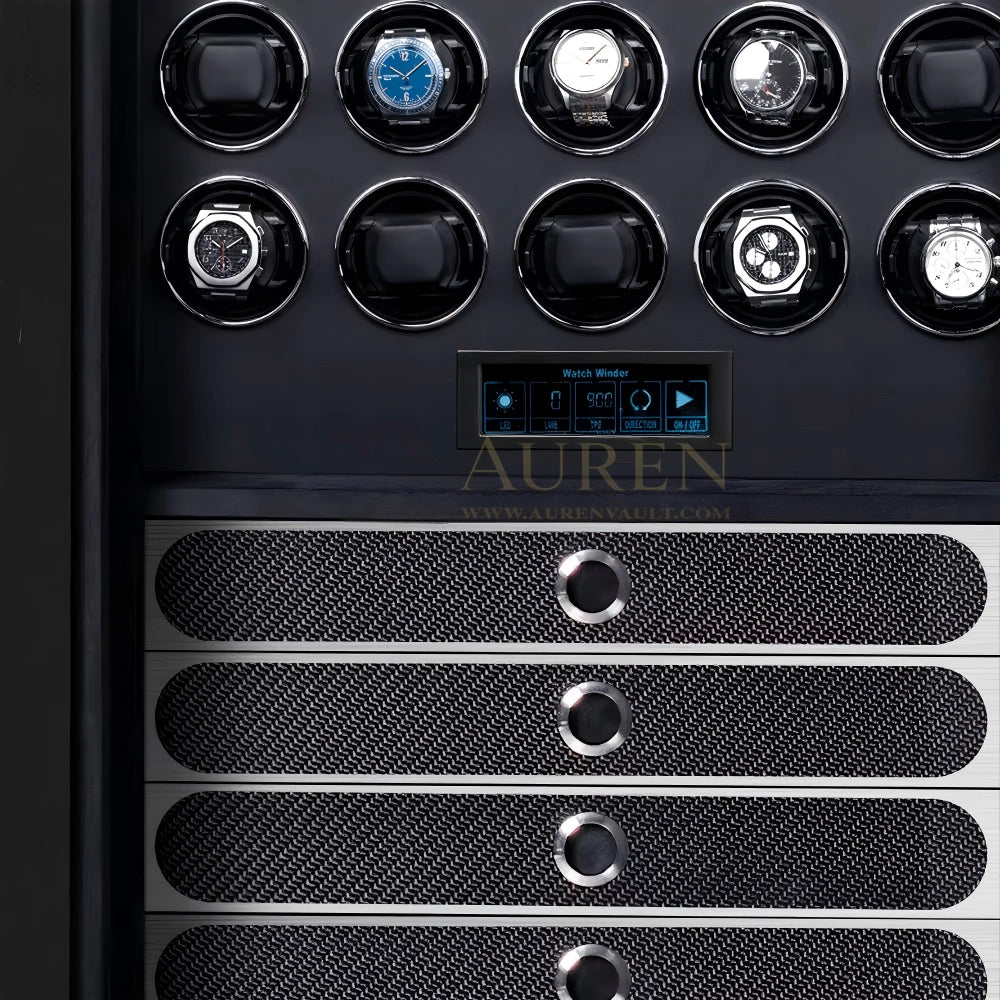
Adjustable TPD and Three-Direction Control
A suitable winder should offer a useful range of daily rotation programs.
It should also support clockwise, counterclockwise, and bidirectional operation.
This flexibility matters because independent winding references do not always agree on a single Montblanc program.
A winder that provides only one fixed direction may be suitable for a particular watch, but it offers limited flexibility as the collection changes.
For mixed collections, independently controlled winding positions are especially valuable.
They allow one automatic watch to follow its required program while another uses a different direction or TPD.
The owner does not need to compromise by assigning every watch an identical setting.
Controlled Movement and Rest Periods
An automatic watch does not need to remain in continuous motion.
A well-designed winder divides its programmed rotations into operating cycles separated by rest periods.
This approach is more appropriate than assuming that constant rotation is beneficial.
The objective is to maintain sufficient winding during the day while avoiding unnecessary movement once the required program has been completed.
A programmable system should execute these cycles consistently.
The quality of its motor and control system matters more than whether it advertises an exceptionally high maximum rotation count.
Quiet Operation
Noise becomes important when a watch winder is placed in a bedroom, dressing room, private office, or other frequently occupied space.
A single poorly insulated motor can become noticeable during quiet periods.
The issue can be more pronounced when several winding modules operate inside the same cabinet.
Quiet motors, stable rotating assemblies, and controlled operating intervals contribute to a more discreet ownership experience.
For collectors who value refined interiors, a winder should perform its function without constantly drawing attention to its operation.
Proper Case, Strap, and Bracelet Support
Montblanc watches vary considerably in their physical dimensions.
A Bohème Automatic Date may have a relatively compact case, while an Iced Sea or Geosphere can occupy substantially more space.
Their bracelets and straps can also differ in stiffness, circumference, and fastening construction.
A suitable watch holder should provide stable support without excessive pressure.
The watch must remain secure as the module changes position, but it should also be easy to remove without pulling unnecessarily on the bracelet or strap.
This is particularly important for collectors who frequently change between leather straps, textile straps, and metal bracelets.
Reliability and Serviceability
The best watch winder is one that performs consistently over time.
Motor reliability, accessible controls, stable electrical operation, and manufacturer support all contribute to long-term suitability.
For premium collections, availability of replacement components or servicing may be more important than additional decorative features.
A winder should simplify ownership rather than create another device that requires constant adjustment or attention.
Standalone Watch Winder or Watch Winder Safe for Montblanc?
A standalone winder and a watch winder safe share the function of maintaining automatic movements, but they serve different storage priorities.
A standalone unit is primarily a convenience accessory.
It may sit on a desk, dresser, or shelf, allowing one or several watches to remain ready for use.
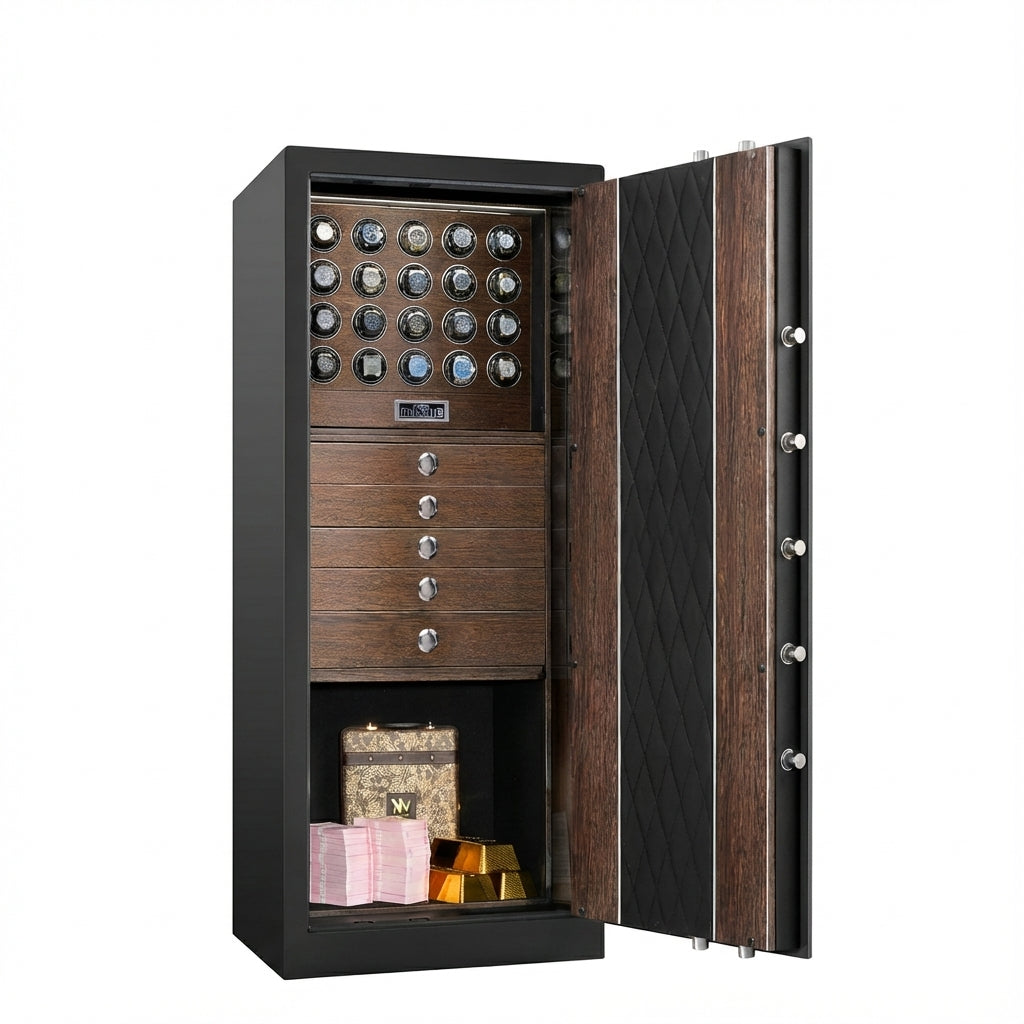
A watch winder safe combines winding functionality with an enclosed, lockable storage environment.
For owners of valuable collections, the distinction can be significant.
| Consideration | Standalone watch winder | Watch winder safe |
|---|---|---|
| Primary function | Maintain automatic winding | Combine winding and enclosed storage |
| Rotation programming | Depends on model | Depends on installed winding modules |
| Security | Usually limited | Depends on safe construction and locking system |
| Watch capacity | Single or multiple watches | Compact to large collection configurations |
| Passive storage | Often limited | May include dedicated compartments or drawers |
| Typical location | Shelf, desk, dresser | Dressing room, private office, dedicated storage area |
| Best suited for | Owners prioritizing convenience | Collectors needing winding and more secure storage |
A lockable cabinet should not automatically be assumed to provide certified burglary or fire resistance.
Those capabilities depend on the construction, installation, locking system, and independently documented ratings of the specific safe.
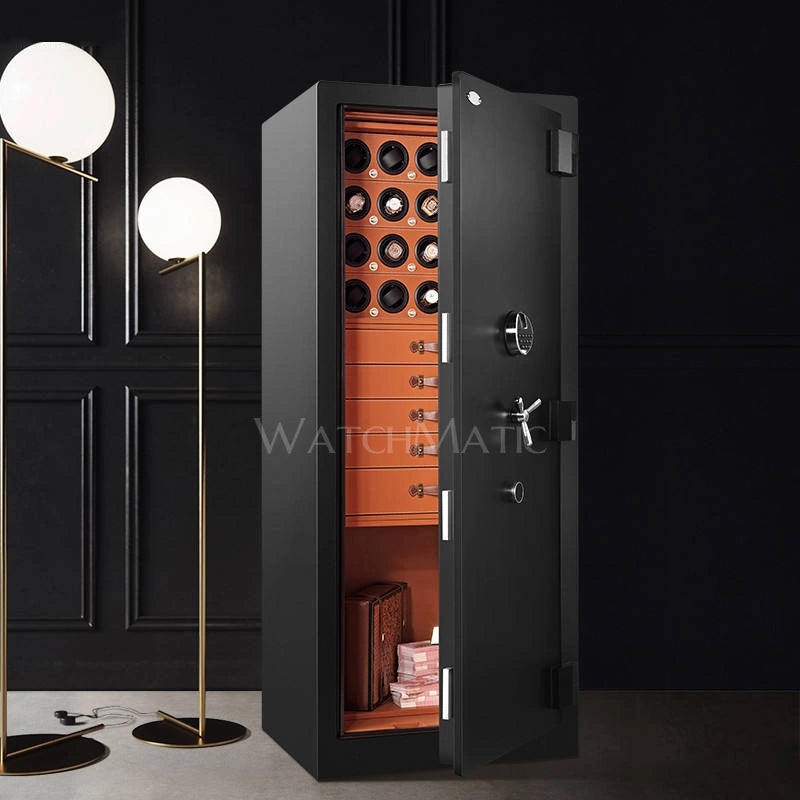
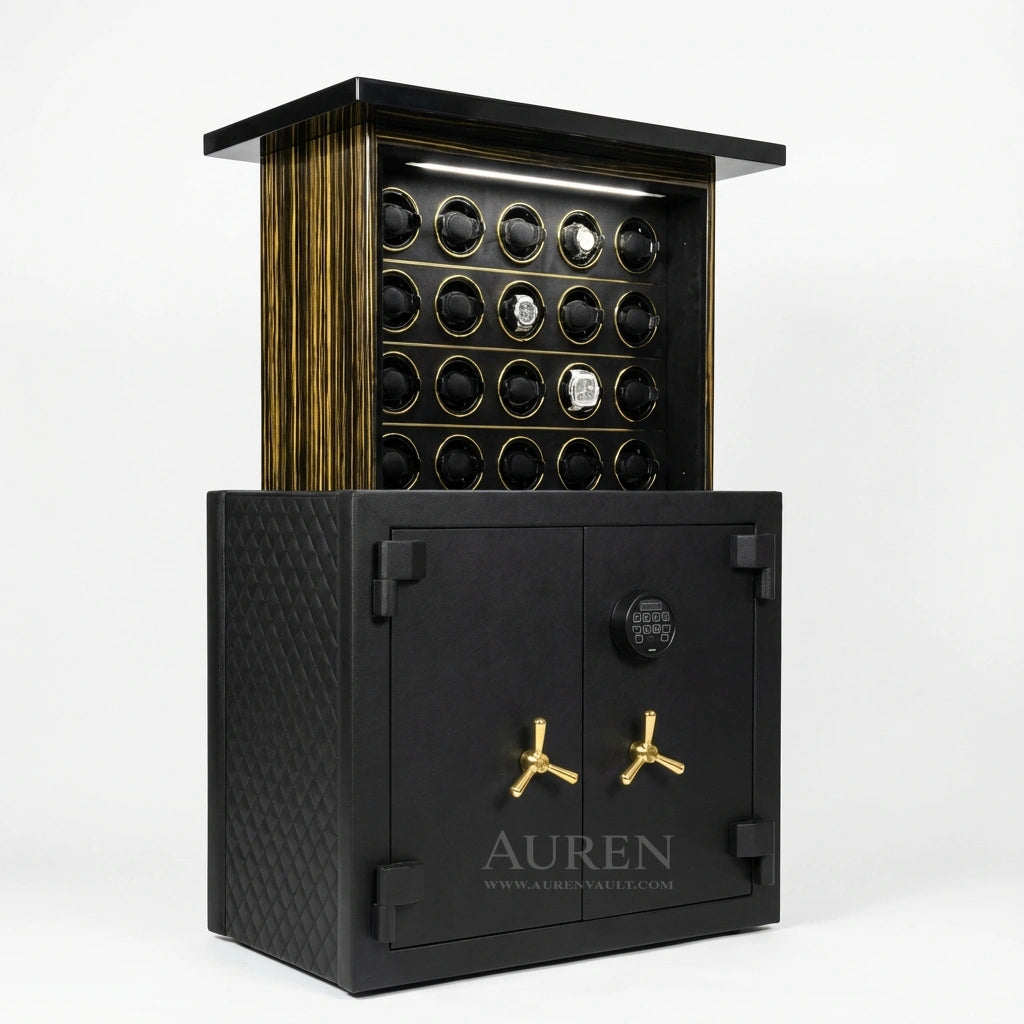
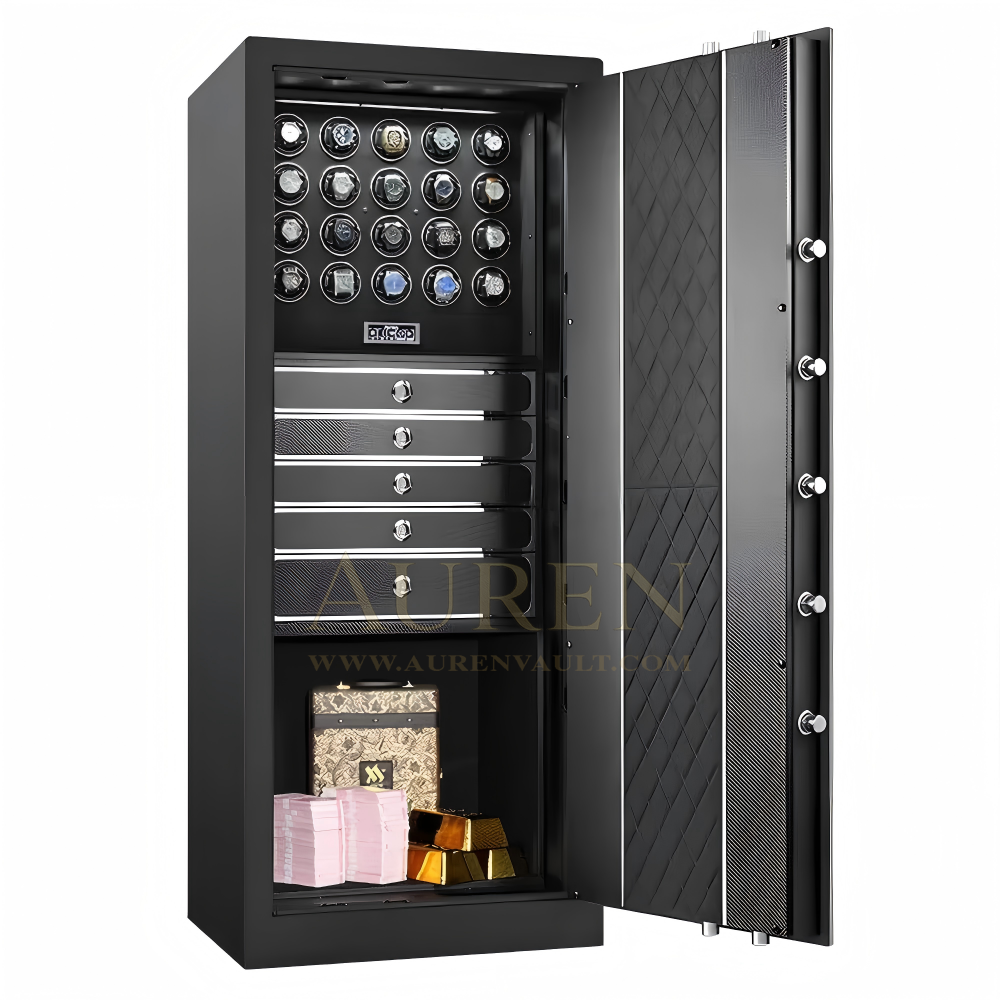
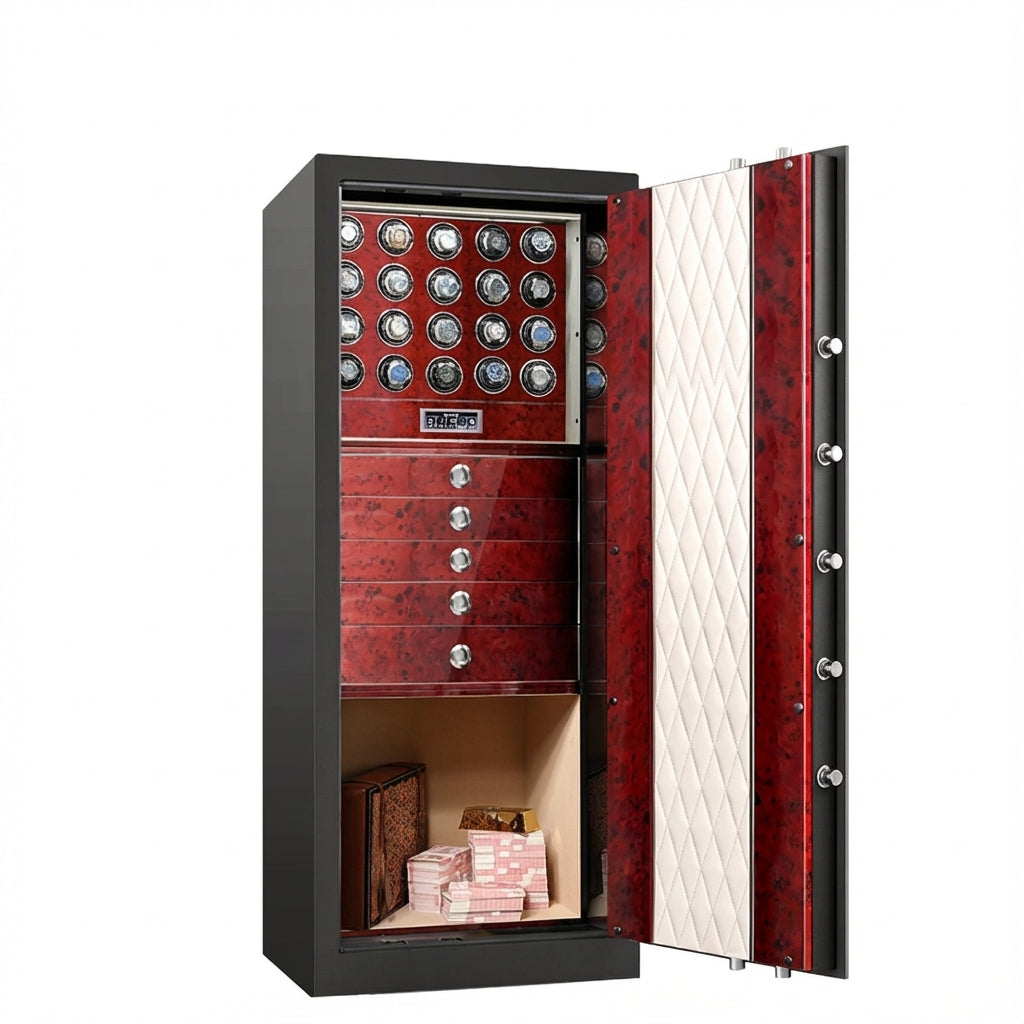
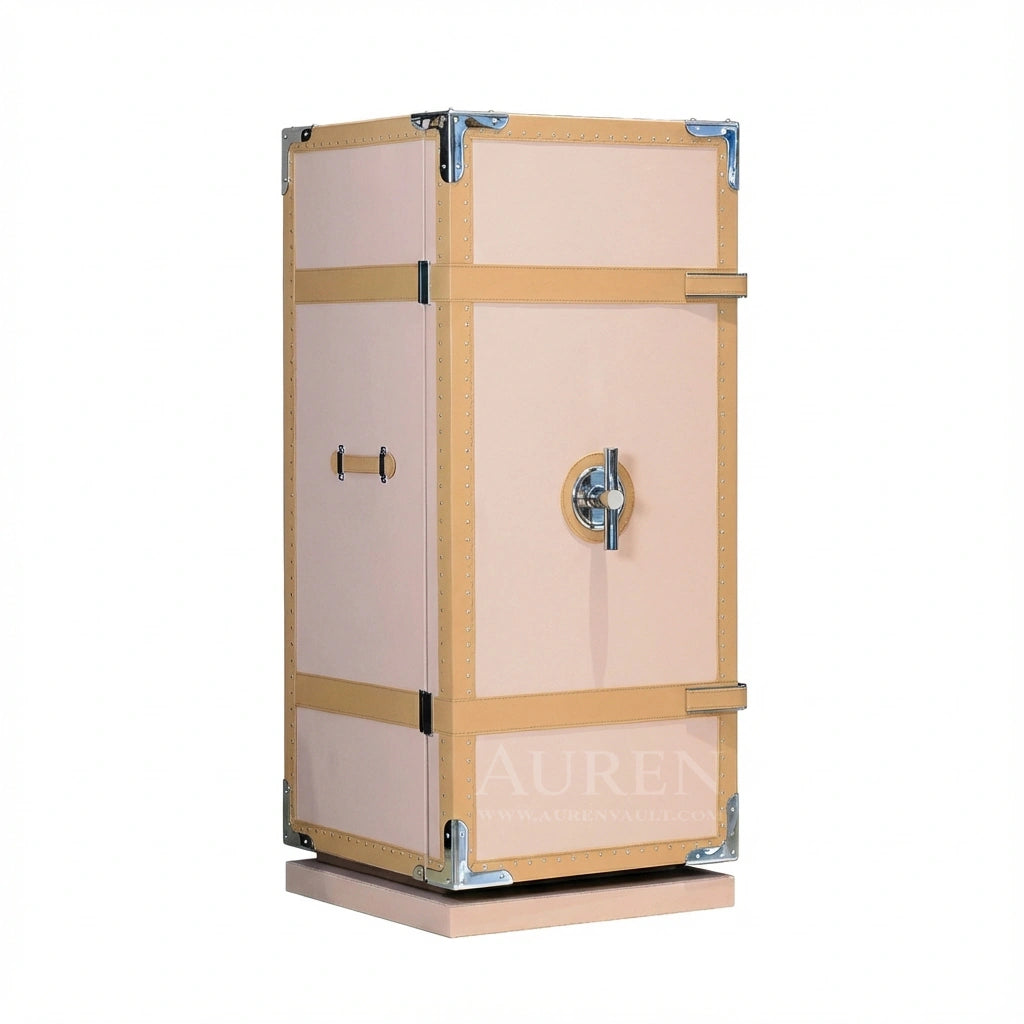
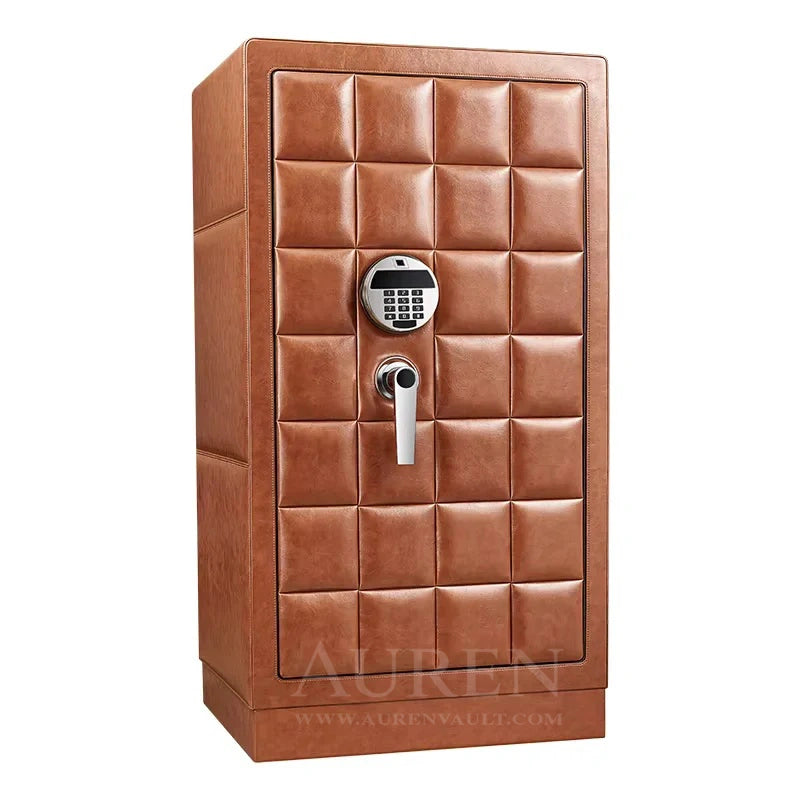
For a collector whose priorities include both automatic winding and enclosed storage, watch winder safes with integrated winding systems offer an alternative to keeping several standalone devices in an unsecured location.
The watch winder safe guide also provides a broader introduction to evaluating winding capacity alongside security and storage considerations.
Choosing the Right Winder Configuration for a Montblanc Collection
The number of watches owned is not always the same as the number of winding positions required.
A more effective storage plan begins with the composition of the collection.
One Montblanc Automatic Watch
For someone who owns a single Star Legacy Automatic Date or Iced Sea Automatic Date, a compact programmable winder may be sufficient.
The owner should focus on movement compatibility, quiet operation, and proper cushion fit.
A large multi-watch cabinet generally offers little practical advantage if there are no additional watches to accommodate.
If the watch is already kept in a suitable secure location, a standalone winder may provide all the necessary convenience.
A Collection of Several Montblanc Automatics
Consider a collector who owns an Iced Sea Automatic Date, a Star Legacy Automatic Date, and an 1858 Geosphere.
All three can potentially benefit from automatic winding, but their programs should be determined by their actual movements.
Even where two watches share the MB 24.17 calibre, individual controls remain useful for future additions to the collection.
A three-position or larger winder with independent programming offers flexibility without requiring a separate unit for each watch.
The Geosphere may also make continuous operation particularly convenient because of its additional displays.
For an owner who wears different Montblanc watches throughout the week, a multi-position system can make the collection easier to manage.
A Mixed Collection With Minerva Watches
Now consider a collection containing an Iced Sea, a Geosphere, a Bohème Automatic Date, and two manually wound Minerva chronographs.
Five watches are owned, but only three require automatic winding positions.
A cabinet designed exclusively around five rotating modules may not be the most efficient solution.
A more balanced configuration would provide three programmable winding positions and two protected passive-storage positions.
The manual chronographs remain accessible without being subjected to unnecessary rotation.
This principle becomes more valuable as collections expand to include quartz watches, pocket watches, and pieces reserved for occasional wear.
The wider selection of watch safes for complete collections can help owners evaluate the balance between active winding and passive storage.
For larger collections, luxury watch safes designed for expanded capacity may offer a more integrated way to organize valuable timepieces.
When a Custom Watch Safe Makes More Sense
Standard watch winders and safes work well when their available capacity, dimensions, and internal layout already suit the collection.
Customized storage becomes more relevant when those requirements are unusual.
A Montblanc collector may own several automatic watches, multiple Minerva chronographs, and a selection of interchangeable straps or other accessories.
A storage system filled entirely with winding modules may not be the ideal use of space.
A more considered arrangement could incorporate automatic winding positions, passive watch holders, accessory drawers, and dedicated areas for items that do not require mechanical winding.
Physical installation matters as well.
A cabinet designed for a private dressing room must fit the surrounding interior, provide sufficient access for opening and servicing, and accommodate its electrical and security requirements.
For more substantial collections, custom watch safe configurations allow these considerations to be addressed together.
The objective is not to maximize the number of features.
It is to create a storage system that matches the mechanical requirements of the collection and the practical conditions of the space.
How to Set Up a Watch Winder for a Montblanc Automatic
Once the correct winding requirements have been established, setup should be straightforward.
However, a few details can influence whether the winder operates effectively.
1. Identify the Exact Watch Reference and Calibre
Begin with the watch's reference number, original documentation, or movement information provided by Montblanc.
Confirm that the movement is automatic.
Do not select a program solely because another watch from the same collection uses a particular setting.
This is especially important for limited editions and discontinued references.
2. Start the Movement According to Montblanc's Instructions
A watch that has completely stopped may need to be wound manually before being placed on a winder.
A winder is generally intended to maintain an existing power reserve rather than provide a rapid restart from an entirely depleted state.
Montblanc's official watch care guidance provides instructions for restarting mechanical watches after periods without use.
Follow the instructions applicable to the specific reference, including any precautions for calendar adjustment.
3. Choose the Correct Direction and TPD
Use the confirmed winding requirements for the identified movement.
If a manufacturer's official winder program is unavailable, consult a reliable calibre-specific reference or a qualified watchmaker.
A programmable device should allow the appropriate direction and rotation count to be selected without forcing the watch into an unsuitable fixed program.
4. Secure the Watch Properly
Place the watch around the cushion so that it remains stable without excessive tension.
Check that the case does not contact the edges of the module and that the bracelet or strap is not being stretched unnaturally.
The watch should remain secure throughout a complete rotation.
5. Monitor Its Operation Over Several Days
Once programmed, allow the winder to operate through its normal cycles.
Observe whether the watch continues running reliably while it remains off the wrist.
If the watch repeatedly stops, review the starting power reserve, winding direction, TPD program, and actual operation of the device.
A persistent problem may require professional inspection.
Increasing TPD should not be the automatic response to every stoppage.
Should Montblanc Automatic Watches Stay on a Winder All the Time?
There is no general requirement for a Montblanc automatic watch to remain on a winder whenever it is not being worn.
Mechanical watches are designed to operate when sufficiently wound.
When an automatic watch is left stationary, its stored energy gradually declines until the movement stops.
That is a normal consequence of the power reserve being exhausted.
Allowing an automatic watch to stop is not inherently a mechanical failure.
A watch winder is most useful when maintaining operating continuity serves a practical purpose.
For a frequently worn automatic date watch, the convenience may be relatively modest.
For a Geosphere or another complicated automatic watch, avoiding repeated adjustments may be more valuable.
However, continuous operation should not be confused with improved preservation.
A winder does not replace suitable storage conditions, proper maintenance, or professional servicing.
Can a Watch Winder Overwind a Montblanc Automatic?
Modern automatic movements generally incorporate a mechanism that prevents the mainspring from being wound beyond its intended tension.
This means an appropriately functioning automatic movement is not normally overwound in the same way that a manually wound movement might be forced beyond its resistance point.
However, this protection does not make unlimited rotation desirable.
Unnecessary winding activity adds mechanical motion without necessarily improving the watch's operating condition.
The more sensible objective is to provide sufficient winding with appropriate rest periods.
A correctly selected program should maintain the movement's energy without relying on the highest available settings.
Long-Term Storage: When Protection Matters More Than Winding
A watch winder is only one part of a broader watch care strategy.
For Montblanc watches that are rarely worn, long-term storage may deserve more attention than keeping the movement continuously active.
The priorities include protection from accidental impact, unnecessary handling, excessive humidity, strong magnetic fields, and unsuitable storage materials.
Leather straps should not remain excessively tensioned around rigid holders.
Metal bracelets should be supported so that cases and clasps do not repeatedly contact hard surfaces.
Watches should also be stored in a location where temperature and environmental conditions remain reasonably stable.
For collections with significant value, the storage enclosure's physical security becomes another important consideration.
The watch storage guide addresses these broader principles for protecting mechanical timepieces.
The decision to use a winder should therefore follow the owner's wearing habits.
A watch that is worn several times a week may benefit from remaining ready to use.
A manually wound Minerva chronograph reserved for special occasions may be better suited to passive storage until it is needed.
Neither approach should be treated as universally superior.
Common Mistakes When Choosing a Montblanc Watch Winder
A number of winding problems can be avoided before the device is purchased.
The most common mistake is assuming that every Montblanc automatic uses the same winding direction and daily rotation count.
This overlooks the differences between movements such as MB 24.17, MB 24.29, MB 29.25, and MB 25.13.
Another mistake is treating a watch winder database as an official manufacturer instruction.
Third-party specifications can provide useful reference points, but they may differ between providers and may not reflect every movement variation.
Physical fit is another frequently underestimated issue.
A small Bohème and a substantially larger Geosphere should not automatically be expected to fit the same rigid cushion equally well.
Finally, owners should avoid treating a watch winder as a maintenance device.
If a Montblanc automatic consistently loses power despite being properly started and placed on a compatible program, the problem may require mechanical inspection.
Additional rotations cannot correct every mechanical issue.
Frequently Asked Questions About Montblanc Watch Winders
What is the best watch winder for Montblanc watches?
The best choice is a programmable watch winder with adjustable TPD, multiple rotation directions, suitable rest cycles, and a properly fitted watch cushion. For valuable collections, an integrated watch winder safe may offer additional storage and security benefits.
How many TPD does a Montblanc automatic watch need?
Approximately 650–800 TPD is a commonly published range for investigating settings on many Montblanc automatic watches. However, this is not a universal Montblanc recommendation. The appropriate program depends on the specific calibre and winding direction.
Do Montblanc watches wind clockwise or counterclockwise?
There is no single direction that should be assumed for every Montblanc automatic. Independent winding databases contain both clockwise and bidirectional recommendations for different models. Confirm the requirements for the exact calibre before programming the winder.
Does the Montblanc Iced Sea need a watch winder?
No. An Iced Sea Automatic Date can operate normally without a watch winder when it receives sufficient winding through regular wear. A compatible winder is mainly useful when the watch is left unworn for several days or rotated with other timepieces.
What watch winder should I use for a Montblanc Star Legacy?
For a Star Legacy Automatic Date equipped with calibre MB 24.17, choose a winder with adjustable TPD and direction control. Verify the movement's winding requirements and use a cushion that supports the watch without placing excessive pressure on its leather strap or bracelet.
Is a watch winder recommended for a Montblanc 1858 Geosphere?
A watch winder can be particularly convenient for the Geosphere because the watch includes additional world-time and calendar indications. Keeping the automatic movement running may reduce repeated adjustments, but a winder is not mechanically mandatory.
Can a Montblanc Minerva chronograph use a watch winder?
A manually wound Minerva chronograph does not benefit from a conventional automatic watch winder. For example, the MB M17.26 movement is wound by hand and has no conventional automatic rotor to receive energy from the winder.
Is 800 TPD too much for a Montblanc?
Not necessarily, but it should not be used as a universal default. Whether 800 TPD is appropriate depends on the movement, winding direction, and operation of the device. More rotations do not automatically produce better results.
Does a Montblanc Bohème need a special watch winder?
The automatic movement does not require a special type of winder solely because the watch has a smaller case. However, compact Bohème references may require smaller or adjustable cushions to support their bracelets and straps properly.
Can I keep my Montblanc watch on a winder overnight?
Yes, provided the watch uses an automatic movement and the winder has been correctly configured. A suitable device operates through controlled winding and rest periods. Continuous uninterrupted rotation is unnecessary.
Will a watch winder improve the accuracy of my Montblanc?
No. A watch winder maintains the movement's available energy but does not improve its underlying timekeeping precision. Accuracy depends on the condition, regulation, and design of the mechanical movement.
Is a watch winder safe better than a regular watch winder?
A watch winder safe is more appropriate when the owner needs both automatic winding and enclosed storage. A standalone winder may be sufficient for convenience when suitable secure storage is already available. The actual protective capability of any safe must be evaluated separately.
Related Reading
Collectors comparing watch winder requirements across different brands and storage configurations may also find these guides useful:
-
Best Watch Winder for Cartier: TPD Settings & Buying Guide — Explores how different automatic movements can require different winding programs, with particular attention to movement identification and physical fit.
-
Best Watch Winder for Vacheron Constantin Watches — Examines winding settings, complicated mechanical watches, and storage choices for collectors who regularly alternate between timepieces.
-
Watch Safes with Built-In Watch Winders: Are They Worth It? — Explains the practical differences between standalone winding accessories and integrated storage systems.
Final Thoughts: The Right Winder Begins With the Montblanc Movement
Choosing the best watch winder for Montblanc is less about finding the most elaborate device and more about understanding the watch it will hold.
An Iced Sea Automatic Date, a Star Legacy, and a Geosphere may all benefit from automatic winding, but their movements and ownership requirements deserve individual attention.
A manually wound Minerva chronograph belongs to a different category entirely.
For a single automatic Montblanc, a compact winder with appropriate settings and a secure cushion may provide everything required.
For larger collections, the priorities expand to independent movement control, organization, passive storage, and physical security.
At Auren Vault, the focus is on bringing these requirements together through refined watch storage and integrated winding solutions designed around the needs of collectors.
Ultimately, a well-chosen watch winder should make owning a Montblanc more convenient without introducing unnecessary complexity.
The correct movement, the appropriate winding program, and a storage environment suited to the collection will always matter more than the number of rotations or features advertised on the device.