

The best watch winder for Cartier watches is an adjustable model that matches the movement's winding direction and turns per day (TPD), uses controlled rest cycles, and supports the watch securely without stressing its bracelet or strap.
For Cartier watches fitted with the automatic 1847 MC calibre, approximately 650 TPD with bidirectional rotation is a widely published starting point. However, this is not a universal Cartier requirement or an official factory setting for every reference. Older calibres may need different rotation programs.
A watch winder is relevant only for automatic watches. A Santos de Cartier or automatic Ballon Bleu can benefit from one between wears, while quartz Panthère models, SolarBeat Tank Must watches, and manually wound Santos-Dumont references do not require automatic winding.
For a single watch, accurate programming and a well-fitting cushion matter most. For larger collections, independently controlled winding modules and secure storage become increasingly useful.
The correct choice begins with the movement, not the collection name.
Not Every Cartier Watch Needs a Winder
Cartier occupies a distinctive position in watchmaking. Its collections are immediately recognizable through their case shapes, dial proportions, and architectural design, but the movements inside those cases vary considerably.
This creates an important distinction when choosing a watch winder.
Two Cartier watches can look closely related while relying on completely different methods of keeping time.
One may contain a self-winding mechanical movement powered by a rotor. Another may use a manually wound calibre, while a third operates through quartz or photovoltaic technology.
Only the first category benefits from conventional automatic winding.
An automatic watch uses a moving rotor to transfer energy to its mainspring during wear. When the watch remains stationary, its power reserve gradually declines until the movement stops.
A compatible watch winder recreates some of this motion through controlled rotation, helping maintain the movement's stored energy between wears.
It is a convenience rather than a mechanical necessity.
For someone wearing the same Santos every day, regular wrist movement may already provide sufficient winding. An owner alternating between several automatic watches may find a winder significantly more practical.
The first step is therefore to identify the actual movement inside the watch.
Cartier Watches That Can Benefit From a Watch Winder
Different Cartier collections contain different movement configurations, sometimes within the same product family.
The following comparison illustrates why model identification matters.
| Cartier collection | Representative movement | Watch winder required? |
|---|---|---|
| Santos de Cartier, automatic references | 1847 MC | Optional, compatible with an appropriate winder |
| Ballon Bleu de Cartier, automatic references | Varies by reference, including 1847 MC and older calibres | Optional; verify the specific calibre |
| Pasha de Cartier, automatic references | Varies by generation and reference | Optional; confirm movement specifications |
| Tank Must, extra-large automatic | 1847 MC in reference WSTA0141 | Optional |
| Tank Louis Cartier, automatic references | 1899 MC in certain references | Optional; verify settings |
| Santos-Dumont, manually wound references | 430 MC in certain references | No |
| Tank Must SolarBeat | Photovoltaic quartz | No |
| Panthère de Cartier, quartz references | Quartz | No |
These are representative configurations, not a complete list of Cartier movements. A collection name alone cannot establish winding compatibility.
Santos de Cartier: A Strong Candidate for Automatic Winding
The modern Santos de Cartier is among the clearest examples of a Cartier watch that can benefit from a winder.
Many medium and large references use Cartier's automatic calibre 1847 MC, a movement designed for everyday mechanical timekeeping.
A well-configured winder can help keep the watch running during periods when another timepiece is being worn.
For a Santos owner, the most important requirements are accurate TPD control, suitable winding direction, and a secure cushion that accommodates its square case and bracelet.
The brand's interchangeable bracelet and strap system also makes the physical holder worth evaluating carefully.
A winder that fits the steel bracelet comfortably may require a different cushion arrangement when the watch is fitted with a leather strap.
Ballon Bleu de Cartier: The Calibre Matters More Than the Case Size
The Ballon Bleu collection introduces greater variation.
Automatic Ballon Bleu references can use different movements depending on their size, production period, and configuration.
This means that a winding recommendation suitable for a modern automatic reference may not apply to an older version.
Certain older Ballon Bleu watches equipped with calibre 076 MC, for example, are listed in independent winding databases with clockwise rotation recommendations.
Other Cartier calibres support bidirectional winding.
A collector should therefore avoid selecting the winding direction based solely on whether the watch is labeled 33 mm, 36 mm, 40 mm, or 42 mm.
The movement number offers a more reliable basis for programming.
Tank Must, Tank Louis Cartier, and Panthère: Different Movement Types
Cartier's rectangular watches make the importance of movement identification particularly clear.
The Tank Must family includes quartz, SolarBeat photovoltaic, and automatic configurations. The extra-large automatic Tank Must reference WSTA0141 is an example of a model that can benefit from a winder.
Smaller quartz and SolarBeat models do not need mechanical winding.
Similarly, certain Tank Louis Cartier references use automatic movements, while other Tank watches have different winding arrangements.
The Panthère collection is predominantly associated with quartz movements in its contemporary range. Those models do not benefit from being rotated in a watch winder.
For mixed Cartier collections, distinguishing these watches prevents unnecessary winding capacity and allows storage space to be organized more efficiently.
Best Cartier Watch Winder Settings: TPD and Rotation Direction
The two settings that determine a watch winder's winding program are turns per day and rotation direction.
Turns per day (TPD) measures the number of rotations programmed into the winder over a 24-hour period.
Rotation direction determines whether the winder turns clockwise, counterclockwise, or alternates between the two.
These parameters must reflect the winding characteristics of the movement.
Cartier Watch Winder Settings by Calibre
| Cartier calibre | Commonly published starting TPD | Rotation direction |
|---|---|---|
| 1847 MC | 650 | Bidirectional |
| 049 MC | 650 | Bidirectional |
| 076 MC | 650–800 | Clockwise |
| 120 MC | 800 | Clockwise |
| 1904-PS MC | Varies by source | Often listed as bidirectional; verify |
| 1899 MC | Not established here | Confirm before programming |
Settings are compiled from independent watch winder references and should be treated as preliminary guidance, not Cartier-issued instructions. Confirm compatibility for the exact reference and movement.
Why 650 TPD Is Often Recommended for the Cartier 1847 MC
The 1847 MC is a modern automatic movement used across several Cartier references, including the Santos de Cartier.
Independent watch winder guides commonly recommend approximately 650 rotations per day with bidirectional movement for this calibre.
This makes it a practical starting point when the watch's movement has been positively identified and its winding requirements confirmed.
However, the number should not be interpreted as a universal prescription.
The effective winding delivered by a particular device can depend on its rotation program, pause intervals, mounting orientation, and actual mechanical performance.
A stopped watch may also require an initial manual wind before the winder can reliably maintain its power reserve.
If a watch consistently loses power under an otherwise appropriate program, the next step is to review the settings and watch condition rather than immediately selecting the highest available TPD.
The purpose is to maintain adequate stored energy with controlled motion.
The relationship between winding direction, rotor efficiency, and daily rotation cycles is explained further in the watch TPD reference guide.
Why Older Cartier Movements Require More Attention
Cartier's movement history includes a range of calibres with different automatic winding arrangements.
A setting designed for calibre 1847 MC should not automatically be copied to calibre 076 MC or another older mechanism.
This matters particularly for owners of vintage or discontinued Cartier references.
A watch may have been purchased years ago, serviced with movement-specific requirements, or fitted with a calibre different from that used in a current version of the same collection.
The safest method is to identify the reference, confirm its calibre, and use a corresponding winding program.
When manufacturer guidance is unavailable, a qualified watchmaker or authorized service representative can help establish the appropriate settings.
How to Set Up a Watch Winder for a Cartier Santos
A Santos de Cartier with calibre 1847 MC provides a useful example of how to configure an automatic watch winder.
The initial objective is to establish sufficient stored energy and then maintain it through a suitable program.
If the watch has stopped, begin by following Cartier's instructions for manual starting and time setting. A watch winder should not be expected to restore an empty power reserve immediately.
Once the watch is running, position it securely in the holder and select the appropriate winding program.
For the 1847 MC, a commonly referenced starting configuration is 650 TPD with alternating rotation in both directions.
Allow the watch to operate under normal programmed cycles for several days. If it continues running consistently while remaining off the wrist, the winder is likely delivering enough movement for that usage pattern.
If the watch stops, reassess its initial power reserve, direction setting, cushion stability, and the winder's actual performance.
A watch that repeatedly loses power despite correct operation may require professional inspection.
Should You Increase TPD to 800 or More?
A higher TPD program is not automatically better.
Modern automatic movements generally incorporate systems that limit further mainspring tension once the intended winding state is reached. Nevertheless, the existence of an overwinding protection mechanism does not justify continuous or unnecessarily high-speed rotation.
Additional rotor movement may provide no practical benefit when the movement already maintains adequate power.
The most appropriate program is the lowest verified setting that reliably maintains the watch under the owner's actual conditions.
That approach favors consistent operation over excessive movement.
What to Look for in a Premium Cartier Watch Winder
A suitable watch winder must do more than rotate the watch.
Its design should accommodate the movement, the physical characteristics of the case, and the owner's storage environment.
For Cartier, the physical fit can be particularly significant because different collections use square, rectangular, and round cases with distinct bracelet constructions.
Adjustable Winding Programs
A programmable winder offers considerably more flexibility than a fixed-rotation unit.
The owner should be able to select the appropriate number of daily rotations and the required direction.
This matters when moving between an automatic Santos and an older Ballon Bleu with different winding requirements.
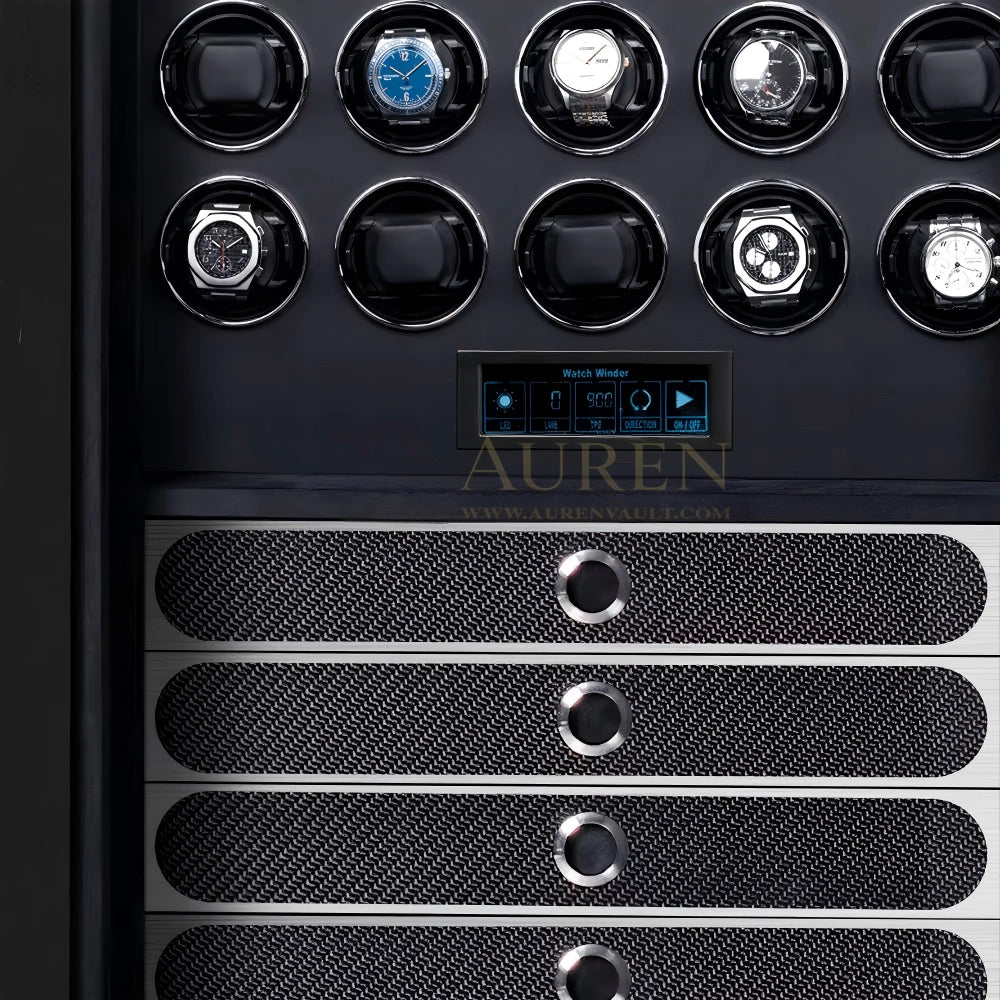
For collections with multiple automatic movements, individually controlled winding modules are preferable to a shared program that forces every watch to follow identical settings.
Cushion Fit for Cartier Bracelets and Leather Straps
Cartier watches often have relatively refined case proportions and integrated bracelet designs.
The Santos, for example, has a recognizable square case and metal bracelet, while many Tank references are paired with leather straps.
A large, rigid cushion can create unnecessary pressure on a short bracelet or stretch a leather strap beyond its usual wearing position.
A cushion that is too small introduces a different problem: the watch may shift during rotation.
An appropriate holder should keep the watch stable without concentrating force on the case, clasp, or strap.
The most useful physical characteristics are:
-
Adjustable or interchangeable watch cushions.
-
Secure support for different case shapes and bracelet lengths.
-
Adequate clearance around the crown and case.
-
Easy watch removal without pulling excessively on the strap.
These are practical considerations, not merely aesthetic preferences.
A quiet motor and a polished enclosure cannot compensate for a holder that does not fit the watch correctly.
Quiet Motors and Controlled Rest Cycles
A watch winder used in a bedroom, dressing area, or private office should operate quietly enough for its location.
High-quality motor control and properly distributed rest periods contribute to a more practical ownership experience.
The goal is to reproduce a suitable winding routine, not to keep the watch moving continuously.
For multiple watches, stable and independently programmed winding modules can also make daily management more convenient.
Choosing Between a Standalone Winder and a Watch Winder Safe
A standalone watch winder is generally designed around convenience and display.
It maintains an automatic watch's operating state and may provide an attractive way to present one or several timepieces.
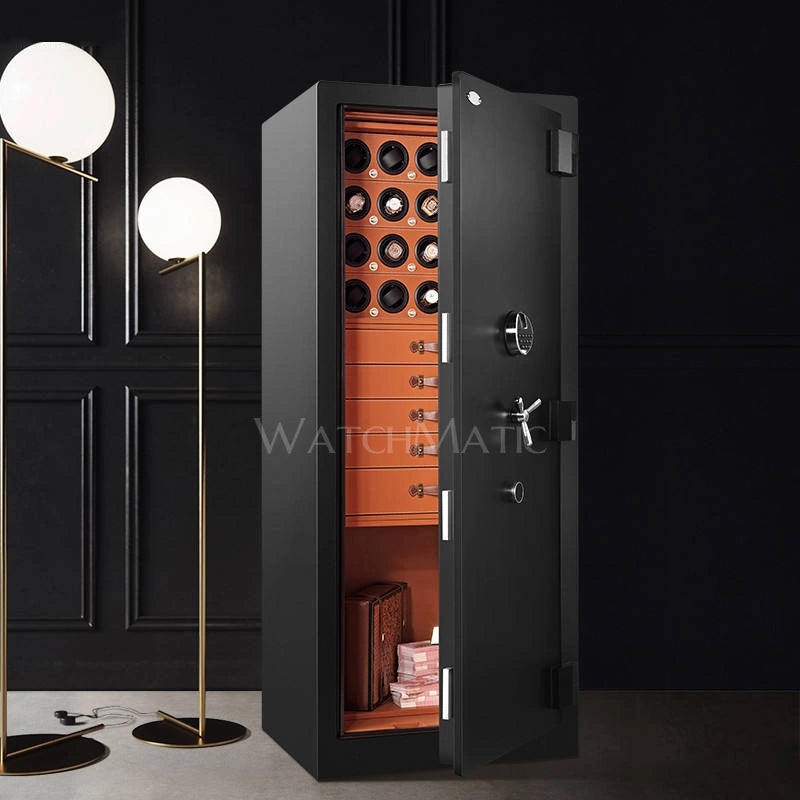
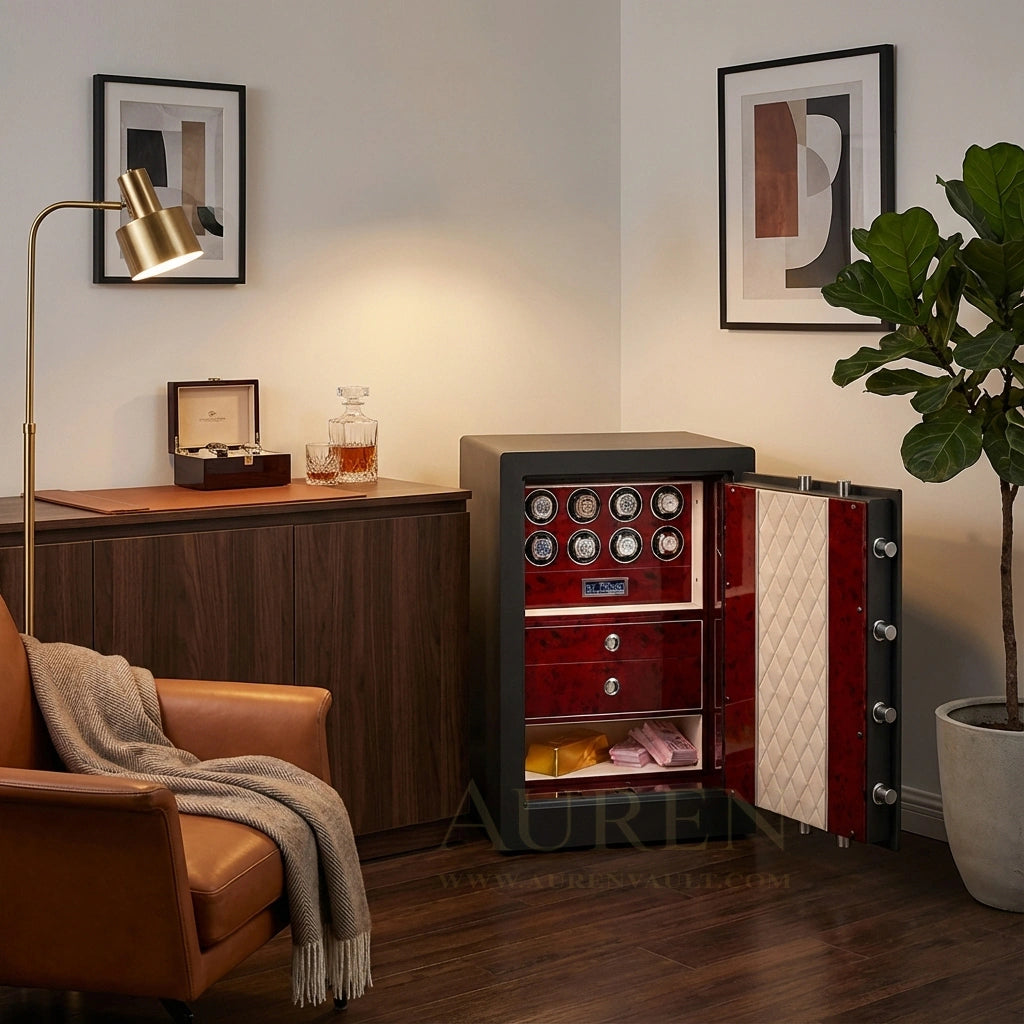
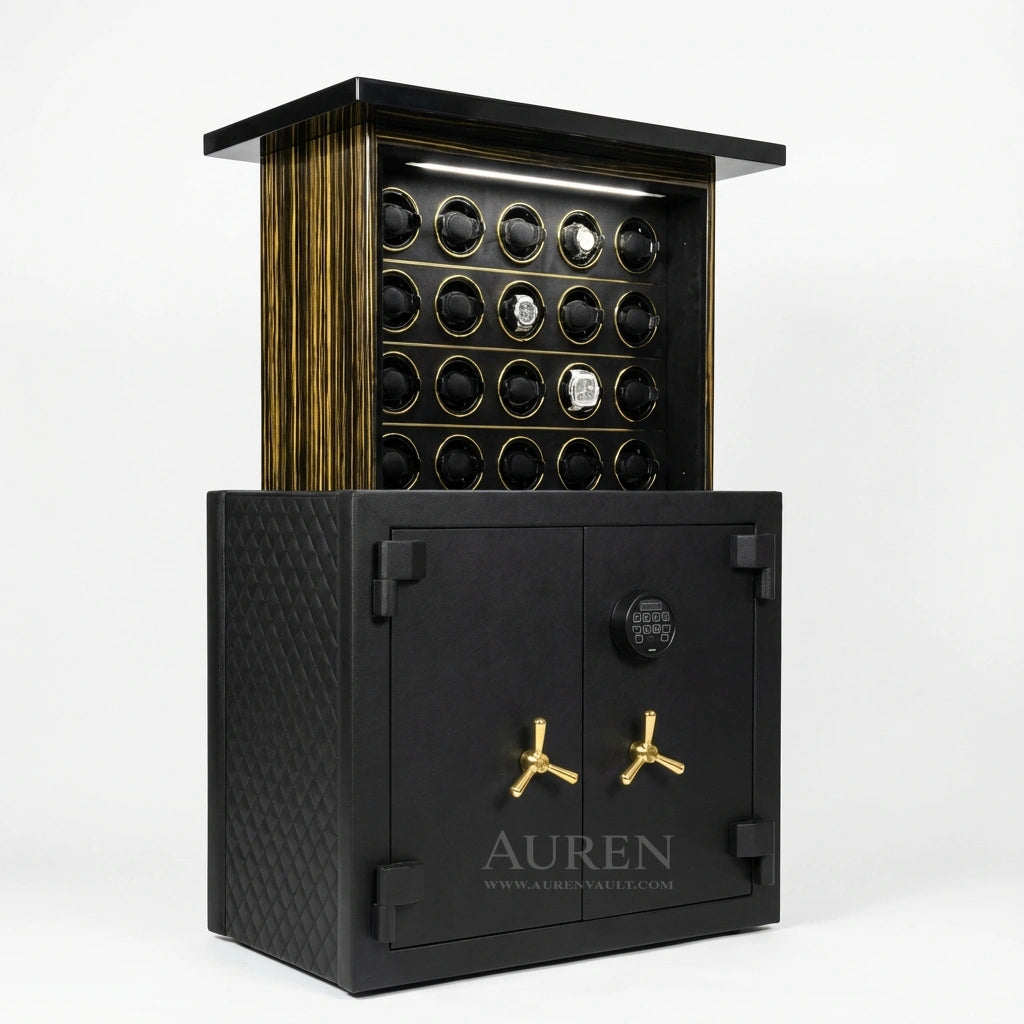
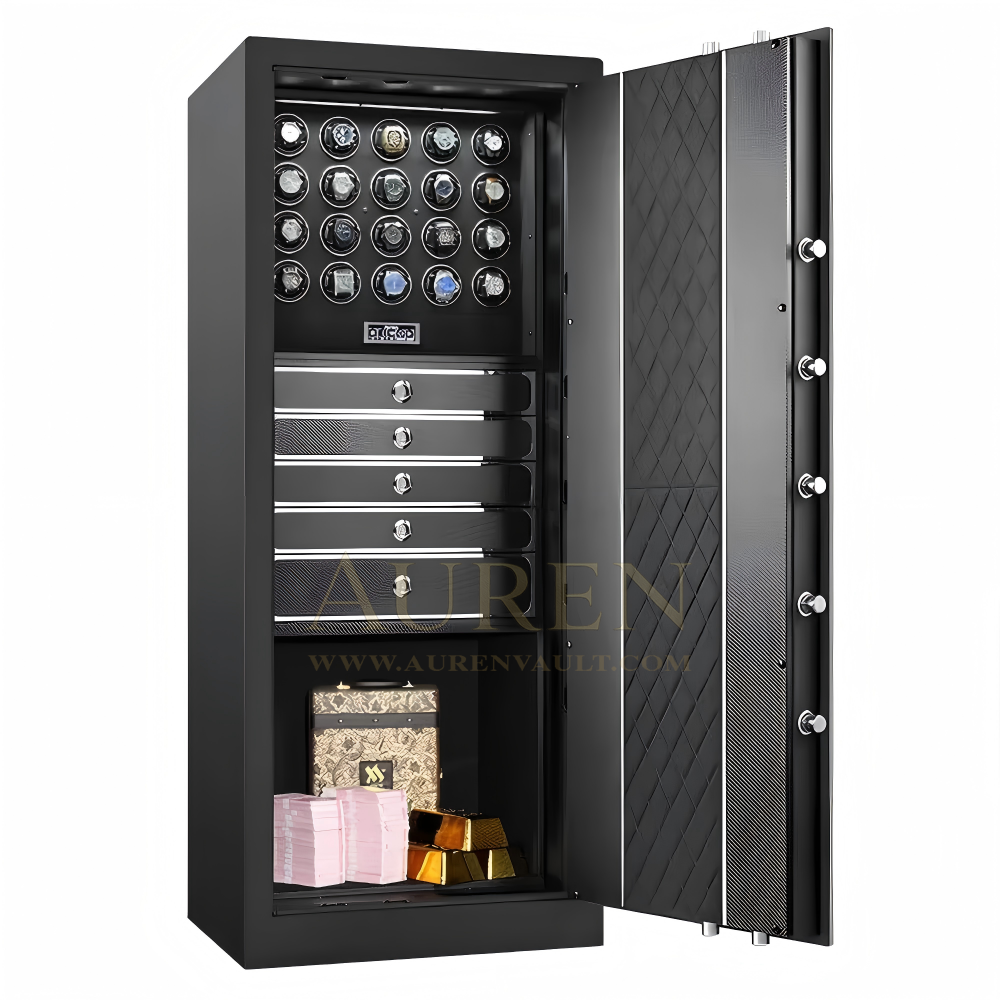
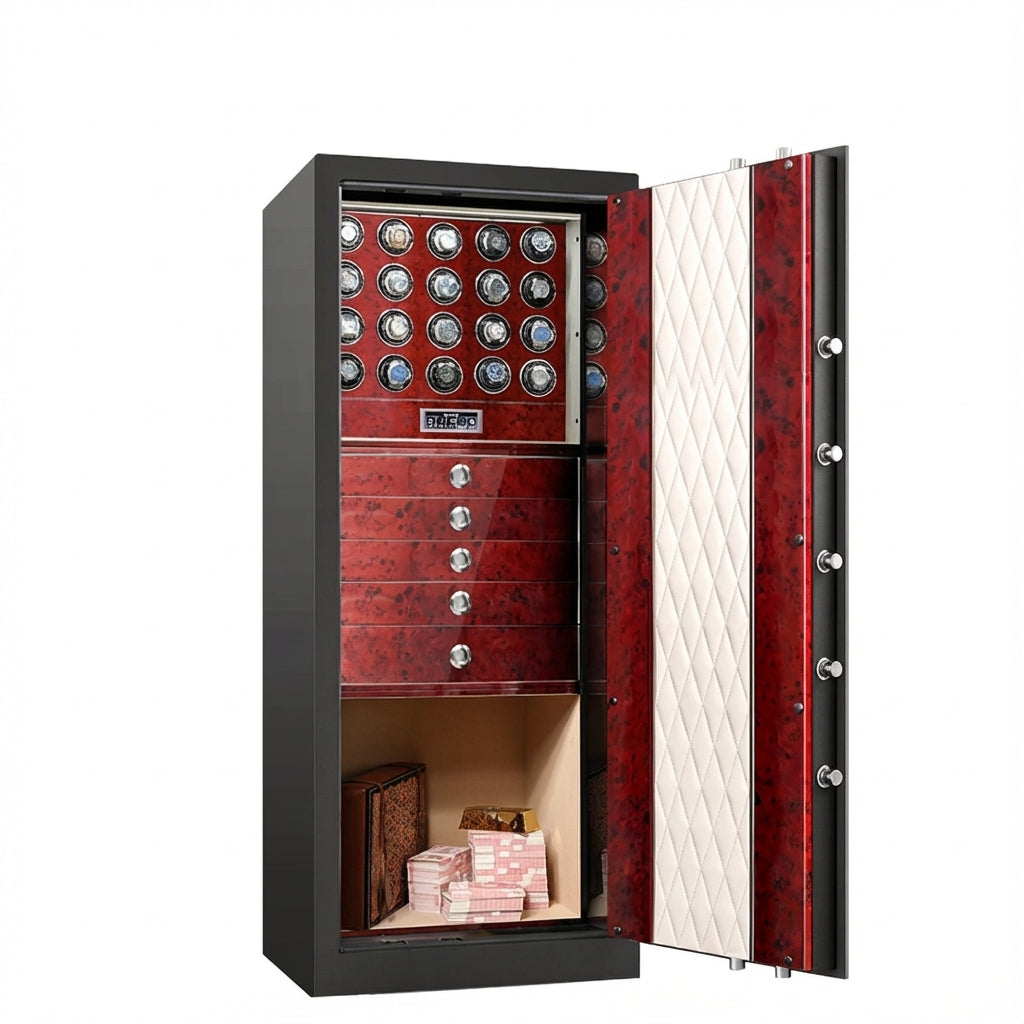
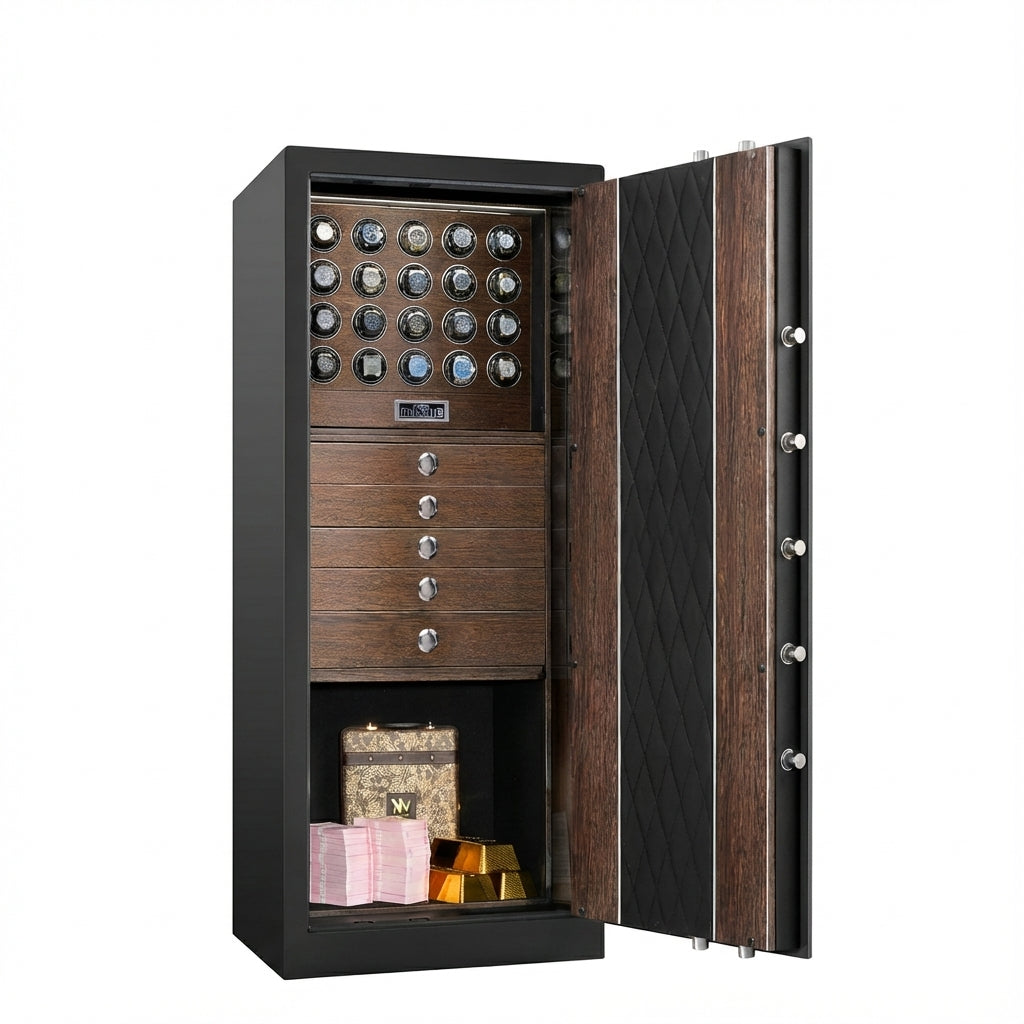
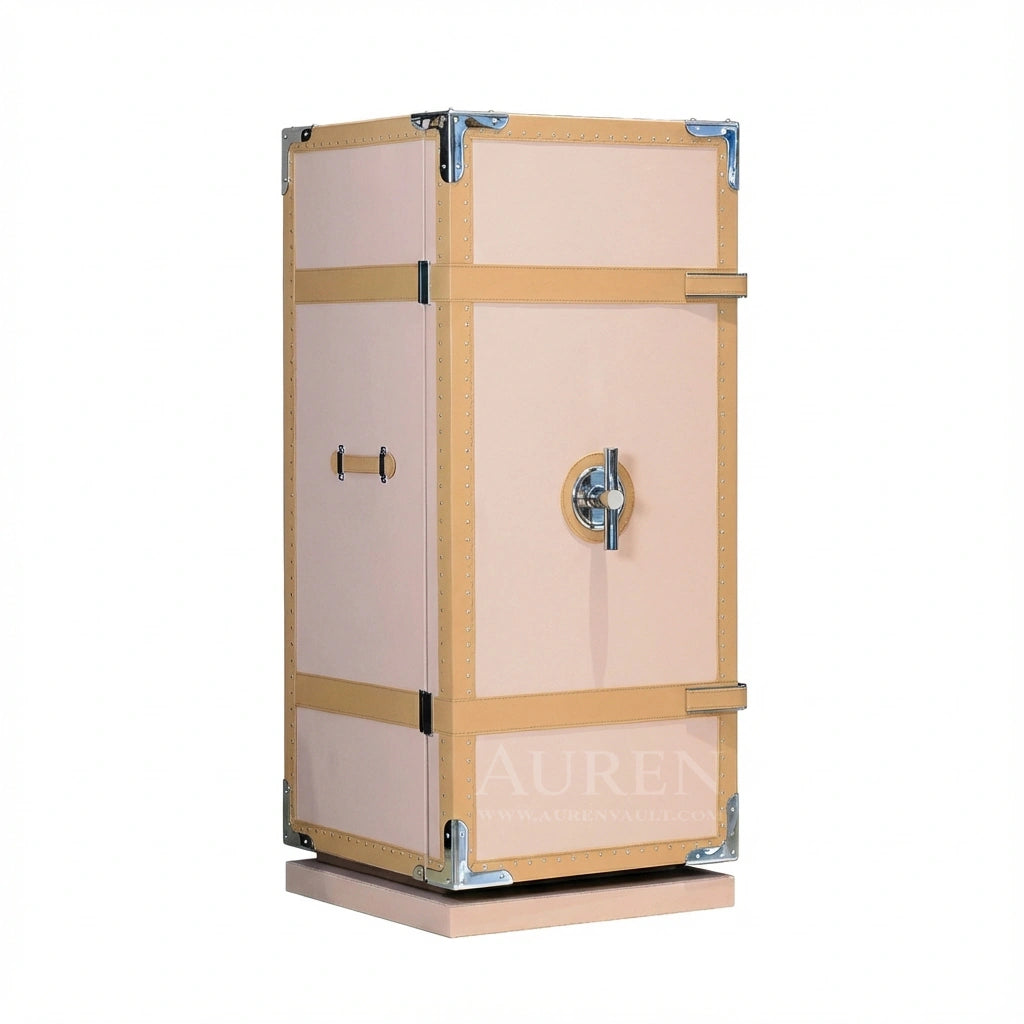
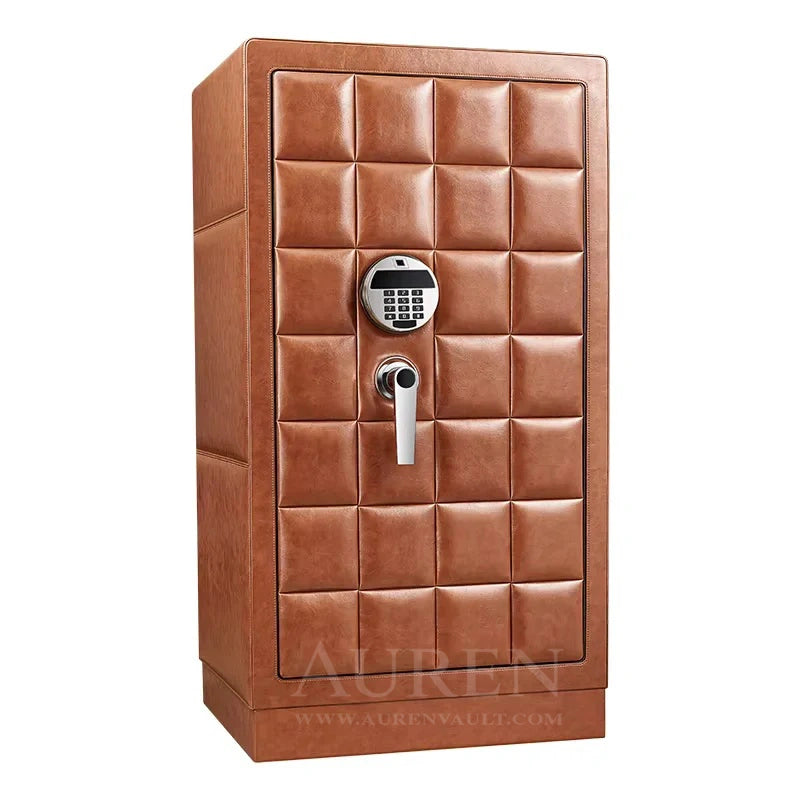
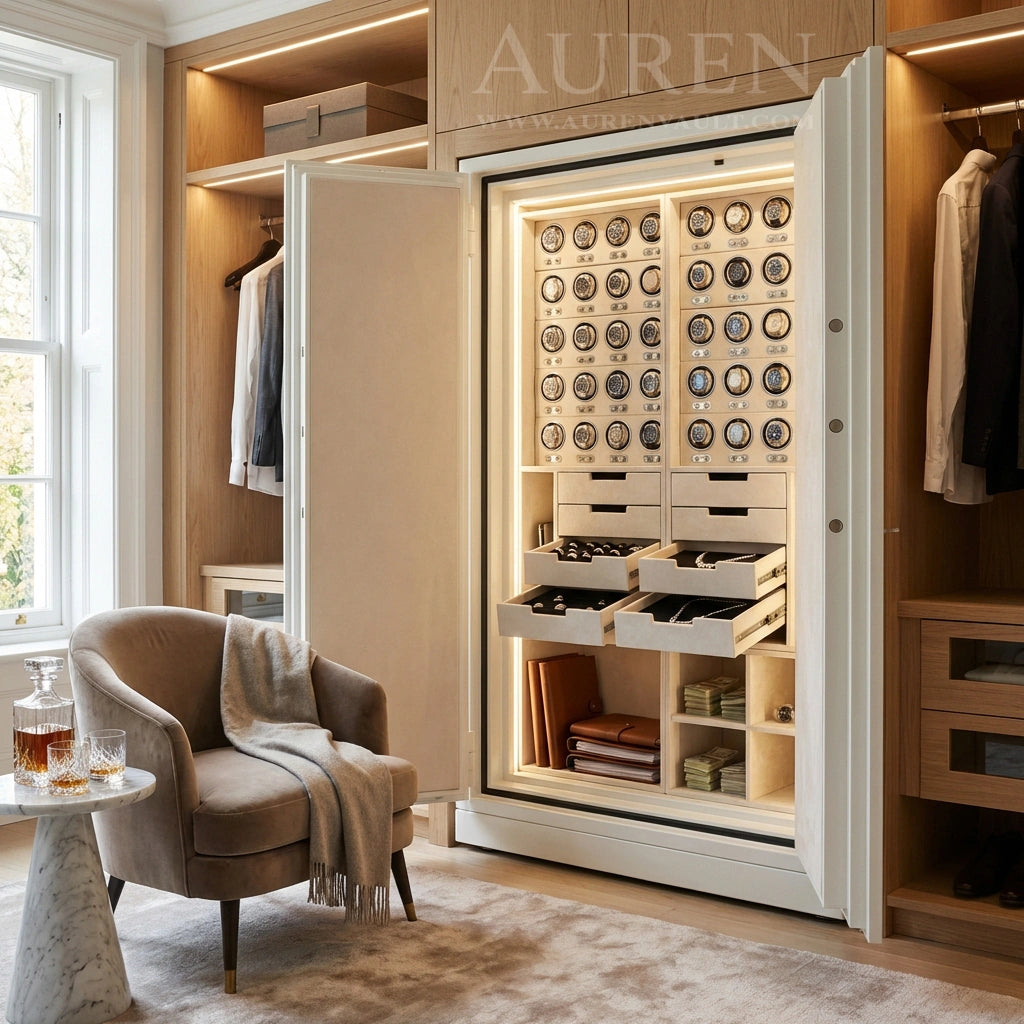
A watch winder safe combines winding functionality with an enclosed, lockable storage environment.
The difference becomes increasingly relevant as the collection grows.
For someone who owns a single automatic Santos and already has suitable secure storage, a compact winder may offer everything required.
For an owner with several valuable Cartier watches, an integrated solution can reduce the need to move watches repeatedly between a winder and a separate safe.
| Decision factor | Standalone winder | Watch winder safe |
|---|---|---|
| Automatic winding | Primary function | Integrated function |
| Physical security | Usually limited | Depends on safe construction and specifications |
| Storage capacity | Often compact | Available in compact and larger configurations |
| Passive watch storage | Model-dependent | Can be incorporated in suitable designs |
| Interior integration | Shelf, dresser, desk | Dressing room, office, or dedicated storage area |
| Best suited for | Winding convenience | Combined winding, organization, and security |
The most important distinction is that a lockable enclosure should not automatically be considered burglary-resistant or fire-certified.
The actual level of protection depends on construction, installation, locking mechanisms, and any independently documented test results.
Collectors interested in an integrated solution can examine secure storage with built-in winding modules to understand the available configurations.
The broader watch winder safe guide is also relevant when comparing security requirements with winding capacity.
A Mixed Cartier Collection Needs More Than Winding Positions
Imagine a collection consisting of two automatic Santos watches, one automatic Ballon Bleu, a quartz Panthère, and a manually wound Santos-Dumont.
That is a five-watch collection, but only three watches require automatic winding positions.
Selecting a cabinet with five active rotors would provide more winding capacity than the collection currently needs.
A more practical configuration could combine three independently programmable modules with two passive storage positions.
That arrangement preserves room for the quartz and manually wound watches while allowing the automatic pieces to remain ready for wear.
This distinction becomes more important when the collection includes jewelry, spare bracelets, straps, and other accessories.
The total number of watches is not always the most useful measurement of storage requirements.
The number of automatic movements, the frequency of wear, and the need for protected storage provide a better foundation for selecting capacity.
Storage for Larger Collections
As collections expand, security and organization may become more important than additional winding modules.
A larger watch cabinet can provide dedicated positions for active winding alongside passive compartments for watches that do not require it.
The overall selection of watch storage safes offers a starting point for considering capacity, presentation, and storage arrangements.
For substantial collections, large-format luxury watch safes may offer a more suitable approach than several separate tabletop units.
The preferred configuration depends on the owner's collection, available floor space, electrical requirements, and security expectations.
When Custom Storage Is More Appropriate
Standard configurations cannot always accommodate the balance of watches and accessories in a mixed collection.
A Cartier owner may want winding positions for automatic Santos references, separate supports for delicate leather straps, and drawers for watches that do not require winding.
The available space may also introduce architectural constraints.
For example, a cabinet intended for a private dressing room needs to work with surrounding furniture, access clearances, and the practical requirements of safe installation.
A bespoke arrangement can address winding quantity, passive storage, interior configuration, and exterior finishes through custom watch safe design options.
The purpose of customization is to make storage more functional and appropriate to the collection, rather than simply increasing the number of available features.
Should a Cartier Watch Stay on a Winder All the Time?
There is no general requirement to keep every automatic Cartier watch running continuously.
Automatic movements are designed to receive energy during wear. When unworn, the mainspring gradually releases its stored energy until the watch stops.
A compatible winder can keep the movement running when this is convenient, but allowing an automatic watch to stop is not inherently harmful.
The decision depends on the owner's routine.
If an automatic Santos is worn almost every day, a winder may be unnecessary.
If several automatic watches are rotated throughout the week, keeping them running can reduce the frequency of time and date adjustments.
For watches intended for longer-term storage, physical protection and suitable environmental conditions may take priority over constant operation.
The watch storage and preservation guide provides additional context for evaluating storage conditions beyond the winding system itself.
A watch winder is therefore best understood as one part of a broader approach to watch ownership.
Common Cartier Watch Winder Mistakes
Many winding problems begin with an incorrect assumption rather than a defective device.
The most common is treating all watches from the same brand as mechanically identical.
A recommendation for calibre 1847 MC cannot automatically be applied to a manual-winding Santos-Dumont or an older automatic movement.
Another mistake is assuming that higher TPD always produces better results.
A correctly configured automatic watch generally needs enough winding to maintain an appropriate reserve, not the maximum number of rotations the device can deliver.
Physical fit deserves equal attention. A poorly supported watch can move during rotation, while a tightly compressed bracelet or strap may be subjected to unnecessary pressure.
Finally, an owner should not interpret repeated stoppages as proof that more rotation is required. Incorrect winding direction, insufficient initial winding, mechanical servicing needs, or winder malfunction can produce similar symptoms.
A systematic assessment is more useful than repeatedly increasing the operating speed.
Frequently Asked Questions About Cartier Watch Winders
What is the best watch winder setting for Cartier Santos?
For a Santos de Cartier equipped with the automatic 1847 MC movement, approximately 650 TPD with bidirectional rotation is a commonly published starting recommendation. Confirm that your specific watch uses this movement before applying the setting.
Does a Cartier Ballon Bleu need a watch winder?
Only automatic Ballon Bleu references can benefit from a conventional watch winder. Cartier has used different movements across the collection, so the correct rotation direction and TPD should be determined by the specific calibre.
Can a Cartier Tank use a watch winder?
Yes, if it contains an automatic movement. Certain Tank Must and Tank Louis Cartier references are automatic, while many other Tank models are quartz, photovoltaic, or manually wound. A winder is not useful for those non-automatic versions.
Does the Panthère de Cartier need winding?
Contemporary quartz Panthère watches do not require automatic winding. They should be stored securely without an active winding program.
Can a watch winder overwind a Cartier automatic watch?
Modern automatic watches generally include a slipping mechanism that helps prevent excessive mainspring tension. However, unnecessary rotation is still best avoided. The winder should use a suitable program with appropriate rest cycles.
Is it safe to put a Cartier watch with a leather strap on a winder?
Yes, provided the watch is automatic and its strap fits the holder correctly. Choose a cushion that secures the watch without stretching the leather excessively or placing uneven pressure on the case.
Is a watch winder necessary if I wear my Cartier every day?
Usually not. Regular wrist movement can provide adequate winding for a properly functioning automatic watch. A winder becomes more useful when the watch is left unworn for several days or is part of a rotating collection.
Related Reading: Watch Winder Guides for Other Luxury Watches
Winding requirements differ not only between Cartier movements but also across major Swiss watchmakers. These related guides offer further comparisons for owners of mixed collections.
Best Watch Winder for Vacheron Constantin Watches
Explore movement compatibility, winding direction, and storage considerations for Vacheron Constantin automatic timepieces.
Best Watch Winder for Richard Mille Watches
Understand how variable-geometry and declutchable rotor systems influence watch winder selection.
Best Watch Winder Settings for Patek Philippe Watches
Review winding programs and practical considerations for automatic Patek Philippe watches.
Final Thoughts: The Right Winder Depends on the Watch
Cartier's design identity is remarkably consistent, but the mechanical systems behind its watches are not.
An automatic Santos, a quartz Panthère, and a manually wound Santos-Dumont can all belong in the same collection while requiring entirely different approaches to storage and operation.
For automatic Cartier watches, a suitable winder begins with movement identification and appropriate programming. Cushion fit, quiet operation, and reliable rest cycles then determine how well the device fits into everyday ownership.
For a larger collection, the decision extends beyond winding to organization, protection, and accessibility.
As a specialist in watch storage and integrated winding solutions, Auren Vault approaches these requirements through configurations designed to accommodate different collection sizes and storage priorities.
The best watch winder is ultimately not the one with the most elaborate display or the highest rotation count.
It is the one that supports the specific movement, respects the watch's physical design, and makes ownership more convenient without adding unnecessary complexity.