
The best watch winder for Ebel watches is a programmable model that matches the specific movement's turns per day (TPD), supports the correct winding direction, and holds the watch securely without placing unnecessary pressure on its bracelet or strap.
Ebel requires particular attention because its mechanical heritage includes several distinct automatic chronograph movements. Independent winding references commonly recommend approximately 800 TPD with bidirectional rotation for the Ebel 1911 BTR Calibre 137 and Calibre 139. By contrast, the 1911 Discovery Chronograph with Calibre 750 is commonly listed at approximately 800 TPD clockwise.
Modern Ebel watches also include automatic Sport Classic and 1911 references, alongside numerous quartz models that do not need mechanical winding.
For collectors, a suitable winder can maintain automatic movements between wears and reduce repeated time and calendar adjustments. However, the correct choice depends on the exact calibre, not simply the collection name.
Movement compatibility, adjustable programming, secure bracelet support, and practical storage should guide the decision.
Why Ebel Watches Require Careful Movement Identification
Ebel has a distinctive place in Swiss watchmaking.
Founded in La Chaux-de-Fonds in 1911, the company became known for a combination of elegant case design, refined bracelets, and sophisticated mechanical chronographs.
Its characteristic wave-link bracelets remain an important part of the brand's identity.
However, Ebel's watchmaking history is mechanically more varied than its consistent design language might suggest.
The brand has produced watches with conventional automatic movements, specialized chronograph calibres, modified third-party movements, and quartz mechanisms.
Some Ebel 1911 Chronographs use the manufacture-associated Calibre 137.
Other watches in the broader 1911 family incorporate different chronograph movements.
The current Sport Classic collection also includes automatic references alongside quartz versions.
A collector therefore cannot determine winding compatibility from the Ebel name alone.
An automatic movement receives energy through an oscillating rotor that moves with the wearer's wrist.
The rotor transfers energy to the mainspring through the movement's winding mechanism.
When the watch is removed, its stored energy gradually declines.
Once the available power reserve is exhausted, the watch stops.
A conventional watch winder recreates some of the movement required to maintain the mainspring's energy.
Its purpose is convenience.
It does not increase the movement's inherent accuracy, eliminate mechanical wear, or replace servicing.
For an owner who wears the same automatic Ebel every day, a winder may offer little additional benefit.
For a collector who alternates between several Ebel chronographs, a Sport Classic Automatic, and other mechanical watches, a properly configured winding system can be more useful.
Which Ebel Watches Can Use a Watch Winder?
Ebel's automatic catalogue spans different generations and movement families.
The following table compares representative watches.
| Ebel watch or movement | Representative calibre | Movement type | Watch winder compatibility |
|---|---|---|---|
| 1911 BTR Automatic Chronograph | Calibre 137 | Automatic chronograph | Yes |
| Selected 1911 BTR Chronographs | Calibre 139 | Automatic chronograph | Yes |
| 1911 BTR Automatic GMT | Calibre 240 | Automatic GMT | Yes |
| 1911 BTR Perpetual Calendar Chronograph | Calibre 288 | Automatic complicated movement | Yes |
| 1911 Discovery Chronograph | Calibre 750 | Automatic chronograph | Yes |
| Selected older Ebel 1911 Chronographs | Calibre 134 | Zenith El Primero-derived automatic chronograph | Yes |
| 1911 Senior Automatic | Calibre 125 | Automatic | Yes |
| Current Sport Classic 37 mm Automatic | Swiss automatic, exact calibre reference-dependent | Automatic | Yes |
| Current Ebel 1911 44 mm Chronograph | Swiss automatic chronograph | Automatic | Yes |
| Selected Ebel Wave models | Quartz | Battery-powered | No |
| Selected Ebel Brasilia models | Quartz | Battery-powered | No |
The specific movement must be confirmed for the exact reference.
Ebel has used different movement platforms across its collections and production generations.
The designation 1911 is especially broad and should not be treated as a single mechanical specification.
Ebel Watch Winder Settings: TPD and Rotation Direction
Two operating parameters determine how an external watch winder maintains an automatic movement.
Turns per day (TPD) describes how many programmed rotations the device performs during a 24-hour period.
Rotation direction determines whether the watch turns clockwise, counterclockwise, or alternately in both directions.
Different automatic movements can respond differently to these programs.
Some wind efficiently through both directions of rotor movement.
Others wind primarily in one direction.
Consequently, a high TPD setting may not maintain the watch if the direction is unsuitable.
For Ebel, this is particularly important because several well-known chronograph movements have different published recommendations.
Ebel Winder Settings by Calibre
| Ebel calibre | Published third-party guidance | Direction |
|---|---|---|
| 125 | Approximately 650 TPD | Bidirectional |
| 137 | Approximately 800 TPD | Bidirectional |
| 139 | Approximately 800 TPD | Bidirectional |
| 240 | Approximately 800 TPD | Bidirectional |
| 288 | Approximately 800 TPD | Bidirectional |
| 750 | Approximately 800 TPD | Clockwise |
| 245 | Approximately 800 TPD | Bidirectional |
| 134 | Verify movement-specific settings | Confirm for the exact reference |
| Current Sport Classic Automatic | Verify identified Swiss automatic movement | Calibre-specific |
| Current Ebel 1911 Automatic Chronograph | Verify the movement used in the particular reference | Calibre-specific |
These are independent watch-winder database recommendations, not a universal Ebel factory chart.
For several historical calibres, established third-party references provide useful starting information.
However, their recommendations should still be checked against the exact movement and the winder's programming conventions.
Why Ebel Calibres 137 and 139 Are Commonly Listed at 800 TPD
The Calibre 137 and Calibre 139 are among Ebel's most important automatic chronograph movements.
They employ a bidirectional automatic winding architecture.
Independent winding databases, including established watch-winder manufacturers' records, list approximately 800 TPD with bidirectional rotation for several watches containing these calibres.
That gives collectors a more specific starting point than a general recommendation of 650 TPD for every Swiss automatic.
However, the published setting should still be verified for the actual reference.
The device's method of counting rotations also matters.
A bidirectional program delivering 800 total rotations should not automatically be considered equivalent to one delivering 800 rotations in each direction.
The correct number depends on how the winder defines its operating cycles.
Why the Discovery Chronograph Can Be Different
The Ebel 1911 Discovery Chronograph with Calibre 750 is commonly listed at approximately 800 TPD clockwise.
This is a different program from the bidirectional recommendations associated with Calibre 137 and 139.
The distinction demonstrates why a collector should not apply one generic Ebel chronograph setting across the entire brand.
Chronograph functionality describes the watch's timing complication.
It does not identify the exact automatic winding mechanism.
For the correct settings, the owner must identify the calibre.
For a deeper explanation of winding direction and daily rotation counts, consult the watch TPD guide.
Ebel Calibre 137: A Defining Automatic Chronograph Movement
Calibre 137 is central to Ebel's modern mechanical heritage.
Developed during the 1990s and introduced with the Le Modulor chronograph family, it marked an important stage in the company's movement development.
The movement is associated with a sophisticated self-winding chronograph architecture.
It operates at 28,800 vibrations per hour and provides approximately 48 hours of power reserve in documented versions.
The movement incorporates a bidirectional winding rotor supported by a ball-bearing system.
Its finishing and construction reflect Ebel's emphasis on combining technical watchmaking with refined design.
Best Winder Settings for Calibre 137
Independent watch-winder records commonly specify approximately 800 TPD with bidirectional rotation.
This is more relevant than choosing 650 TPD solely because the movement is Swiss automatic.
A suitable winder should allow the owner to select the correct daily rotation count and direction.
The program should operate through controlled cycles with rest periods.
Continuous uninterrupted rotation is unnecessary.
A well-designed device supplies enough movement to maintain the reserve without relying on excessive activity.
Why a Calibre 137 Chronograph Benefits From a Winder
Consider a collector who wears an Ebel 1911 BTR Chronograph occasionally.
When the watch is left stationary longer than its available reserve, it stops.
The owner must restart the movement and restore its ordinary timekeeping indications.
A compatible winder can keep the watch operating between wears.
This reduces repeated setup.
However, the winder does not operate the chronograph pushers.
The timing function remains separate from the automatic winding mechanism.
The Historical Importance of Calibre 137
Ebel's Calibre 137 has particular appeal among collectors because it represents a distinctive period in the brand's mechanical development.
The movement was associated with the Le Modulor family before later being used in other chronograph references.
Its architecture differs from the standard Valjoux 7750 arrangement familiar in many Swiss chronographs.
This distinction is reflected in independent winding recommendations.
A collector should not automatically assign the clockwise-only 7750 program to Calibre 137.
The appropriate starting reference for documented Calibre 137 watches is bidirectional operation, with the exact program verified for the reference.
Ebel 1911 BTR: Choosing a Winder for a Collection of Complications
The Ebel 1911 BTR family represents a more technically ambitious chapter in the brand's history.
Its watches include automatic chronographs, GMT models, and complicated calendar references.
The collection incorporates several movements, including Calibres 137, 139, 240, and 288.
Their different functions make movement identification important.
Calibre 139 Automatic Chronograph
The Ebel 1911 BTR Calibre 139 is another self-winding chronograph movement.
Documented versions operate at 28,800 vibrations per hour and provide approximately 48 hours of power reserve.
Like Calibre 137, it uses a bidirectional rotor arrangement.
Independent winding databases commonly recommend approximately 800 TPD with bidirectional rotation.
For an owner alternating between multiple chronographs, a compatible winder can maintain the movement's operation between wears.
However, the exact watch reference should still be confirmed.
Calibre 240 Automatic GMT
The 1911 BTR Automatic GMT introduces a second-time-zone function.
Independent winder references commonly list Calibre 240 at approximately 800 TPD with bidirectional rotation.
The complication makes continuous operation potentially more convenient.
When a GMT watch stops, its additional time-zone indications may need to be restored.
A compatible winder can reduce how frequently the owner must repeat those adjustments.
However, the winder does not automatically change the indicated time zone when the owner travels.
It only maintains the movement's energy.
Calibre 288 Perpetual Calendar Chronograph
The 1911 BTR Perpetual Calendar Chronograph introduces a substantially more complicated mechanical arrangement.
A perpetual calendar is designed to account automatically for different month lengths and leap years within its supported calendar cycle.
When the movement stops, restoring the calendar indications can be more involved than setting a conventional automatic watch.
For this reason, a compatible winder can offer meaningful practical value.
Independent winder references commonly list the Calibre 288 at approximately 800 TPD with bidirectional rotation.
The owner should verify the exact movement and follow the manufacturer's calendar-setting instructions.
A winder cannot correct a calendar that has been set incorrectly.
Its role is to help preserve an already correct setting by maintaining movement operation.
Why Independent Programming Is Useful for BTR Collections
A collector may own several 1911 BTR watches with different complications.
Although multiple calibres have similar published TPD recommendations, independent programming remains useful.
It allows each watch to receive a separately verified setting.
It also provides flexibility when new watches are added.
A system that forces every winding position to use one fixed program may be unnecessarily restrictive.
For complicated mechanical watches, reliability and correct programming matter more than decorative features.
Ebel 1911 Discovery Chronograph: The Calibre 750 Difference
The 1911 Discovery Chronograph offers a useful contrast to the BTR movements.
Selected references use Calibre 750.
Independent winding references commonly list this movement at approximately 800 TPD clockwise.
This differs from the bidirectional recommendations associated with Calibres 137 and 139.
The difference is important for collectors who own multiple Ebel chronographs.
Do Not Use One Program for Every Ebel Chronograph
Consider a collector who owns a 1911 BTR with Calibre 137 and a 1911 Discovery Chronograph with Calibre 750.
Both are automatic chronographs.
Both may benefit from approximately 800 daily rotations according to independent references.
However, the recommended directions differ.
A fixed bidirectional program may not be suitable for both.
A fully programmable winder with independent controls is therefore preferable.
The owner should also confirm the rotation-direction convention used by the winding device.
Clockwise may be described differently depending on the viewing perspective.
Physical Fit Matters for Chronographs
Chronograph cases can have prominent crowns and pushers.
The winding compartment should provide enough clearance for these components.
The watch should remain stable throughout rotation.
A poorly fitted cushion can allow the case to shift, creating unnecessary contact with surrounding surfaces.
For a substantial chronograph, a stable holder and reliable motor are more valuable than an elaborate display enclosure.
Ebel's Older Chronographs: Understanding Calibre 134
Ebel's mechanical history includes important movements developed from external Swiss movement platforms.
One notable example is Calibre 134, associated with Zenith El Primero-derived chronographs.
These watches belong to an earlier generation than the Calibre 137 Le Modulor family.
The distinction is useful for collectors researching older Ebel Sport Classic and 1911 Chronographs.
Although both types may be described simply as Ebel automatic chronographs, they do not contain the same movement.
The appropriate winding program should follow the identified calibre.
A recommendation published for Calibre 137 should not automatically be applied to Calibre 134.
Original documentation and service records are particularly valuable when dealing with vintage watches.
For an older watch whose movement cannot be identified confidently, a qualified watchmaker can help confirm the calibre.
Why Vintage Ebel Watches Deserve Additional Care
An older mechanical watch may have undergone servicing or component replacement over its lifetime.
Its movement condition can differ from that of a recently manufactured watch.
A watch winder should not be used to compensate for a movement that no longer maintains its reserve properly.
If the watch repeatedly stops despite being correctly started and placed on an appropriate program, mechanical inspection may be necessary.
Continuous rotation cannot correct every issue related to wear, lubrication, or regulation.
For valuable vintage chronographs, the owner should also consider whether continuous operation is necessary.
Passive storage may be appropriate when the watch is worn only occasionally.
Current Ebel 1911 Automatic Chronographs
The modern Ebel 1911 collection continues the brand's emphasis on refined mechanical chronographs.
Selected current references use 44 mm cases, sapphire case backs, and Swiss automatic chronograph movements.
Some versions combine stainless steel with gold-toned or precious-metal components and are supplied with both a bracelet and an additional leather strap.
These watches are suitable candidates for compatible automatic winders.
However, a current product description identifying only a "Swiss automatic chronograph movement" does not necessarily disclose the specific calibre.
This is an important limitation.
It would be incorrect to assume that every current Ebel 1911 Chronograph uses Calibre 137, 139, or 750.
The exact movement should be confirmed before selecting the program.
Why 44 mm Ebel Chronographs Need Proper Clearance
A 44 mm chronograph requires more space than a compact dress watch.
The case, crown, and pushers should not contact the winding compartment during rotation.
Bracelet size and strap construction also matter.
A fitted metal bracelet may require a compressible holder.
A leather strap should not be stretched around an oversized rigid cushion.
The watch must remain stable without excessive pressure.
For owners alternating between the supplied bracelet and leather strap, adjustable holders provide greater flexibility.
Ebel Sport Classic Automatic: The Wave Bracelet Matters
The Ebel Sport Classic is among the brand's most recognizable designs.
Its flowing bracelet links and refined case integration create a distinctive visual identity.
The contemporary collection includes both automatic and quartz watches.
Selected 37 mm Sport Classic references use Swiss automatic movements.
These watches can benefit from compatible winders, but the exact calibre should be identified before assigning TPD.
Why the Wave Bracelet Needs Careful Support
Ebel's signature wave-link bracelet is designed to follow the wrist comfortably.
However, a bracelet that is properly fitted to the wearer may not fit naturally around a large rigid winder cushion.
Forcing the bracelet into an oversized circumference can create unnecessary tension at the links and clasp.
A softly compressible cushion allows the watch to be secured more comfortably.
The holder should keep the case stable without requiring excessive pressure.
This is a particularly important consideration for watches with smaller fitted bracelet circumferences.
Does a 37 mm Sport Classic Need Less TPD?
Not because it is smaller.
Case diameter does not establish winding requirements.
The movement determines the necessary rotation program.
A 37 mm automatic watch can have different winding characteristics from a larger automatic chronograph, but the difference is mechanical rather than simply dimensional.
The correct approach is to identify the Swiss automatic calibre and select the appropriate program.
The cushion should then be chosen according to the watch's physical fit.
Quartz Sport Classic Models Do Not Need Winders
The Sport Classic collection also includes quartz references.
These watches do not receive energy through an automatic rotor.
Placing them inside a conventional winder does not recharge the battery.
For a mixed Sport Classic collection, automatic watches should occupy winding positions while quartz references remain in protected passive storage.
This is more efficient than using a rotating module for every watch regardless of movement type.
Ebel Wave, Brasilia, and Other Quartz Watches
Ebel's catalogue includes many quartz watches, particularly within jewelry-oriented and design-focused collections.
Selected Ebel Wave and Brasilia watches use Swiss quartz movements.
These models do not benefit from conventional automatic winding.
A rotating winder does not replenish their electrical energy.
They should instead be stored appropriately, with battery maintenance performed according to the manufacturer's instructions.
The Difference Between Winding and Storage
A quartz Ebel may still deserve careful physical protection.
Its case finishing, bracelet, dial, and decorative materials can have significant value.
However, the storage requirement is different from that of an automatic mechanical watch.
The owner needs a suitable protected compartment rather than a powered winding module.
This distinction becomes important when planning storage for a collection containing both mechanical chronographs and quartz dress watches.
The most useful system may combine active winding positions with stationary holders.
What to Look for in a Premium Ebel Watch Winder
Ebel collectors should prioritize mechanical compatibility and gentle physical support.
The following characteristics are especially relevant.
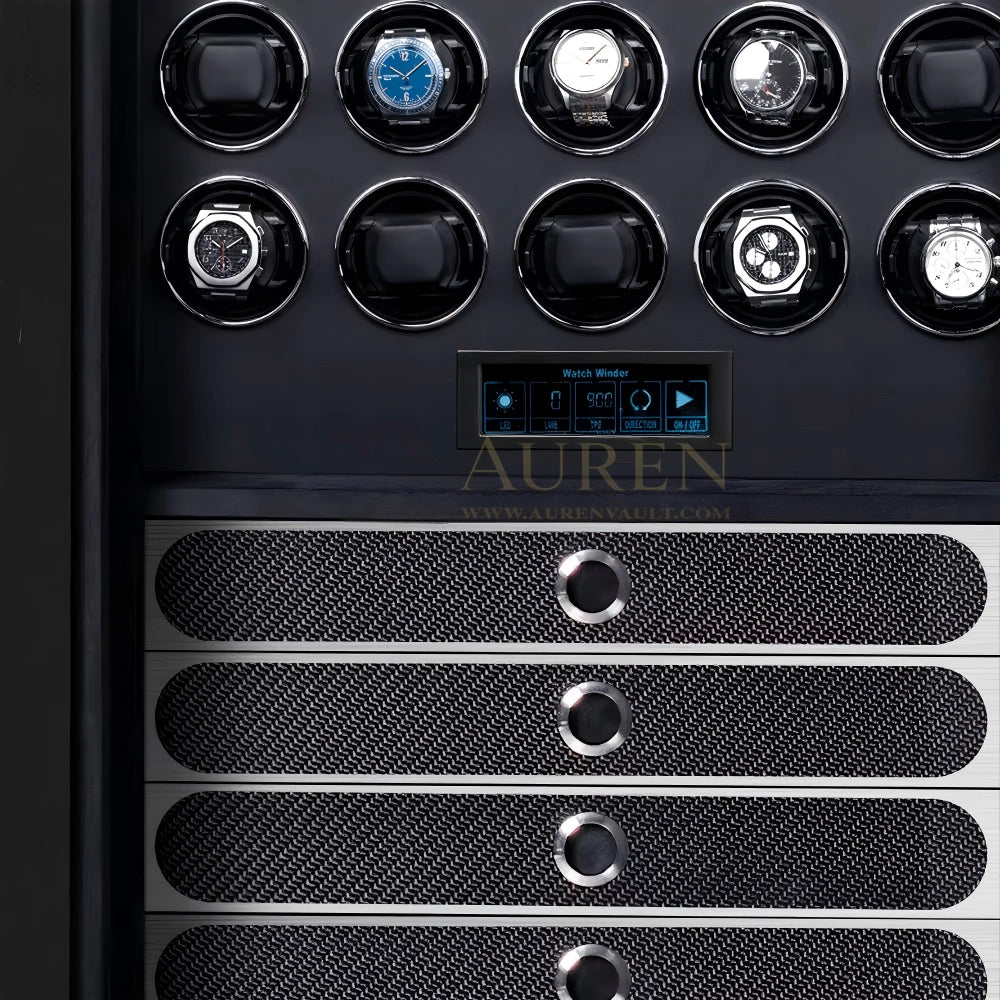
Adjustable TPD and Rotation Direction
A suitable winder should support clockwise, counterclockwise, and bidirectional operation.
It should also offer a useful range of daily rotation programs.
This flexibility is important because Calibre 137 and Calibre 750 have different published direction recommendations.
For multiple watches, independent control for each module is preferable.
Reliable Rest Periods
An automatic watch does not need to rotate continuously.
A quality winder distributes its daily program through operating intervals separated by pauses.
This approach maintains sufficient energy without unnecessary movement.
Reliable programming matters more than the highest advertised TPD.
Cushions for Smaller Bracelets
Ebel's refined bracelets and compact automatic models may require smaller or compressible cushions.
The holder should secure the watch without forcing the bracelet into an unnatural circumference.
A soft support also helps prevent unnecessary pressure on leather straps.
Adequate Case Clearance
Chronographs require enough space around their crowns and pushers.
The watch must not contact the surrounding compartment during rotation.
This becomes particularly important for larger 1911 models.
Quiet and Consistent Motors
A watch winder used in a bedroom, dressing room, or office should operate discreetly.
Smooth rotation, reliable controls, and appropriate motor construction contribute to long-term suitability.
For valuable collections, consistency should take priority over decorative features.
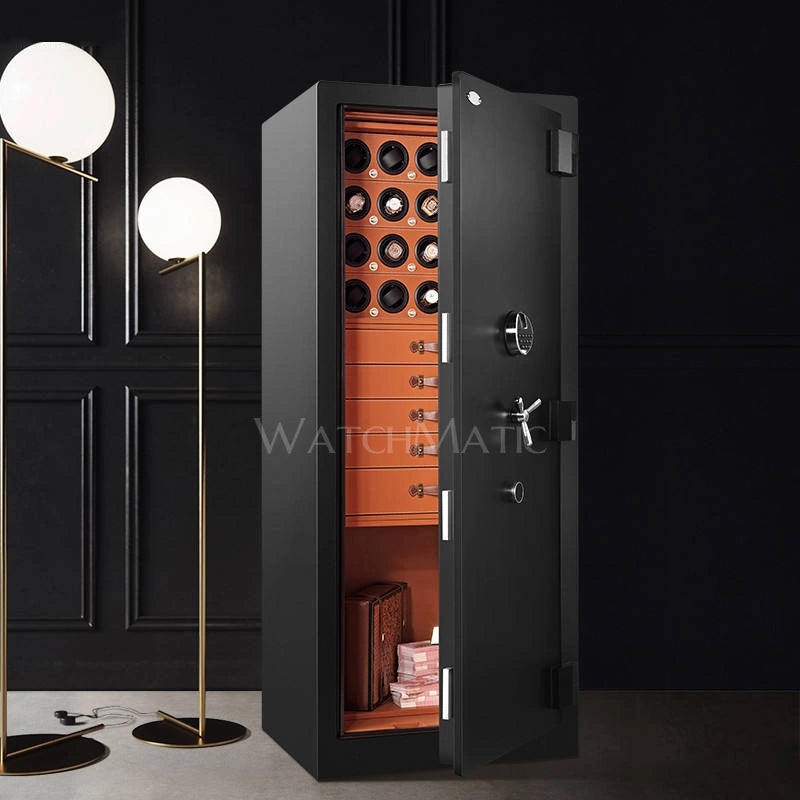
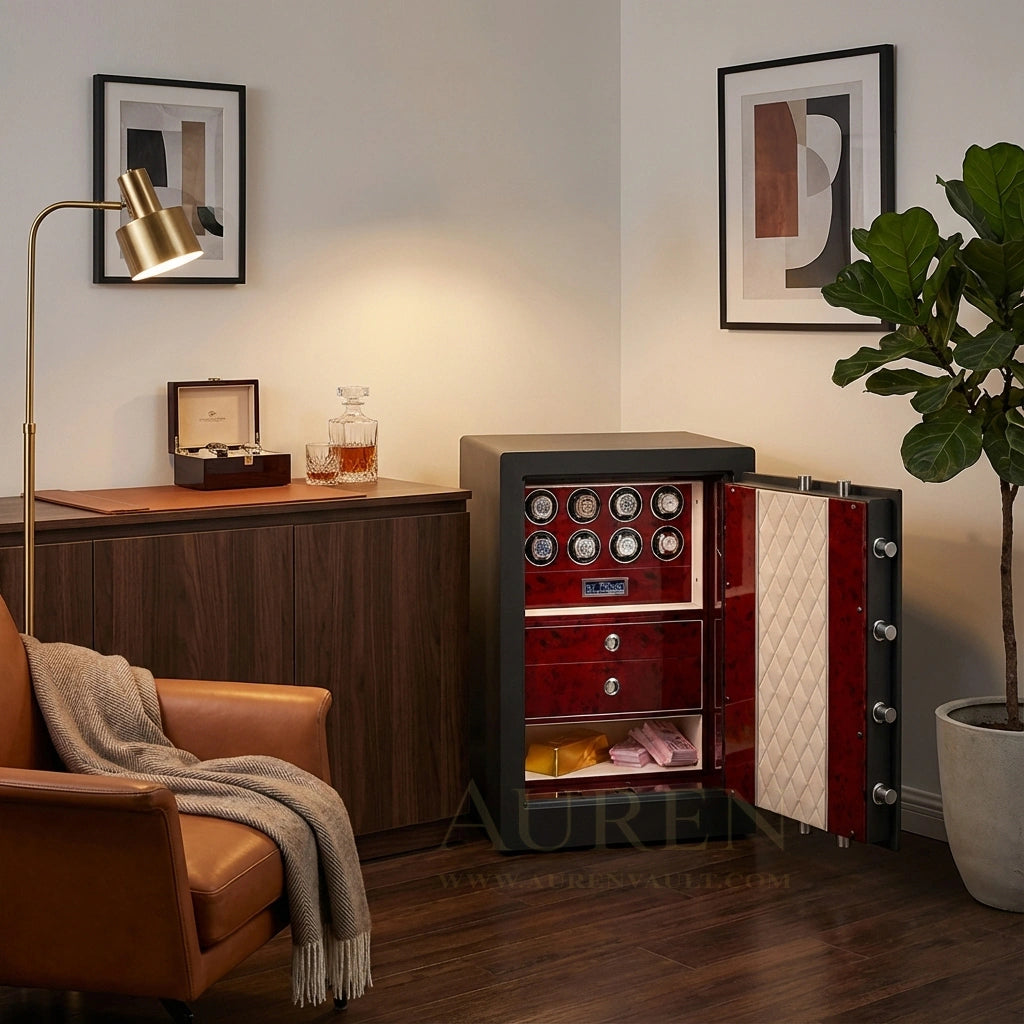
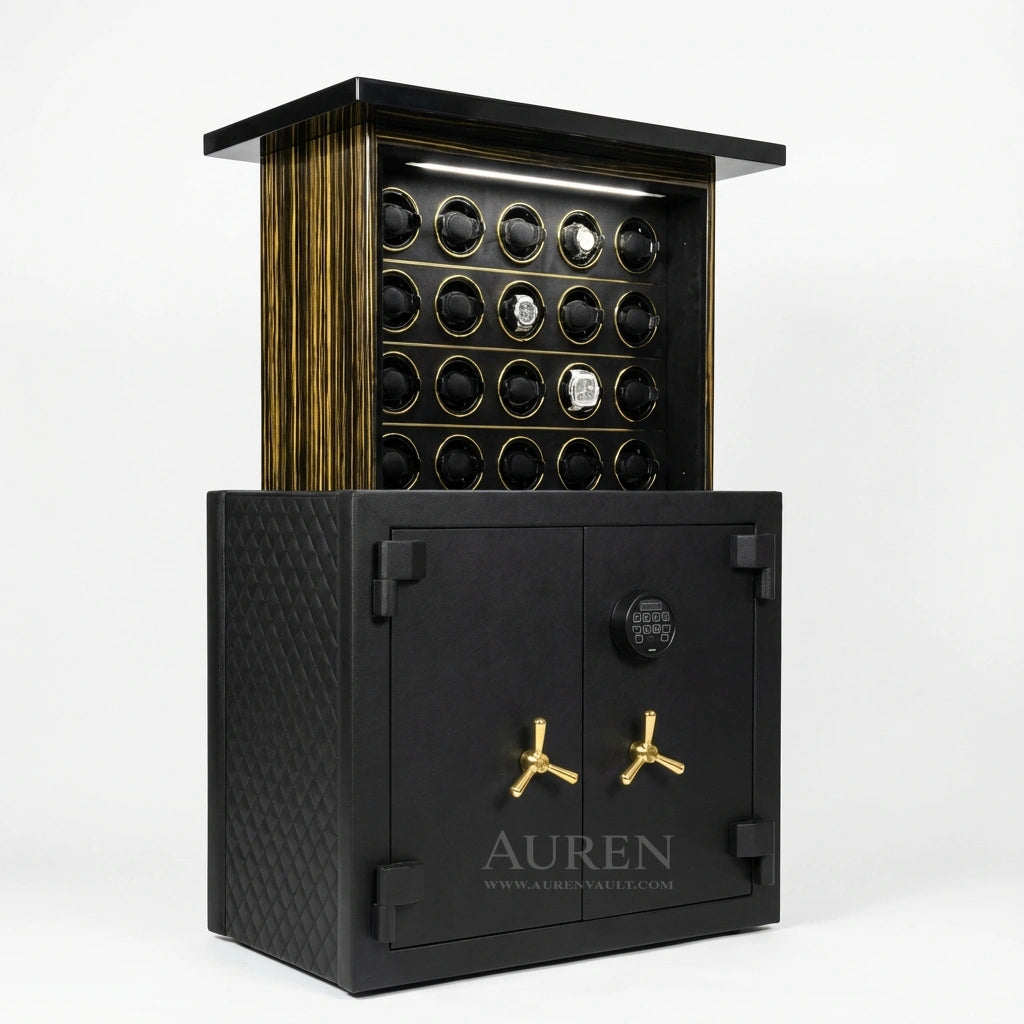
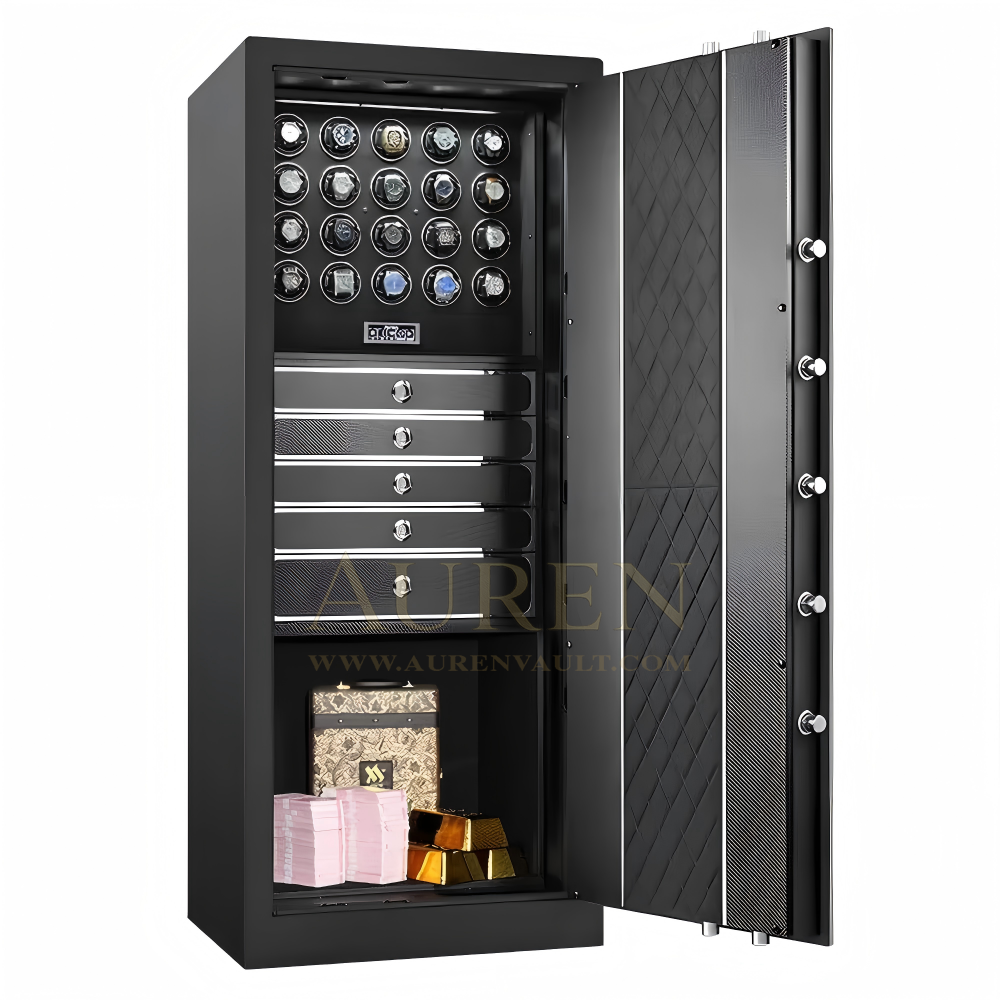
Standalone Watch Winder or Watch Winder Safe for Ebel?
A standalone winder is primarily intended to maintain automatic movements.
It can provide convenient access to one or several watches.
For a collector with a single Sport Classic Automatic, this may be sufficient.
However, Ebel collections can include valuable vintage chronographs, complicated mechanical watches, and quartz pieces.
In that situation, enclosed storage may become more important.
| Consideration | Standalone watch winder | Watch winder safe |
|---|---|---|
| Automatic winding | Yes | Yes, with suitable modules |
| Individual programming | Model-dependent | Module-dependent |
| Physical security | Usually limited | Depends on safe construction |
| Passive storage | Often limited | Can include dedicated compartments |
| Mixed automatic and quartz collection | Limited by configuration | Can be organized within one enclosure |
| Best suited for | Convenient daily winding | Larger or more valuable collections |
A lockable storage cabinet should not automatically be assumed to provide certified burglary or fire resistance.
Actual security depends on construction, installation, locking mechanisms, and documented ratings.
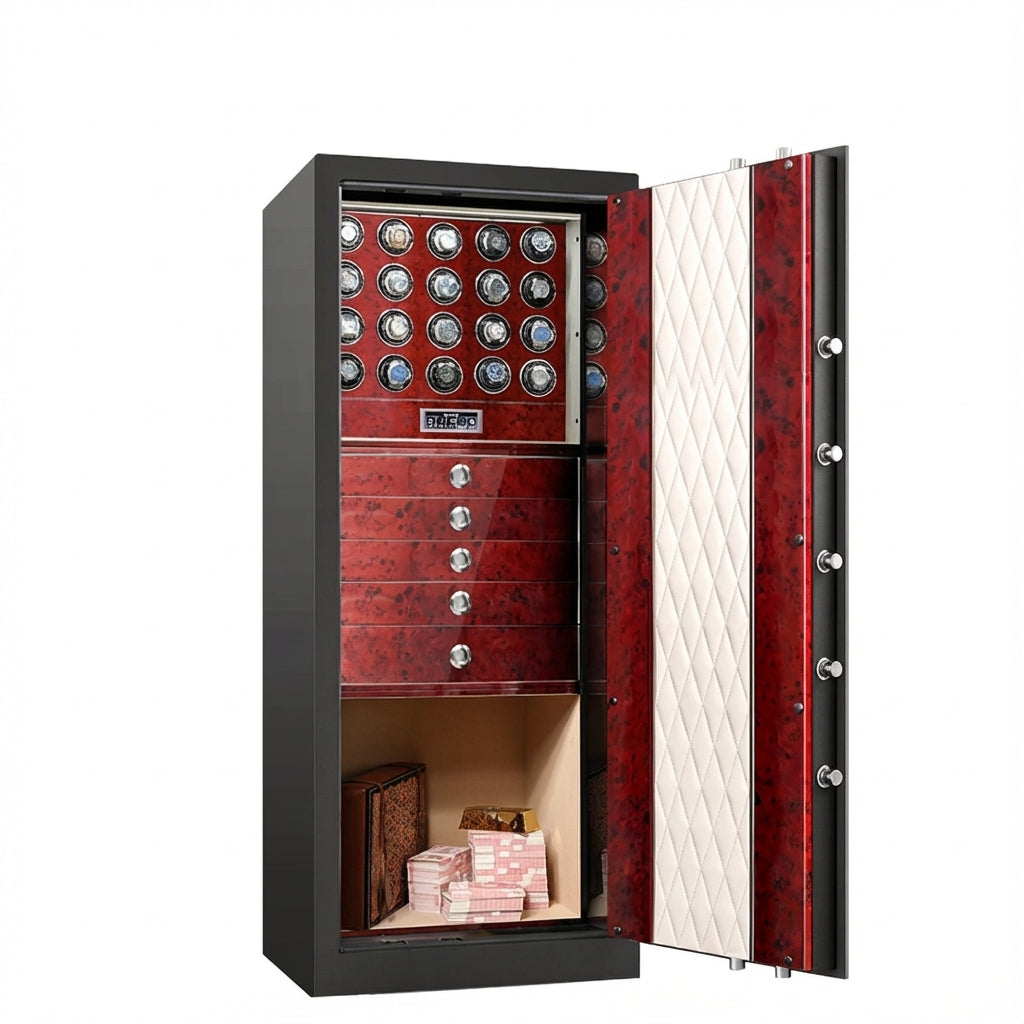
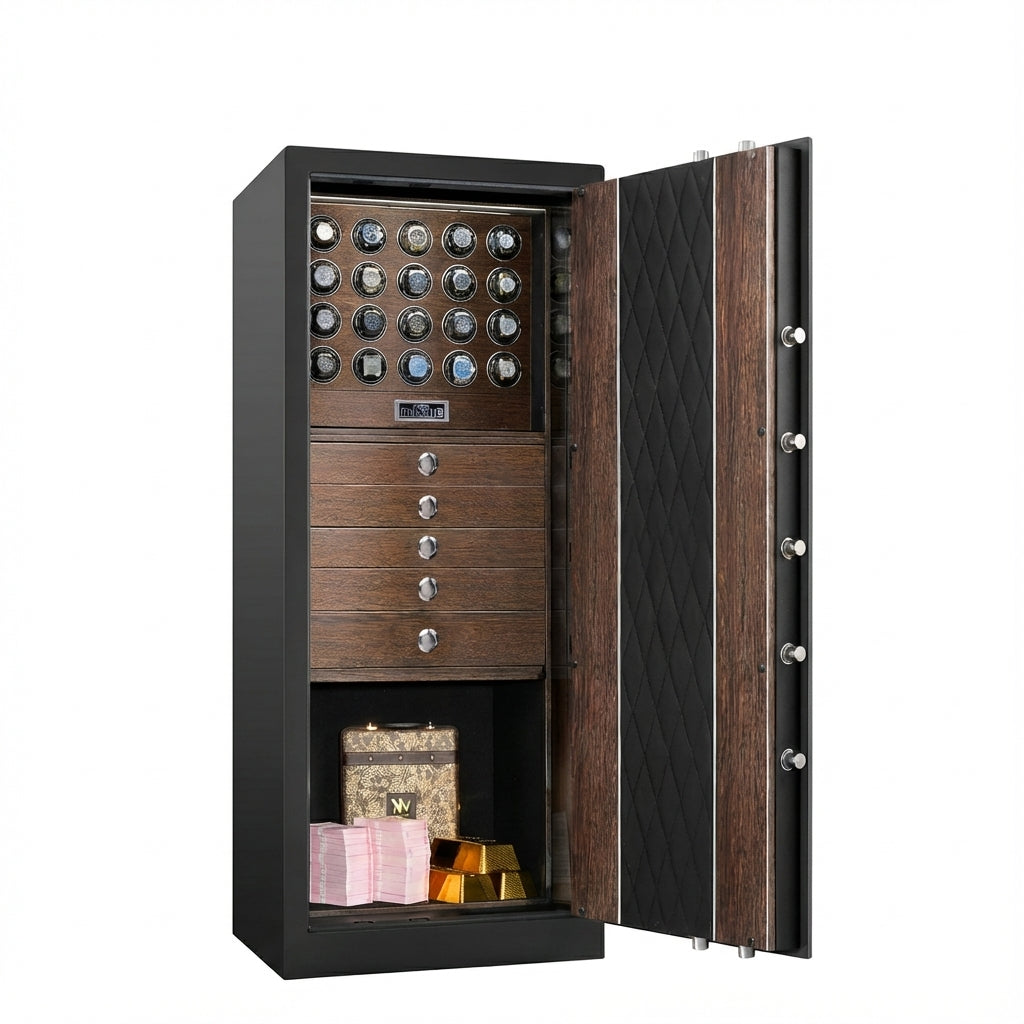
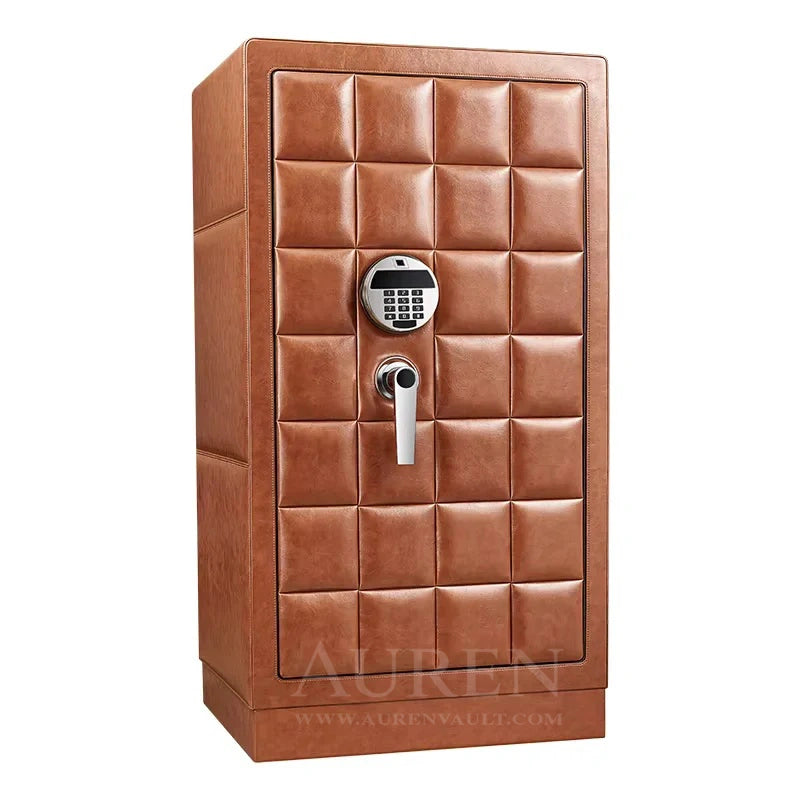
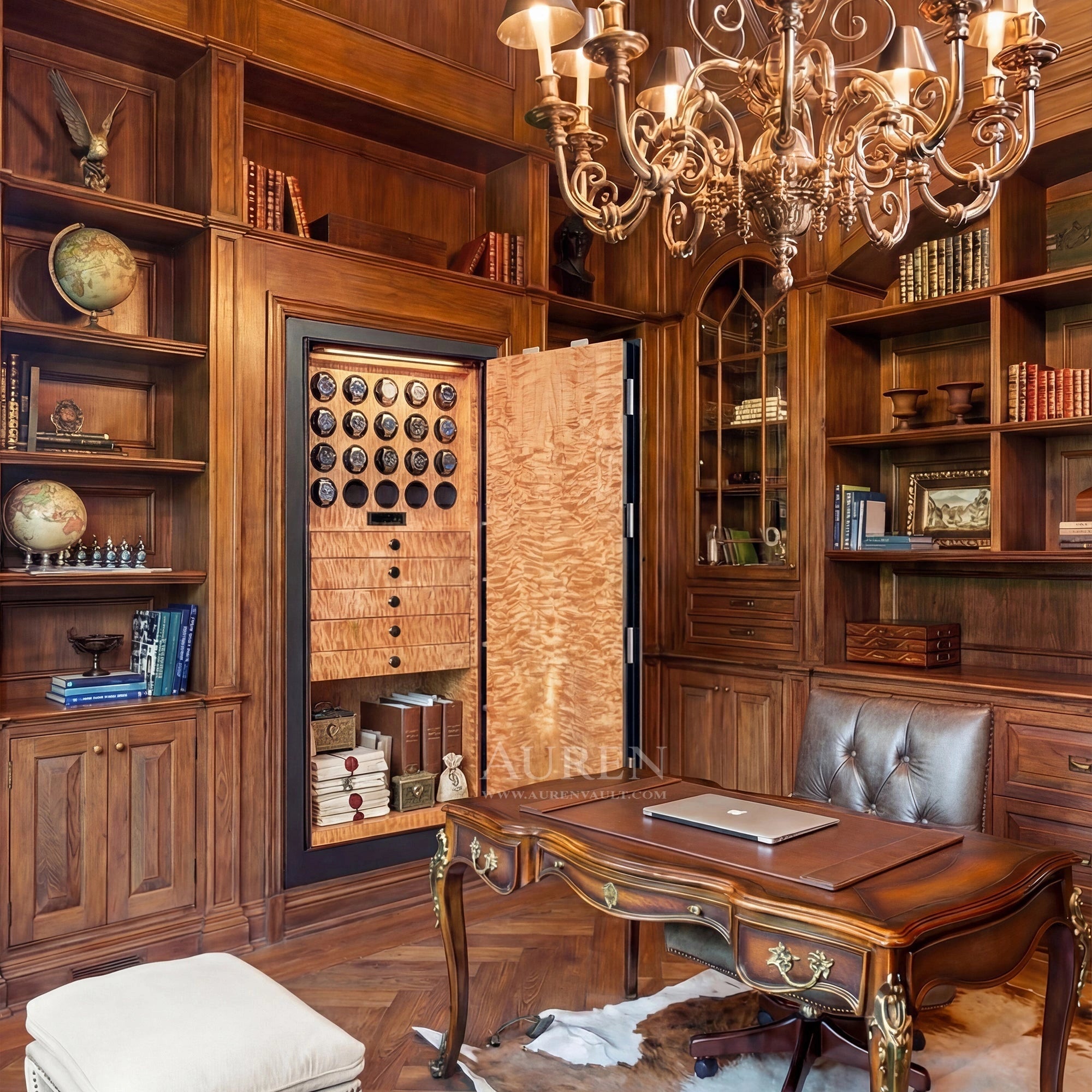
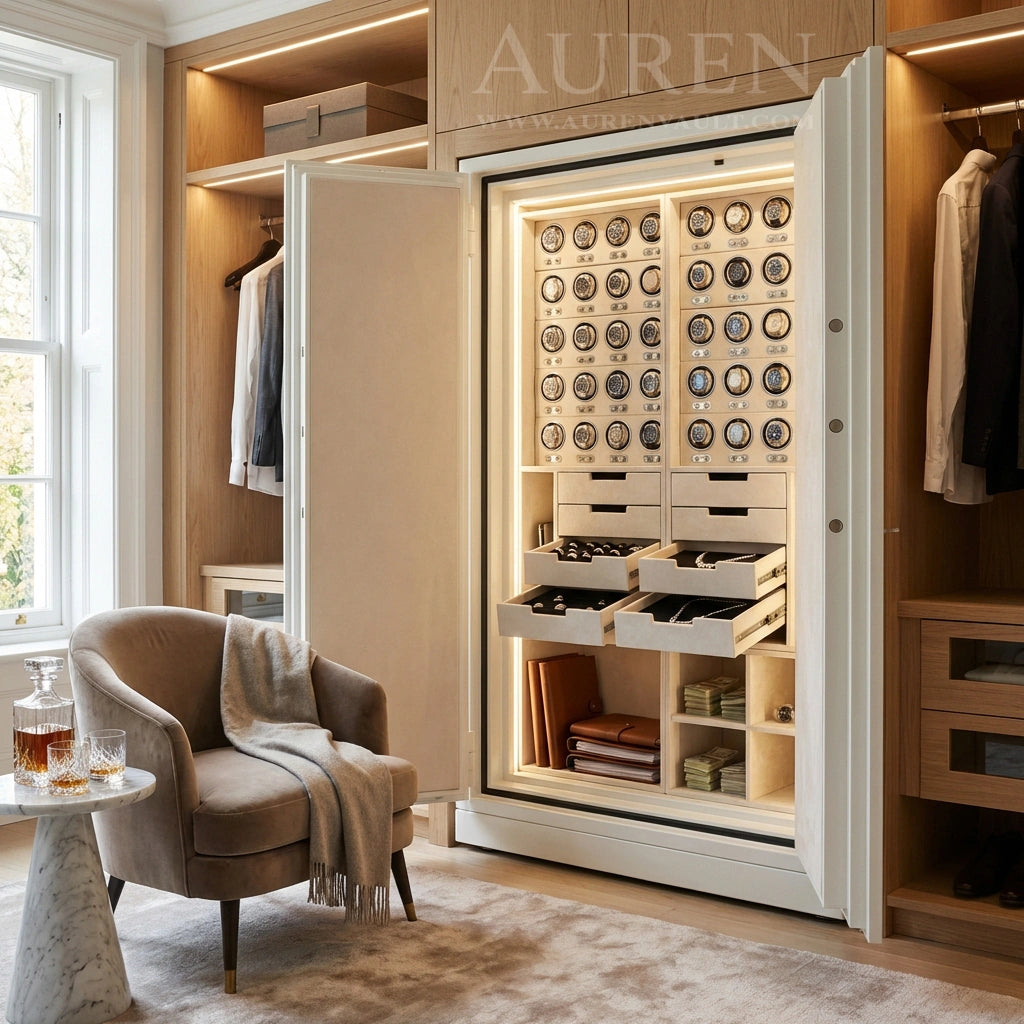
Collectors considering an integrated arrangement can explore watch winder safes.
The watch winder safe guide offers further information on comparing winding functionality with secure storage.
Planning Storage for a Mixed Ebel Collection
Consider a collector who owns a 1911 BTR with Calibre 137, a 1911 BTR GMT with Calibre 240, a 1911 Discovery Chronograph with Calibre 750, a Sport Classic Automatic, and two quartz Ebel Wave watches.
The collection contains six watches.
Only four need active winding positions.
The two quartz watches are more appropriately stored in stationary compartments.
Among the automatic watches, the Calibre 750 may require a different winding direction from the Calibre 137 and 240.
The Sport Classic's exact movement should also be verified.
Independent programming therefore offers greater flexibility than a single shared setting.
Larger Collections Need More Than Winding Capacity
As a collection grows, the owner may need additional storage for vintage watches, accessories, spare bracelets, and watches reserved for occasional use.
The complete watch safe collection provides options for evaluating different storage capacities.
For more substantial collections, luxury watch safes can provide more integrated organization.
The number of winding positions should reflect actual use rather than total watch count.
Some watches may benefit from remaining ready to wear.
Others may be better suited to stationary storage.
When Customized Storage Is Appropriate
An Ebel collection can contain very different case sizes, bracelet designs, and movement types.
A compact Sport Classic Automatic may require a smaller cushion than a 44 mm 1911 Chronograph.
A vintage chronograph may be stored differently from a regularly worn automatic dress watch.
An integrated system can accommodate these differences through different winding modules and passive compartments.
Collectors with unusual requirements may consider custom watch safe configurations.
The objective is a storage arrangement designed around the actual collection rather than forcing every watch into an identical position.
How to Set Up an Ebel Watch on a Winder
Begin with the complete watch reference.
Identify the movement and confirm that it is automatic.
For a 1911 BTR, determine whether the watch contains Calibre 137, 139, 240, 288, or another movement.
For a contemporary Sport Classic, confirm the exact Swiss automatic calibre.
Next, restart the movement according to the manufacturer's instructions if it has stopped.
A watch winder is generally intended to maintain an existing power reserve rather than provide rapid winding from a fully depleted state.
Select the verified TPD and rotation direction.
For documented Calibre 137 references, independent databases commonly recommend approximately 800 TPD bidirectional.
For Calibre 750, approximately 800 TPD clockwise is commonly listed.
Fit the watch securely without excessive bracelet or strap tension.
Ensure that the case has sufficient clearance.
Allow the winder to complete its normal cycles, then observe the watch over several days.
If the watch repeatedly stops, review the program and the movement's condition.
Persistent problems may require professional inspection.
Should Ebel Automatic Watches Remain on a Winder Continuously?
An automatic Ebel does not mechanically require continuous operation.
When the movement's reserve is exhausted, it stops normally.
The watch can subsequently be restarted.
For a simple automatic Sport Classic, the inconvenience may be relatively modest.
For a GMT, chronograph with calendar indications, or perpetual calendar, maintaining operation may offer greater convenience.
However, continuous winding should not be confused with improved preservation.
A watch winder does not eliminate the need for servicing.
For a valuable vintage Ebel chronograph worn only occasionally, passive storage may be appropriate.
Protection from moisture, unnecessary handling, impacts, and unsuitable temperatures can be more important than keeping the movement running indefinitely.
The watch storage guide explains these broader considerations.
Frequently Asked Questions About Ebel Watch Winders
What is the best watch winder for Ebel watches?
The best option is a programmable winder with adjustable TPD, selectable rotation direction, controlled rest periods, and a cushion suited to the watch's case and bracelet. Independent controls are valuable for collections containing different Ebel calibres.
How many TPD does an Ebel automatic need?
It depends on the movement. Independent databases commonly list approximately 800 TPD bidirectional for Calibres 137 and 139, while Calibre 750 is often listed at approximately 800 TPD clockwise. Other calibres may require different settings.
What is the correct winder setting for Ebel Calibre 137?
Approximately 800 TPD with bidirectional rotation is commonly listed in established independent winding references. Confirm the exact watch reference and device programming before use.
Does Ebel Calibre 139 wind in both directions?
Documented Calibre 139 versions use a bidirectional automatic winding arrangement. Independent winding databases commonly recommend approximately 800 TPD bidirectional.
What setting should I use for an Ebel 1911 Discovery Chronograph?
For references equipped with Calibre 750, independent databases commonly recommend approximately 800 TPD clockwise. The exact movement and winder direction convention should be verified.
Does the Ebel 1911 BTR need a winder?
No. An automatic 1911 BTR can operate through regular wear. A compatible winder is optional and useful when the watch is frequently rotated with other mechanical timepieces.
Can an Ebel perpetual calendar use a watch winder?
Yes, when it contains an automatic movement. A compatible winder can reduce repeated calendar adjustments by keeping the movement running between wears. The calendar must still be set correctly.
Does an Ebel Sport Classic Automatic need a special winder?
It needs a compatible automatic winding program and an appropriately sized holder. The distinctive bracelet may benefit from a smaller or compressible cushion.
Can an Ebel Wave use a watch winder?
Only if the specific watch contains an automatic movement. Many Ebel Wave references are quartz and do not benefit from conventional mechanical winding.
Is Calibre 134 the same as Calibre 137?
No. Calibre 134 is associated with an El Primero-derived movement architecture, while Calibre 137 represents Ebel's later chronograph development. Their winding settings should not automatically be considered identical.
Can a watch winder overwind an Ebel automatic?
Modern automatic movements generally contain mechanisms that limit excessive mainspring tension. Nevertheless, appropriate TPD programs and rest periods should be used to avoid unnecessary rotation.
Is a watch winder safe worthwhile for vintage Ebel watches?
It can be useful for collectors who want to combine winding with enclosed storage. However, rare vintage watches that are worn infrequently may be better suited to passive storage depending on their condition and maintenance requirements.
Related Reading
For collectors interested in sophisticated automatic movements and the storage of valuable mechanical watches:
-
Best Watch Winder for Vacheron Constantin Watches — Discusses movement-specific winding and the convenience of maintaining mechanical complications.
-
Best Watch Winder for Cartier: TPD Settings & Buying Guide — Explores automatic and quartz watches within collections known for distinctive case and bracelet design.
-
Watch Safes with Built-In Watch Winders: Are They Worth It? — Explains the advantages and limitations of integrated winding and enclosed storage.
Final Thoughts: Ebel Winder Selection Should Follow the Calibre
Ebel's mechanical heritage includes several automatic movement families with genuinely different winding requirements.
The Calibre 137 and 139 chronographs are commonly associated with approximately 800 TPD bidirectional programs, while Calibre 750 is often listed with a clockwise recommendation.
Other automatic movements, including those used in current Sport Classic and 1911 references, should be identified individually.
The brand's distinctive bracelet design also makes physical fit important.
A suitable holder should support the watch securely without overstretching its links or placing unnecessary pressure on its case.
For a single frequently worn automatic Ebel, a standalone programmable winder may be sufficient.
For collectors managing vintage chronographs, complicated mechanical watches, and quartz models, independently controlled winding positions combined with passive storage may offer greater flexibility.
At Auren Vault, the focus is on bringing movement-specific winding, refined organization, and considered protection together for serious collectors.
Ultimately, the best watch winder for Ebel is not determined by the highest TPD setting or the most elaborate enclosure.
It is the system that respects the movement's engineering, accommodates the watch's physical design, and makes ownership more convenient without unnecessary mechanical activity.