
The best watch winder for Certina watches is a programmable unit that matches the automatic movement's winding direction, provides adjustable turns per day (TPD), and securely supports the watch through controlled rotation and rest cycles.
For many Certina automatic watches, including models powered by the Powermatic 80, approximately 650 TPD with bidirectional rotation is a commonly published starting recommendation. However, it is not a universal manufacturer-approved setting. Older Valjoux-based automatic chronographs may require a different program, often around 800 TPD clockwise.
Certina's automatic collections include the DS Action Diver, DS-1, DS-2, DS Action GMT, and selected DS-7 models. Their movements vary, with power reserves ranging from approximately 48 hours to 80 hours and beyond, depending on the calibre.
A suitable winder can maintain the power reserve between wears, but it is not mechanically essential. For collectors who regularly rotate several watches, the main benefits are convenience, movement-specific programming, and consistent storage.
The right choice begins with the exact Certina reference and its movement.
Understanding Certina Movements Before Choosing a Watch Winder
Certina has built much of its identity around practical Swiss watchmaking.
Its watches are known for the DS, or Double Security, concept, which emphasizes robust case construction and protection for everyday use.
The brand produces mechanical sports watches, classic automatic models, chronographs, GMT watches, and quartz timepieces.
This variety matters when selecting a watch winder.
Two Certina watches may belong to the same DS collection while containing completely different movements.
A DS Action Diver with the Powermatic 80.611 and a DS-2 Automatic Chronograph with the A05.231 are both self-winding mechanical watches, yet their winding architectures and power-reserve specifications differ.
The distinction becomes even greater when quartz watches are included.
A quartz DS-7 does not require a conventional watch winder, regardless of how similar its case may appear to an automatic model.
An automatic movement receives energy from an oscillating rotor that responds to wrist movement.
When the watch is removed, the mainspring continues supplying energy until its reserve is exhausted.
A watch winder recreates some of the necessary movement through programmed rotations.
Its function is to maintain the movement's energy, not to improve accuracy or eliminate mechanical servicing.
For someone who wears one Certina almost every day, a winder may be unnecessary.
For a collector who alternates between several automatic watches, it can reduce repeated resetting and keep the selected watch ready to wear.
Which Certina Watches Can Use a Watch Winder?
The movement inside the watch determines compatibility.
| Certina collection or model | Representative movement | Power reserve | Watch winder suitability |
|---|---|---|---|
| DS Action Diver Powermatic 80 | Powermatic 80.611 | Up to 80 hours | Yes |
| DS Action GMT Powermatic 80 | Powermatic 80.661 | Up to 80 hours | Yes |
| DS-1 Powermatic 80 | Powermatic 80.611 | Up to 80 hours | Yes |
| DS-2 Powermatic 80 | Powermatic 80 family | Up to 80 hours | Yes |
| DS-2 Chronograph Automatic | A05.231 | Up to 68 hours | Yes |
| Selected automatic chronographs | A05.H31 | Up to 65 hours | Yes |
| DS Caimano Lady Automatic | C26.111 | Up to 48 hours | Yes |
| Older DS-1 Automatic | ETA 2824-2 | Approximately 38–42 hours | Yes |
| Older DS chronographs | Valjoux 7750 family, where fitted | Reference-dependent | Yes |
| DS-7 Quartz and other quartz references | Quartz | Not applicable | No |
These are representative movement combinations. The Certina collection name alone should not be used to identify the calibre.
The Powermatic 80 Is Important, but Not Universal
The Powermatic 80 family is prominent across Certina's modern mechanical catalogue.
Its defining feature is an extended power reserve of approximately 80 hours.
A sufficiently wound watch can therefore remain running for more than three days without additional winding.
This is useful for owners who rotate watches during the week.
However, the Powermatic 80 designation covers several configurations.
The 80.611 is associated with conventional automatic date watches, while the 80.661 is used in GMT models.
Other configurations support different displays.
The movement must still be identified before selecting the correct winding program.
Certina Watch Winder Settings: TPD and Rotation Direction
TPD and rotation direction are the two most important operating parameters.
Turns per day (TPD) describes the number of rotations delivered by the winder during a programmed 24-hour period.
Rotation direction determines whether the watch turns clockwise, counterclockwise, or alternately in both directions.
A correct program provides enough movement to maintain the mainspring's energy without relying on unnecessary rotation.
The complication is that different automatic movements may wind effectively in different directions.
A high TPD setting does not compensate for an ineffective winding direction.
Certina Winder Settings by Movement
| Certina movement | Preliminary TPD guidance | Rotation direction |
|---|---|---|
| Powermatic 80.611 | Around 650 TPD is commonly published for ETA C07-family movements | Bidirectional is commonly listed; verify |
| Powermatic 80.661 | Investigate approximately 650 TPD | Confirm GMT calibre requirements |
| A05.231 | Verify the exact automatic chronograph program | Do not assume all Valjoux-derived movements share one setting |
| A05.H31 | Confirm movement-specific TPD | Verify direction |
| C26.111 | Confirm calibre-specific program | Verify direction before use |
| ETA 2824-2 | Approximately 650 TPD | Bidirectional is commonly listed |
| Valjoux 7750, where fitted | Approximately 800 TPD | Clockwise is commonly listed |
These are independent reference points, not an official Certina winding chart.
A particularly important distinction concerns the A05.231.
Although it belongs to a Valjoux-related chronograph family, the winding program should not automatically be copied from an older Valjoux 7750 without confirming the precise movement.
Is 650 TPD Enough for a Certina Powermatic 80?
For many ETA C07-family automatic movements, approximately 650 TPD with bidirectional rotation is a frequently published recommendation.
It can be a useful starting point when selecting a programmable winder.
However, the exact movement and the winder's rotation-counting convention still matter.
Some devices count total daily rotations across both directions. Others may define their programs differently.
A setting labeled 650 TPD is not necessarily executed identically by every manufacturer.
The appropriate approach is to confirm the movement's requirements and observe whether the watch maintains its operating reserve.
If the watch stops repeatedly, the owner should examine the winding direction, initial power reserve, and actual operation of the device before increasing the daily rotation count.
For a more detailed explanation, see the watch TPD guide.
Does an 80-Hour Power Reserve Require More TPD?
No.
Power reserve and TPD measure different aspects of mechanical operation.
Power reserve describes how long the watch can continue operating without additional winding.
TPD describes the number of external rotations performed by the winder.
A movement offering 80 hours of reserve does not automatically require more rotations than one providing 48 hours.
Winding efficiency depends on the automatic rotor mechanism and how effectively movement transfers energy to the mainspring.
The correct program should maintain sufficient power rather than maximize rotation count.
Best Watch Winder for Certina DS Action Diver Powermatic 80
The DS Action Diver is one of Certina's most recognizable contemporary mechanical collections.
Current automatic versions include 38 mm, 40.5 mm, and larger case options, depending on the reference.
Selected models use the Powermatic 80.611 with approximately 80 hours of power reserve.
The collection is designed around practical diving-watch characteristics, including substantial water resistance, legible displays, and robust case construction.
These features make the watches suitable for active use, but they do not determine winding requirements.
When a DS Action Diver Benefits From a Winder
Consider a collector who wears a DS Action Diver during weekends but prefers a dress watch during the working week.
Without a winder, the Diver may eventually exhaust its power reserve.
Because it offers approximately 80 hours, the watch can remain running for several days if it begins that interval sufficiently wound.
That reduces the immediate need for external winding.
However, a week or longer without wear may be enough for the movement to stop.
A compatible winder maintains operating continuity during that period.
For an owner who wears the DS Action Diver almost every day, a winder may offer relatively little additional benefit.
A Diving Watch Needs Appropriate Physical Support
The DS Action Diver's case and bracelet can be substantial.
Steel and titanium configurations, different strap materials, and varying bracelet circumferences create practical fitting considerations.
A rigid cushion that is too large may place excessive tension on the bracelet or clasp.
A holder that is too small may allow the watch to move during rotation.
The best arrangement uses a softly compressible cushion that supports the case securely.
The rotating module should also provide enough clearance for the bezel and crown.
The objective is stable support without unnecessary mechanical pressure.
Does Certina's DS Concept Affect the Winder Setting?
No.
The Double Security concept concerns the watch's protective construction.
Features such as reinforced cases, suitable gaskets, and enhanced resistance to everyday impacts do not establish the appropriate TPD.
A watch with greater water resistance does not automatically need more winding.
The external winding program should follow the movement, not the durability rating of the case.
Certina DS Action GMT: A Strong Candidate for Continuous Winding
The DS Action GMT Powermatic 80 adds another practical complication.
Selected references use the Powermatic 80.661 movement, which provides approximately 80 hours of power reserve and an additional time-zone indication.
A GMT watch is useful for travelers and collectors who need to monitor more than one time zone.
It can also benefit from maintaining continuous operation between wears.
Why Keeping a GMT Running Is Convenient
When a conventional automatic date watch stops, restarting it usually involves setting the time and date.
A GMT watch requires additional attention.
The owner must ensure that the primary time, secondary time-zone indication, and any relevant calendar display are correctly synchronized.
A compatible watch winder can reduce how frequently this complete adjustment is necessary.
However, it does not automatically correct the displayed time zone when the owner travels.
A winder maintains energy in the movement.
Time-zone adjustments remain a separate responsibility.
The 80.661 Should Be Identified Separately
The Powermatic 80.661 belongs to the same broad movement family as the 80.611.
Nevertheless, its additional GMT mechanism makes exact reference identification important.
A published general setting for the Powermatic 80 family may be a useful preliminary guide, but the owner should confirm compatibility for the actual movement.
For collectors storing several GMT watches, independently programmable winding positions offer valuable flexibility.
DS-1 and DS-2: Why Similar Dress Watches May Need Different Programs
Certina's DS-1 and DS-2 collections combine classic styling with mechanical technology.
Selected DS-1 Powermatic 80 references use the 80.611 movement.
The 80-hour reserve allows the watch to remain running over relatively long intervals without additional winding.
For an owner who alternates between two or three watches during the week, this may eliminate the need for a winder.
A winder becomes more useful when the DS-1 remains outside the regular wrist rotation for longer periods.
The DS-2 introduces another complication: different models can use different movement architectures.
DS-2 Powermatic 80
A standard DS-2 automatic can use a Powermatic 80 movement.
For this type of watch, the selection process centers on the ETA C07-family winding requirements.
A programmable unit that supports bidirectional operation and adjustable TPD provides an appropriate starting point.
The owner must still verify the exact reference.
DS-2 Chronograph Automatic: A05.231
The DS-2 Chronograph Automatic is mechanically different.
Selected references use the A05.231 movement with approximately 68 hours of power reserve.
Certina identifies this as a Valjoux-related automatic chronograph movement.
A chronograph incorporates additional timing mechanisms, but its external winding requirements are determined by the automatic winding architecture.
The owner should not assume that the A05.231 uses the same program as a conventional Powermatic 80 date watch.
Nor should every Valjoux-related movement automatically be assigned the classic 7750 program.
Movement-specific verification is the more reliable approach.
Why the Chronograph Can Be Worth Keeping Wound
For an owner who rotates between several watches, maintaining the DS-2 Chronograph's movement can reduce repeated time and date adjustments.
However, the winder does not operate the chronograph pushers.
It does not start, stop, or reset the timing function.
Its role is limited to maintaining energy in the automatic movement.
A suitable program should provide adequate winding without relying on continuous rotation.
Certina DS Caimano Lady: Smaller Watches Need Different Cushions
The DS Caimano Lady Automatic illustrates a different aspect of compatibility.
Selected 29 mm references use the C26.111 automatic movement with approximately 48 hours of power reserve.
The movement incorporates Nivachron technology, but the watch's relatively compact case creates a more immediate physical concern.
A standard full-size cushion may not fit a smaller bracelet or strap properly.
If the cushion is too large, fastening the watch around it can stretch the strap or place unnecessary pressure on the clasp.
If it is too small, the watch may shift during rotation.
A compressible holder or one designed for smaller watches is preferable.
Does a Smaller Certina Need Fewer Rotations?
Not simply because its case is smaller.
Case diameter does not establish TPD.
The C26.111 has its own winding architecture and should receive a suitable program based on the movement.
The cushion must match the physical dimensions of the watch.
These are separate requirements.
A good watch winder should satisfy both.
Nivachron Does Not Determine Winding Direction
Nivachron is a material technology associated with the balance spring.
Its purpose is to improve resistance to influences such as magnetic fields and temperature changes.
It does not independently establish how an external winding device should rotate.
A Nivachron-equipped movement still needs a program appropriate to its automatic winding mechanism.
Older Certina Automatics and Valjoux Chronographs
Certina has produced automatic watches for many decades.
Older DS-1 references may use ETA 2824-2 movements, while certain chronographs use Valjoux 7750-family mechanisms.
These movements have widely published winding references.
The ETA 2824-2 is commonly associated with approximately 650 TPD and bidirectional rotation.
The Valjoux 7750 is commonly associated with approximately 800 TPD in the clockwise direction.
These are useful distinctions for collectors acquiring discontinued Certina watches.
However, not every watch described as a DS Chronograph contains the same movement.
The exact calibre should be verified before selecting the program.
Older service records and original documentation can be especially useful.
For a vintage or discontinued reference whose movement cannot be identified confidently, a qualified watchmaker may be able to assist.
What to Look for in a Premium Certina Watch Winder
Certina watches span compact dress models, substantial diving watches, GMT references, and automatic chronographs.
A suitable winder must accommodate both movement differences and physical dimensions.
Adjustable TPD and Direction
A quality device should provide a useful range of TPD settings and clockwise, counterclockwise, and bidirectional programs.
This flexibility matters because a Powermatic 80 and a Valjoux-based chronograph should not automatically share identical settings.
For multi-watch devices, independent programming is preferable.
Each Certina can then receive its own verified program.
Reliable Rest Cycles
Automatic watches do not require uninterrupted rotation.
A good winder distributes its programmed movement across operating intervals separated by rest periods.
This allows the device to maintain sufficient energy without unnecessary continuous motion.
Stable programming is more important than an exceptionally high maximum TPD.
Quiet Motor Operation
Noise can become noticeable when a winder is placed in a bedroom, dressing room, or office.
The issue becomes more important when several winding modules operate within one enclosure.
A well-designed motor system should provide smooth operation without excessive sound or vibration.
Correct Case and Bracelet Support
A 29 mm DS Caimano Lady and a larger DS Action Diver require different physical support.
Adjustable cushions allow the watch to be secured without excessive tension.
The case must also have sufficient clearance during rotation.
A correct winding program cannot compensate for a holder that allows the watch to strike surrounding surfaces.
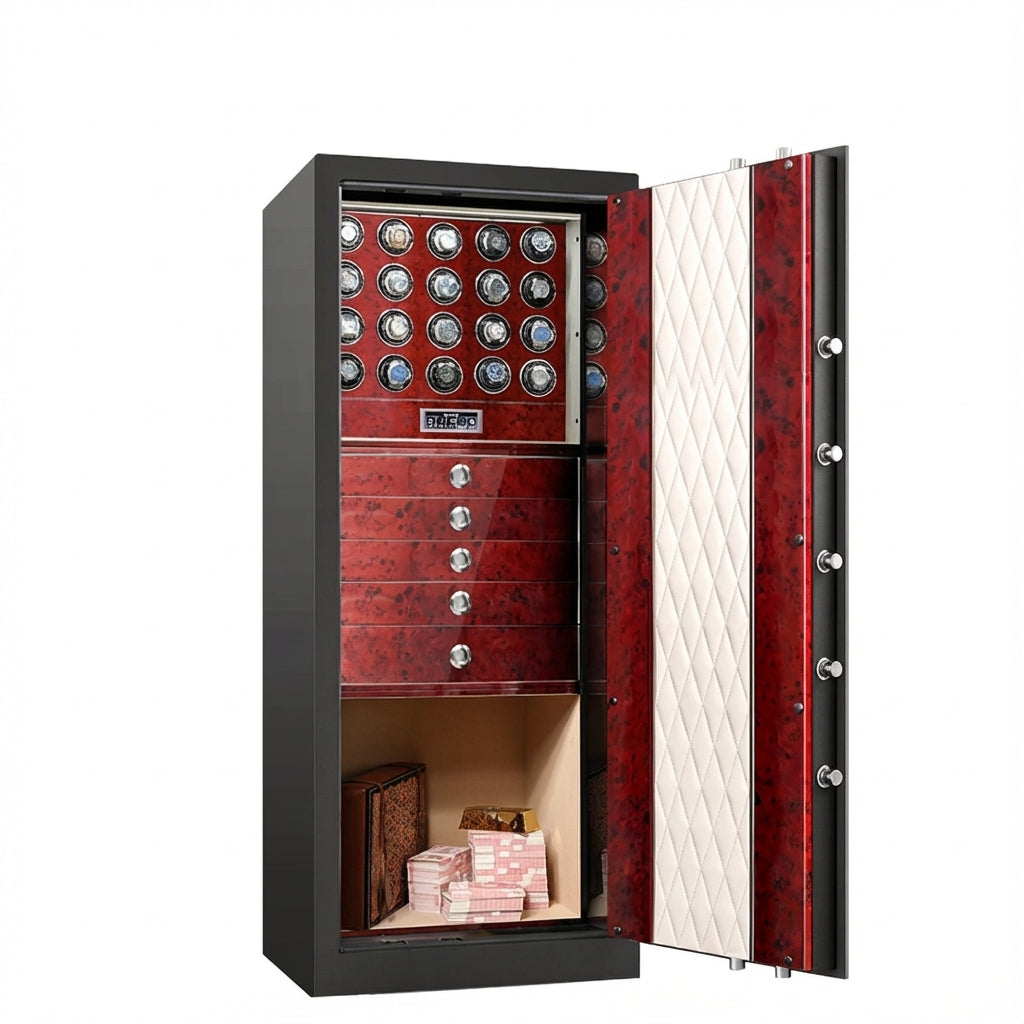
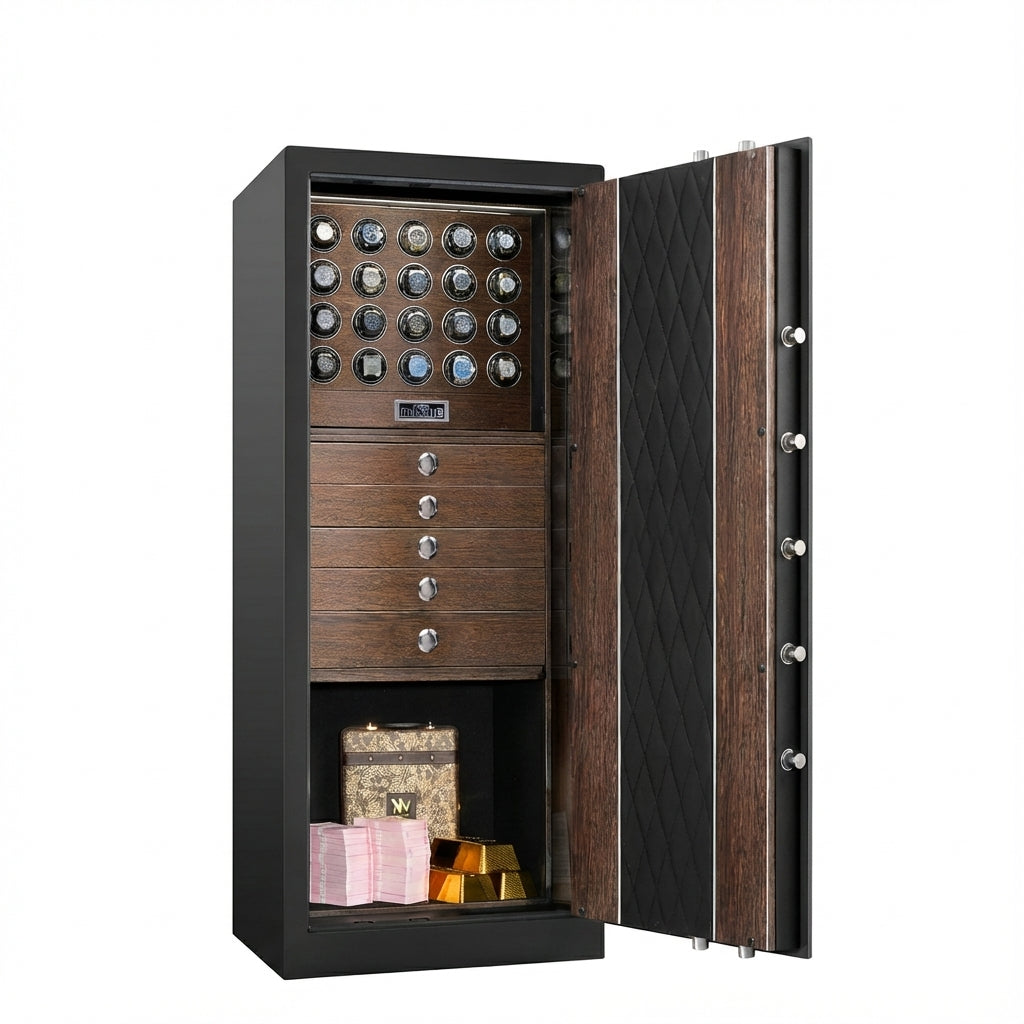
Standalone Watch Winder vs. Watch Winder Safe for Certina
The correct storage solution depends on how many watches are owned and whether the owner requires additional physical security.
A standalone winder is primarily a convenience accessory.
It can maintain the movement of one or several automatic watches on a dresser or shelf.
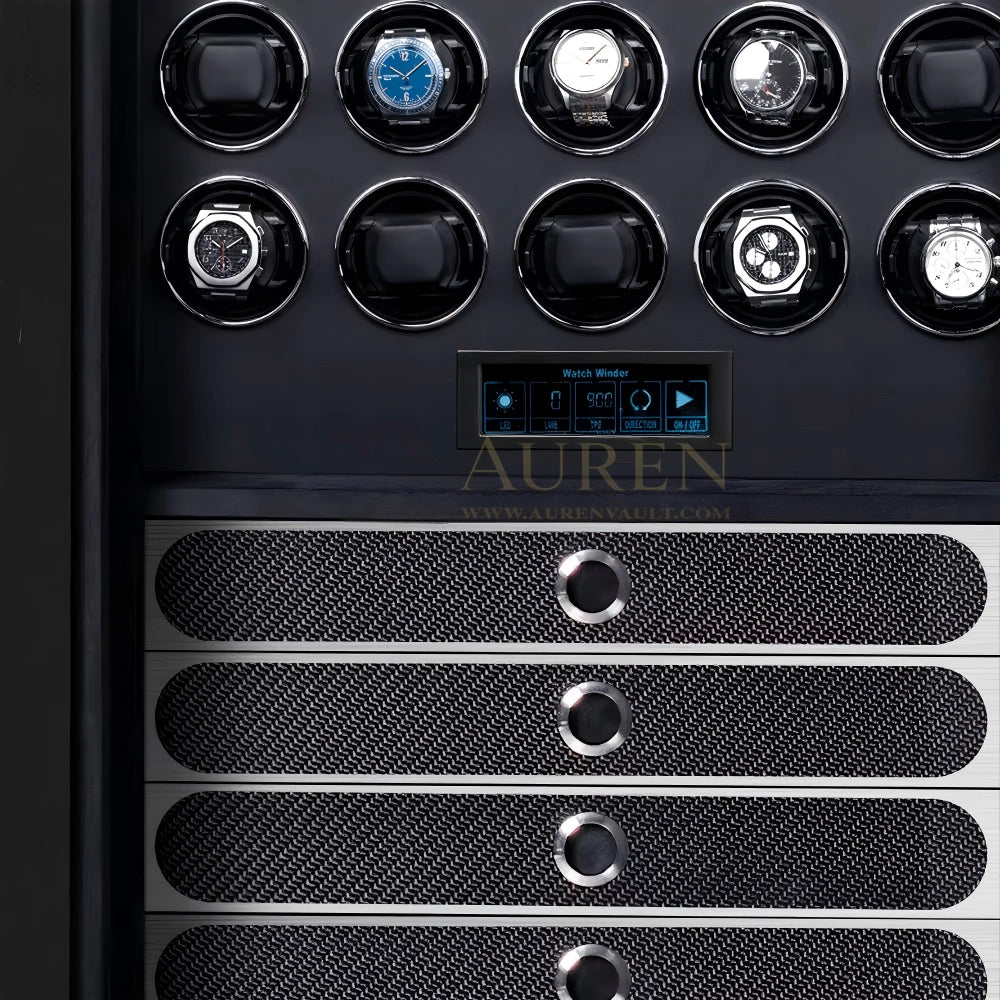
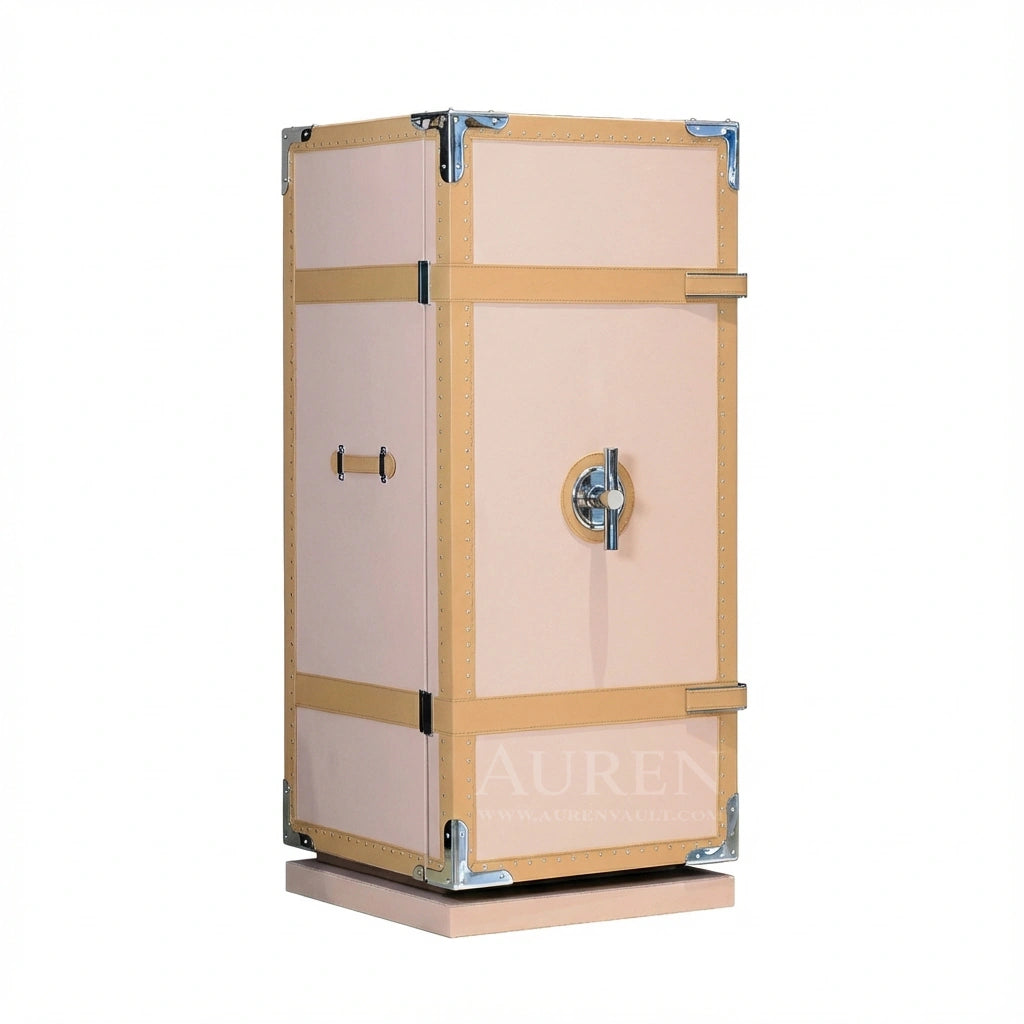
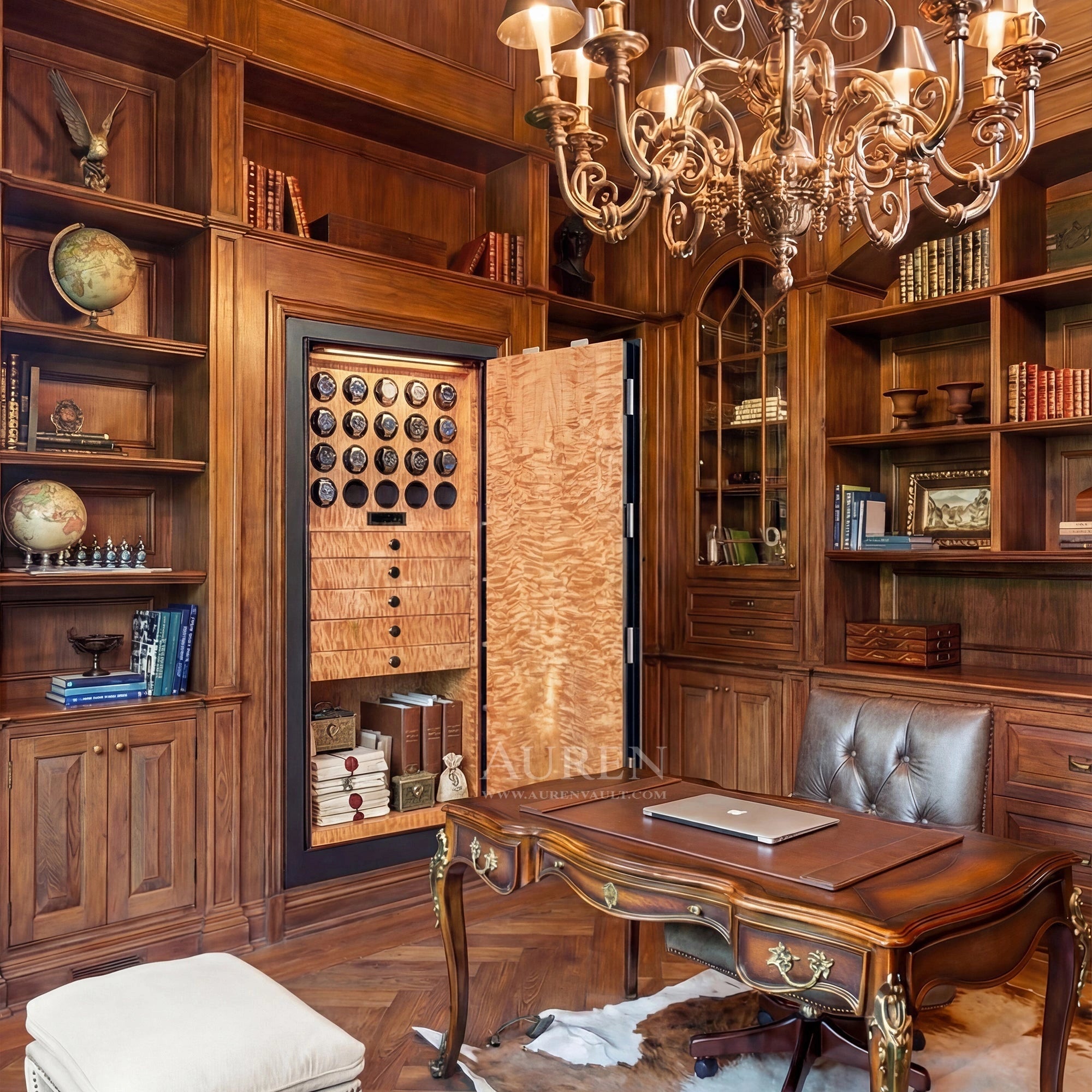
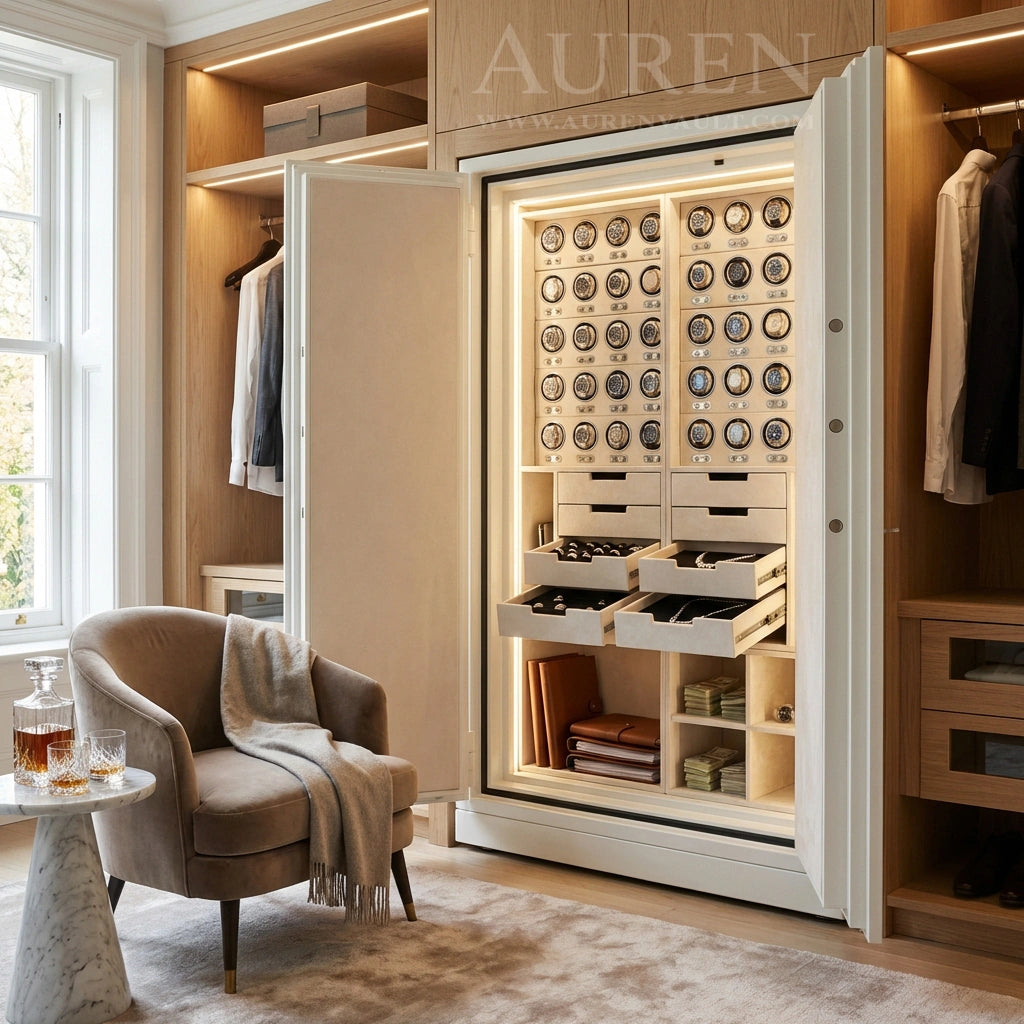
A watch winder safe combines winding modules with enclosed storage.
For collectors who own multiple valuable mechanical watches, that arrangement may be more practical.
| Requirement | Standalone winder | Watch winder safe |
|---|---|---|
| Maintain automatic winding | Yes | Yes, with suitable modules |
| Adjustable TPD | Model-dependent | Module-dependent |
| Physical security | Usually limited | Depends on construction |
| Passive watch storage | Often limited | Can be incorporated |
| Best for | One or several regularly worn watches | Larger mixed collections |
| Long-term organization | Limited by unit capacity | Can include dedicated compartments |
A locking cabinet should not automatically be assumed to have certified burglary or fire resistance.
The actual protection depends on its construction, security system, installation, and documented ratings.
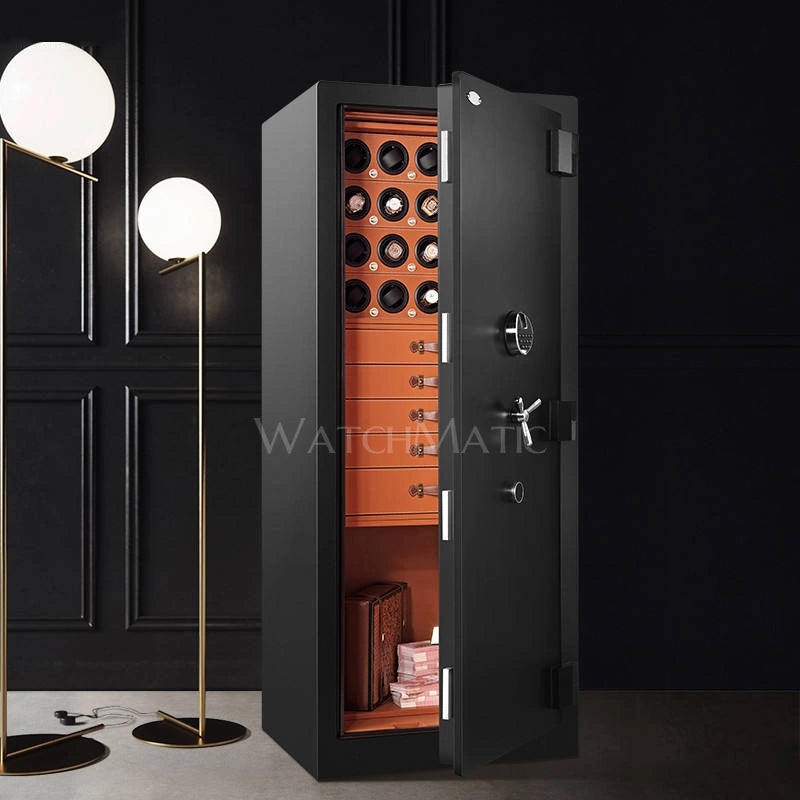
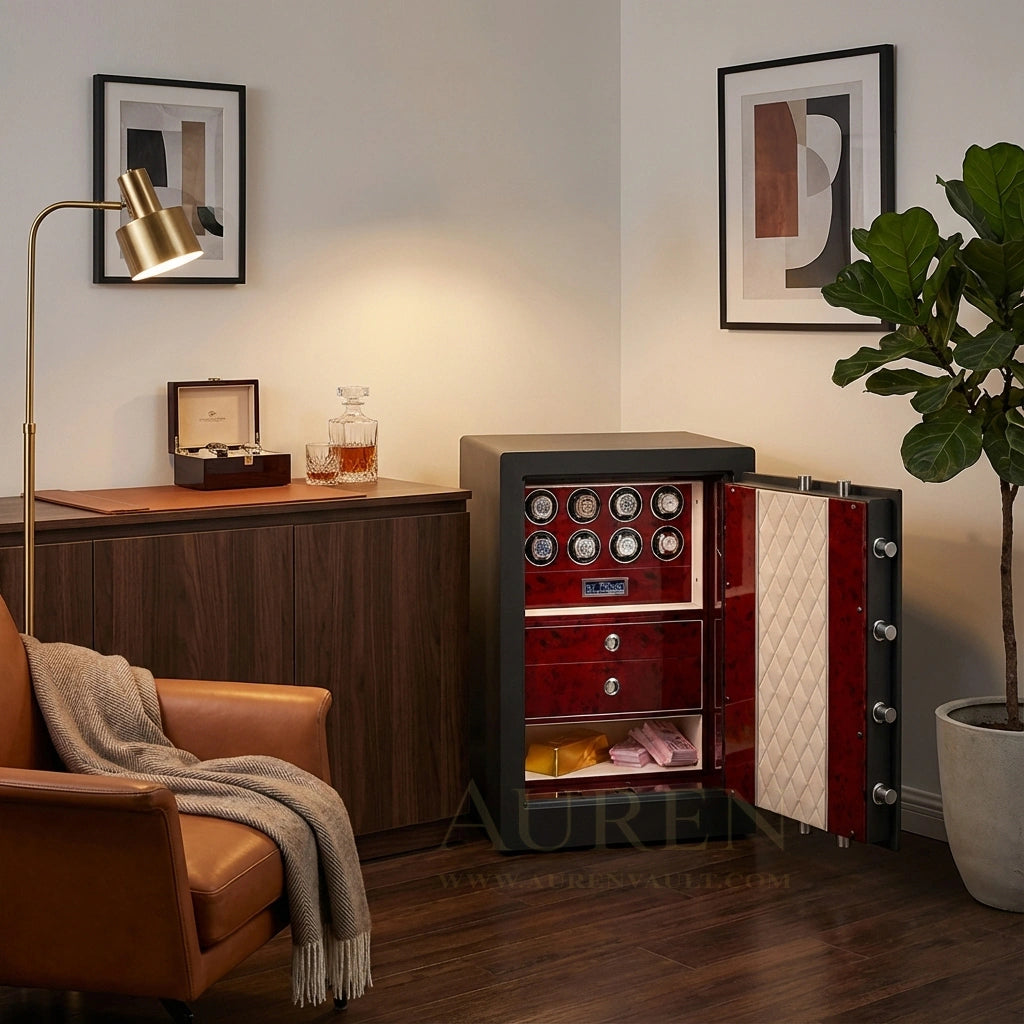
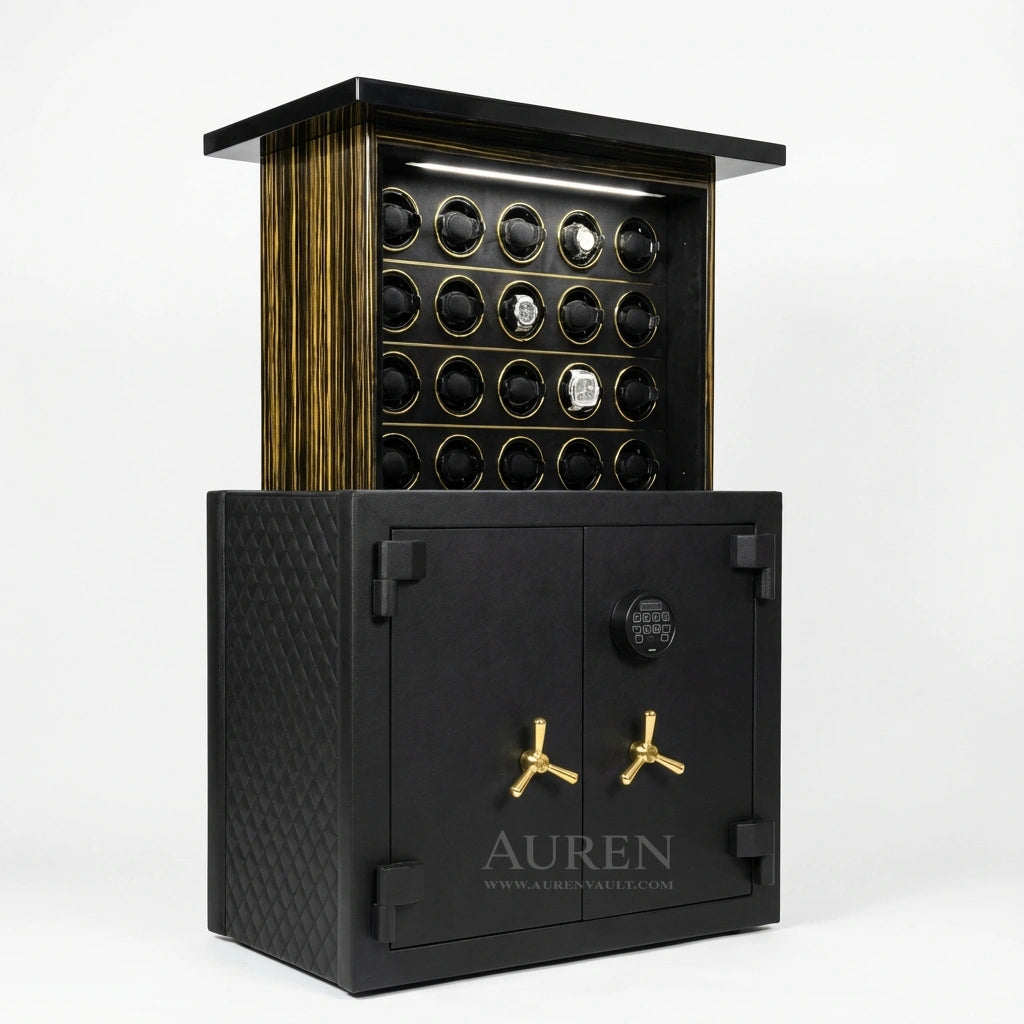
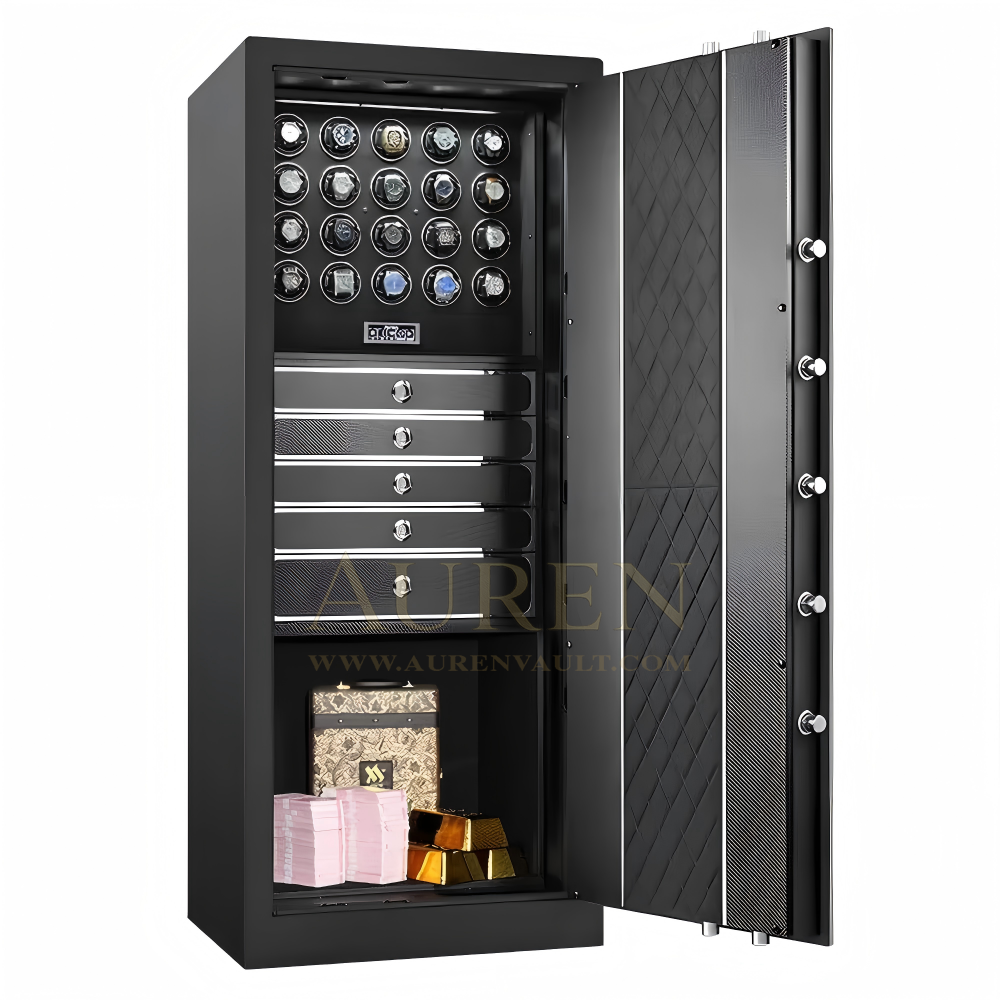
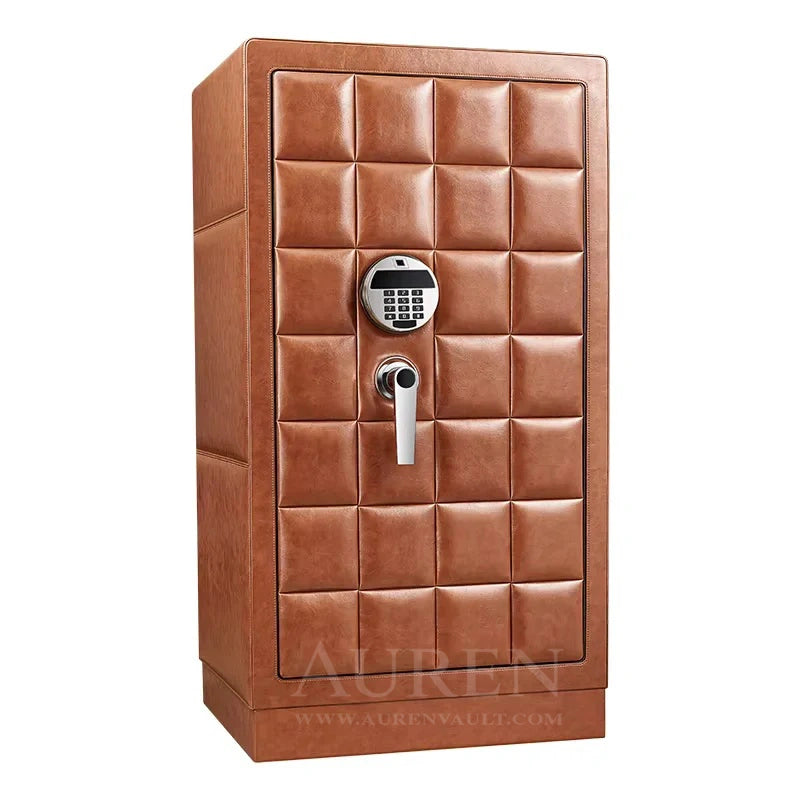
Collectors looking to combine winding convenience with enclosed storage can explore watch winder safes.
The watch winder safe guide provides additional context for evaluating different configurations.
Planning a Mixed Certina Collection
Consider a collector who owns a DS Action Diver, DS Action GMT, DS-2 Chronograph Automatic, DS Caimano Lady Automatic, and two quartz Certina watches.
The collection contains six watches, but only four require automatic winding positions.
The quartz models do not benefit from mechanical rotation.
Among the four automatics, the chronograph and C26.111 movement should receive their own verified programs rather than being assigned a generic Powermatic 80 setting.
This illustrates why winding capacity should reflect movement types, not simply the total number of watches.
For larger collections, luxury watch safes may provide more extensive organization.
The complete selection of watch safes offers additional storage approaches.
Where the collector needs a particular combination of winding modules, passive compartments, and different cushion sizes, custom watch safe configurations can provide greater flexibility.
How to Set Up a Certina on a Watch Winder
Begin by identifying the exact watch reference and calibre.
Confirm that the movement is automatic.
A quartz Certina will not benefit from a conventional winder.
If the automatic movement has stopped, restart it in accordance with the appropriate operating instructions.
A watch winder is generally intended to maintain an existing reserve rather than quickly restore a fully depleted movement.
Next, select the confirmed direction and TPD.
Fit the watch securely around a suitable cushion, ensuring that its strap or bracelet is not stretched unnecessarily.
Allow the winder to operate through its normal cycles.
Observe whether the watch continues running over several days.
If it stops despite a suitable program, review the initial reserve, rotation direction, and device operation.
Persistent problems may require inspection by a qualified watchmaker.
Increasing TPD should not automatically be the first response.
Does a Certina Powermatic 80 Need to Stay on a Winder?
No automatic Certina mechanically requires continuous winding.
The Powermatic 80's extended reserve can make a winder less necessary for short periods of non-use.
A watch that is sufficiently wound when removed may continue running for more than three days.
For an owner who wears the same watch several times a week, this may provide enough flexibility without external winding.
For a collector who changes watches less frequently, a winder becomes more useful.
However, maintaining continuous operation should not be confused with improving long-term preservation.
A winder does not eliminate servicing requirements.
For watches stored over extended periods, protection from humidity, extreme temperatures, accidental impacts, and unnecessary handling may be more important.
The watch storage guide explains these broader principles.
Frequently Asked Questions About Certina Watch Winders
What is the best watch winder for Certina watches?
A programmable winder with adjustable TPD, selectable rotation direction, rest cycles, quiet operation, and a correctly sized cushion is the best general choice. The exact settings depend on the movement.
How many TPD does a Certina Powermatic 80 need?
Approximately 650 TPD with bidirectional rotation is commonly published for ETA C07-family movements. It is not a universal official Certina setting, so compatibility should be confirmed for the exact calibre.
Does the Certina DS Action Diver need a winder?
No. The DS Action Diver Powermatic 80 can receive sufficient winding through normal wear. A winder is optional and mainly useful when the watch is left unworn for longer than its available reserve.
Is the Certina DS Action GMT compatible with watch winders?
Yes. References containing the automatic Powermatic 80.661 can use a compatible winder. Keeping the movement running may reduce repeated GMT and date adjustments.
What is the correct winder setting for Certina A05.231?
The setting should be confirmed for the specific A05.231 movement. It should not automatically be assigned the traditional Valjoux 7750 program solely because it belongs to a related chronograph family.
Does the Certina DS-2 Chronograph Automatic need more TPD?
Not necessarily. Chronograph complexity does not independently establish a higher TPD requirement. The winding mechanism determines the appropriate direction and rotation count.
Can a 29 mm Certina automatic use a watch winder?
Yes. The DS Caimano Lady Automatic and other small automatic Certina watches can use suitable winders. A smaller or compressible cushion may be necessary.
Does an 80-hour reserve mean 800 TPD?
No. Power reserve is measured in hours of potential running time, while TPD measures external rotations. There is no direct numerical conversion.
Can a winder overwind a Certina automatic?
Modern automatic movements generally incorporate mechanisms that limit excessive mainspring tension. Nevertheless, unnecessarily high rotation counts should be avoided.
Are quartz Certina watches compatible with winders?
A conventional winder does not charge or wind quartz movements. Quartz watches should be stored without active winding.
Is a watch winder safe worthwhile for Certina collectors?
It can be worthwhile when several automatic watches need winding and the owner also wants enclosed storage. For one frequently worn Certina, a standalone winder may be sufficient.
Related Reading
For collectors comparing automatic movement families and practical storage:
-
Best Watch Winder for Grand Seiko: Spring Drive & TPD Guide — Explores the differences between movement technology, power reserve, and external winding.
-
Best Watch Winder for Cartier: TPD Settings & Buying Guide — Discusses automatic and quartz movement compatibility.
-
Watch Safes with Built-In Watch Winders: Are They Worth It? — Compares standalone winding with integrated storage.
Final Thoughts: The Best Certina Winder Starts With Movement Identification
Certina's mechanical watches combine practical engineering with several different automatic movement families.
The Powermatic 80 provides an extended reserve, while automatic chronographs such as those using the A05.231 have different mechanical characteristics.
Compact automatic watches equipped with the C26.111 introduce additional physical considerations.
For a single regularly worn Certina, a programmable standalone winder may provide all the necessary convenience.
For collectors managing multiple movements, independent controls and appropriately sized cushions become more important.
At Auren Vault, the focus is on integrating reliable winding, organized storage, and considered protection into a refined ownership experience.
Ultimately, the correct winder should maintain sufficient energy, respect the movement's requirements, and support the watch securely without introducing unnecessary complexity.