
Humidity is one of the most overlooked environmental risks for luxury watches. While modern mechanical watches are engineered with protective seals and gaskets, excessive moisture in the air can still affect delicate internal components over time.
Humidity damage in luxury watches occurs when moisture enters or accumulates around the watch, potentially affecting movement lubrication, metal components, and internal mechanisms.
High humidity environments may lead to several risks for mechanical watches:
- moisture entering the watch case through worn seals
- corrosion affecting delicate metal components
- condensation forming inside the watch case
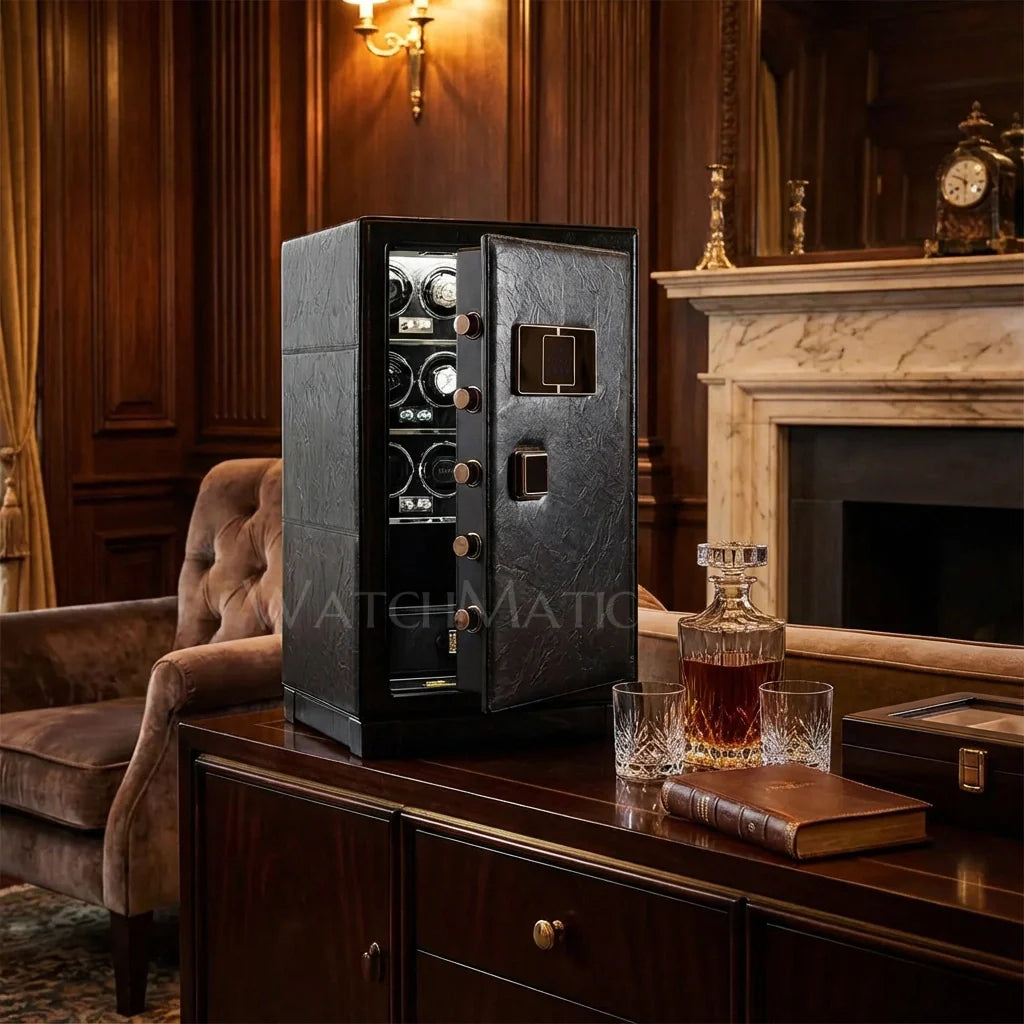
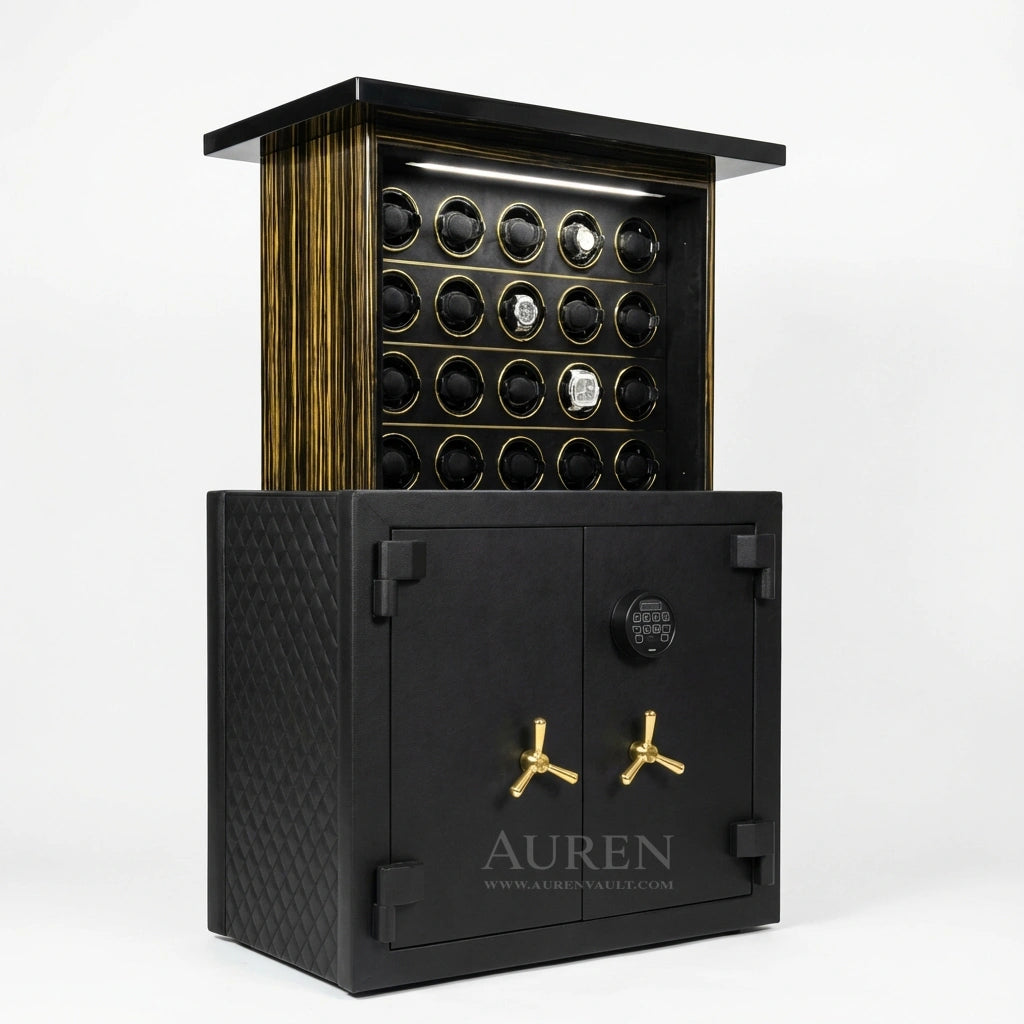
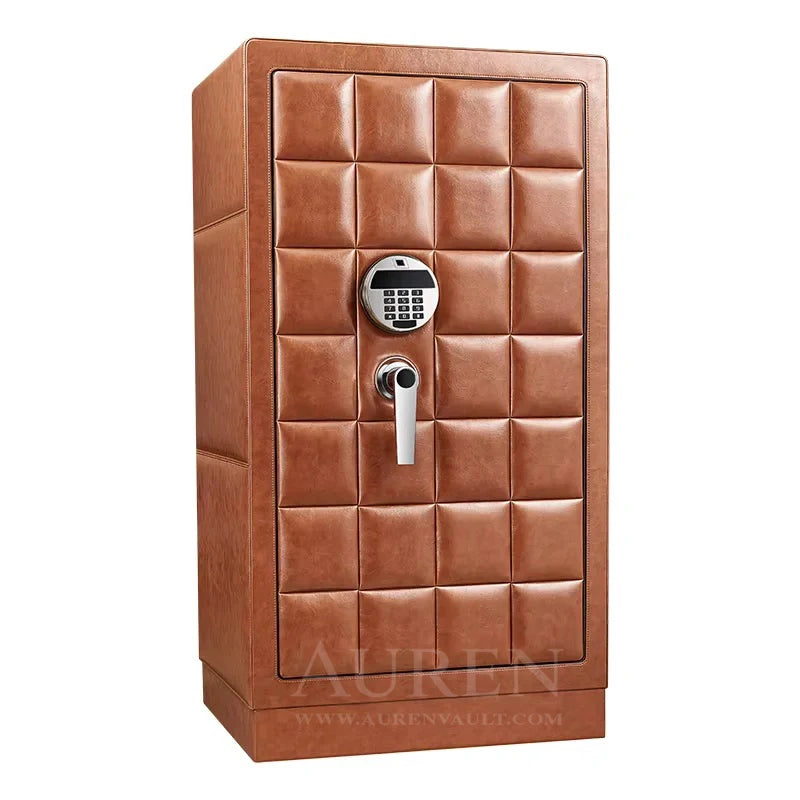
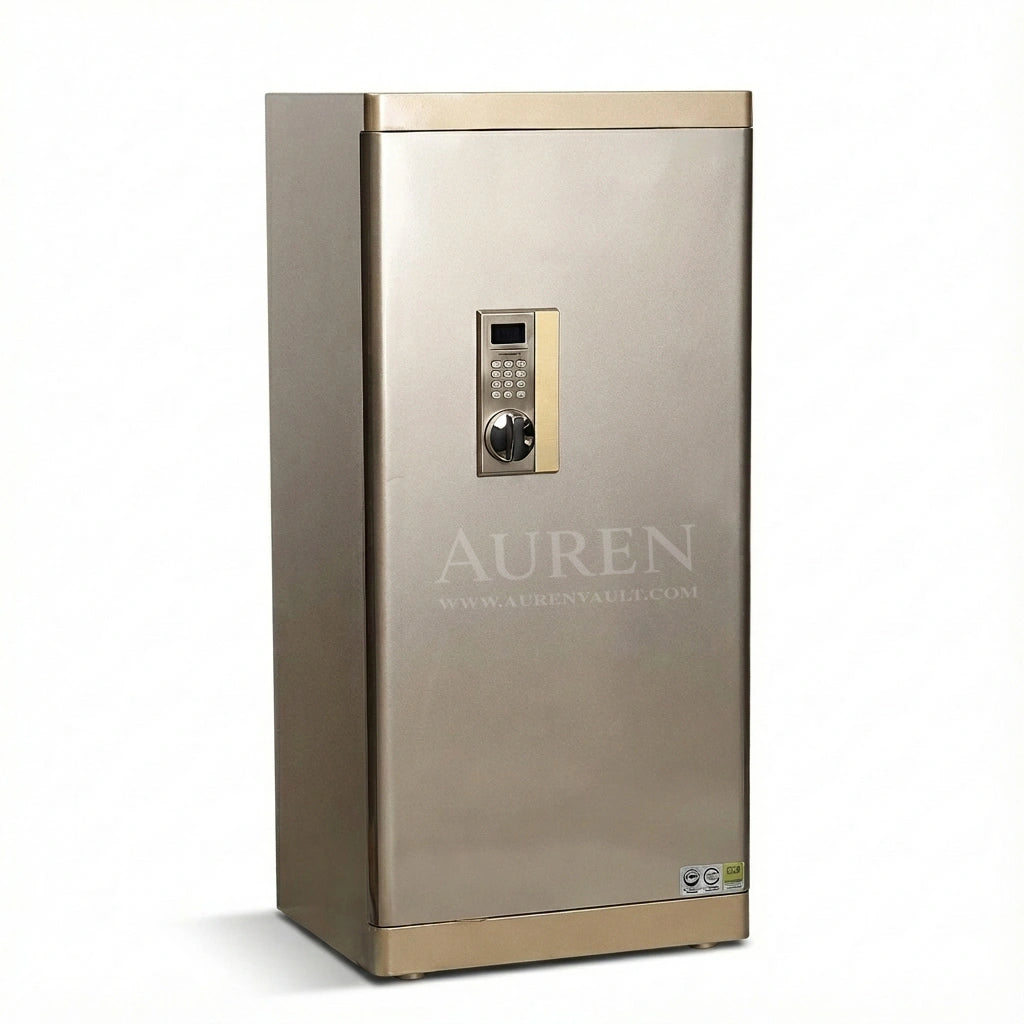
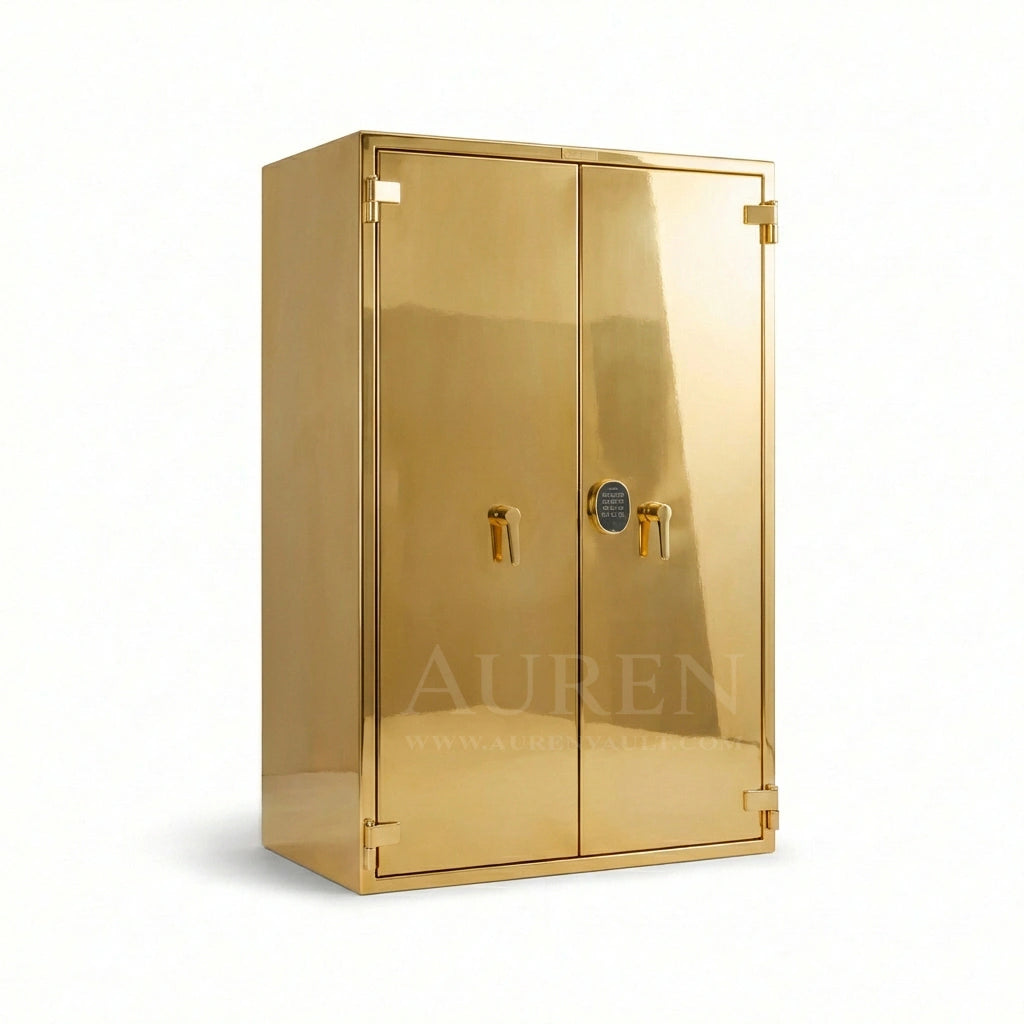
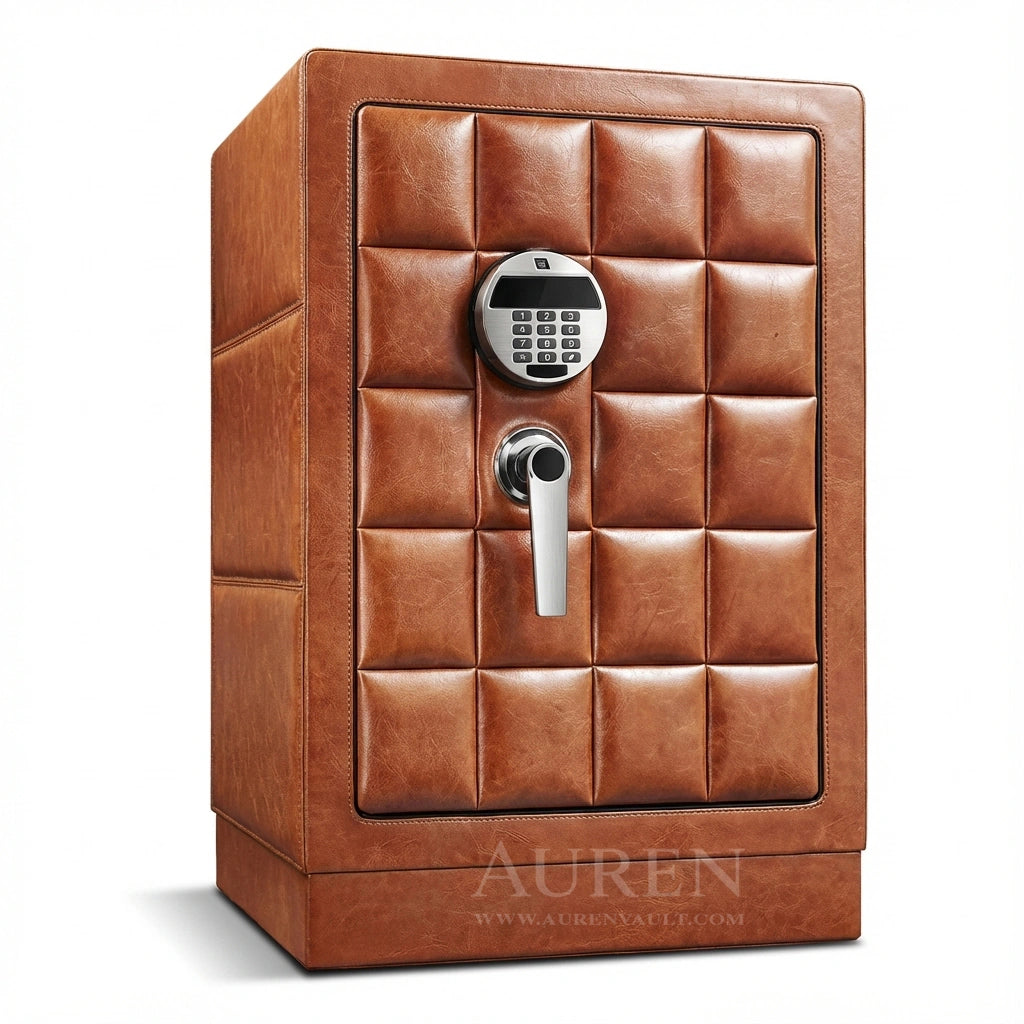
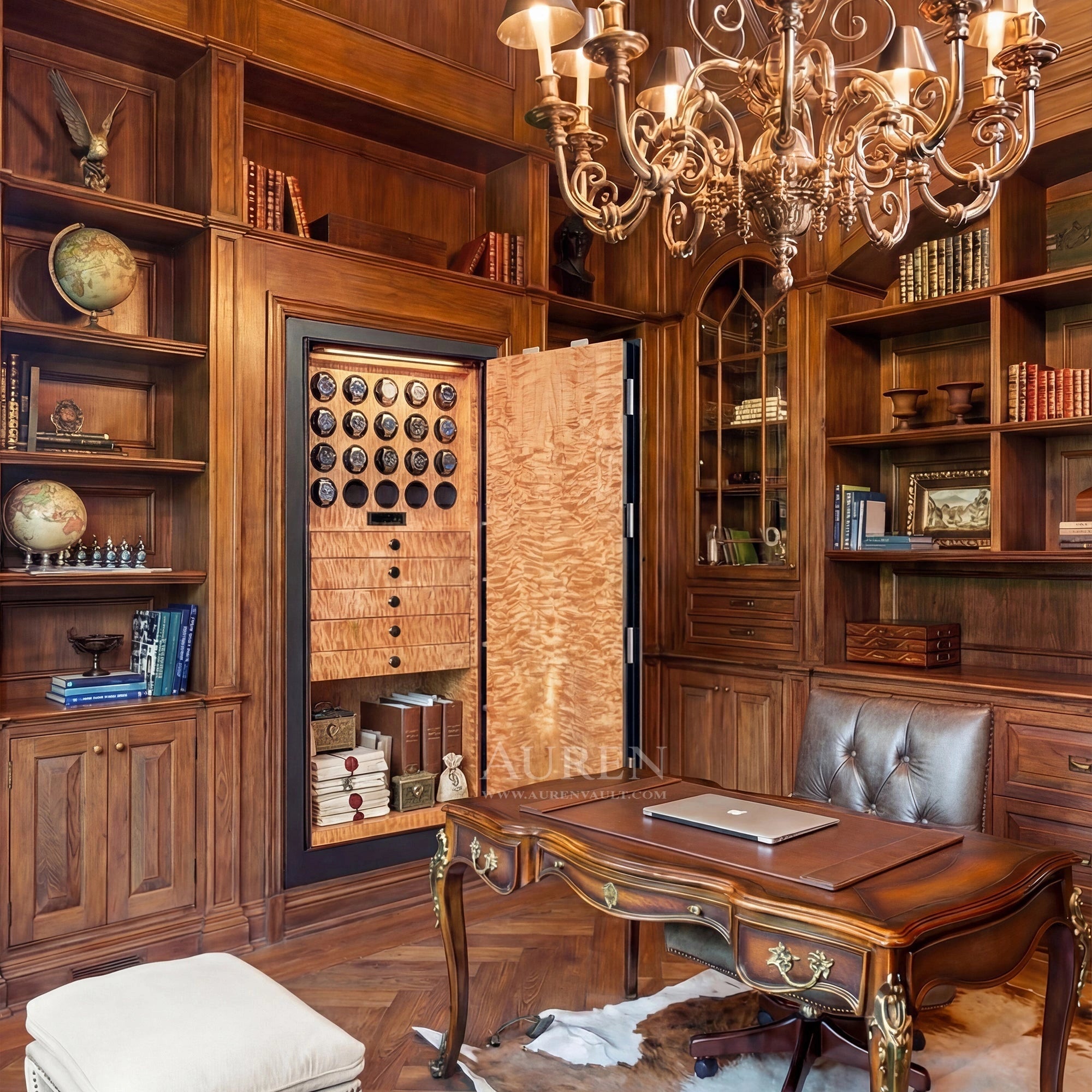
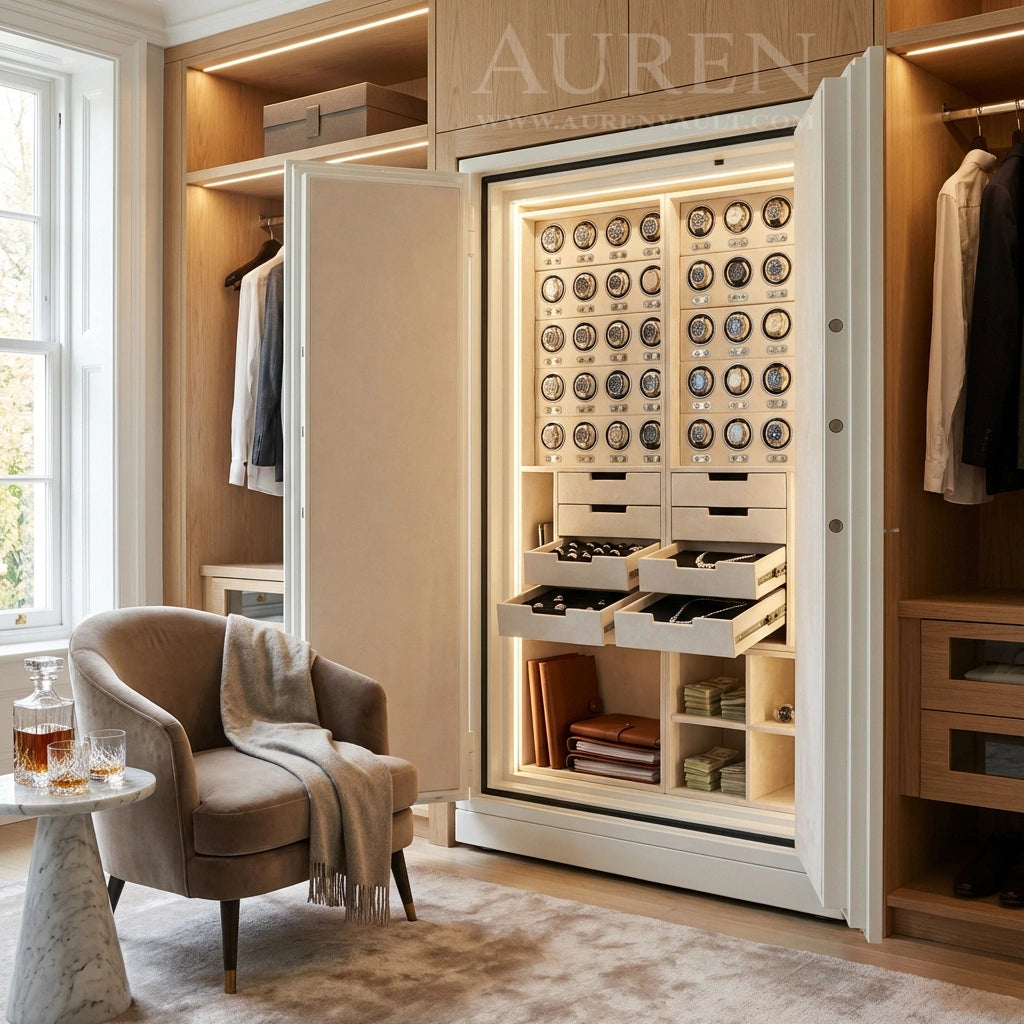
For collectors storing valuable timepieces at home, maintaining stable storage conditions is essential. Watch safes designed for collectors often help create a controlled storage environment that protects watches from theft, fire exposure, and environmental factors such as humidity.
Understanding How Humidity Affects Watches
Humidity refers to the amount of moisture present in the air. When humidity levels rise, the surrounding environment contains more water vapor.
Although most luxury watches are designed to resist water exposure during everyday use, they are not completely immune to moisture over long periods.
Mechanical watches contain numerous precision metal components including gears, springs, and pivots. These parts are engineered to extremely tight tolerances and rely on specialized lubricants to function smoothly.
Excess moisture in the air can gradually affect these components, particularly when watches are stored for long periods in uncontrolled environments.
Collectors new to secure storage often begin by understanding what a watch safe is and how specialized safes are used to protect valuable watch collections.
Moisture and Internal Watch Components
Inside every mechanical watch movement are hundreds of small components that must operate with precision.
Moisture can affect several critical elements:
Lubricants
Mechanical watch movements rely on specialized lubricants to reduce friction between moving parts. Excess humidity can degrade these lubricants over time, potentially affecting movement performance.
Metal Components
Many movement parts are made from finely finished metals. Exposure to moisture may increase the risk of oxidation or corrosion over long periods.
Balance and Regulation Systems
Even small environmental changes can influence how precisely a mechanical watch keeps time. Stable storage environments help maintain consistent performance.
Because of these factors, collectors often pay attention to environmental conditions when storing watches long-term.
Condensation and Watch Cases
Humidity can also lead to condensation, particularly when temperature changes occur.
Condensation forms when warm, humid air contacts a cooler surface. If moisture condenses inside a watch case, it may appear as a foggy layer under the crystal.
Although modern watches include water-resistant seals, these seals can wear over time. Aging gaskets or exposure to environmental conditions may allow small amounts of moisture to enter the case.
This is one reason collectors avoid storing watches in environments with high humidity levels.
Environmental Risks in Home Storage
Luxury watches are often stored inside homes rather than bank vaults.
Certain locations in the home may experience higher humidity levels, including:
- basements
- garages
- storage rooms with poor ventilation
These environments can expose watches to fluctuating humidity conditions.
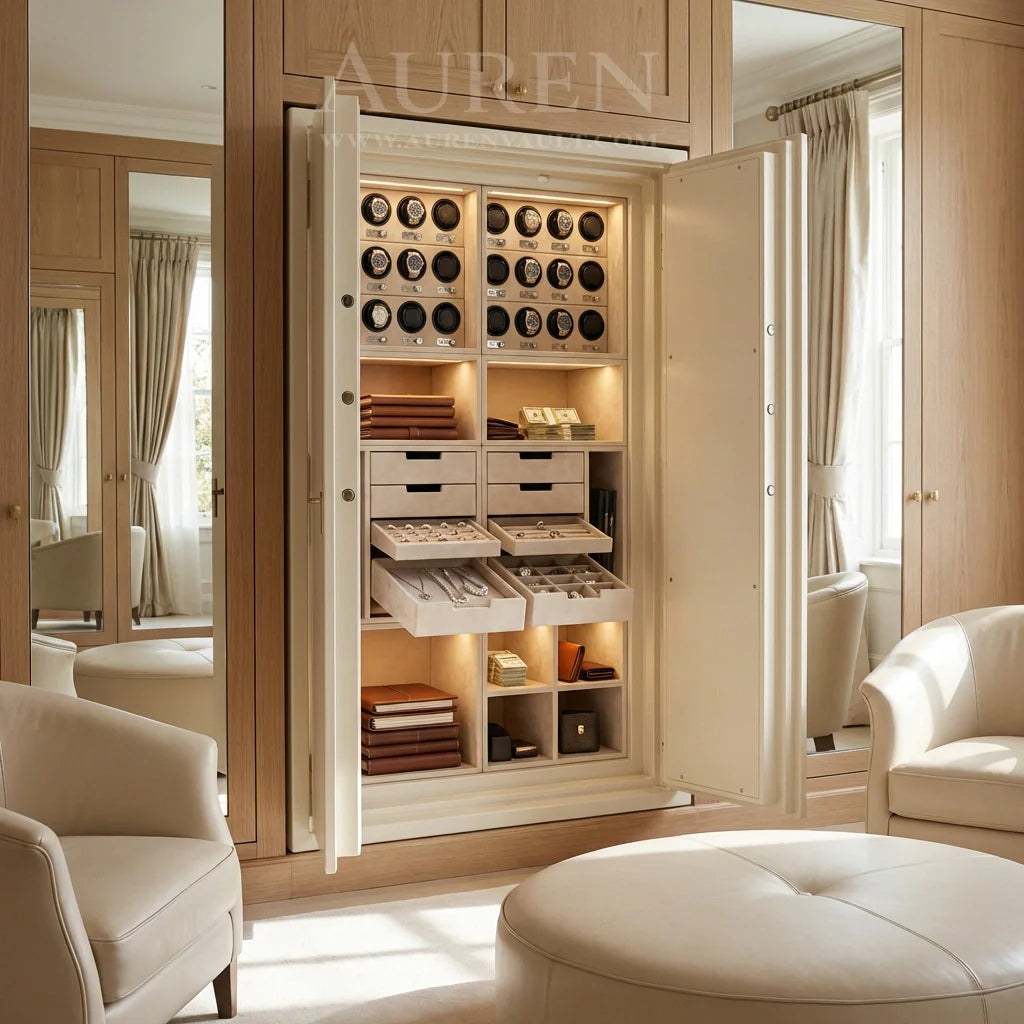
Collectors storing valuable watches often prefer interior locations such as closets, dressing rooms, or home offices where environmental conditions are more stable.
How Watch Safes Help Protect Against Humidity
Although watch safes are primarily designed for security, their construction can also contribute to environmental stability.
High-quality watch safes typically include:
- insulated multi-layer construction
- sealed door structures
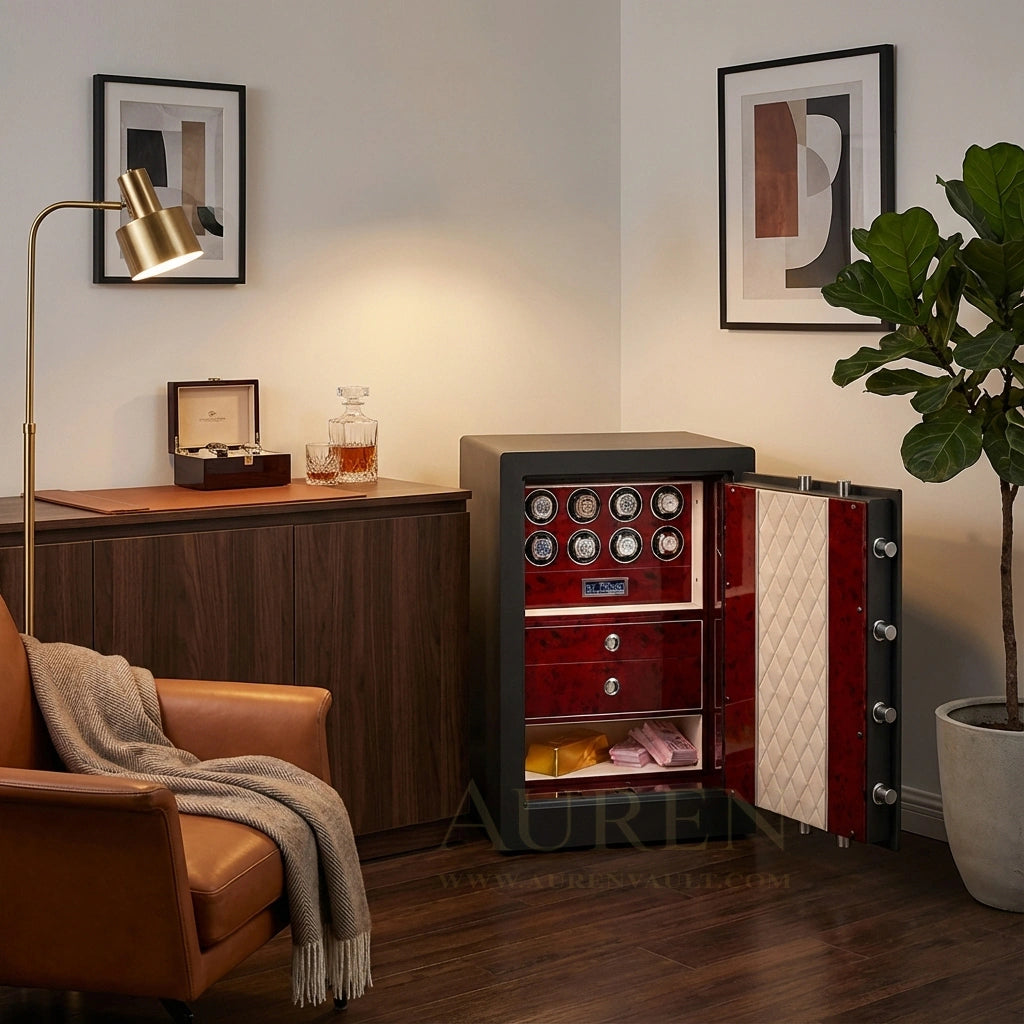
- controlled interior storage spaces
This construction helps reduce sudden environmental fluctuations.
Some collectors also add dehumidifier systems or desiccant packs inside safes to help manage moisture levels within the storage space.
Collectors exploring secure storage options often review humidity watch safes designed specifically for luxury watch collections.
Fire Protection and Environmental Insulation
Many watch safes incorporate fire-resistant insulation materials designed to protect valuables during fires.
Certain safes are tested under European fire resistance standards such as:
- EN 15659 – LFS 30 P
- EN 15659 – LFS 60 P
These safes use insulation materials that slow heat transfer during fire exposure.
Although these materials are primarily intended for fire protection, they can also help reduce environmental fluctuations within the safe.
Security and Environmental Stability
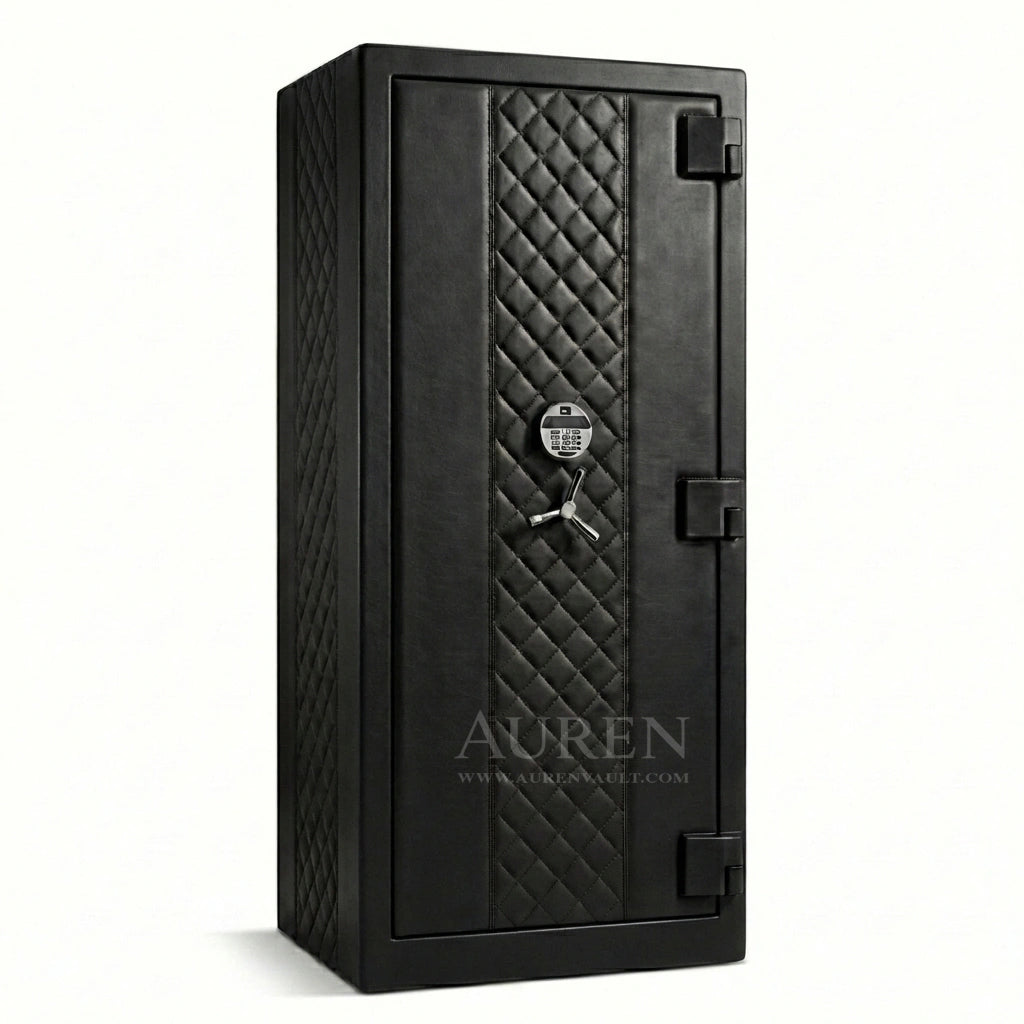
The heavy construction used to protect safes from burglary can also help stabilize interior storage conditions.
High-security safes may include:
- reinforced steel bodies
- multi-layer door structures
- internal insulation barriers
Some safes are tested under European burglary resistance standards such as Grade G1 or Grade G3, which evaluate resistance to forced entry using specialized tools.
Collectors researching watch security often explore temperature control in watch safes to better understand how safes help maintain stable storage environments.
Real-World Storage Practices Among Collectors
Many collectors store their watches in interior areas of the home, such as walk-in closets or dressing rooms, where humidity levels are typically more stable.
These spaces also allow safes to be placed discreetly within the home.
Many floor-standing watch safes weigh 150–650 kg, which helps provide structural stability while also making them resistant to removal attempts.
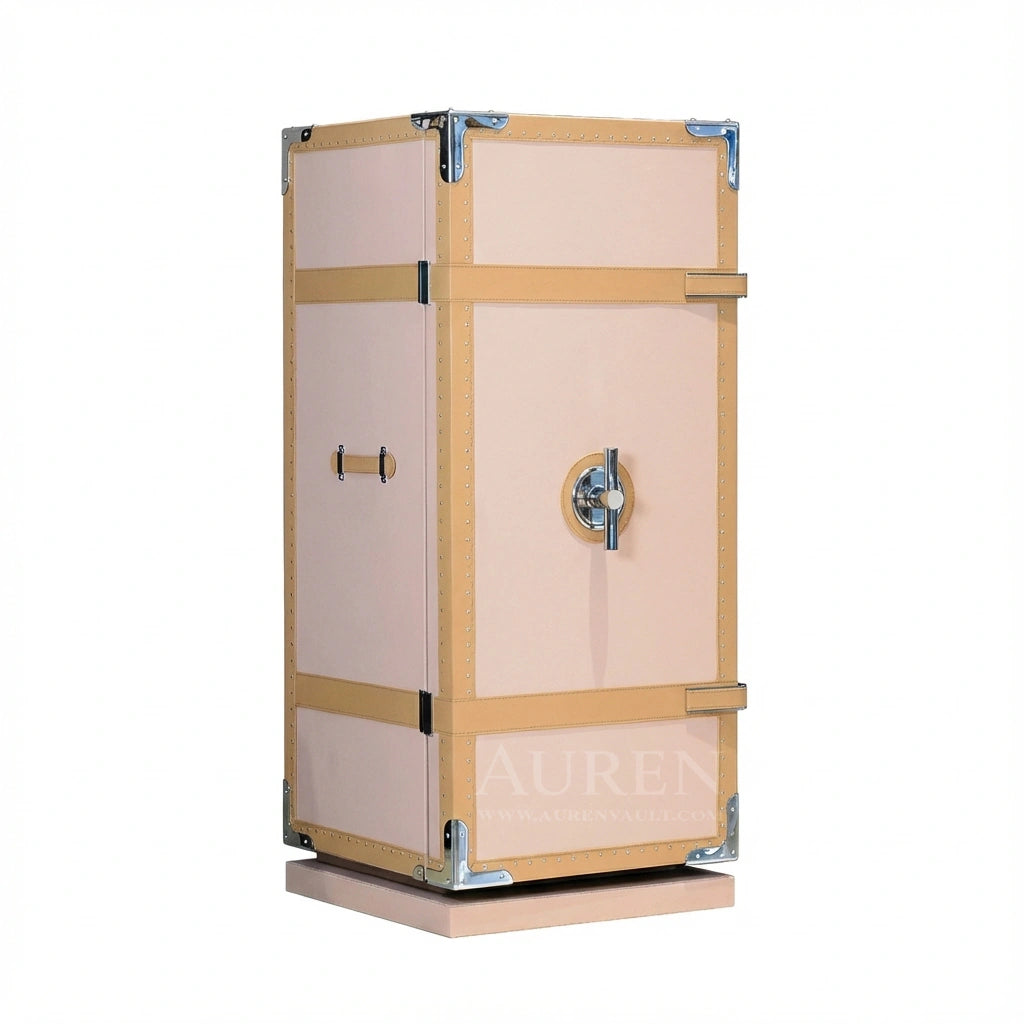
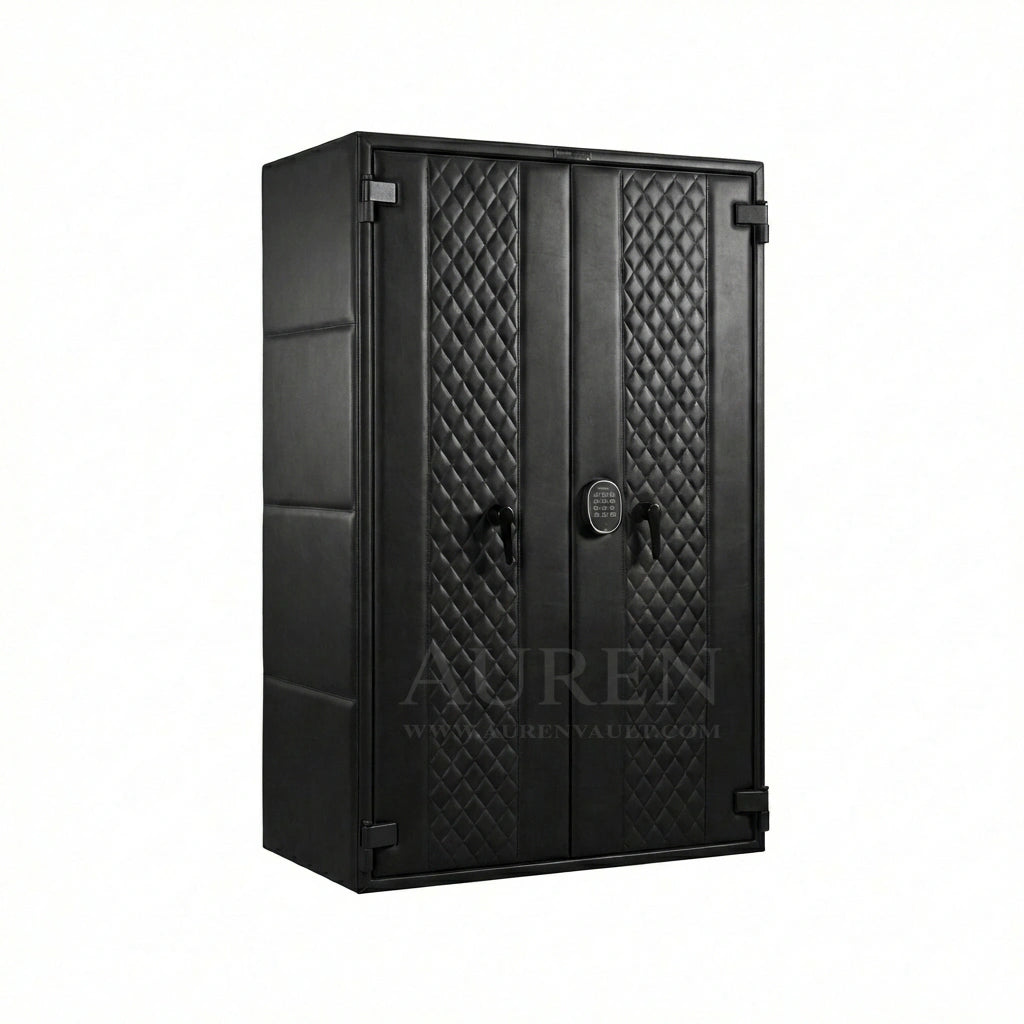
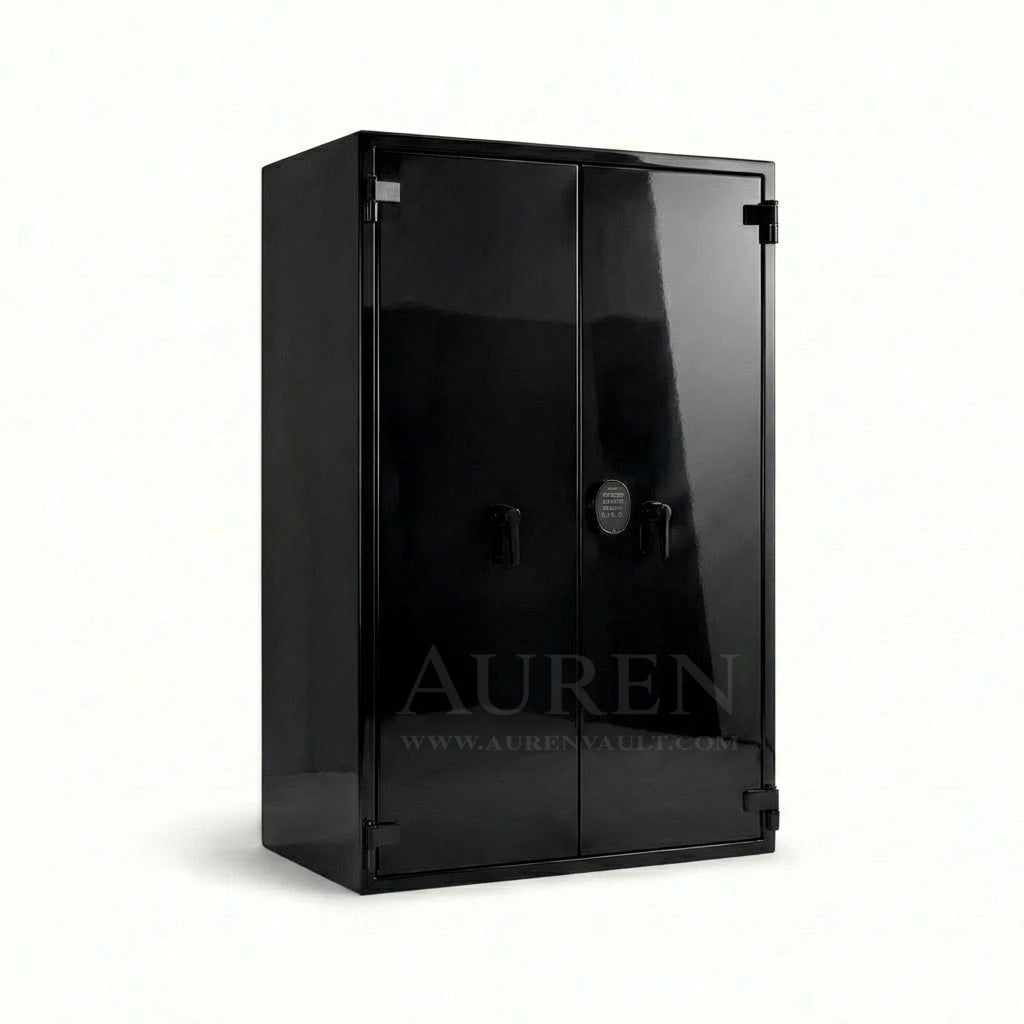
Certain manufacturers, including Auren, design watch safes specifically for collectors who require both secure storage and carefully engineered interiors for protecting luxury watch collections.
Conclusion
Humidity can gradually affect luxury watches by exposing delicate mechanical components to moisture and environmental fluctuations.
Although modern watches include protective seals, long-term exposure to high humidity may increase the risk of condensation, lubricant degradation, and corrosion.
For collectors storing valuable timepieces, maintaining stable storage conditions is an important part of preserving watch performance and longevity.
Watch safes designed for collectors provide both security protection and environmental buffering, helping protect luxury watches from humidity and other environmental risks.