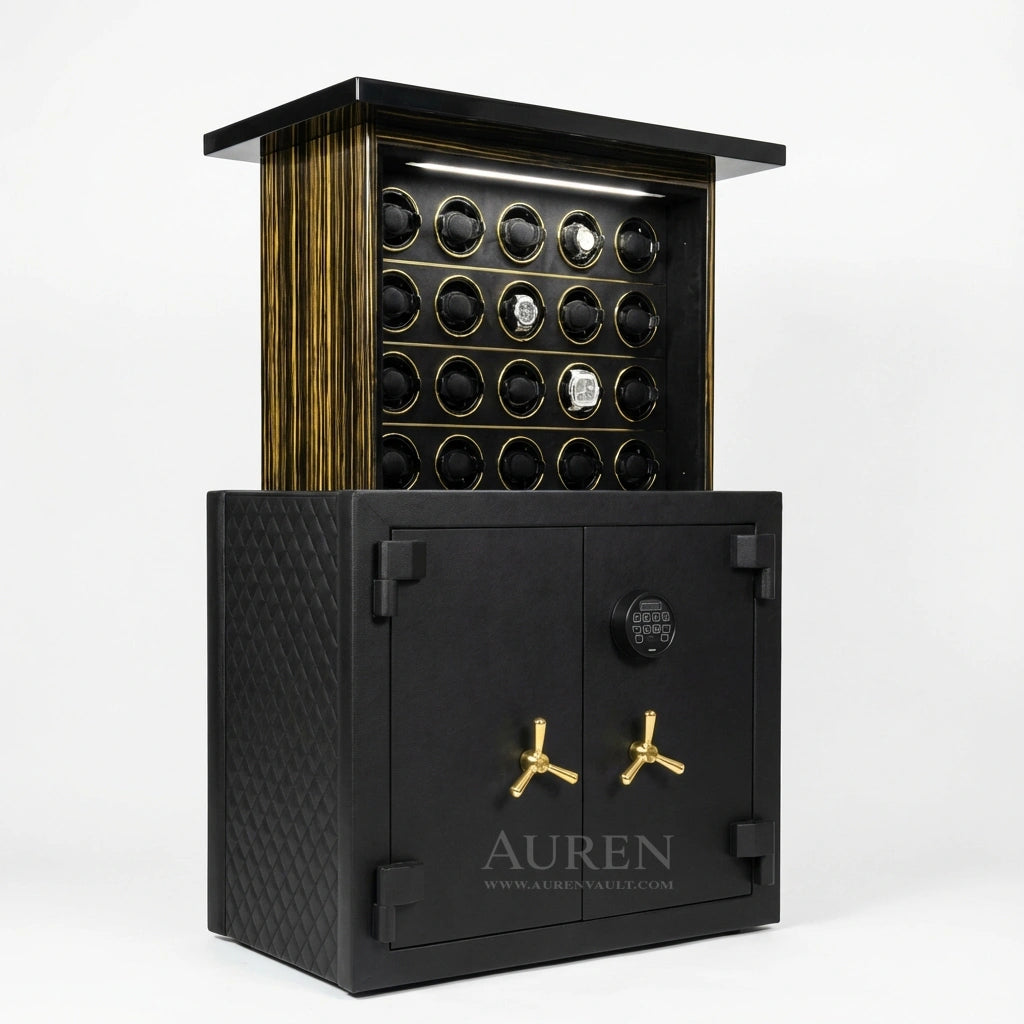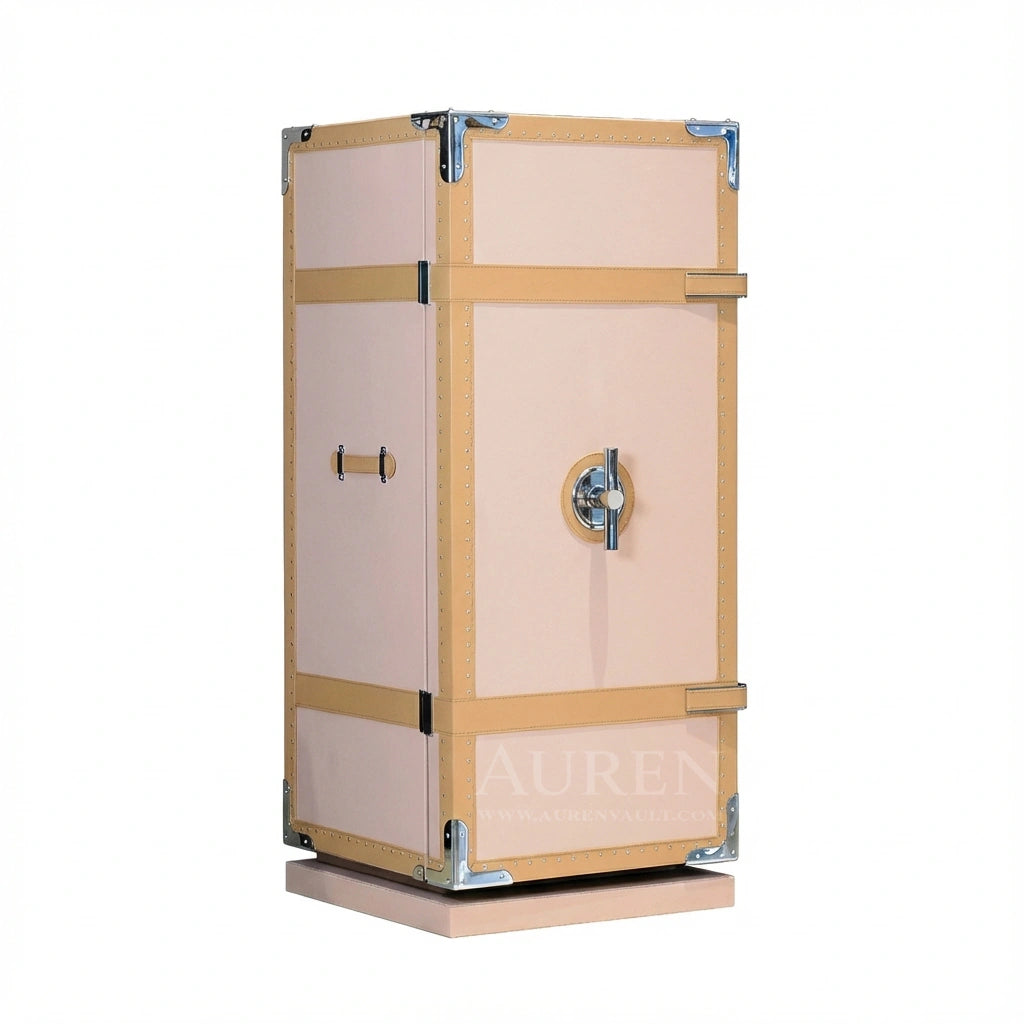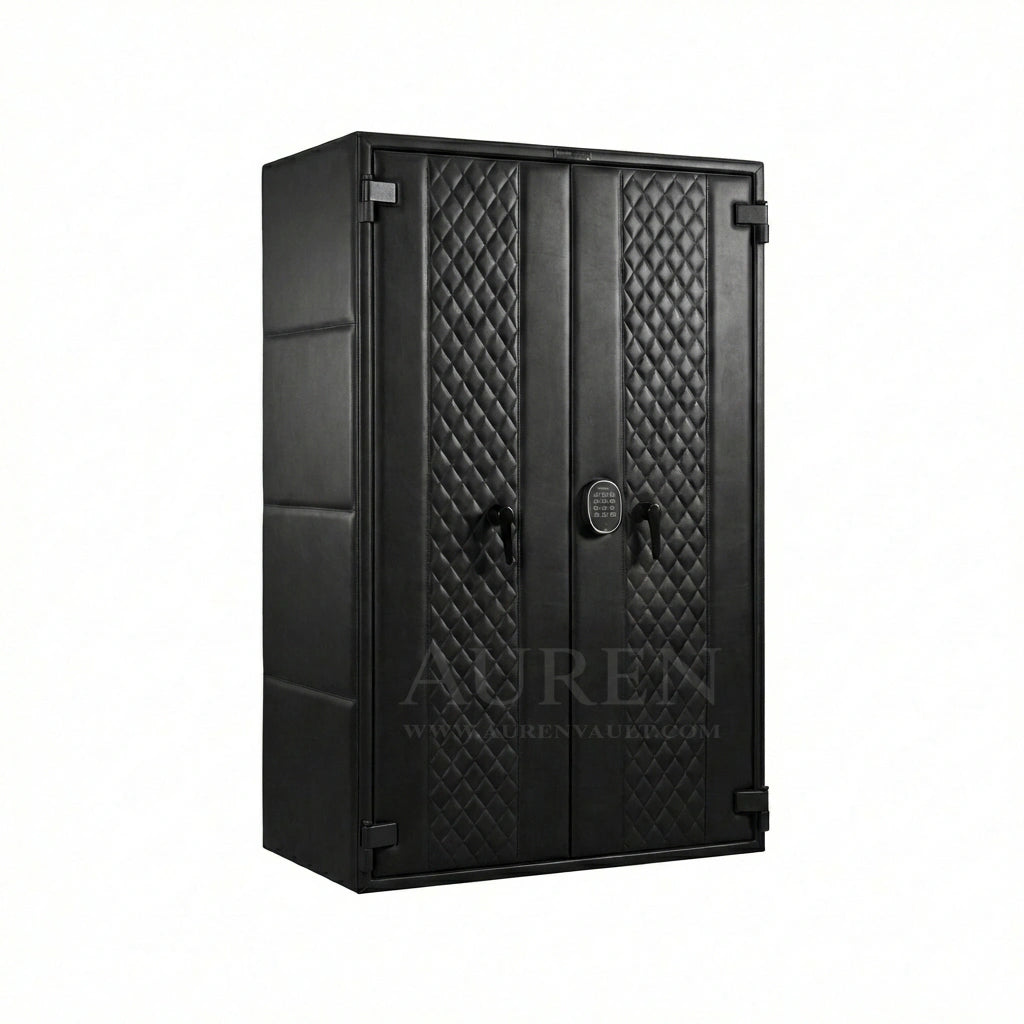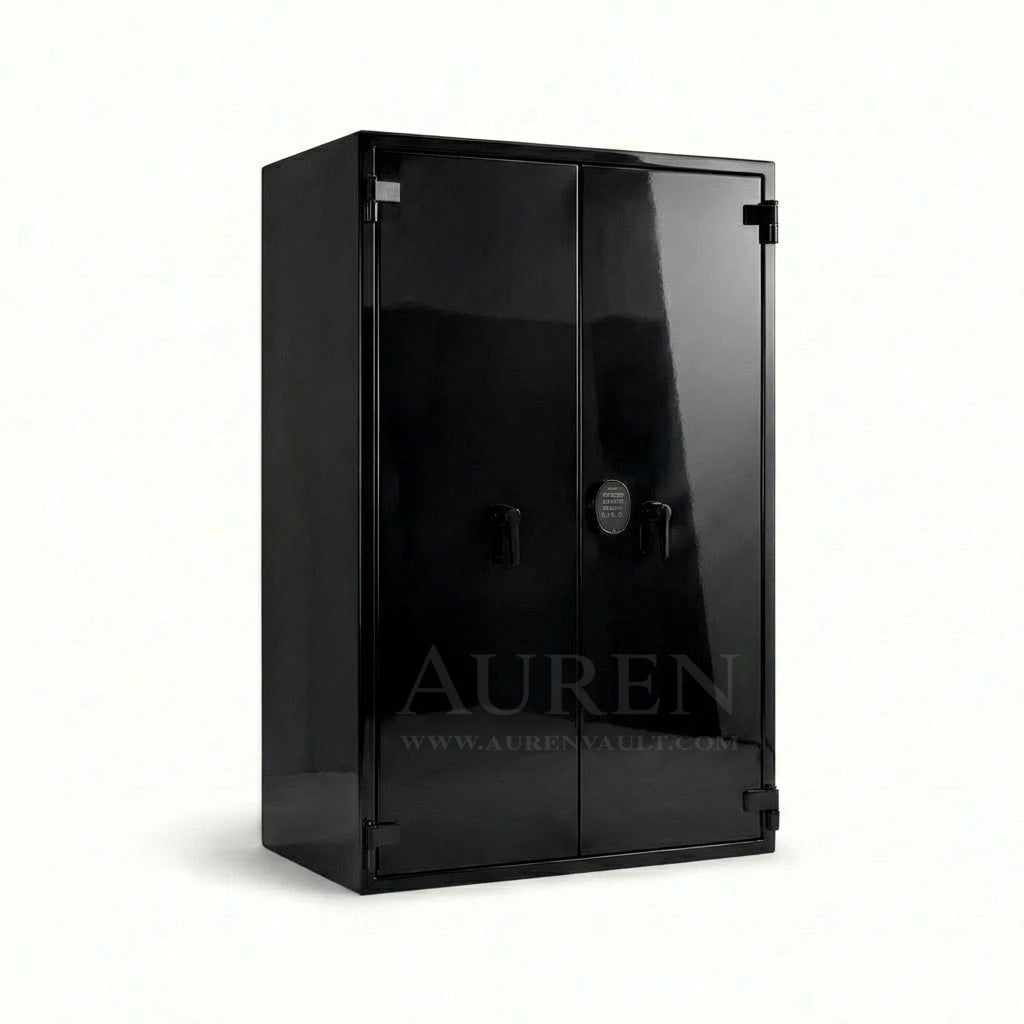
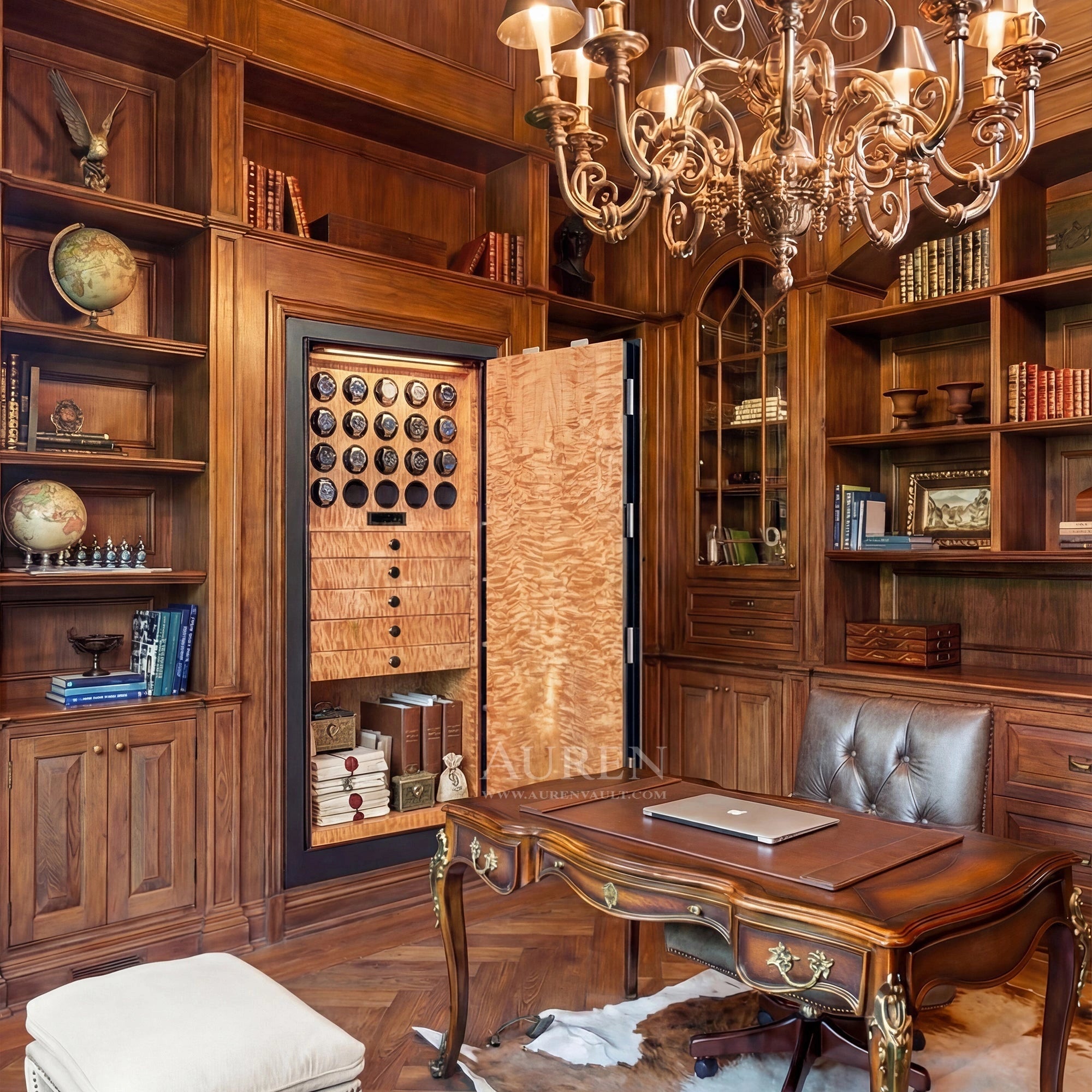
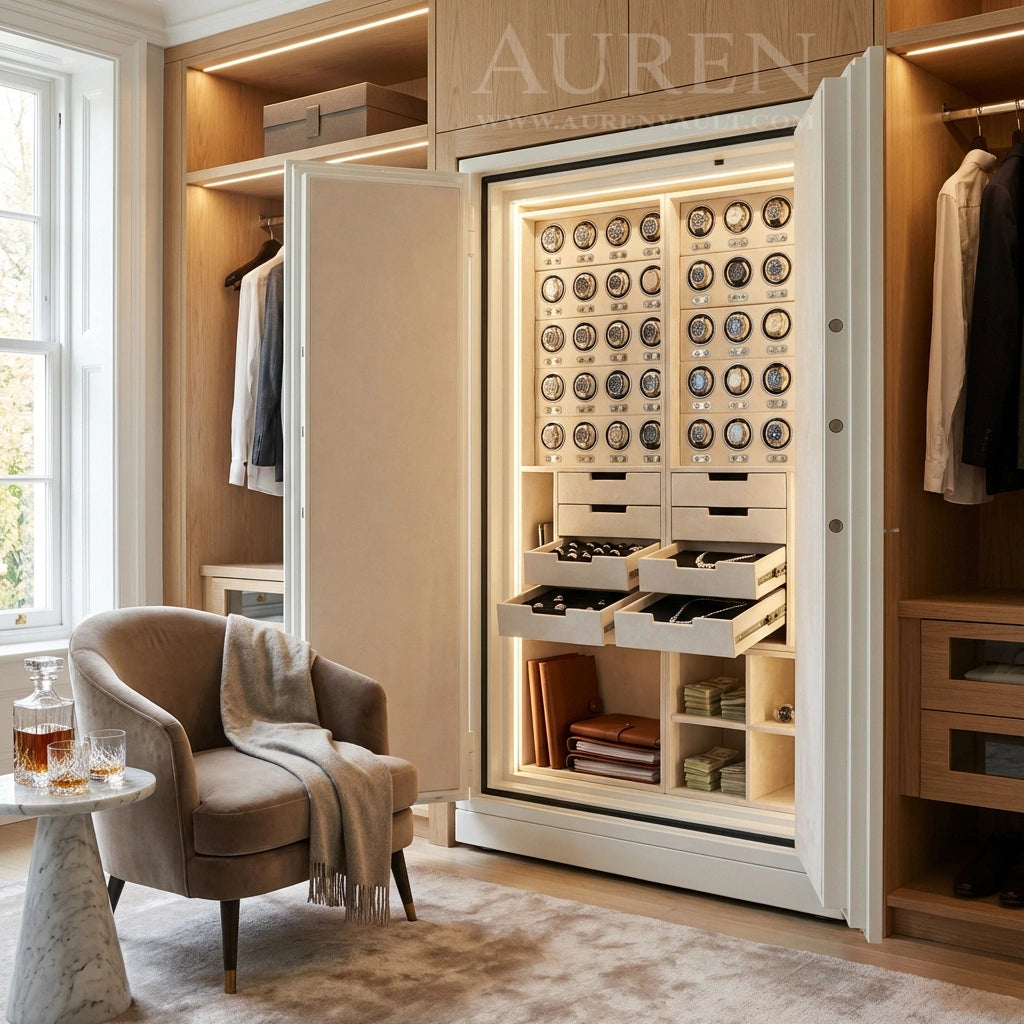

Luxury mechanical watches are precision instruments that rely on delicate components, lubricants, and seals to function correctly. Because of this, environmental conditions—especially temperature—can influence long-term watch performance and preservation.
Temperature control in watch safes refers to the ability of a safe to maintain a stable internal environment that protects watches from excessive heat fluctuations. While watch safes are primarily designed for burglary protection and fire resistance, maintaining stable temperature conditions inside the safe also helps preserve mechanical watch components over time.
Several factors make temperature control important for watch storage:
- mechanical watch lubricants can degrade under extreme heat
- temperature fluctuations may affect gaskets and seals
- stable storage environments help preserve long-term performance
For collectors storing valuable watches at home, a watch safe can function as a controlled storage environment that helps protect timepieces from theft, fire exposure, and environmental stress.
Why Temperature Matters for Mechanical Watches
Mechanical watches are complex devices made up of hundreds of precision components.
Inside every mechanical watch movement are specialized lubricants that reduce friction between moving parts. These lubricants are carefully engineered to perform within a specific temperature range.
When watches are exposed to extreme heat or rapid temperature fluctuations, lubricants can degrade more quickly. Over time, this may affect the movement’s efficiency and long-term reliability.
In addition to lubricants, watches also contain rubber gaskets and seals that protect the case from dust and moisture. These materials can expand or contract depending on temperature conditions.
For collectors storing watches long-term, stable environmental conditions help maintain both mechanical performance and structural integrity.
Collectors new to secure storage often begin by understanding what a watch safe is and how specialized safes are designed for luxury watch collections.
Temperature Stability Inside Watch Safes
Watch safes are not typically designed as refrigeration systems or climate-control devices. Instead, they function as protective storage environments that help buffer watches from sudden environmental changes.
Because of their multi-layer construction and insulated interiors, safes naturally slow down temperature changes compared with open environments.
This structural insulation can help protect watches from:
- sudden temperature swings
- exposure to external heat sources
- environmental fluctuations inside the home
For collectors storing valuable watches inside residential environments, this buffering effect helps maintain more stable storage conditions.
Fire-Resistant Construction and Temperature Protection
Another important aspect of temperature protection in safes comes from fire-resistant construction.
Certain safes incorporate fire-resistant insulation materials designed to slow heat transfer during fires.
Some safes are tested under European fire-resistance standards such as:
- EN 15659 – LFS 30 P
- EN 15659 – LFS 60 P
These standards evaluate whether a safe can maintain controlled internal temperatures during fire exposure.
Although these certifications are primarily designed to protect documents, the insulation used in fire-resistant safes also helps delay heat transfer, which may provide additional protection for watches stored inside the safe.
Collectors interested in fire protection often explore certified fire-resistant watch safes designed specifically for valuable collections.
Burglary Protection and Environmental Stability
Luxury watch safes are primarily designed to protect watches from theft. However, the structural design that provides burglary resistance can also contribute to environmental stability.
High-security safes often feature:
- thick steel construction
- reinforced doors
- multi-layer insulation
Some safes are tested under European burglary resistance standards such as Grade G1 or Grade G3, which evaluate resistance to forced entry using specialized tools.
While burglary protection focuses on physical security, the heavy construction of these safes also helps stabilize internal conditions by reducing rapid environmental fluctuations.
Ideal Temperature Conditions for Watch Storage
Mechanical watches generally perform best when stored in moderate, stable temperatures similar to typical indoor residential environments.
Extreme temperature exposure—whether hot or cold—can stress internal components.
For this reason, collectors typically avoid storing watches in areas where temperatures may fluctuate significantly, such as:
- garages
- attics
- basements without climate control
Instead, safes are often installed in interior areas of the home such as closets, dressing rooms, or private offices.
These locations typically provide more stable environmental conditions for storing valuable watches.
Temperature Control vs Humidity Control
While temperature stability is important, many collectors also consider humidity control when storing watches.
Excess humidity can introduce moisture inside watch cases or safe interiors, potentially affecting internal components over time.
Some collectors use additional storage solutions such as desiccant systems or dehumidifiers inside safes to help regulate humidity levels.
Collectors interested in this topic often explore humidity control for watch storage, which examines how environmental moisture affects watch preservation.
Safe Placement and Environmental Stability
Where a watch safe is installed inside a home can influence environmental conditions.
Collectors often place safes in interior rooms away from exterior walls where temperatures tend to fluctuate less.
Common safe installation locations include:
- walk-in closets
- dressing rooms
- private home offices
Many floor-standing watch safes also weigh 150–650 kg, which helps provide structural stability and resistance against removal attempts.
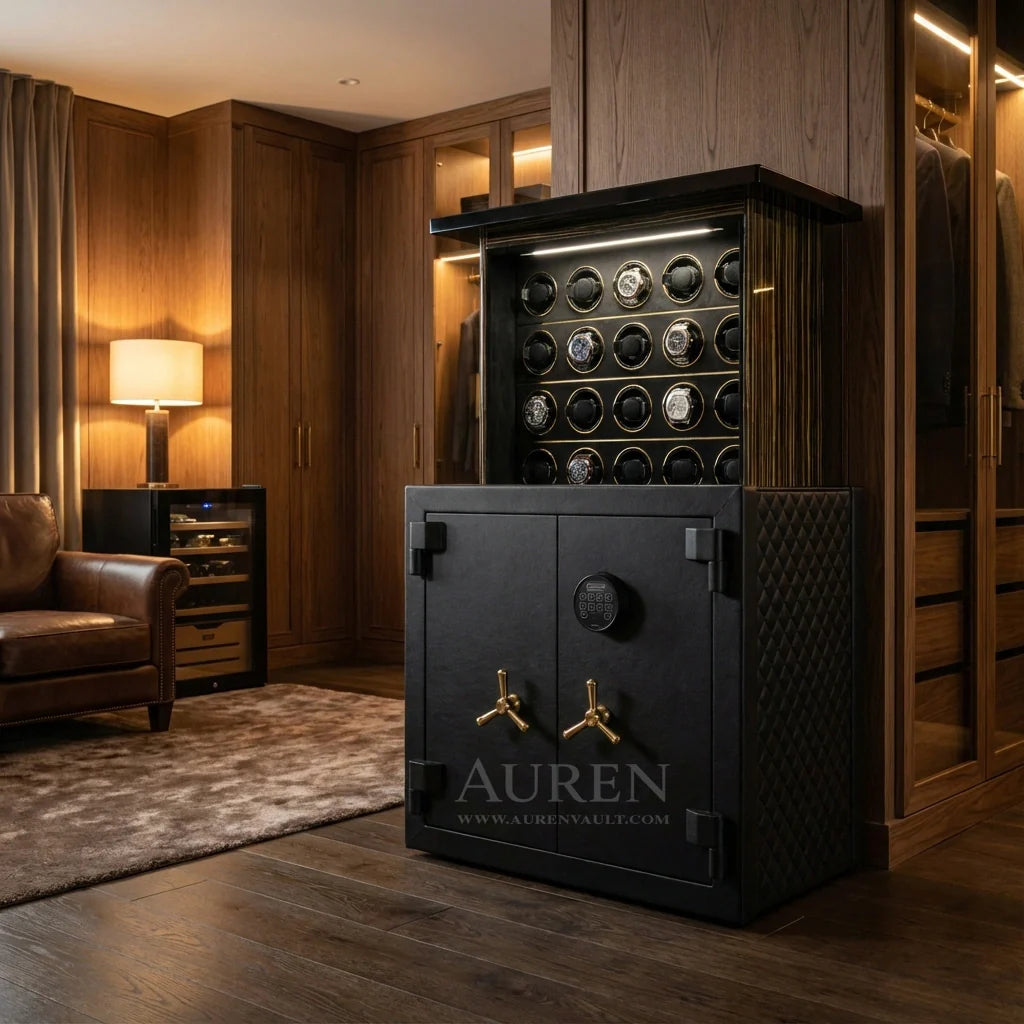
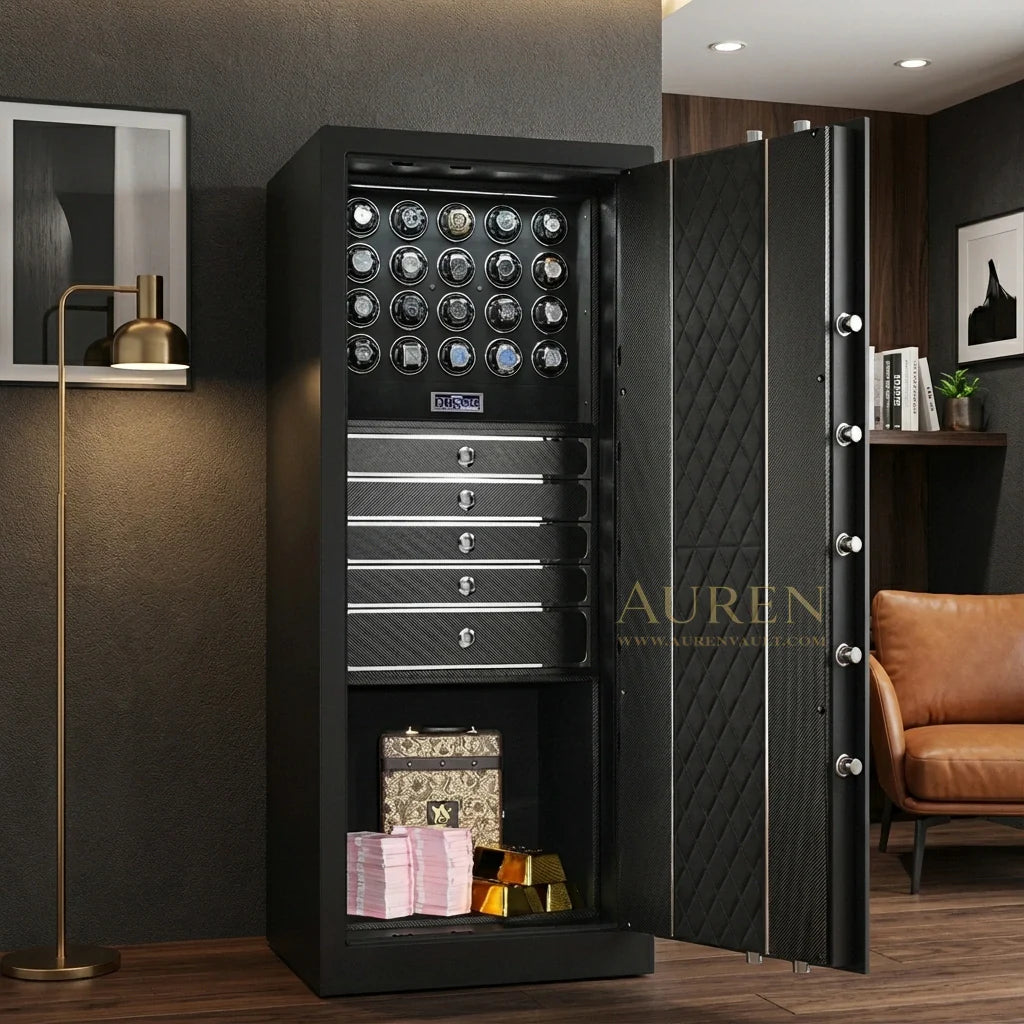
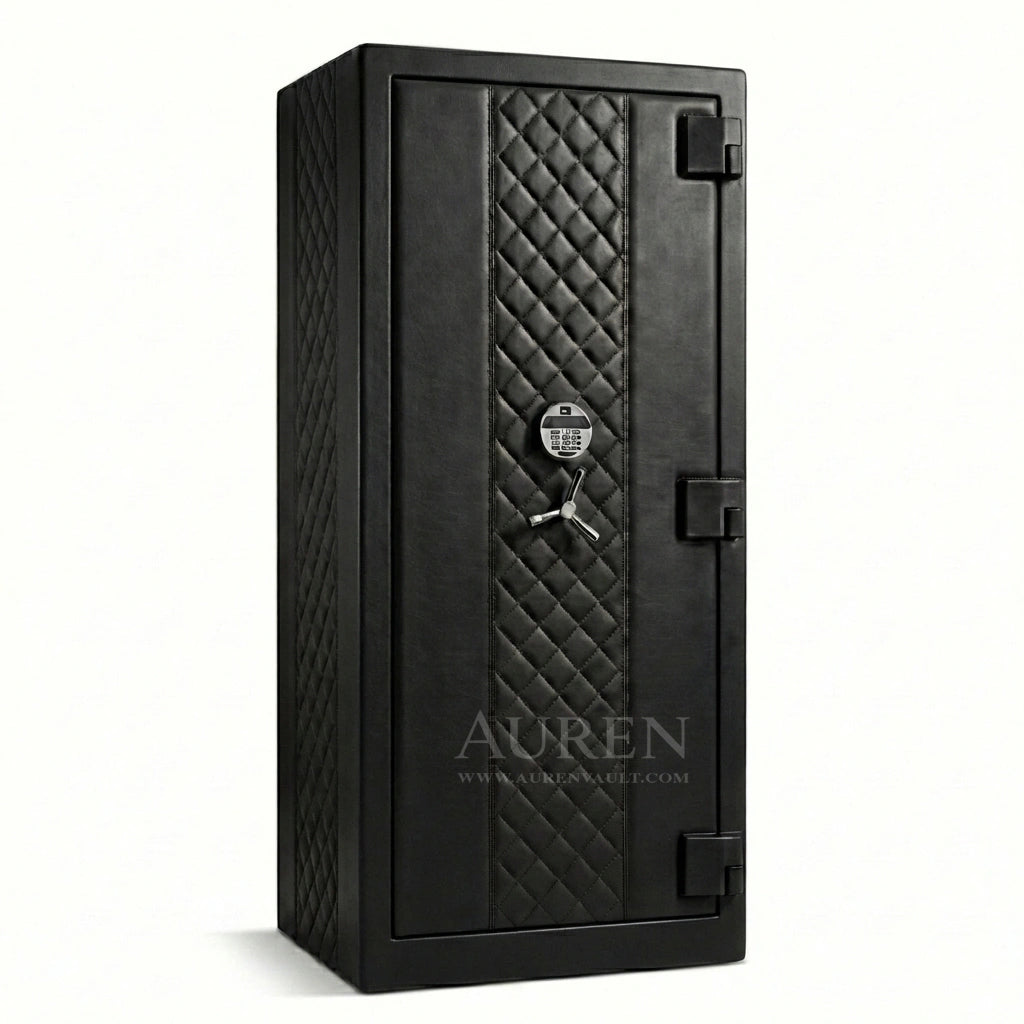
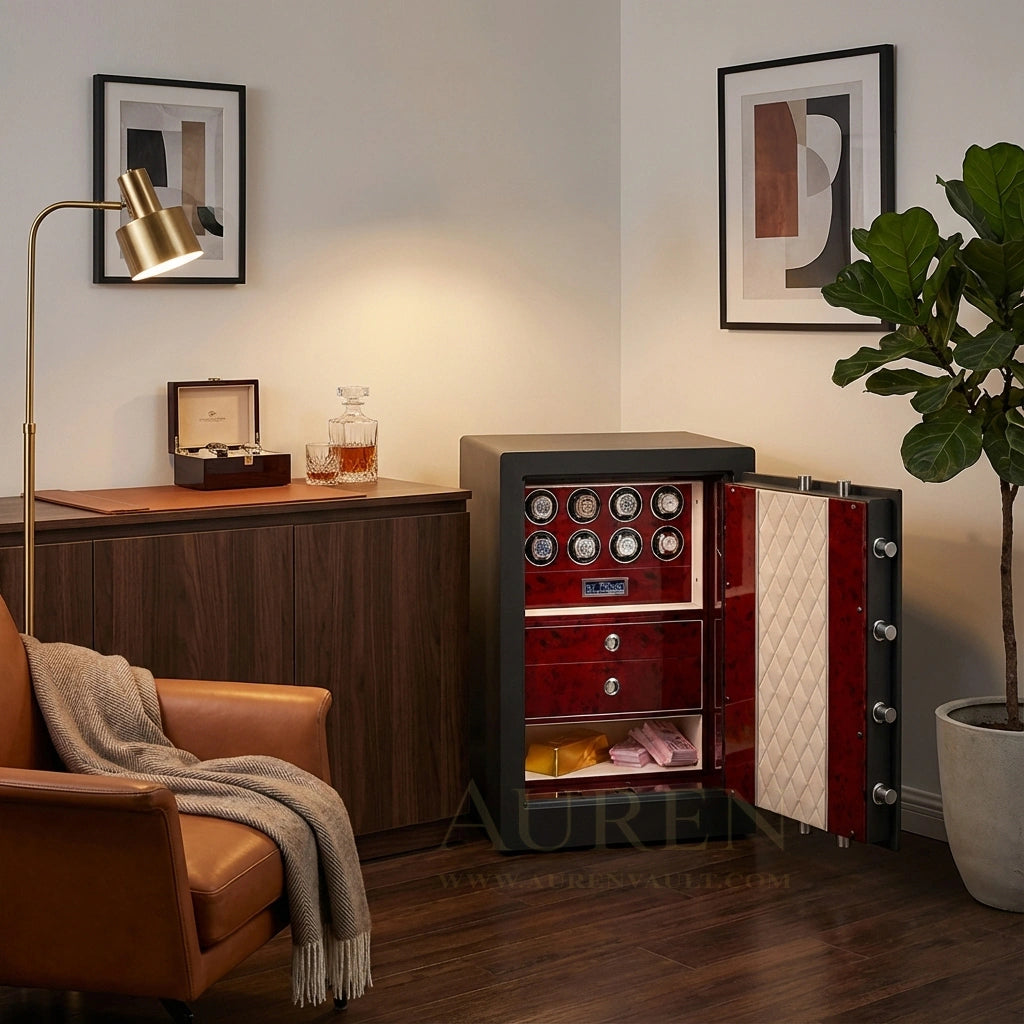
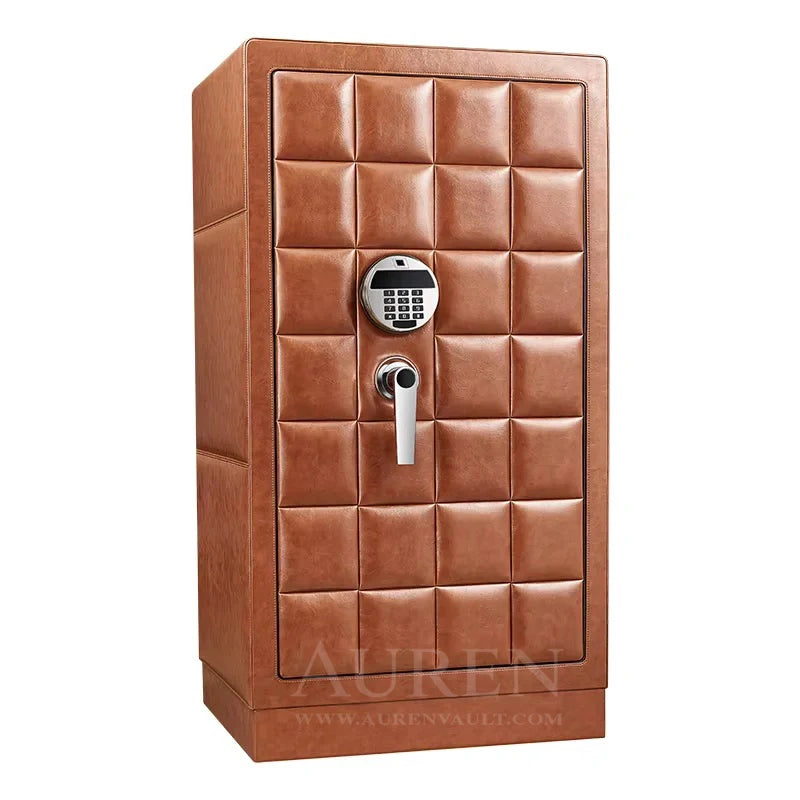
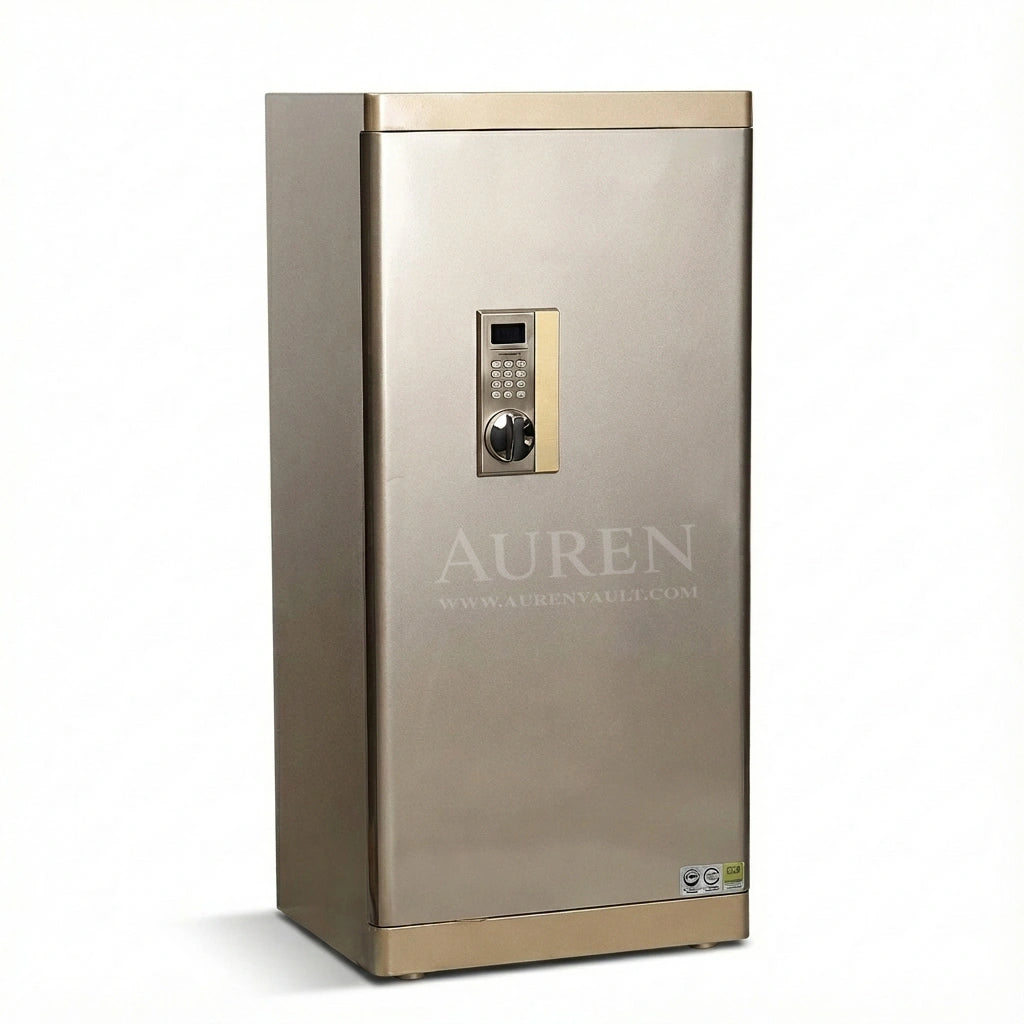
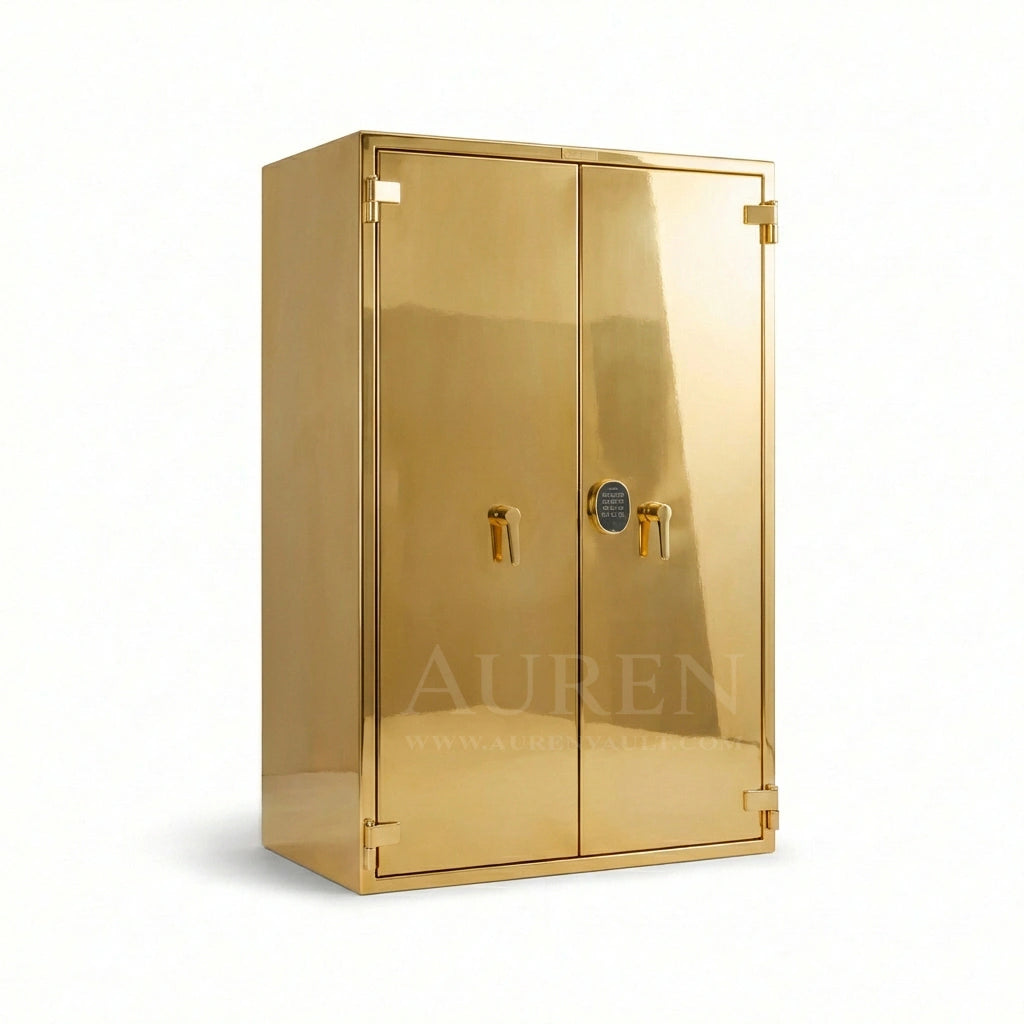
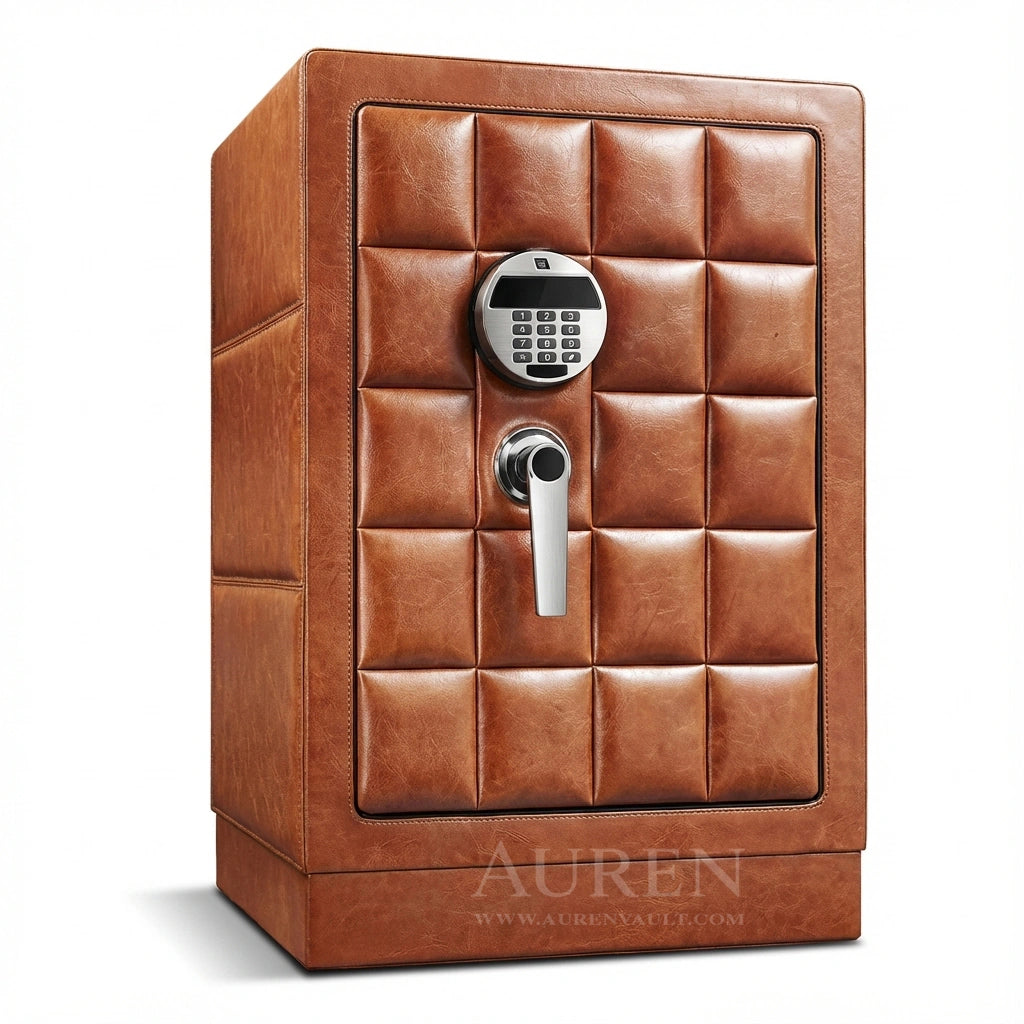
Certain manufacturers, including Auren design watch safes specifically for collectors who require both secure storage and carefully designed interiors for luxury watch collections.
Conclusion
Temperature stability plays an important role in protecting luxury mechanical watches during long-term storage.
While watch safes are primarily designed for burglary protection and fire resistance, their insulated construction can also help buffer watches from sudden environmental changes.
Safes tested under standards such as EN 15659 LFS 30 P or LFS 60 P incorporate fire-resistant insulation that slows heat transfer, helping maintain controlled internal conditions during fire exposure.
For collectors storing valuable timepieces at home, a well-designed watch safe can provide both secure protection and a stable storage environment for preserving luxury watches over time.