

The best watch winder for Rado watches is a programmable unit that provides adjustable turns per day (TPD), selectable winding direction, controlled rest cycles, and a secure holder suitable for the watch's case and bracelet.
Many Rado automatic watches can benefit from a winder, including the Captain Cook, True Square Automatic, Centrix Automatic, and DiaStar Original. Several contemporary calibres—R763, R734, R808, and R764—offer approximately 80 hours of power reserve.
Independent winding databases commonly recommend around 650 TPD with bidirectional rotation for numerous Rado automatic watches. However, these listings often cover older movements and should not be treated as official settings for every current calibre.
Movement identification is essential. The Captain Cook Over-Pole uses a manually wound movement, while certain True Square and Centrix references are quartz-powered.
Rado's ceramic case and bracelet designs also require careful physical support. The ideal winder should maintain the automatic movement reliably while minimizing unwanted pressure or contact.
Why Choosing a Watch Winder for Rado Is Different
Rado is widely recognized for its use of high-tech ceramic, distinctive case designs, and contemporary interpretations of historical watches.
These characteristics influence watch winder selection in two separate ways.
First, Rado produces different movement technologies within visually related collections. A Captain Cook Automatic, Captain Cook Chronograph, and Captain Cook Over-Pole may look closely connected, but their winding mechanisms are not identical.
Second, Rado's material choices change how the watch should be supported during storage.
A conventional stainless-steel sports watch and a full high-tech ceramic watch may both use automatic movements, yet their cases and bracelets warrant different handling considerations.
A watch winder should therefore be selected around two requirements: mechanical compatibility and safe physical mounting.
The winder itself is straightforward in principle. It rotates the complete watch, allowing an internal automatic winding weight to respond to movement and replenish the mainspring.
But that process only works when the watch contains an automatic winding mechanism.
A manually wound watch cannot be wound simply by rotating its case. A quartz watch does not need mechanical winding at all.
For Rado owners, the most useful starting point is the exact reference number and calibre.
Which Rado Watches Can Use a Watch Winder?
The Captain Cook, True Square, Centrix, and DiaStar collections contain some of Rado's best-known contemporary automatic watches.
However, they also demonstrate why a collection name cannot serve as a winding specification.
Rado Movement Compatibility Guide
| Rado watch | Representative reference | Calibre | Winding type | Power reserve | Winder suitable? |
|---|---|---|---|---|---|
| Captain Cook Automatic 42 mm | R32154208 | R763 | Automatic | 80 hours | Yes |
| Captain Cook High-Tech Ceramic Skeleton | R32150168 | R808 | Automatic | 80 hours | Yes |
| Captain Cook Automatic Chronograph | R32146208 | R801 | Automatic | 59 hours | Yes |
| Captain Cook Over-Pole, 2025 | 2025 limited edition | R862 | Manual-winding | 80 hours | No |
| True Square Automatic Open Heart | R27083202 | R734 | Automatic | 80 hours | Yes |
| True Square Skeleton | R27125152 | R808 | Automatic | 80 hours | Yes |
| Centrix Automatic | R30017302 | R763 | Automatic | 80 hours | Yes |
| DiaStar Original Automatic | R12160103 | R764 | Automatic | 80 hours | Yes |
| Centrix Quartz | R30023012 | R073 | Quartz | Not applicable | No |
| True Square Quartz | R27072012 | R079 | Quartz | Not applicable | No |
Specifications refer to the representative references listed. Rado has used different movements across collections and production generations. Always confirm the exact calibre of your watch.
One distinction is particularly important.
The automatic R763 and manually wound R862 both offer approximately 80 hours of power reserve in representative watches.
Yet only the R763 can benefit from a conventional rotating watch winder.
Power reserve describes how long the watch runs. It does not establish how the movement receives winding energy.
Captain Cook Automatic: Understanding Calibre R763
The Captain Cook collection combines Rado's historical dive-watch design with contemporary movements and materials.
Representative Captain Cook Automatic references use calibre R763, a self-winding mechanical movement with approximately 80 hours of reserve.
The movement incorporates a Nivachron hairspring and is tested and adjusted in five positions under Rado's specified standards.
An automatic winding rotor replenishes the mainspring through normal wrist movement.
A compatible watch winder can perform a similar maintenance function when the watch is not being worn.
Does a Captain Cook Need a Watch Winder?
For someone who wears a Captain Cook most days, a winder is usually optional.
The 80-hour reserve provides more than three days of potential operation when the movement is sufficiently wound.
That means a watch removed on Friday evening may still be running when the owner returns to it on Monday.
Actual remaining reserve depends on how much energy the movement had accumulated before being removed.
For a collector who wears the Captain Cook only once every week or two, the situation is different.
A compatible winder can help prevent the movement from stopping between wears, reducing repeated time and date adjustments.
The benefit is convenience rather than improved accuracy.
Does the Diving Bezel Affect Winding Direction?
No.
The Captain Cook's rotating dive bezel is a separate mechanical component used to track elapsed time.
Its direction of rotation is unrelated to the winding direction of the automatic movement.
A watch with a unidirectional dive bezel may have an internal winding mechanism capable of receiving energy through rotor movement in one or both directions.
The external winder setting must therefore be selected according to the calibre, not the bezel.
This distinction becomes especially relevant when comparing different Captain Cook references.
The position or direction of the bezel does not provide reliable information about the movement's external winding program.
Captain Cook Skeleton: Is Calibre R808 Different?
The Captain Cook High-Tech Ceramic Skeleton uses the automatic R808 movement.
Rado specifies approximately 80 hours of power reserve, a Nivachron hairspring, and adjustment in five positions.
The calibre's skeletonized architecture allows the owner to see significant elements of its mechanical construction.
It is a distinctive technical and visual feature, but it does not change the basic purpose of a watch winder.
The external device rotates the watch so that its automatic winding system can replenish energy.
It does not directly operate the visible balance, gear train, or other components.
Does a Skeleton Movement Require More TPD?
Not automatically.
Skeletonization involves revealing parts of the movement by removing or reshaping material within its architecture.
It does not independently establish a higher external winding requirement.
The correct TPD depends on how the calibre's automatic winding mechanism converts rotor movement into stored energy.
Although the R808 and R763 both offer approximately 80 hours of reserve, they should not automatically be assigned identical winding programs without calibre-specific confirmation.
For a collector who owns both movements, a programmable winder is preferable to a fixed-speed unit.
Why the Ceramic Skeleton Case Needs Adequate Clearance
Representative Captain Cook High-Tech Ceramic Skeleton models use a 43 mm case with a thickness of approximately 14.6 mm.
That is a substantial profile for a watch with a ceramic construction.
A winding compartment should provide sufficient depth and clearance around the bezel, case, crown, and strap.
The watch should not touch the surrounding enclosure during rotation.
This is important even when the winding program itself is correct.
A mechanically compatible winder can still be unsuitable if its physical dimensions are too restrictive.
Captain Cook Chronograph: Calibre R801 and Its Shorter Reserve
The Captain Cook Automatic Chronograph uses calibre R801 in representative references.
Rado specifies approximately 59 hours of power reserve, rather than the 80 hours offered by the R763 and R808.
The movement also provides chronograph functionality for measuring elapsed time.
This creates a different ownership experience.
A collector who alternates between multiple watches may find that the Captain Cook Chronograph stops sooner between wears than an R763-powered model.
A compatible winder can therefore be convenient.
However, the shorter reserve does not automatically justify a higher TPD program.
Power reserve and external winding efficiency are separate specifications.
Does the Chronograph Function Change the Winder Program?
The chronograph complication does not independently determine TPD.
The automatic winding mechanism is responsible for maintaining energy in the movement's mainspring.
The chronograph mechanism measures elapsed time through its own mechanical system.
A conventional winder does not operate the chronograph pushers or start and stop the timing function.
Its role remains maintaining the movement's stored energy through suitable rotation.
Owners should therefore verify settings for calibre R801 instead of copying a program associated with the R763.
Why Physical Clearance Matters
The Captain Cook Chronograph can have a relatively thick case, prominent crown, and chronograph pushers.
These features should remain clear of the winding compartment's walls and mounting mechanism.
A holder should support the watch securely while avoiding contact with its external controls.
This is particularly important when the watch is mounted in a multi-watch device where neighboring compartments may be closely spaced.
Captain Cook Over-Pole: The Manual-Winding Exception
One of the most important Rado models to identify correctly is the Captain Cook Over-Pole.
The 2025 limited edition uses calibre R862, a manually wound movement with approximately 80 hours of power reserve.
Its design incorporates a world-time bezel and a historical travel-watch aesthetic.
Unlike the automatic Captain Cook models, the Over-Pole does not contain an automatic rotor that can replenish the mainspring through a conventional watch winder.
The owner must wind it manually.
A Rotating World-Time Bezel Is Not an Automatic Rotor
The Over-Pole offers a useful example of how watch specifications can be misunderstood.
Its rotating bezel allows the wearer to interpret times in different cities.
That visible rotating component is unrelated to the movement's winding mechanism.
A watch can have a bidirectionally rotating world-time bezel while using a manually wound calibre.
The same applies to other watches with rotating external components.
A bezel, rotating dial, or moving decorative element does not establish automatic winding compatibility.
For the Captain Cook Over-Pole, protective passive storage is more appropriate than an active watch winder position.
True Square Automatic: The Importance of Case Shape
The True Square collection is central to Rado's contemporary design identity.
Unlike conventional round watches, it features a square high-tech ceramic case created through a monobloc construction process.
Representative True Square Automatic Open Heart watches use calibre R734, offering approximately 80 hours of power reserve.
The movement is automatic, meaning a compatible watch winder can help keep it running.
However, the watch's square case and ceramic bracelet create a different physical fit compared with a round Captain Cook.
True Square Open Heart: Calibre R734
The R734 is a self-winding movement used in several True Square Open Heart references.
Rado specifies approximately 80 hours of power reserve and a Nivachron hairspring in contemporary versions.
The open-heart dial exposes part of the regulating mechanism, allowing the wearer to observe its operation.
That visual feature does not change the purpose of a winder.
The device maintains winding energy; it does not control the visible balance wheel.
For a True Square owner who wears the watch several times a week, the long power reserve may reduce the need for a winder.
For occasional wear, a properly configured device can offer convenience.
True Square Skeleton: Calibre R808
Certain True Square Skeleton references use calibre R808.
This is the same movement designation found in representative Captain Cook High-Tech Ceramic Skeleton watches.
That suggests some shared technical characteristics, but the complete watch construction still differs.
The True Square has a square case and integrated ceramic bracelet rather than a round diving-watch case.
Consequently, the electronic winding requirements and physical holder requirements must be assessed separately.
A device suitable for the R808 movement may still need a different cushion to accommodate the True Square's bracelet geometry.
Square Cases Need More Than a Diameter Check
Watch winder manufacturers commonly describe compatibility in terms of maximum watch diameter.
That specification may be less informative for square and rectangular watches.
A True Square measuring approximately 38 mm across has a different corner-to-corner profile from a 38 mm round watch.
The owner should verify compartment width, depth, and clearance throughout the rotation cycle.
The watch should remain stable without its corners contacting the enclosure.
A removable or adjustable holder can make this easier.
Centrix Automatic vs. Centrix Quartz
The Centrix collection offers another important compatibility distinction.
Some Centrix references contain automatic movements, while others are quartz-powered.
Their design language can be similar, particularly when the watches include curved cases and bracelets with ceramic center links.
The movement specification is therefore decisive.
Centrix Automatic: Calibre R763
Representative Centrix Automatic references use calibre R763 with approximately 80 hours of reserve.
This is also the calibre family found in numerous Captain Cook Automatic watches.
The Centrix offers a more refined dress-watch presentation, often combining a stainless-steel case with ceramic bracelet components.
A compatible winder can help maintain the movement between wears.
However, a shared calibre does not mean the entire watch requires the same physical holder.
A 39.5 mm Centrix may fit differently from a 42 mm Captain Cook.
The bracelet construction and cushion circumference should be evaluated separately.
Centrix Quartz: Calibres R073 and R079
Other Centrix references use quartz movements such as R073 or R079.
These are battery-powered electronic movements and do not use conventional automatic winding rotors.
A watch winder cannot replenish their energy source.
For quartz Centrix watches, protective storage is the appropriate consideration.
This distinction is important for collectors who own multiple Centrix references or are choosing a storage configuration that combines winding modules and ordinary watch compartments.
Not every watch needs an active rotor.
DiaStar Original: Calibre R764 and the Day-Date Display
The DiaStar Original is one of Rado's most recognizable historical designs.
Contemporary automatic versions use calibre R764, which offers approximately 80 hours of reserve.
The movement incorporates day and date indications alongside the time display.
The watch also features Rado's distinctive faceted sapphire crystal and a Ceramos bezel in representative references.
Why Maintaining the Day-Date Display Can Be Convenient
A simple three-hand watch is generally easy to reset after it stops.
A day-date watch requires an additional indication to be restored.
For a DiaStar Original owner who alternates between several watches, a compatible winder can reduce how frequently the calendar needs to be adjusted.
This is particularly useful when the watch remains unworn beyond its power reserve.
Nevertheless, a winder is optional.
The R764's approximately 80-hour reserve already provides flexibility during shorter periods away from the wrist.
DiaStar's Faceted Crystal and Storage Clearance
The DiaStar's crystal and case design create an unusual profile.
A winder should provide adequate clearance around the entire watch rather than relying only on its nominal 38 mm diameter.
The watch should be mounted so that its crystal, case edges, and crown remain clear of hard enclosure surfaces.
This is especially relevant in compact multi-watch devices.
Proper physical fit is a separate requirement from correct TPD.
Best Rado Watch Winder Settings: TPD and Direction
The two principal watch winder settings are turns per day and winding direction.
Turns per day (TPD) refers to the number of rotations programmed into a watch winder over a 24-hour period.
Winding direction determines whether those rotations occur clockwise, counterclockwise, or in alternating directions.
These settings matter because automatic movements differ in how effectively rotor motion replenishes the mainspring.
For Rado, independent winding databases frequently list approximately 650 TPD with bidirectional rotation for numerous automatic models.
However, many of these listings describe historical watches or do not identify the precise contemporary calibre.
Rado TPD Reference Table
| Rado movement or watch | Published third-party reference | Direction | Practical recommendation |
|---|---|---|---|
| Historical Centrix Automatic | Around 650 TPD | Bidirectional | Verify actual calibre |
| Historical DiaStar Automatic, calibre 636 | Around 650 TPD | Bidirectional | Historical reference only |
| Historical Original Automatic, calibres 629 / 648 / 658 | Around 650 TPD | Bidirectional | Do not automatically apply to R764 |
| Historical HyperChrome Automatic | Around 650 TPD | Bidirectional | Movement version may differ |
| Vintage Valjoux 7750 automatic chronograph | Around 800 TPD | Clockwise | Specific older movement architecture |
| Contemporary R763 | No verified official universal preset established here | Confirm | Captain Cook and Centrix |
| Contemporary R734 | No verified official universal preset established here | Confirm | True Square Automatic |
| Contemporary R808 | No verified official universal preset established here | Confirm | Skeleton models |
| Contemporary R764 | No verified official universal preset established here | Confirm | DiaStar Original |
| Contemporary R801 | No verified official universal preset established here | Confirm | Captain Cook Chronograph |
| Manual R862 | Not applicable | Not applicable | Manual-winding |
| Quartz R073 / R079 | Not applicable | Not applicable | Battery-powered |
Third-party figures above are reference data, not manufacturer-issued Rado TPD specifications. Historical listings must not be treated as official instructions for current movements.
Is 650 TPD Bidirectional a Good Starting Point for Rado?
Approximately 650 TPD bidirectional appears frequently in independent Rado winding tables.
For an older automatic watch whose exact movement is included in such a table, that may provide a useful preliminary setting to investigate.
But the same number should not automatically be applied to a contemporary R763, R734, R808, or R764 without confirmation.
A movement may share a broad mechanical lineage with an older calibre while incorporating changes to power reserve and winding design.
Different winder manufacturers may also distribute rotations differently throughout the day.
A displayed 650 TPD setting does not necessarily produce identical effective winding across every device.
The correct approach is to identify the movement, confirm the recommended program, and observe whether the watch maintains adequate reserve.
The watch winder TPD guide provides additional background on how daily rotation counts and winding direction are interpreted.
Why 800 TPD Clockwise Does Not Apply to Every Rado Chronograph
Certain historical Rado automatic chronographs use movements such as the Valjoux 7750.
Independent databases commonly list around 800 TPD clockwise for these watches.
However, the contemporary Captain Cook Automatic Chronograph uses calibre R801.
It would be inappropriate to assume that an older Valjoux 7750 program is automatically correct for the R801.
The presence of chronograph pushers or a similar display does not establish an identical winding mechanism.
The relevant calibre remains the determining factor.
Does an 80-Hour Reserve Require More TPD?
Not necessarily.
An 80-hour power reserve indicates how long the watch can run after receiving sufficient winding energy.
It does not specify how many external rotations are needed to maintain that reserve.
The R763, R734, R808, and R764 all provide approximately 80 hours in representative contemporary references.
That shared reserve does not prove they require identical external programs.
The correct winding settings depend on the movement's actual automatic winding characteristics.
A programmable winder is preferable to a fixed-speed model because it allows those requirements to be accommodated individually.
High-Tech Ceramic: What Rado Owners Should Know Before Buying a Winder
Rado's reputation as a specialist in materials makes this a particularly important part of the buying decision.
High-tech ceramic is valued for its hardness, scratch resistance, finish, and wearing comfort.
However, scratch resistance is not the same as resistance to impact.
Rado explicitly explains that its ceramic watches are hard but not indestructible and can be damaged if dropped.
That distinction matters when placing a ceramic watch into a winding device.
Scratch Resistance Does Not Eliminate Handling Risk
A ceramic case may resist many everyday scratches, but it should not be allowed to strike hard surfaces.
Unwanted impacts can damage ceramic components, even when the material has excellent surface hardness.
A watch winder should therefore minimize opportunities for the watch to shift or collide with nearby surfaces.
The objective is stable positioning throughout every winding cycle.
A holder that allows a ceramic bracelet to move loosely is unsuitable.
Similarly, a tight holder that forces the bracelet into an unnatural position is not desirable.
Why Hard Interior Contact Points Should Be Avoided
A winder's interior should support the watch through suitable contact materials.
Hard plastic edges, exposed metal fixtures, or insufficiently padded supports can create unnecessary contact risks.
The watch should be easy to mount and remove without scraping against the enclosure.
This is especially important for a full ceramic True Square or Captain Cook model.
The case material may be highly scratch-resistant, but careful handling remains necessary.
Ceramic Bracelet Fit Is Different From Leather or Rubber
A full high-tech ceramic bracelet uses rigid links joined through its bracelet construction.
It should not be forced around an oversized cushion.
A leather or rubber strap can flex more readily, but it should not be overstretched either.
A well-designed holder should accommodate the watch's normal closed circumference.
For a smaller True Square, a compact cushion may be appropriate.
For a larger Captain Cook with a ceramic bracelet, a different holder size may be necessary.
Interchangeable cushions can make a multi-watch system more flexible.
How to Mount a Rado Watch Securely
Physical fit should be checked before starting the winder.
The process is not complicated, but it should be deliberate.
For a watch with a metal or ceramic bracelet, confirm that the holder does not force the clasp beyond its normal operating position.
For a rubber or leather strap, ensure the cushion provides enough support without excessive tension.
Once mounted, the case should remain stable and clear of the surrounding enclosure.
A practical fit check should cover four points:
-
The bracelet or strap is not overstretched.
-
The watch does not move loosely on the holder.
-
The case, crown, and bezel have adequate clearance.
-
The watch can be removed without unnecessary force or contact.
These considerations are especially relevant for ceramic Rado watches because the material's hardness should not be mistaken for complete resistance to impact.
The correct electronic winding settings cannot compensate for poor physical support.
How to Set Up a Watch Winder for Rado
A suitable setup starts with the reference number.
This confirms whether the movement is automatic and helps identify the corresponding calibre.
For an R763-powered Captain Cook, the movement information should be checked before selecting the external program.
For an R801-powered Chronograph, a different program may be needed.
For a manual R862 Over-Pole or quartz True Square, active winding is not appropriate.
If an automatic watch has stopped, follow Rado's instructions for initial winding and time adjustment before placing it in the device.
A watch winder is primarily designed to maintain the operating reserve rather than rapidly restore a fully depleted movement.
After the movement is running, select the verified winding program.
The watch can then be monitored over several days to confirm that its power reserve is maintained.
Why Rest Cycles Matter
A suitable watch winder typically alternates active rotation with intervals of rest.
This provides controlled winding rather than constant motion.
Different devices may distribute their programmed rotations differently, even when their TPD settings are numerically identical.
Consistent motor operation, accurate programming, and secure mounting are therefore important.
The best device is not necessarily the one with the highest maximum rotation count.
It is the one that delivers the required program reliably.
What if the Rado Stops in the Winder?
A stopped watch does not always indicate insufficient TPD.
The watch may have started with too little stored energy.
The rotation direction may be unsuitable, or the external winder may not be delivering its stated program accurately.
A mechanical problem may also require professional attention.
Before increasing TPD, verify the initial winding condition, direction setting, device operation, and movement compatibility.
The aim is to identify the cause rather than compensate through unnecessary rotation.
Is a Watch Winder Necessary for an Everyday Rado?
For many owners, the answer is no.
A contemporary Rado automatic with an 80-hour reserve can remain running for more than three days when sufficiently wound.
This makes short breaks from everyday wear relatively manageable.
An owner who wears a Captain Cook throughout the working week may not gain much convenience from a dedicated winder.
Someone with several automatic watches, however, may leave individual pieces unworn for a week or more.
In that situation, a correctly configured device can help keep the watches ready to wear.
The convenience may also be useful for a DiaStar Original with its day-date display.
The key question is how the watch fits into the owner's wearing routine.
A watch winder should solve a practical problem rather than become a mandatory accessory.
Standalone Watch Winder vs. Watch Winder Safe
A standalone winder is primarily intended to maintain the power reserve of automatic watches.
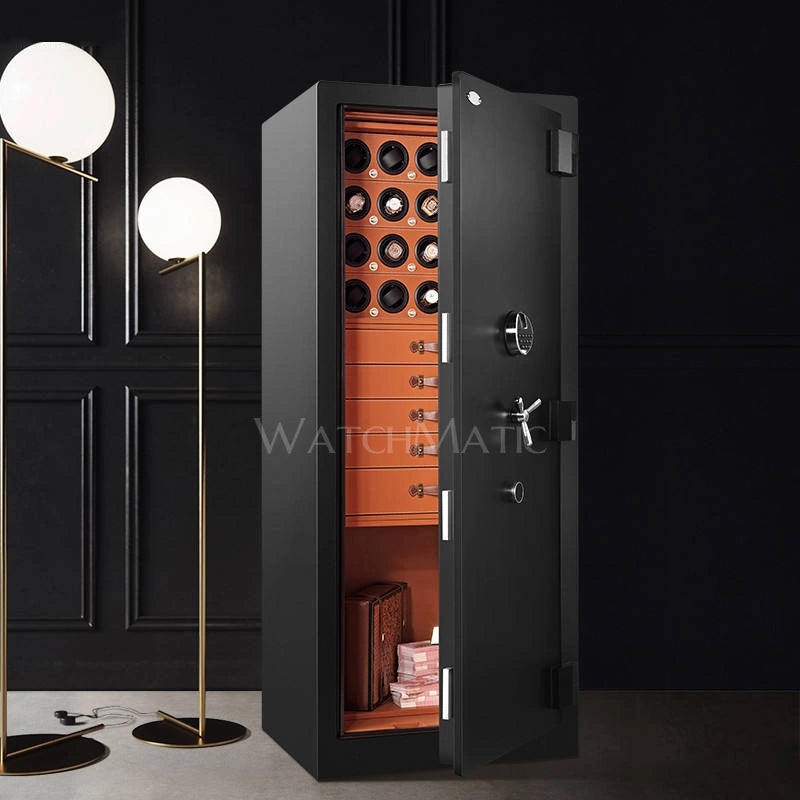
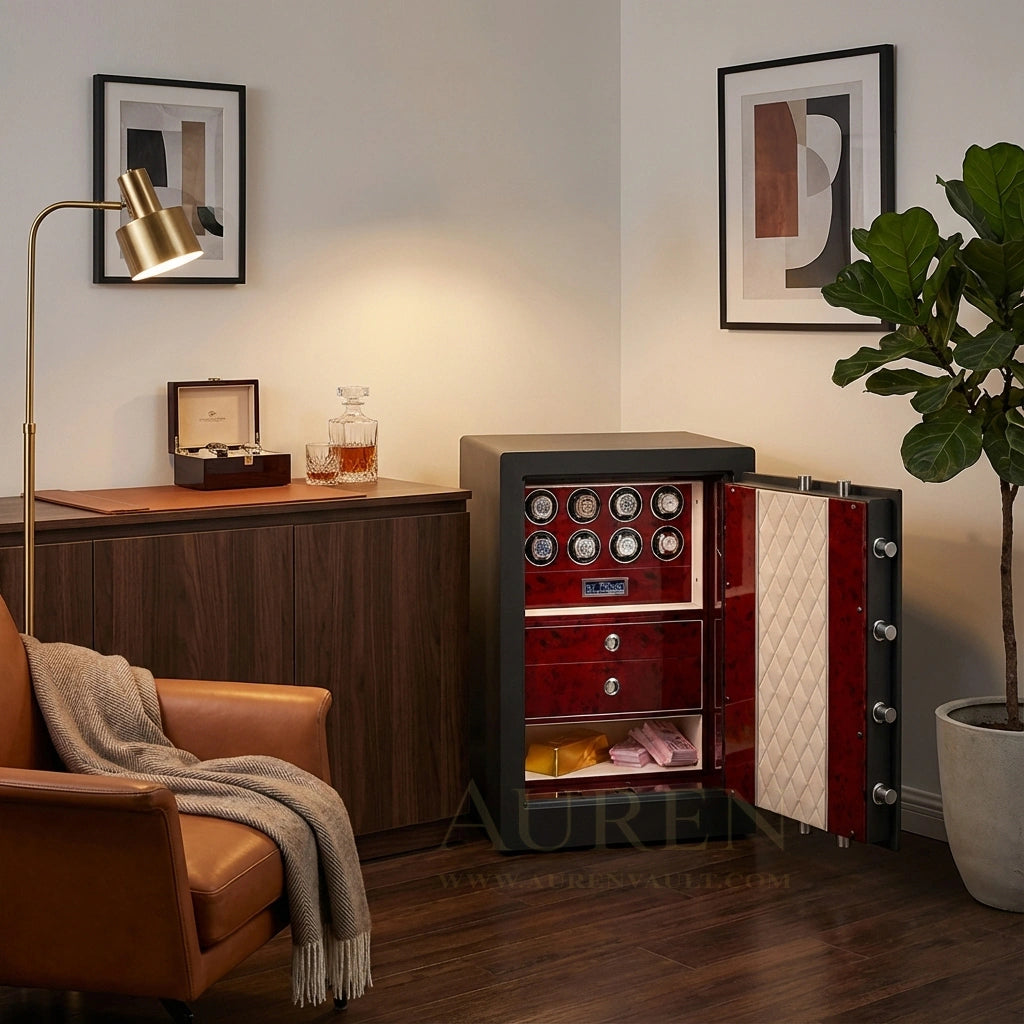
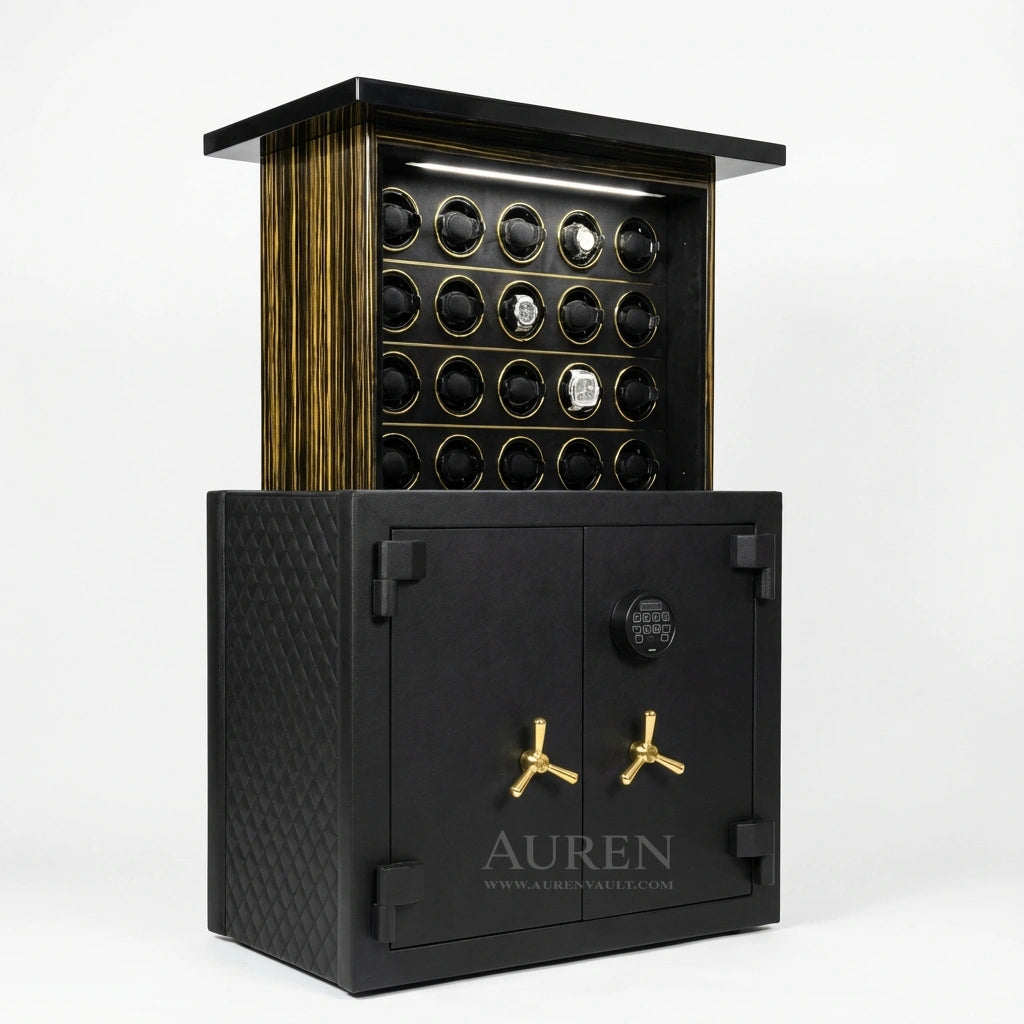
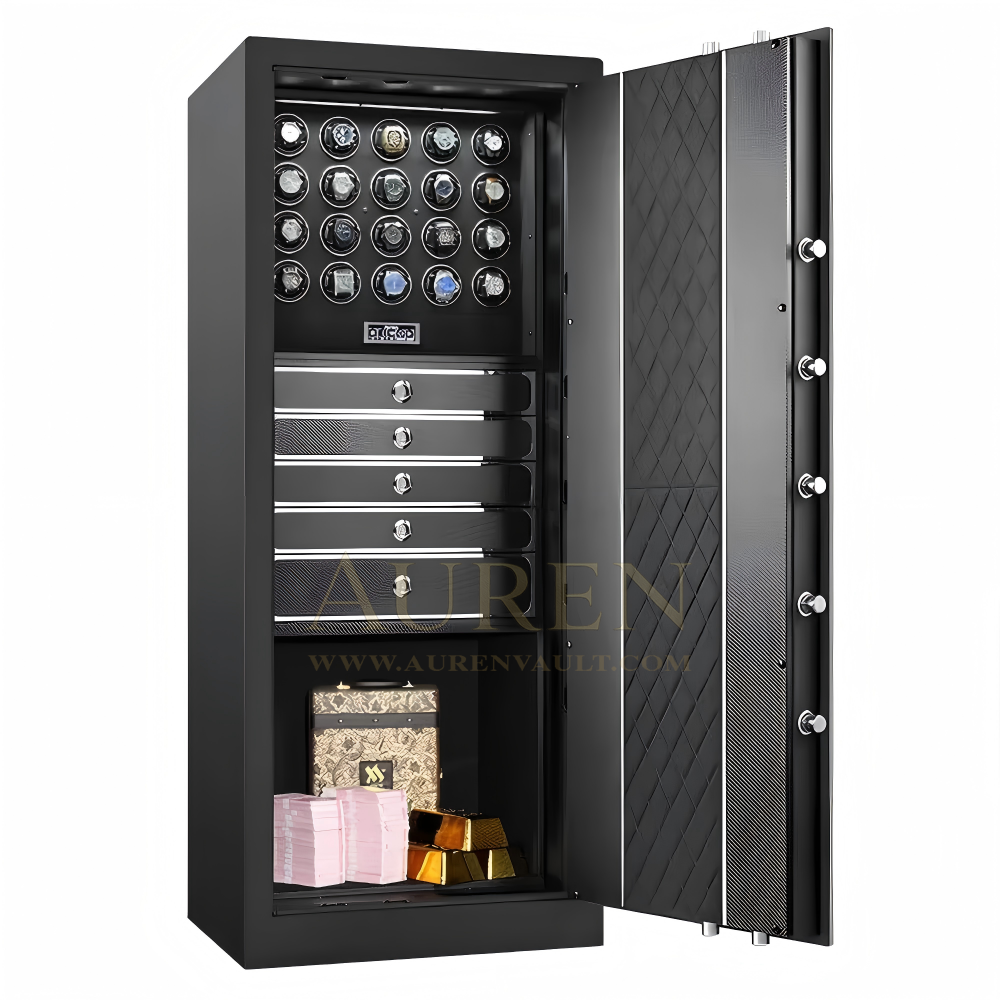
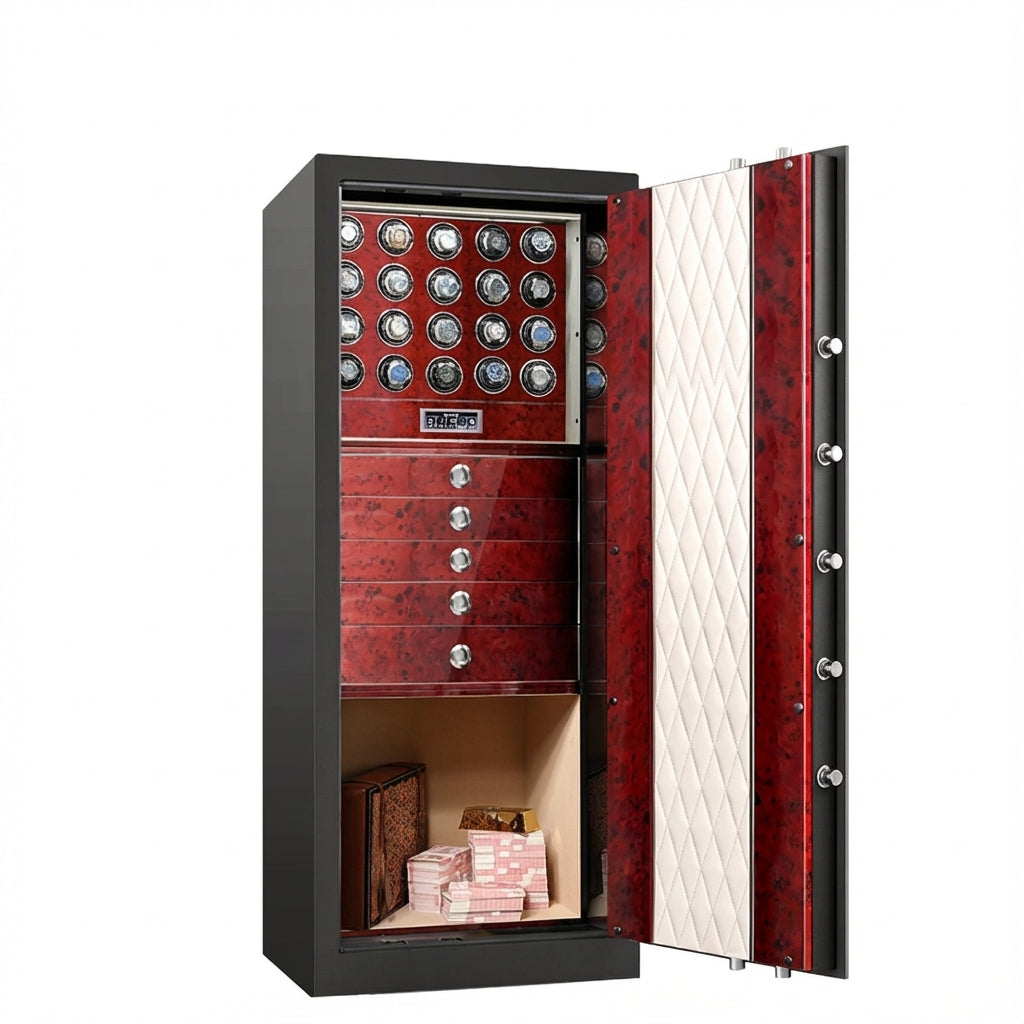
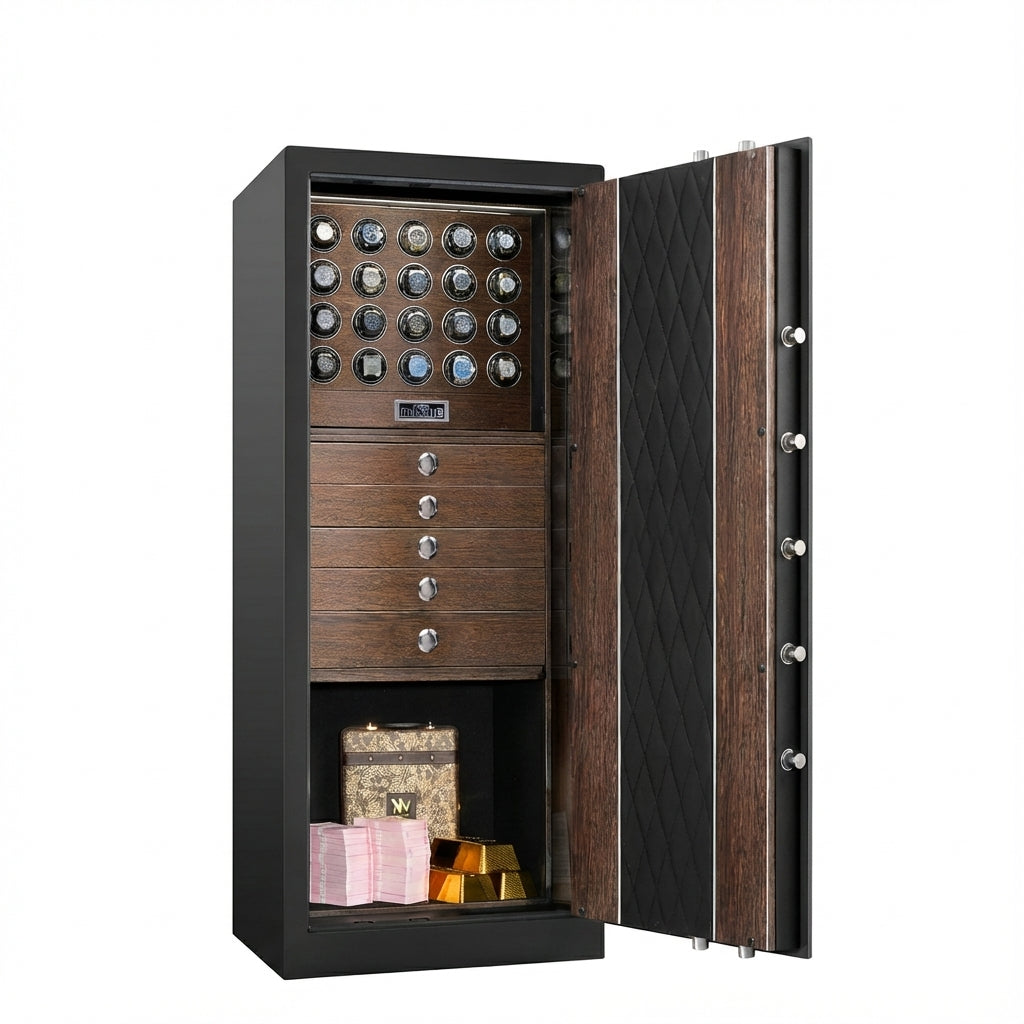
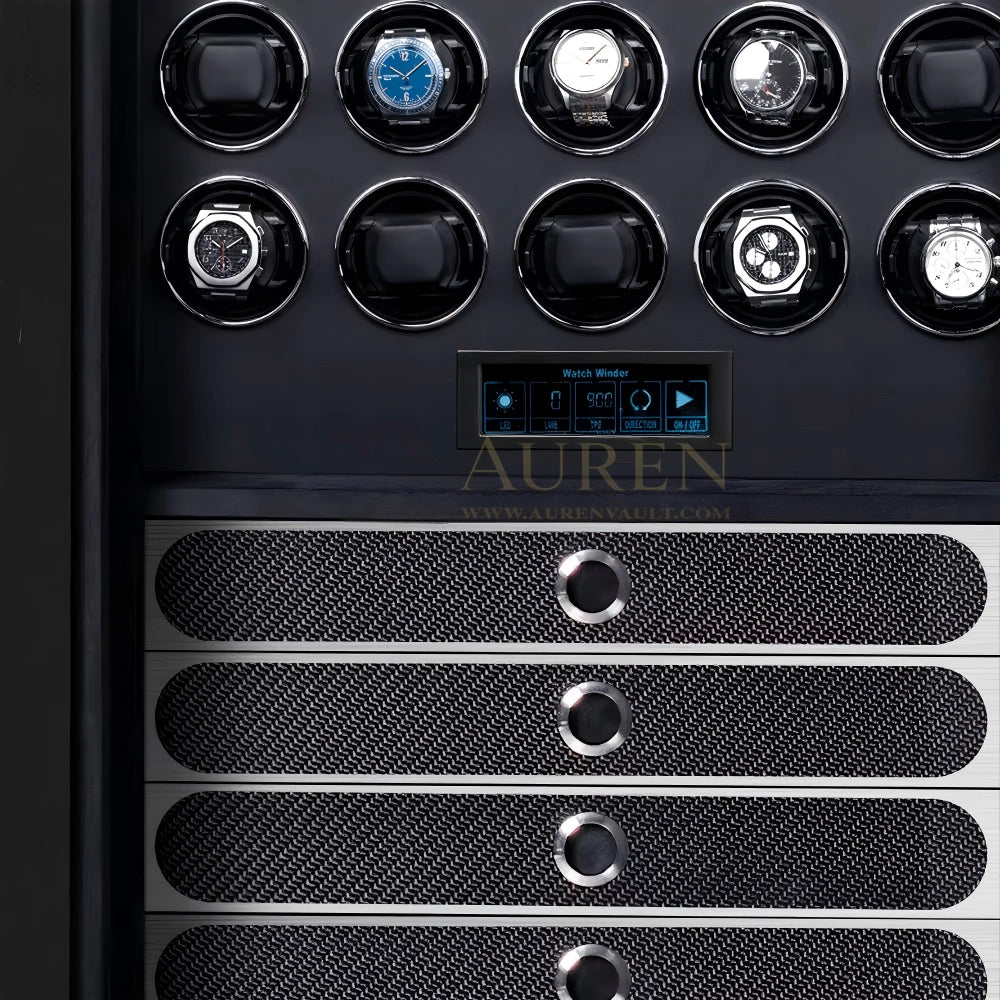
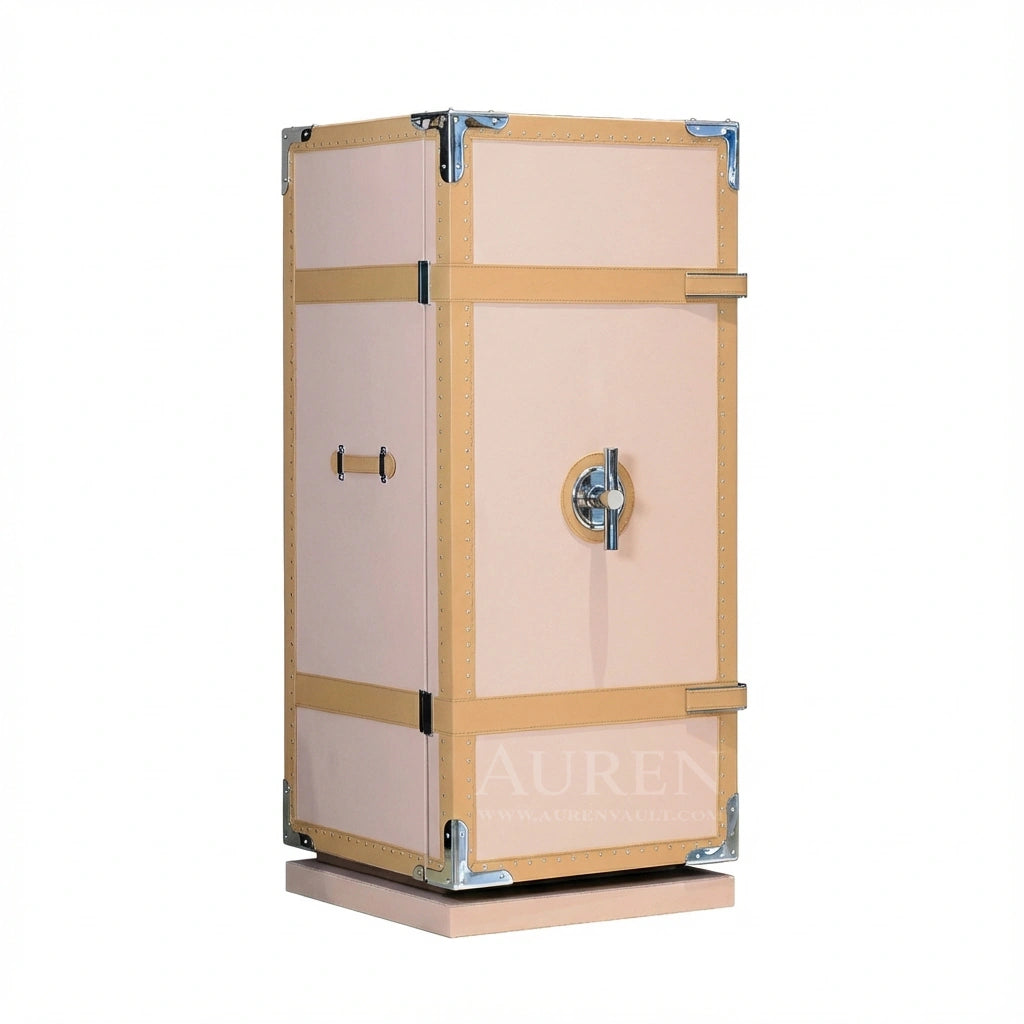
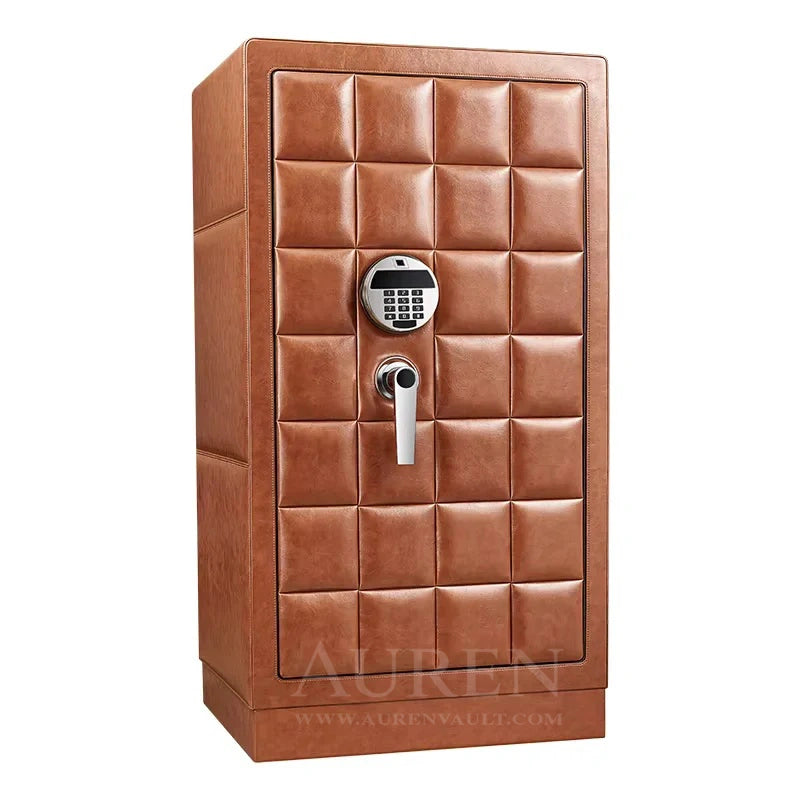
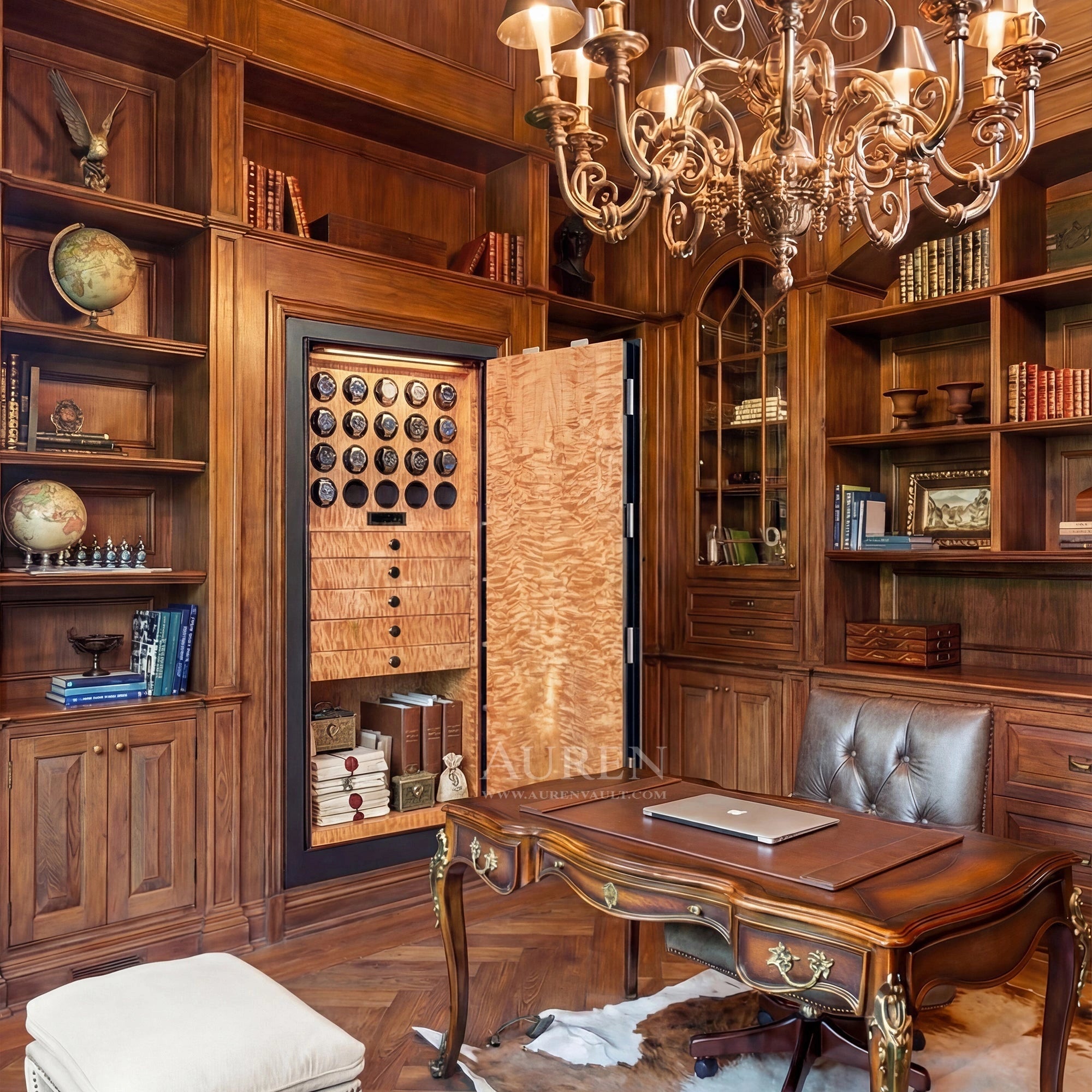
A watch winder safe combines winding functionality with enclosed, lockable storage.
These are related but separate requirements.
For an individual regularly worn Rado, a compact programmable winder may be sufficient.
For a collection containing ceramic sports watches, dress watches, and other valuable timepieces, enclosed storage may be more useful.
| Ownership situation | Suitable arrangement | Main consideration |
|---|---|---|
| One frequently worn Captain Cook | No winder or compact programmable unit | Convenience |
| True Square and Centrix Automatic | Dual winder with suitable cushions | Programming and ceramic support |
| Captain Cook Automatic and Chronograph | Independently programmable modules | Different calibres |
| Automatic and quartz Rado collection | Winding modules plus passive compartments | Correct allocation |
| Larger mixed collection | Appropriately specified watch winder safe | Winding, protection, and organization |
Collectors evaluating this approach can explore watch winder safes with integrated winding modules.
The watch winder safe guide provides additional context for evaluating winding capacity, enclosed storage, and suitability for different collections.
Security Is Separate From Winding Performance
A watch winder may maintain an automatic movement perfectly while offering little meaningful physical security.
Likewise, a lockable cabinet does not automatically establish a certified burglary or fire-protection rating.
Actual security depends on construction, locking mechanisms, installation, and any independently documented testing.
For valuable watch collections, these specifications should be assessed separately from the winding motors.
The most appropriate arrangement should address both movement compatibility and the owner's storage requirements.
Planning Storage for a Mixed Rado Collection
Consider a collector with a Captain Cook Automatic R763, Captain Cook Skeleton R808, True Square Open Heart R734, Centrix Automatic R763, DiaStar Original R764, Captain Cook Over-Pole R862, and two quartz True Square watches.
That is an eight-watch collection.
Only five watches require active winding positions.
The Over-Pole is manually wound, and the quartz watches do not benefit from automatic rotation.
A configuration with five programmable winding modules and three passive watch compartments may therefore be more efficient than an eight-rotor device.
The broader collection of watch safes for timepiece storage offers a starting point for evaluating capacity and organization.
For substantial holdings, large luxury watch safes may provide additional room for watches, spare bracelets, and accessories.
The relevant distinction is between total storage capacity and the number of watches that actually benefit from automatic winding.
When Custom Storage Makes Sense
Rado collections can contain square ceramic watches, larger round diving watches, stainless-steel bracelets, and rubber or leather straps.
A standardized interior may not accommodate all these configurations equally well.
Custom storage can address different cushion sizes, compartment depths, active winding positions, and passive storage requirements.
These possibilities can be considered through custom watch safe design options, subject to the technical capabilities of the selected configuration.
For residential installations, cabinet dimensions, electrical access, weight, and delivery requirements should also be considered.
The objective is to create an organized environment that protects each watch while making the collection easy to access.
Does Continuous Winding Improve a Rado's Long-Term Condition?
A watch winder maintains the stored energy of a compatible automatic movement.
It does not replace servicing, restore degraded lubricants, or improve the movement's inherent accuracy.
A Rado automatic does not need to remain running continuously simply because it is mechanically sophisticated or made from high-tech ceramic.
Allowing a mechanical watch to stop during periods of non-use is generally a normal part of ownership.
For longer-term storage, suitable environmental conditions, physical support, and protection from unnecessary handling may be more important than keeping the movement operating.
The watch storage and care guide addresses broader considerations for protecting valuable watches between wears.
A winder should complement the owner's routine rather than dictate it.
Frequently Asked Questions About Rado Watch Winders
What is the best TPD for Rado automatic watches?
Independent winding databases commonly recommend approximately 650 TPD with bidirectional rotation for numerous Rado automatic watches, especially older models. However, this is not a universal official setting for contemporary calibres such as R763, R734, R808, R764, or R801. Verify the program for the exact movement.
Does a Rado Captain Cook need a watch winder?
No. Automatic Captain Cook watches receive winding energy through wrist movement. A compatible winder is optional and mainly useful when the watch remains unworn beyond its power reserve.
Can a Rado True Square use a watch winder?
Yes, if it contains an automatic movement. The True Square Open Heart with calibre R734 and True Square Skeleton with R808 are automatic. Quartz True Square models do not benefit from winding.
Does a Rado ceramic watch need a special watch winder?
It does not necessarily require a different electronic winding system, but it needs a suitable holder and adequate clearance. Rado's high-tech ceramic is highly scratch-resistant but can still be damaged by impacts.
What is the correct watch winder direction for Rado R763?
A universal official external winding direction for R763 has not been established in the sources used for this guide. Although many historical Rado references are listed as bidirectional, confirm the correct program for the R763 and the specific winder before use.
Can a Rado DiaStar Original use a watch winder?
Yes. Contemporary DiaStar Original Automatic references use calibre R764 with approximately 80 hours of power reserve. A compatible winder can help maintain the movement and day-date indications between wears.
Does the Captain Cook Chronograph need more TPD?
Not automatically. The R801's shorter 59-hour reserve and chronograph functionality do not independently establish a higher external winding requirement. Confirm the settings for calibre R801.
Can the Captain Cook Over-Pole use a watch winder?
No. The Captain Cook Over-Pole with calibre R862 is manually wound. Its mainspring must be wound according to Rado's instructions.
Can a watch winder damage a Rado?
A compatible, properly programmed winder with stable physical support should be suitable for an automatic Rado. Incorrect settings, poor mounting, defective equipment, or impacts involving ceramic components may create problems. A winder does not replace appropriate maintenance.
Is a watch winder safe worthwhile for Rado watches?
It may be appropriate for owners who want automatic winding and enclosed storage in one arrangement. The decision should consider collection size, movement compatibility, ceramic bracelet support, and documented security specifications.
Related Reading: Watch Winder Settings and Collection Protection
Rado's combination of automatic movements and high-tech ceramic case construction offers useful comparisons with other watches that require careful movement compatibility and physical support.
Best Watch Winder for Richard Mille Watches
Explore how specialized movement architecture, case materials, and strap design influence automatic winding and storage decisions.
Best Watch Winder for Vacheron Constantin Watches
Understand movement-specific winding programs, daily rotations, and storage considerations for Swiss automatic watches.
Watch Safes With Built-In Watch Winders: Are They Worth It?
Compare standalone watch winders with integrated storage systems designed for valuable automatic watch collections.
Final Perspective: Rado Requires the Right Program and the Right Physical Support
Rado demonstrates why choosing a watch winder involves more than selecting a TPD number.
The Captain Cook R763, True Square R734, and DiaStar R764 are all automatic, but they have different case designs and should be configured according to their exact movements.
The Captain Cook Chronograph R801 introduces another automatic calibre, while the Over-Pole R862 requires manual winding.
Quartz True Square and Centrix references do not need automatic winding at all.
For individual automatic watches, the priorities are reliable programming, verified rotation direction, and a properly fitted holder.
For collections containing high-tech ceramic watches, physical support and protective storage deserve particular attention.
As a specialist in premium watch safes and integrated winding solutions, Auren Vault approaches these requirements through configurations intended to combine movement compatibility, organized storage, and enclosed protection.
The best watch winder for Rado is ultimately the one that maintains the specific movement reliably, supports the watch securely, and makes ownership more convenient without unnecessary complexity.