
The best watch winder for Antoine Preziuso watches is a programmable unit that matches the automatic calibre's winding requirements, offers adjustable turns per day (TPD) and rotation direction, and securely supports the watch's distinctive case construction.
Automatic Antoine Preziuso movements include the APG 282, found in the B-Side Automatic, Siena, and Transworld; the APG 297 in the Power Energy Indicator; and the 7750RM3S automatic chronograph in the Grand Robusto. These watches generally offer approximately 42 hours of power reserve and can benefit from compatible winding between wears.
However, the manufacture's most elaborate tourbillons are not necessarily automatic. The Tourbillon of Tourbillons uses the manually wound AFP-TTR-3X, while the Art of Tourbillon and B-Side Tourbillon use the manually wound APG/28T.
Independent winding references commonly suggest approximately 650 TPD bidirectional for various conventional Antoine Preziuso automatics, while some Valjoux-derived chronographs are listed around 800 TPD clockwise. Exact compatibility requires movement-specific confirmation.
The right choice begins with the calibre, not the watch's complexity or value.
Why Antoine Preziuso Requires Movement-Specific Winding
Antoine Preziuso occupies a distinctive position in independent Swiss watchmaking.
His creations combine traditional mechanical craftsmanship with unconventional case engineering, artistic finishing, and elaborate tourbillon architecture.
Some watches feature transforming cases. Others incorporate astronomical imagery, world-time displays, or highly complicated regulating systems.
This mechanical diversity creates an important distinction for anyone choosing a watch winder.
A Siena equipped with APG 282 is an automatic watch. Its internal oscillating weight transfers energy to the mainspring as the wearer moves.
A Tourbillon of Tourbillons containing AFP-TTR-3X is manually wound, despite incorporating three tourbillons and a sophisticated mechanical differential.
Both are mechanical watches. Only one can receive winding energy from a conventional rotating watch winder.
This distinction is fundamental.
A conventional watch winder rotates the complete watch so that an internal automatic rotor moves relative to its winding mechanism.
The movement converts some of that motion into stored mainspring energy.
When properly configured, the winder can maintain operation between wears.
It does not improve the movement's inherent accuracy, correct mechanical problems, or replace regular servicing.
For a collector who regularly alternates among several Antoine Preziuso watches, the convenience can be meaningful.
However, the appropriate solution may combine active winding for automatic references with protected stationary storage for manually wound tourbillons.
Which Antoine Preziuso Watches Can Use a Watch Winder?
The movement determines conventional winder compatibility.
| Antoine Preziuso watch | Calibre | Movement type | Approximate power reserve | Winder compatible? |
|---|---|---|---|---|
| B-Side Automatic | APG 282 | Automatic | 42 hours | Yes |
| Siena | APG 282 | Automatic | 42 hours | Yes |
| Transworld | APG 282 | Automatic | 42 hours | Yes |
| Power Energy Indicator | APG 297 | Automatic | 42 hours | Yes |
| Grand Robusto High Speed | 7750RM3S | Automatic chronograph | 42 hours | Yes |
| Tourbillon of Tourbillons | AFP-TTR-3X | Manual winding | 48 hours | No |
| Art of Tourbillon | APG/28T | Manual winding | 110 hours | No |
| B-Side Tourbillon | APG/28T | Manual winding | 110 hours | No |
These are representative documented references. Limited editions and historical models should be identified individually.
The comparison reveals an important ownership principle.
The more complicated watch is not necessarily the one that benefits most from automatic winding.
A B-Side Automatic with 42 hours of reserve can use a compatible winder.
A B-Side Tourbillon with approximately 110 hours of reserve cannot.
Power reserve and winding method are separate characteristics.
Antoine Preziuso Watch Winder Settings: TPD and Rotation Direction
The two most important watch winder settings are turns per day and rotation direction.
Turns per day (TPD) describes how many programmed rotations the device performs within 24 hours.
Rotation direction determines whether the watch rotates clockwise, counterclockwise, or alternately.
Different automatic movements transfer energy through different rotor arrangements.
Some wind effectively in both directions. Others wind primarily in one direction.
An unsuitable direction may prevent the watch from maintaining its reserve even if the device performs hundreds of rotations.
Preliminary Settings by Movement
| Calibre | TPD guidance | Rotation direction |
|---|---|---|
| APG 282 | Investigate approximately 650 TPD | Bidirectional appears in independent listings for several matching automatic models; verify |
| APG 297 | Confirm the exact automatic movement requirements | Verify |
| 7750RM3S | Approximately 800 TPD is listed for related Grand Robusto chronograph references | Clockwise commonly listed; verify |
| AFP-TTR-3X | Not applicable | Manual winding |
| APG/28T | Not applicable | Manual winding |
These are independent winding references, not a universal manufacturer-approved chart.
The APG 282 and 7750RM3S should not automatically share an identical program.
A suitable winder should provide independent direction and TPD controls so each movement can receive its verified settings.
For a more detailed explanation, consult the watch TPD guide.
Why 650 TPD Is Not a Universal Antoine Preziuso Setting
Independent databases commonly list approximately 650 TPD bidirectional for several conventional Antoine Preziuso automatic watches.
That provides a useful starting point.
However, the Grand Robusto uses a Valjoux-related automatic chronograph architecture.
Independent recommendations for that movement family commonly differ, often specifying approximately 800 TPD clockwise.
The correct setting depends on the calibre rather than the name on the dial.
A programmable device provides considerably more flexibility than a fixed-speed winder.
Does a 110-Hour Reserve Require More TPD?
No.
A 110-hour reserve describes how long a sufficiently wound movement can operate without additional energy.
It does not establish a daily external winding requirement.
In the Art of Tourbillon, that reserve is provided by a manually wound movement.
No conventional TPD setting is applicable.
By contrast, the 42-hour APG 282 is automatic and can benefit from an appropriate external winding program.
The length of the reserve does not determine whether a rotor is present.
B-Side Automatic: A Winder for an Unusual Transforming Case
The B-Side Automatic is one of Antoine Preziuso's most distinctive creations.
Its case can open, unfold, and pivot to reveal another perspective of the watch.
The transforming construction allows the movement and conventional time display to become part of a changing presentation.
Documented references use the APG 282 automatic movement.
The calibre provides approximately 42 hours of power reserve and incorporates a personalized oscillating weight.
The watch uses a Grade 5 titanium case measuring approximately 45 mm.
The transforming case mechanism makes its storage requirements more demanding than those of a conventional round automatic watch.
Why a B-Side Automatic Can Benefit From Winding
Consider an owner who wears the B-Side during selected occasions.
When removed, its automatic movement continues running on the available reserve.
After approximately two days without sufficient additional winding, the watch may stop.
A compatible winder can maintain operating continuity between wears.
This reduces repeated restarting and resetting.
However, a winder is not mechanically necessary.
An owner who is comfortable restarting the watch may choose passive storage instead.
The Transforming Case Is the Main Physical Challenge
The B-Side's case contains components designed to open and rotate relative to one another.
These components should remain properly secured during storage.
A rigid oversized cushion could place unnecessary pressure on the case or strap.
An unsuitable compartment could also allow contact with the transforming mechanism during rotation.
Before using a winder, the owner should confirm that the case is securely closed in the appropriate configuration and that the entire watch has sufficient clearance.
A large winding chamber with soft, adjustable support is preferable to a compact unit that barely accommodates the case.
The correct electronic program is of little value if the physical mounting is unsafe.
Siena: The APG 282 in a Smaller, More Traditional Watch
The Siena offers a different expression of Antoine Preziuso's watchmaking.
Inspired by the historic clock tower in Siena's Piazza del Campo, the watch combines decorative dial work with traditional case proportions.
Its limited reissue uses the APG 282 automatic movement, offering approximately 42 hours of reserve.
Documented versions include a 40 mm large model and a 34.5 mm medium model.
The large version emphasizes a single-hand display, while the smaller version uses two hands.
Why Siena Can Be Easier to Accommodate
Compared with the transforming B-Side, the Siena has a relatively conventional case architecture.
A suitable watch holder can support it around the strap or bracelet.
However, physical size matters.
A 34.5 mm Siena fitted with a closely adjusted bracelet may require a smaller cushion than the 40 mm version.
A holder that is too large can place unnecessary tension on a strap.
A holder that is too small may allow the watch to shift.
The electronic winding requirements follow the APG 282.
The physical cushion should follow the actual case and strap dimensions.
Does the Single-Hand Display Require Special Winding?
No.
The number of hands does not establish the automatic rotor's winding requirements.
Both Siena versions use the documented APG 282 movement.
A single-hand display changes how time is read, not how energy is transferred to the mainspring.
A collector should therefore select the winding program by calibre, not by dial layout.
Transworld: Why a World-Time Display Makes Winding Convenient
The Antoine Preziuso Transworld combines mechanical watchmaking with a world-time display.
Its rotating representation of the globe completes a cycle over 24 hours, helping the wearer understand the relationship between different time zones.
Documented Transworld references use the APG 282 automatic movement, providing approximately 42 hours of reserve.
The collection includes round and tonneau-shaped cases.
The round version measures approximately 40 mm, while tonneau references use different proportions.
Maintaining the World-Time Display
A world-time watch can require additional attention when restarted.
The owner must ensure the primary time and world-time indications are correctly synchronized.
A compatible winder can reduce repeated adjustments by maintaining movement operation between wears.
However, the device does not automatically update the watch when the owner travels.
It maintains the movement's energy.
The world-time indications remain subject to the watch's setting procedure.
Does the Transworld Need More TPD Than Siena?
Not solely because it displays world time.
Both documented watches use the APG 282.
Their automatic winding mechanisms are therefore closely related, subject to exact reference confirmation.
The world-time complication does not independently establish a higher rotation requirement.
A collector should avoid choosing a maximum TPD setting simply because the dial is more elaborate.
Tonneau Cases Need Suitable Clearance
The Transworld's tonneau case can have a different width and length from the round Siena.
A holder should support the watch securely while keeping the case clear of surrounding surfaces.
The exact dimensions must be considered.
A winding compartment suited to a conventional 40 mm round case may not necessarily be compatible with a longer tonneau case.
Power Energy Indicator: Understanding the APG 297
The Power Energy Indicator offers a more direct visual connection between movement and stored energy.
Its display indicates the energy available within the mechanical system.
The watch uses the automatic APG 297, providing approximately 42 hours of reserve.
Documented versions have a substantial 45 mm case with a distinctive construction incorporating supporting pillars and removable lugs.
Why the Energy Indicator Is Useful
An energy indicator can help an owner observe whether the automatic movement is receiving sufficient winding.
When a watch remains on a compatible winder, the indication may provide additional feedback about the reserve.
However, it does not replace movement-specific program verification.
A setting should first be selected according to the APG 297's winding characteristics.
The indicator can then help the owner observe the watch's behavior over time.
Why APG 297 Should Not Automatically Use APG 282 Settings
Both are automatic movements with approximately 42 hours of reserve.
However, the calibre designations are different.
Their equal reserve figures do not prove identical winding efficiency.
A collector who owns both watches should verify the program for each movement.
Independent controls can provide that flexibility.
Grand Robusto: Why the Automatic Chronograph Is Different
The Grand Robusto High Speed uses the 7750RM3S automatic chronograph movement.
Its architecture is associated with the Valjoux 7750 family.
Documented references offer approximately 42 hours of reserve.
The watch also features a distinctive large case, approximately 50 × 38 mm in selected configurations.
Unlike the simpler APG 282 automatic watches, the Grand Robusto contains chronograph functions and a different winding platform.
Why Clockwise Winding May Matter
Valjoux 7750-derived automatic movements are commonly associated with unidirectional winding.
Independent watch-winder databases frequently recommend approximately 800 TPD clockwise for related chronographs.
That provides a useful starting point when investigating the Grand Robusto.
However, the exact 7750RM3S configuration and the winder's direction convention should still be confirmed.
It would be inappropriate to apply an APG 282 bidirectional program automatically.
A Chronograph Does Not Need Continuous Rotation
The chronograph functions are operated through the watch's pushers.
A watch winder does not start, stop, or reset the timing mechanism.
It maintains the automatic movement's stored energy.
The presence of a chronograph does not justify selecting the highest available TPD.
The appropriate program follows the winding mechanism.
Tourbillon of Tourbillons: Three Tourbillons, No Automatic Winding
The Tourbillon of Tourbillons is among Antoine Preziuso's most technically ambitious creations.
Developed with Florian Preziuso, it incorporates three tourbillons connected through a planetary triple-differential system.
The movement also incorporates resonance-related mechanical behavior.
Documented versions use calibre AFP-TTR-3X.
The movement is manually wound and provides approximately 48 hours of reserve.
Despite its extraordinary complexity, it cannot benefit from conventional automatic rotation.
Why the Three Tourbillons Do Not Wind the Watch
Tourbillons belong to the watch's regulating architecture.
They do not function as automatic winding rotors.
The presence of three rotating tourbillons and a moving mechanical plate does not mean the watch can receive energy from a conventional winder.
The mainspring must be replenished through the designated manual winding mechanism.
For this watch, a stationary compartment is more appropriate.
Security May Matter More Than Winding
Some Tourbillon of Tourbillons references incorporate elaborate precious-metal cases, precious stones, and extensive hand-finishing.
Such watches may deserve especially careful storage and access control.
However, value does not determine winding requirements.
A high-value manually wound tourbillon may have no need for a powered winding position.
For collectors, secure passive storage can be the more relevant priority.
Art of Tourbillon and B-Side Tourbillon: The APG/28T
The Art of Tourbillon uses the manually wound APG/28T.
The movement provides approximately 110 hours of reserve and incorporates a one-minute tourbillon.
Its hand-finished and engraved components make each watch a distinctive mechanical creation.
The B-Side Tourbillon also uses the APG/28T in documented configurations.
Despite sharing the transforming case concept with the B-Side Automatic, it has a completely different winding requirement.
Same Case Concept, Different Movement
The B-Side Automatic uses the self-winding APG 282.
The B-Side Tourbillon uses the manually wound APG/28T.
Their visual concept is similar.
Their mechanical energy systems are different.
The automatic watch can benefit from a compatible winder.
The manually wound version cannot.
This is one of the clearest examples of why the exact model designation matters.
Does the 110-Hour Reserve Make a Winder More Useful?
No.
The extended reserve allows the manually wound movement to operate for several days between winding sessions.
It does not create automatic winding capability.
A conventional winder cannot replenish the reserve.
For these references, careful manual winding and protected stationary storage are the appropriate approaches.
What to Look for in a Premium Antoine Preziuso Winder
The best winding system should provide appropriate programming and stable physical support.
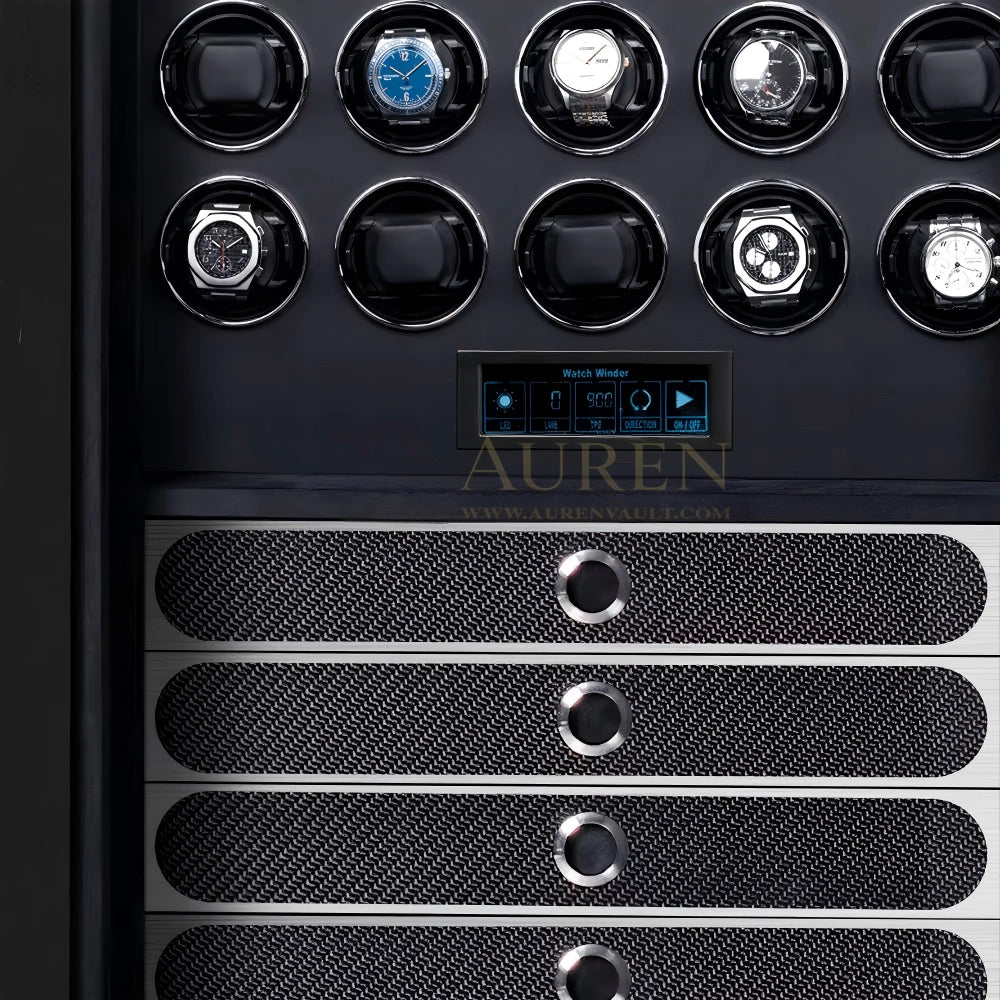
Adjustable TPD and selectable clockwise, counterclockwise, and bidirectional modes are important because the manufacture uses different automatic movement architectures.
Independent controls are valuable for collections containing both APG 282 automatics and Valjoux-derived chronographs.
Controlled rest cycles allow the winder to distribute motion throughout the day.
Quiet motors and smooth rotation are preferable to constant movement.
However, physical fit may be the deciding factor.
A B-Side with a transforming case requires different support from a small Siena or a tonneau Transworld.
The holder should accommodate the actual case and strap without unnecessary pressure.
Standalone Watch Winder or Watch Winder Safe?
For a single regularly worn Siena or Transworld, a standalone programmable winder may be sufficient.
A larger Antoine Preziuso collection introduces different considerations.
| Collection requirement | Appropriate approach |
|---|---|
| Siena or Transworld automatic | Programmable winder, if desired |
| B-Side Automatic | Compatible program and verified case clearance |
| Grand Robusto Chronograph | Independent direction and TPD control |
| Tourbillon of Tourbillons | Protected stationary storage |
| Art of Tourbillon | Protected stationary storage |
| Mixed collection | Active winding and passive compartments |
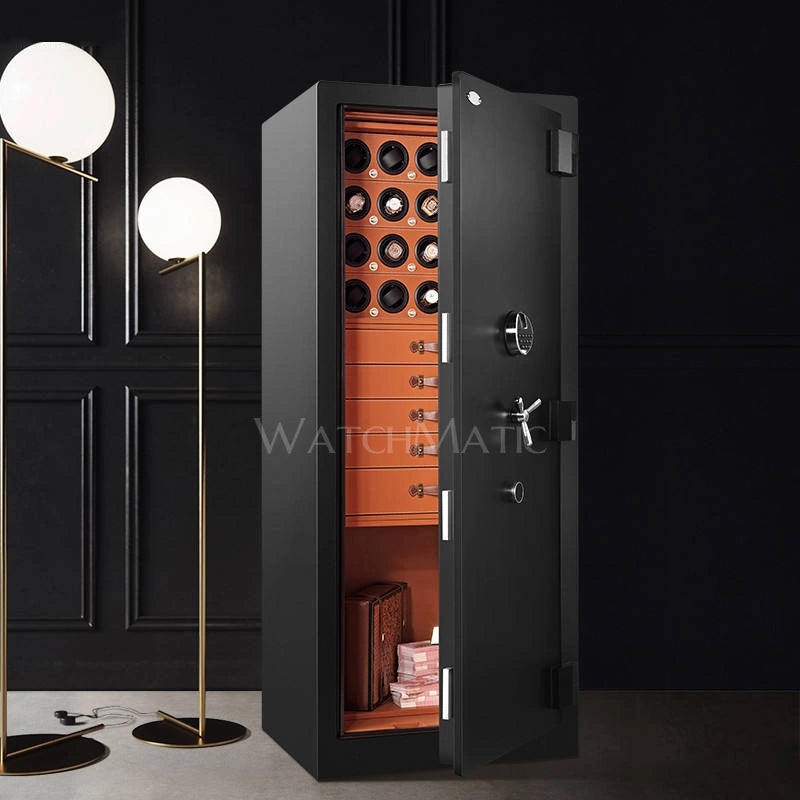
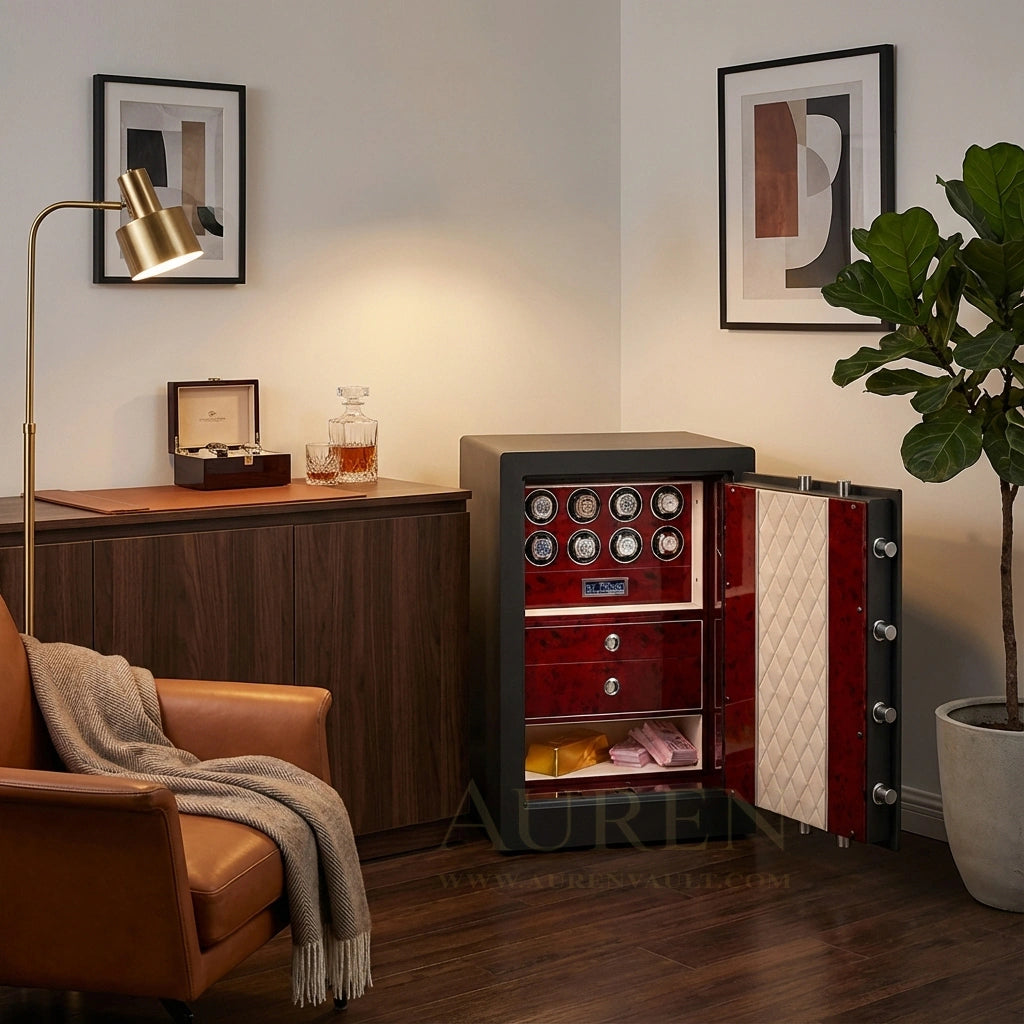
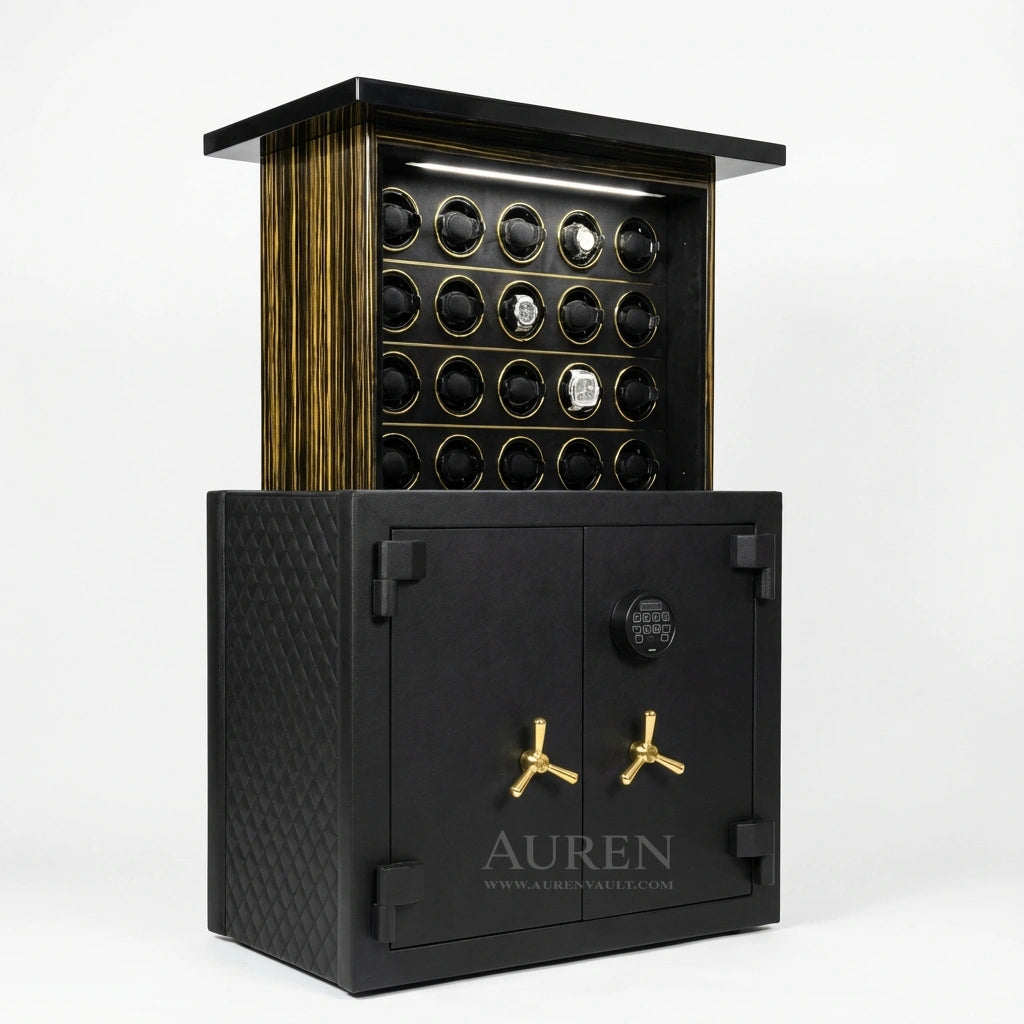
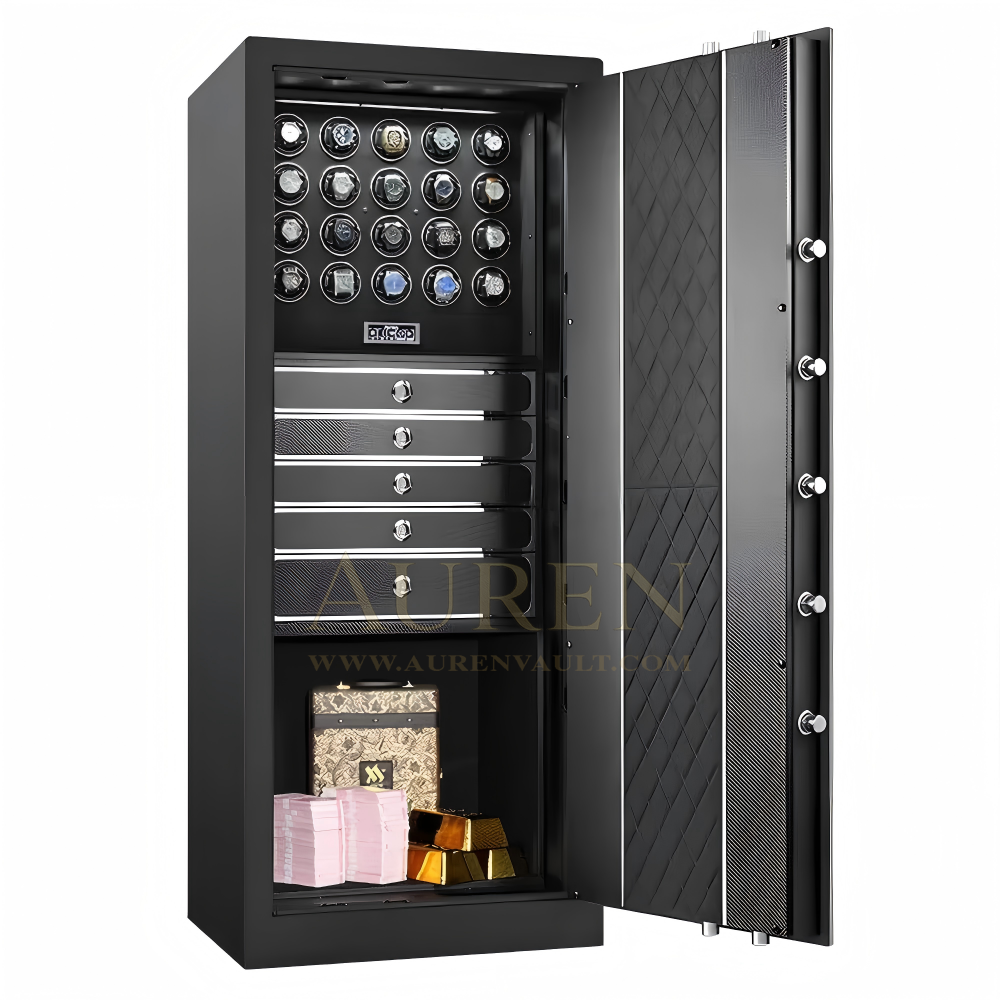
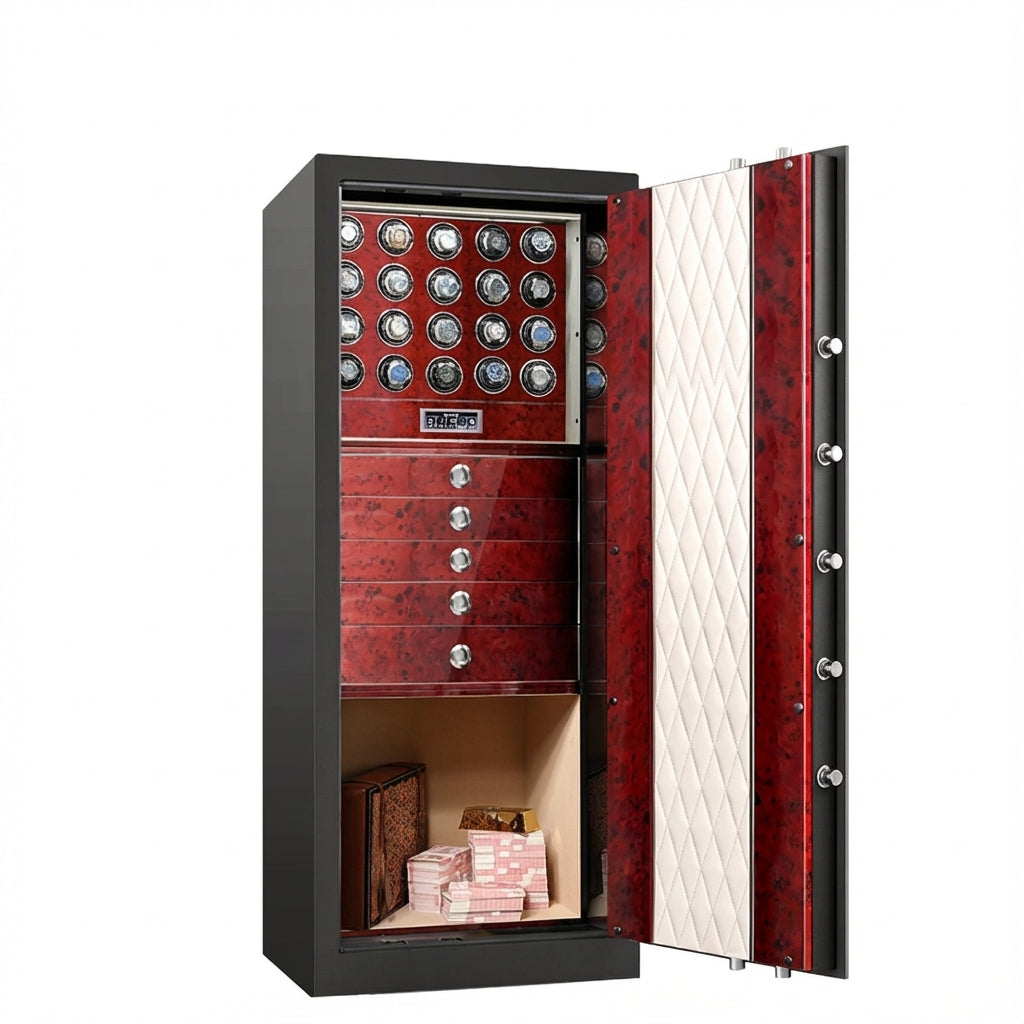
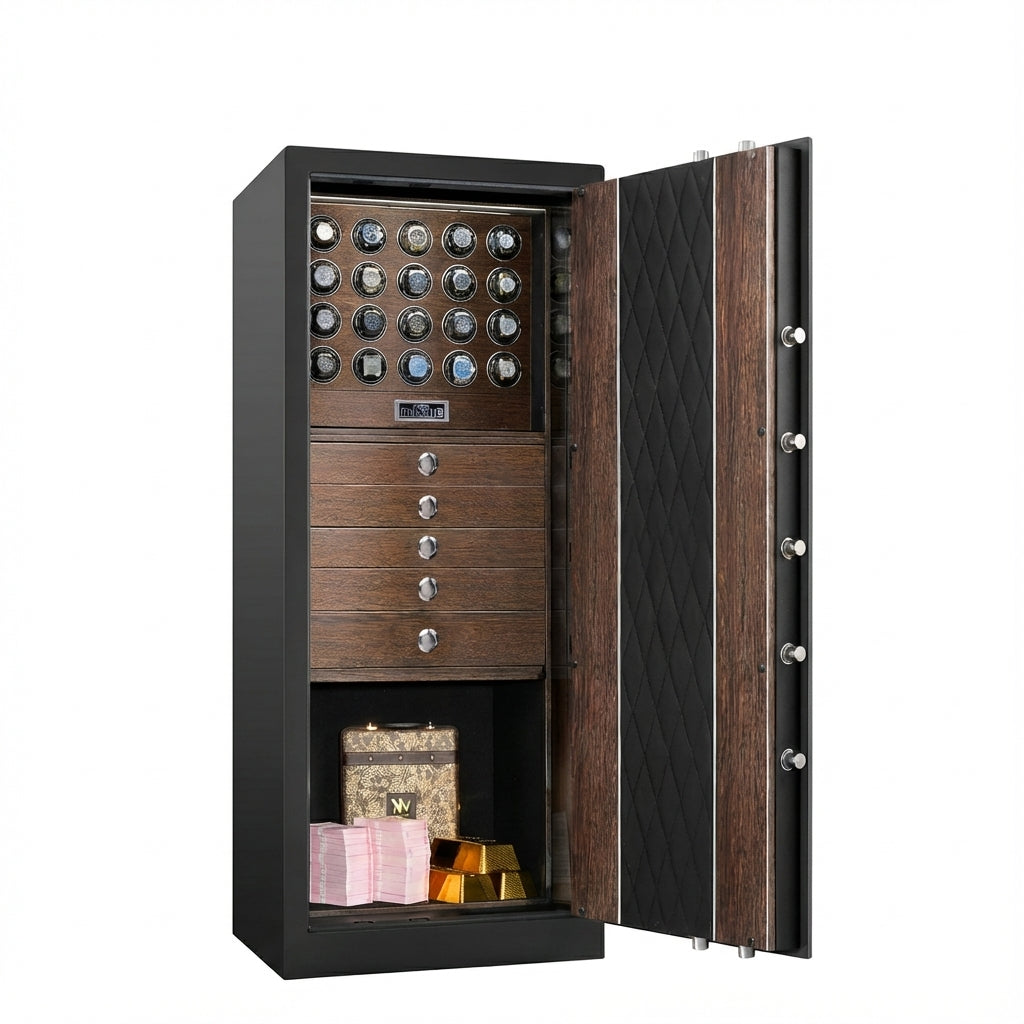
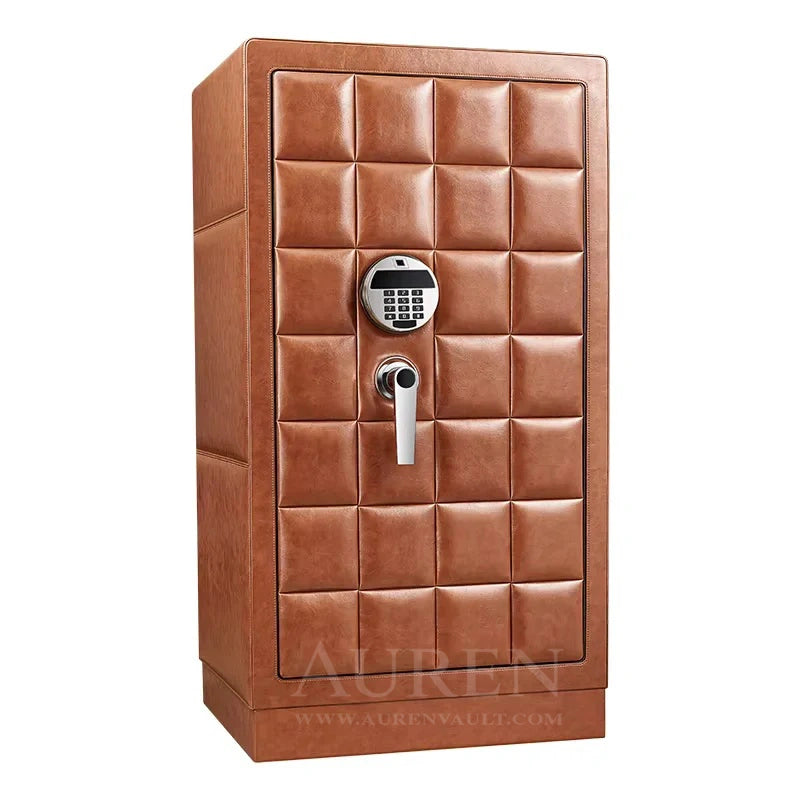
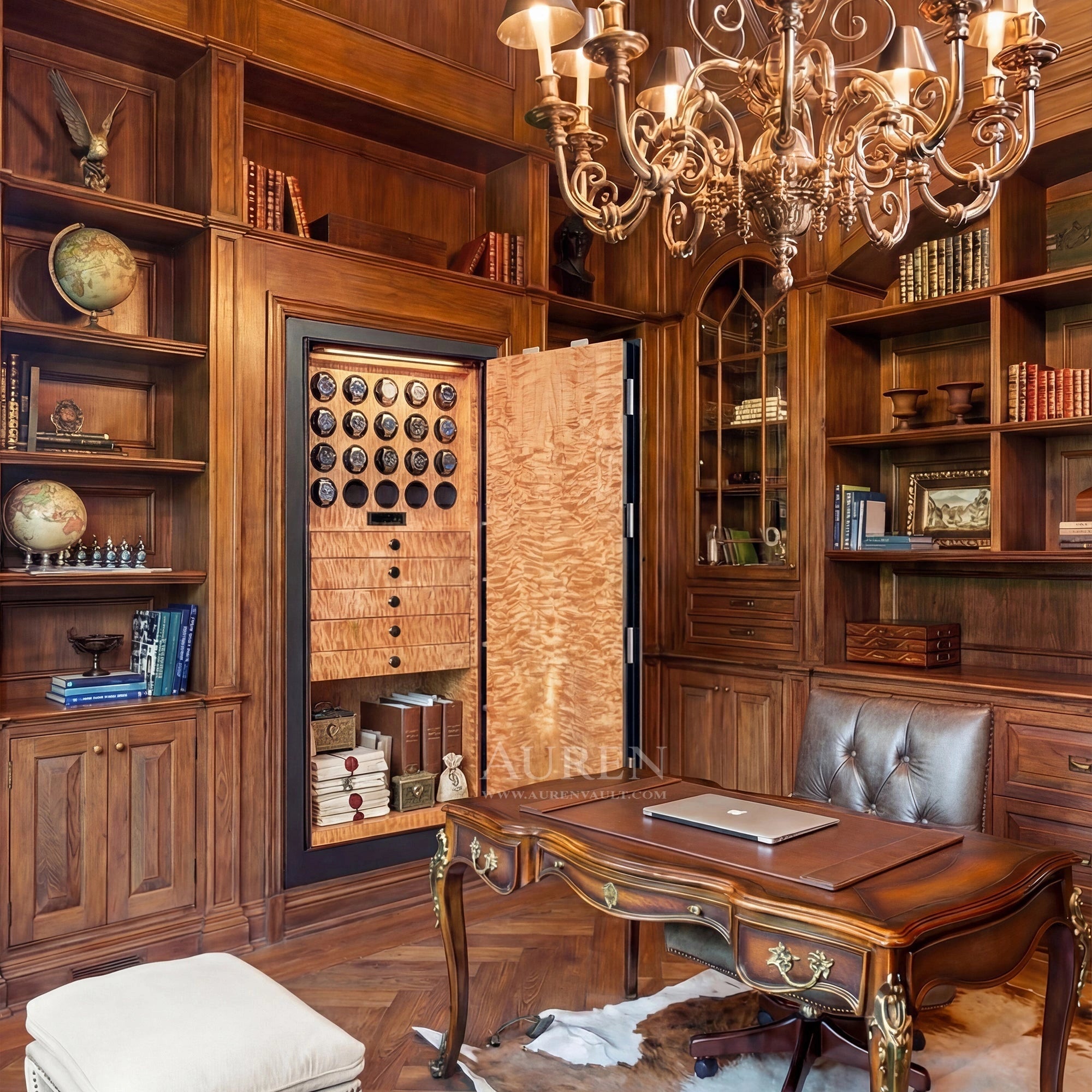
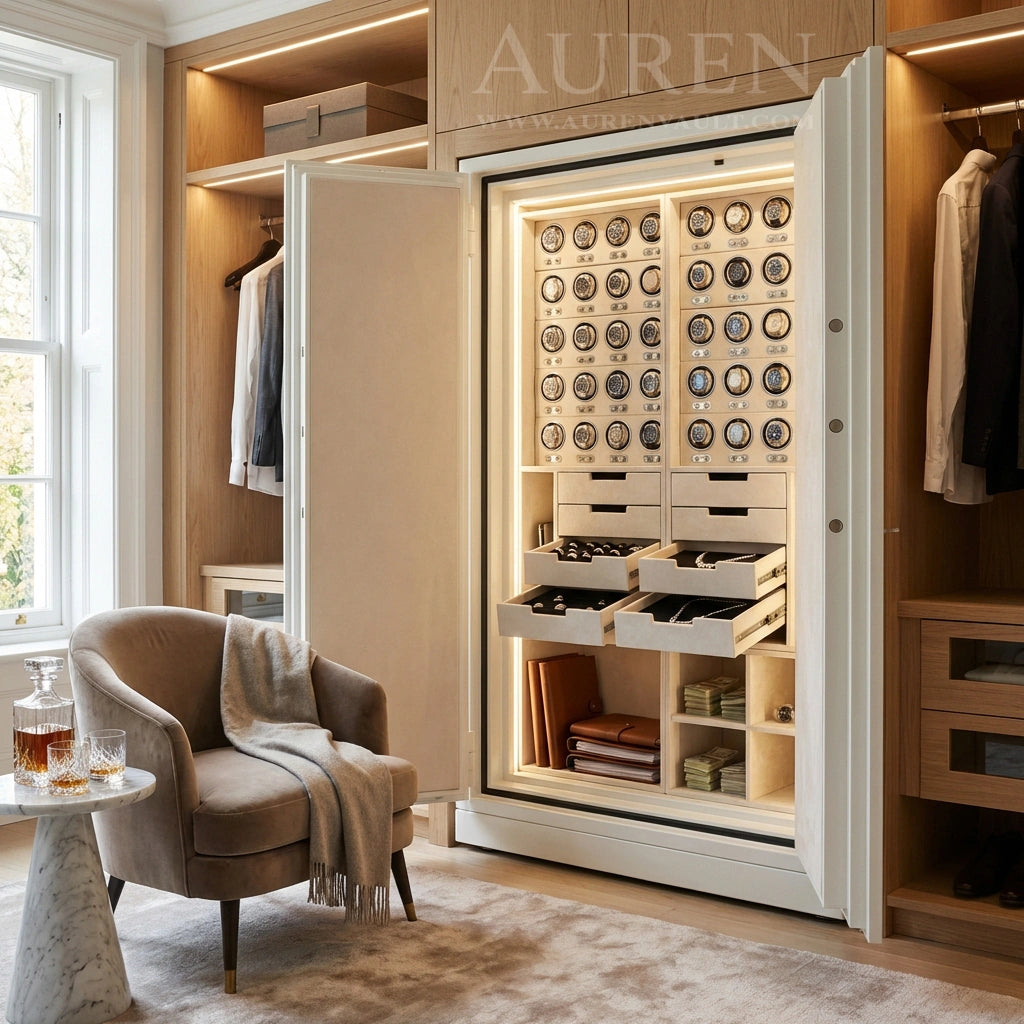
A watch winder safe can combine automatic winding with enclosed storage.
Its actual security characteristics should be evaluated independently of its motors.
Construction, installation, locking mechanisms, and documented ratings determine the level of protection.
The watch winder safe guide provides additional context for evaluating integrated configurations.
For more substantial collections, luxury watch safes may provide expanded capacity.
The complete watch safes collection offers different storage arrangements.
Where transforming cases, large chronographs, and high-jewellery tourbillons require specialized holders, custom watch safes may offer a more suitable interior layout.
How to Set Up an Antoine Preziuso Automatic on a Winder
Begin with the exact watch reference.
Confirm whether it contains APG 282, APG 297, 7750RM3S, or another movement.
Determine whether the movement is automatic.
If the watch is manually wound, conventional external rotation provides no winding benefit.
For an automatic reference, obtain the appropriate TPD and direction.
If the movement has stopped, restart it according to its original operating instructions.
A winder is generally intended to maintain an established reserve rather than rapidly restore a depleted movement.
Fit the watch securely on a suitable cushion.
For a B-Side, confirm the transforming case is secured in an appropriate position.
Check the crown and case clearance.
Select the verified program and allow the device to complete its normal operating and resting cycles.
Observe the watch over several days.
If it repeatedly stops, review the direction, TPD, starting reserve, and mechanical condition.
Persistent problems may require professional inspection.
Should an Antoine Preziuso Stay on a Winder Continuously?
No automatic Antoine Preziuso mechanically requires permanent external winding.
When its stored reserve is exhausted, the movement stops normally.
It can subsequently be restarted according to its instructions.
For a collector who regularly wears the same Siena or B-Side Automatic, normal wrist movement may already provide sufficient energy.
For a collection rotated less frequently, a compatible winder can reduce repeated restarting.
However, continuous operation is not the same as improved preservation.
For manually wound tourbillons, the winder provides no conventional winding benefit.
Long-term care should also account for appropriate humidity, temperature, physical support, and secure handling.
The watch storage guide provides broader guidance for protecting valuable mechanical collections.
Frequently Asked Questions About Antoine Preziuso Watch Winders
What is the best watch winder for Antoine Preziuso watches?
A programmable unit with adjustable TPD, selectable rotation direction, rest cycles, and a holder suited to the actual case is the best general option for automatic Antoine Preziuso movements.
How many TPD does an Antoine Preziuso automatic need?
Independent references commonly suggest approximately 650 TPD bidirectional for several conventional automatic models. Valjoux-derived chronographs may have different requirements. Confirm the exact calibre.
Is the B-Side Automatic compatible with a winder?
Yes. Its APG 282 movement is automatic. However, the transforming case requires careful mounting and sufficient compartment clearance.
Does the Siena need a watch winder?
No. The APG 282 can receive sufficient winding through normal wear. A winder is optional.
Can a Transworld use a watch winder?
Yes. Documented Transworld references use the automatic APG 282.
Does the Transworld's world-time display require higher TPD?
Not automatically. The correct program follows the movement's winding mechanism rather than the display complication.
Is the Power Energy Indicator automatic?
Yes. Documented references use the self-winding APG 297.
What settings should the Grand Robusto use?
Independent references for related Valjoux-derived Grand Robusto chronographs commonly suggest approximately 800 TPD clockwise. Confirm the exact movement and device convention.
Can the Tourbillon of Tourbillons use a winder?
No. The AFP-TTR-3X is manually wound.
Does the Art of Tourbillon need a winder?
No. Its APG/28T movement is manually wound.
Is the B-Side Tourbillon automatic?
No. Documented B-Side Tourbillon references use the manually wound APG/28T.
Does a longer reserve mean higher TPD?
No. Power reserve and external winding rotations measure different characteristics.
Is a winder safe worthwhile for Antoine Preziuso collectors?
It can be useful when the collection contains both automatic watches requiring active winding and valuable manually wound watches requiring protected stationary storage.
Related Reading
For collectors researching complicated independent watches and collection protection:
-
Best Watch Winder for Vacheron Constantin Watches — Movement-specific winding and high-complication ownership.
-
Best Watch Winder for Jaeger-LeCoultre Watches — Automatic and manually wound movement distinctions.
-
Watch Safes with Built-In Watch Winders: Are They Worth It? — Combining winding with secure storage.
Final Thoughts: Movement Compatibility Matters More Than Mechanical Complexity
Antoine Preziuso's watches illustrate an important distinction between automatic winding and mechanical sophistication.
The APG 282, APG 297, and 7750RM3S are automatic movements that can benefit from compatible external winding.
The AFP-TTR-3X and APG/28T are manually wound, despite their elaborate tourbillon architecture and, in some cases, much longer power reserves.
For one regularly worn automatic, a standalone programmable winder may provide sufficient convenience.
For collectors managing transforming cases, chronographs, and high-value tourbillons, a mixture of independently programmed winding positions and protected stationary compartments may be more appropriate.
At Auren Vault, the focus is on integrating movement-compatible winding, refined presentation, and considered protection for exceptional watch collections.
Ultimately, the best Antoine Preziuso watch winder is the one that respects the exact movement and physical case construction—and recognizes when conventional winding is unnecessary.