
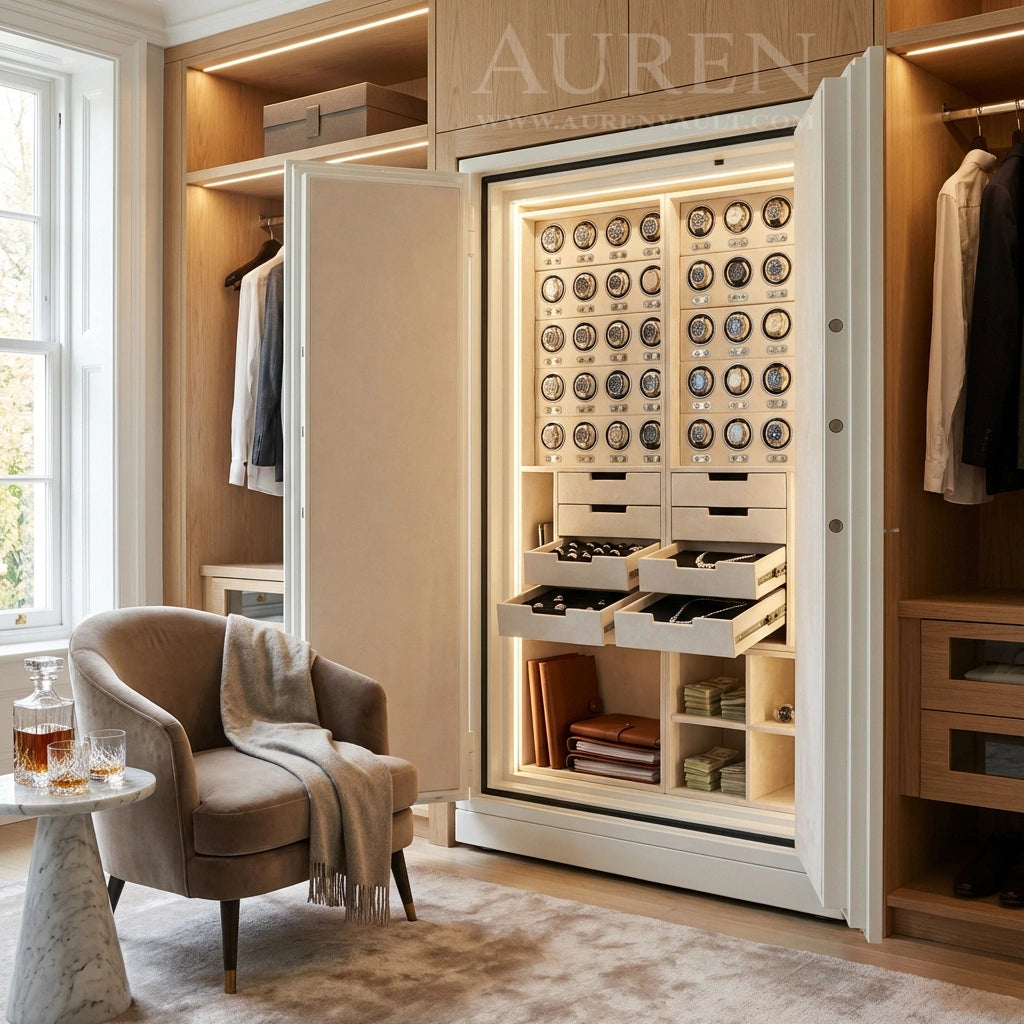

Luxury watch collectors often store their timepieces in either watch boxes or watch safes, but these two storage solutions serve very different purposes. While both are designed to hold and organize watches, they provide very different levels of protection.
A watch box is a storage case designed primarily for organizing and displaying watches. It typically features padded compartments or watch cushions but offers little security protection.
A watch safe, by contrast, is a security safe specifically engineered to protect luxury watch collections from theft, fire exposure, and environmental risks.
Key differences between these storage options include:
- Security protection – watch safes are designed to resist burglary attempts
- Fire resistance – some safes are tested under EN 15659 LFS 30 P or LFS 60 P
- Storage engineering – watch safes include reinforced steel construction
For collectors storing valuable timepieces, the choice between a watch box and a watch safe often depends on the value and size of the watch collection.
Understanding Watch Boxes
A watch box is typically designed for organization and presentation rather than security.
Most watch boxes include padded compartments that hold watches in place while protecting them from scratches during storage. High-end models may feature leather exteriors, glass display lids, and soft interior materials such as suede or microfiber.
For collectors with small collections or watches worn frequently, a watch box can provide convenient access and an elegant way to display timepieces.
However, watch boxes are generally not designed to protect watches from theft or environmental hazards.
They typically lack:
- reinforced structural construction
- locking mechanisms designed for security
- fire-resistant materials
As a result, watch boxes function primarily as display storage rather than protective security systems.
Collectors who are unfamiliar with dedicated secure storage often begin by learning what a watch safe is and how it differs from simple storage boxes.
Understanding Watch Safes
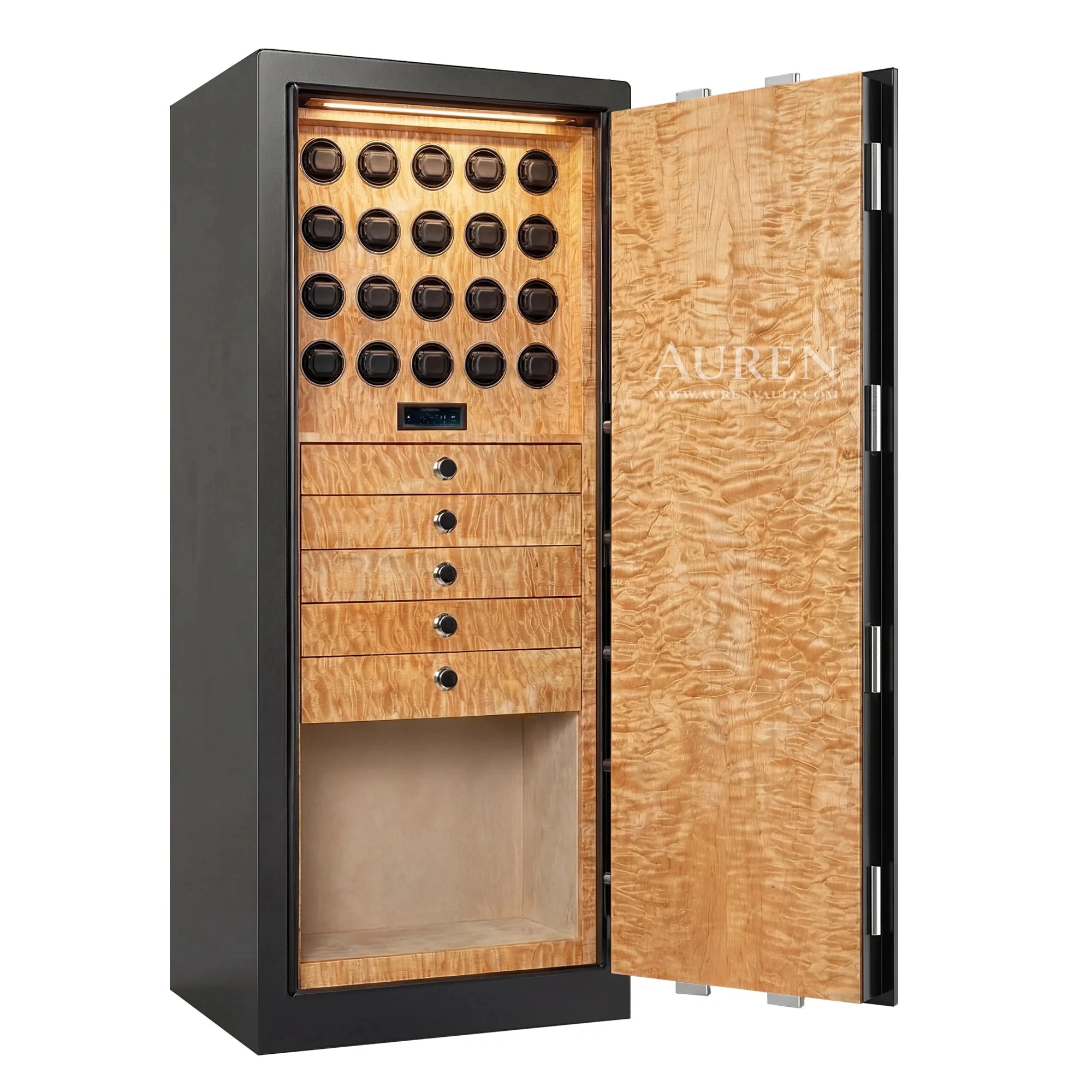
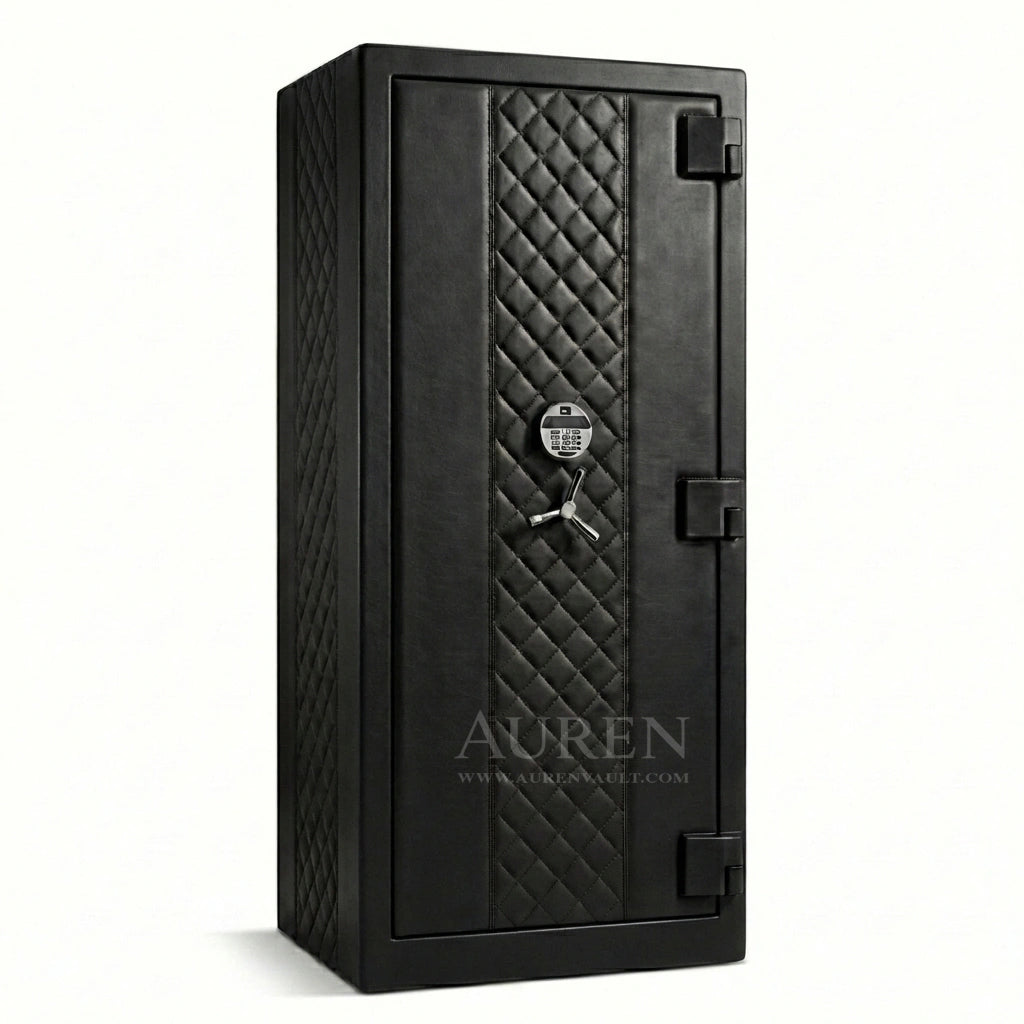
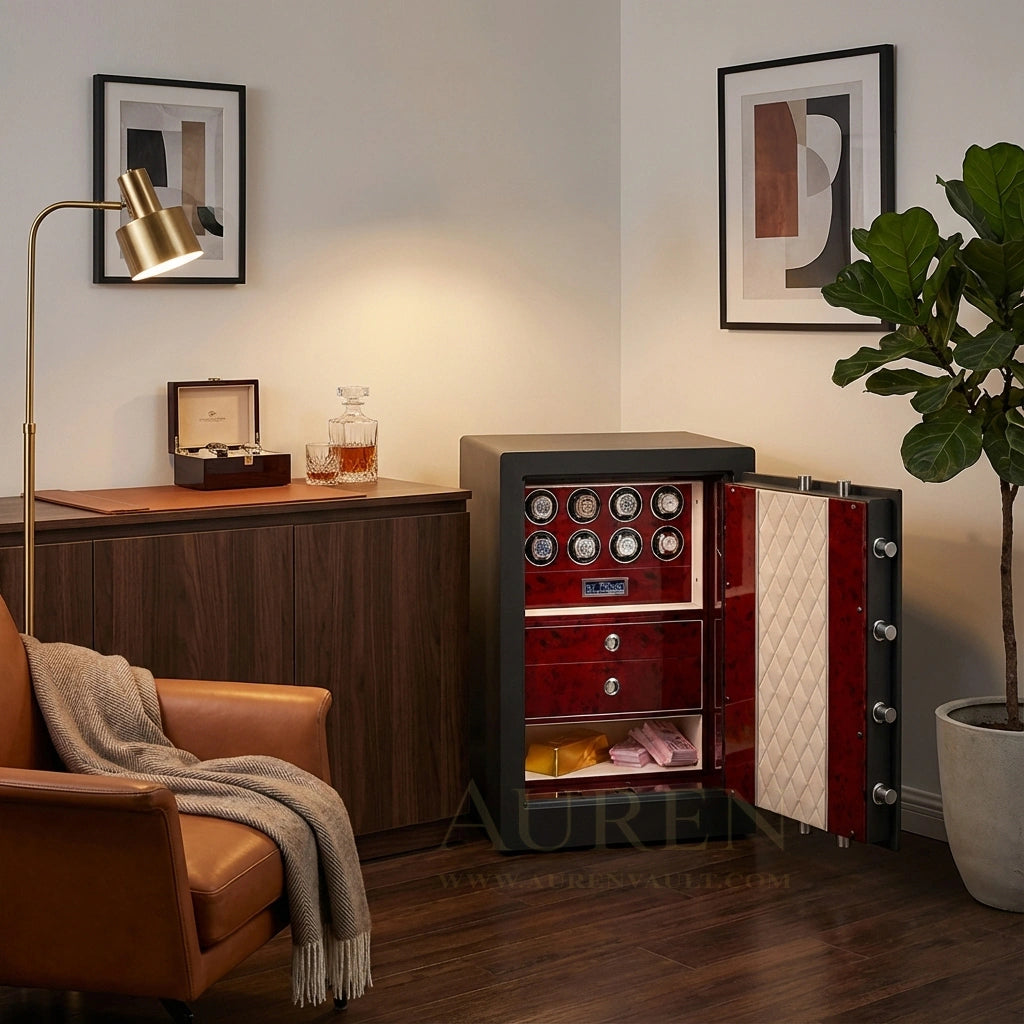
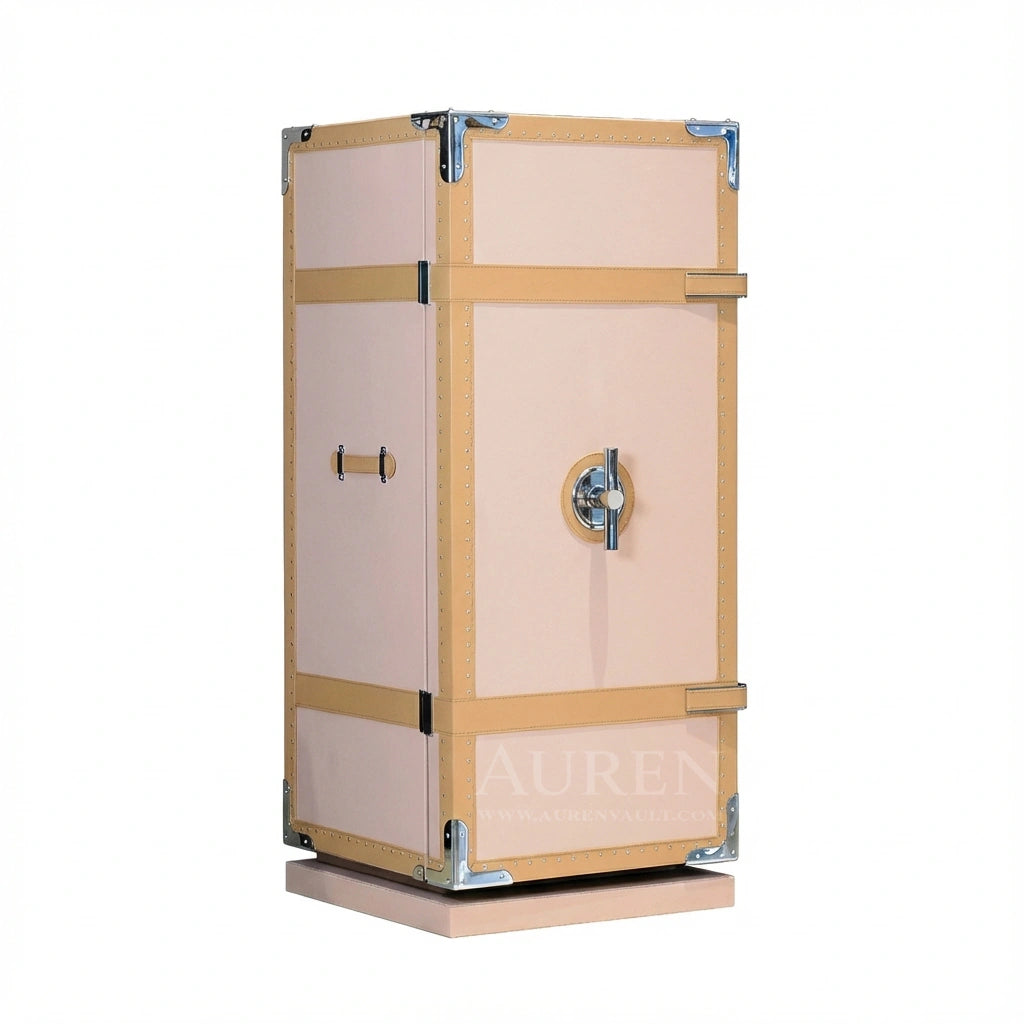
A watch safe is a specialized security safe designed specifically for protecting valuable watch collections.
Unlike decorative watch boxes, these safes incorporate security engineering and reinforced construction intended to resist forced entry.
Modern watch safes often include:
- reinforced steel body construction
- multi-point locking bolt systems
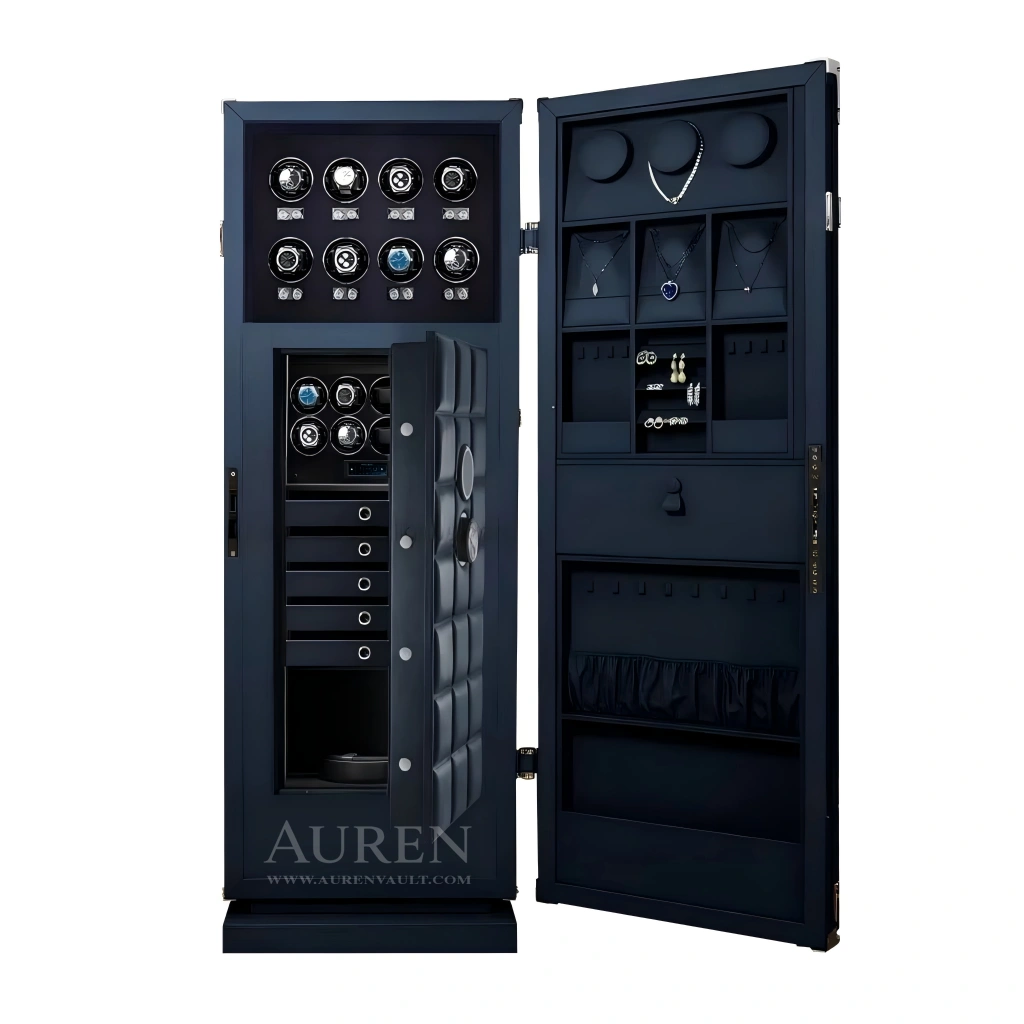
- specialized interior compartments for watch storage
Some safes are tested under European burglary resistance standards such as Grade G1 or Grade G3, which evaluate how long a safe can resist attack attempts using specialized tools.
Collectors looking for secure storage solutions often explore certified fire-resistant watch safes designed specifically for luxury watch collections.
Fire Protection Capabilities
Another major difference between watch boxes and watch safes is fire protection.
Watch boxes typically offer no protection from heat exposure during residential fires.
Certain watch safes, however, incorporate fire-resistant insulation tested under European standards such as:
- EN 15659 – LFS 30 P
- EN 15659 – LFS 60 P
These certifications indicate that the safe has been tested to maintain a controlled internal temperature during fire exposure.
While no safe can completely eliminate fire risk, certified fire-resistant safes can help protect sensitive valuables stored inside them.
Security Comparison: Watch Safe vs Watch Box
The most significant difference between these two storage solutions is the level of security protection they provide.
| Storage Type | Security Level | Fire Protection | Purpose |
|---|---|---|---|
| Watch Box | Low | None | Organization and display |
| Drawer Storage | Very Low | None | Temporary storage |
| Standard Home Safe | Moderate | Possible | General valuables |
| Watch Safe | High | Often available | Dedicated watch protection |
For collectors with valuable watches, the difference between these storage methods can be substantial.
Watch safes function as dedicated security systems, while watch boxes function primarily as display cases.
When a Watch Box Is Sufficient
A watch box can be appropriate for collectors in certain situations.
For example, collectors who own only one or two watches may find a watch box convenient for daily storage.
Watch boxes are also useful for:
- organizing frequently worn watches
- displaying watches in dressing rooms or office
- stransporting watches short distances
However, as a collection grows in both value and size, collectors often begin considering more secure storage options.
When a Watch Safe Becomes Necessary
As watch collections expand, the risks associated with unsecured storage increase.
Luxury watches combine high financial value with small physical size, which makes them attractive targets for theft.
Collectors researching these risks often explore why luxury watches are targeted by thieves to better understand why secure storage matters.
A watch safe becomes particularly valuable when:
- the collection contains multiple high-value watches
- the total collection value becomes significant
- collectors want protection against theft or fire
In these situations, secure storage inside a watch safe provides stronger protection than display boxes.
Storage Features Designed for Watch Collectors
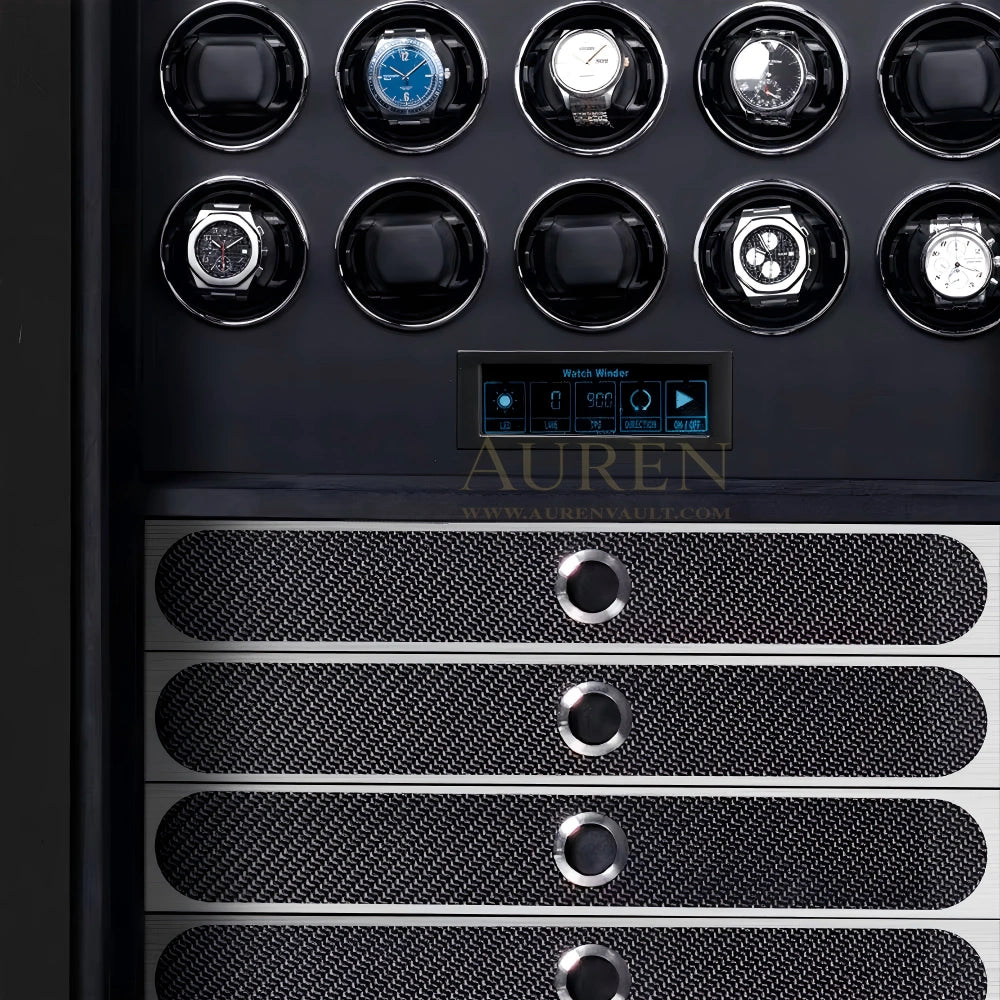
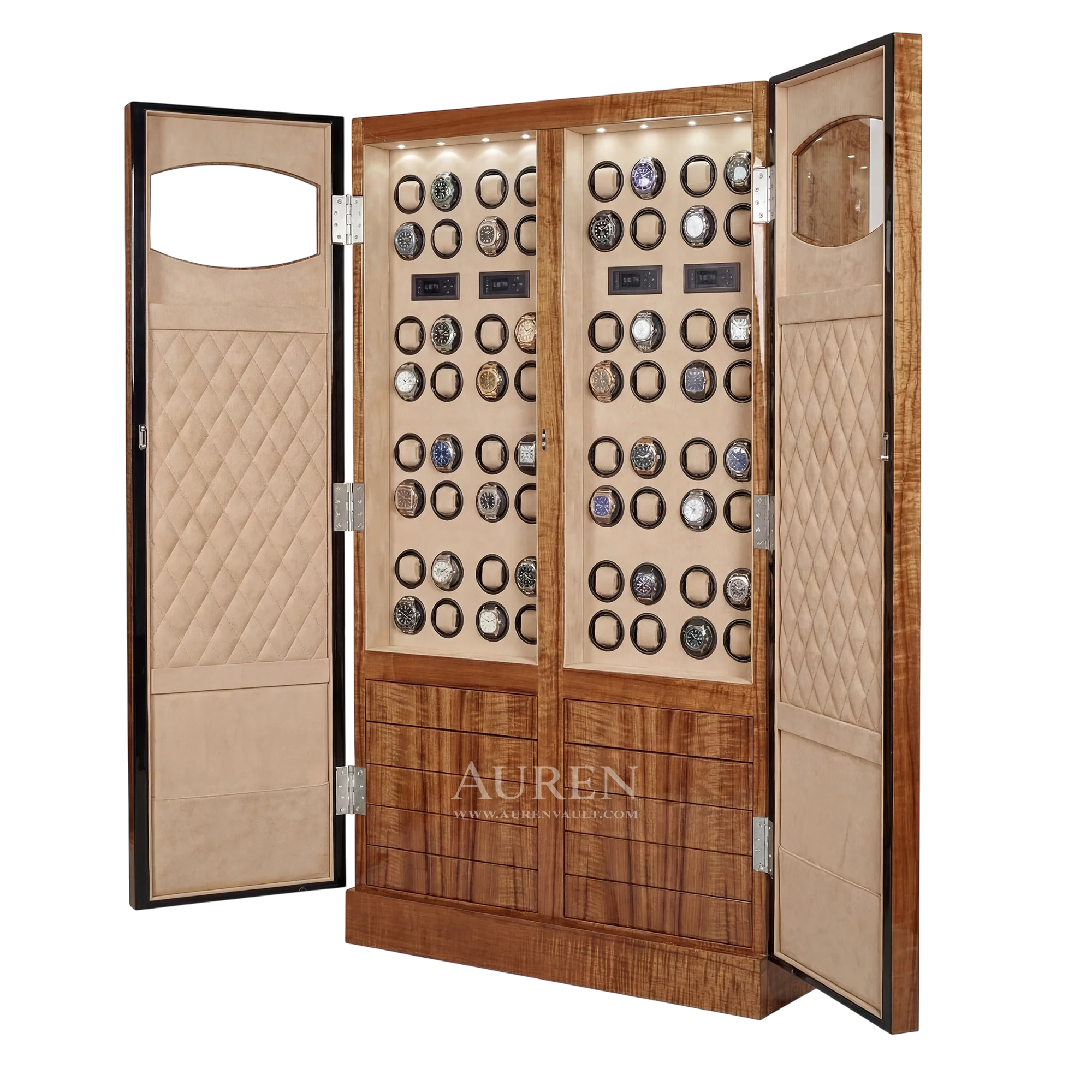
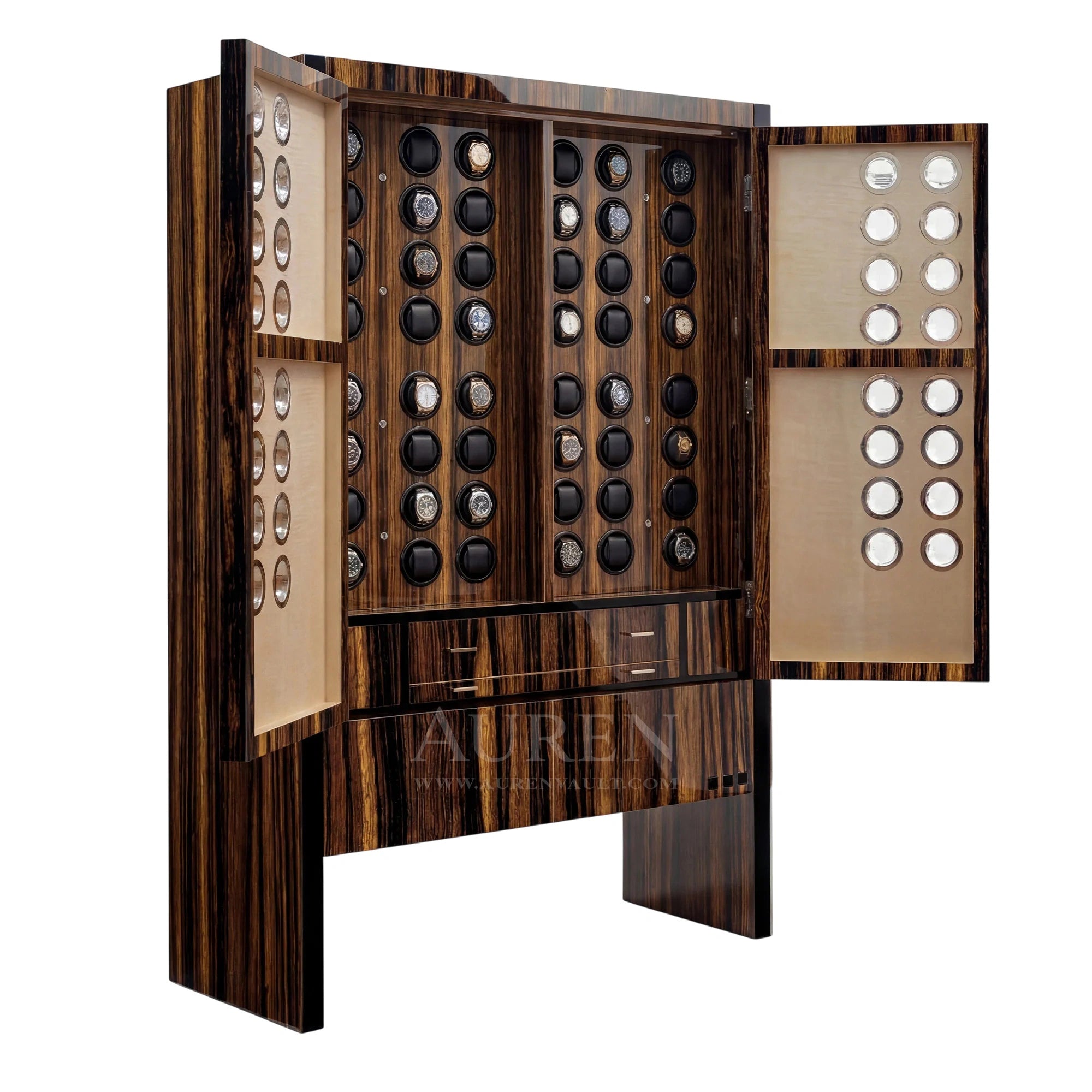
Modern watch safes are engineered specifically for storing mechanical watches.
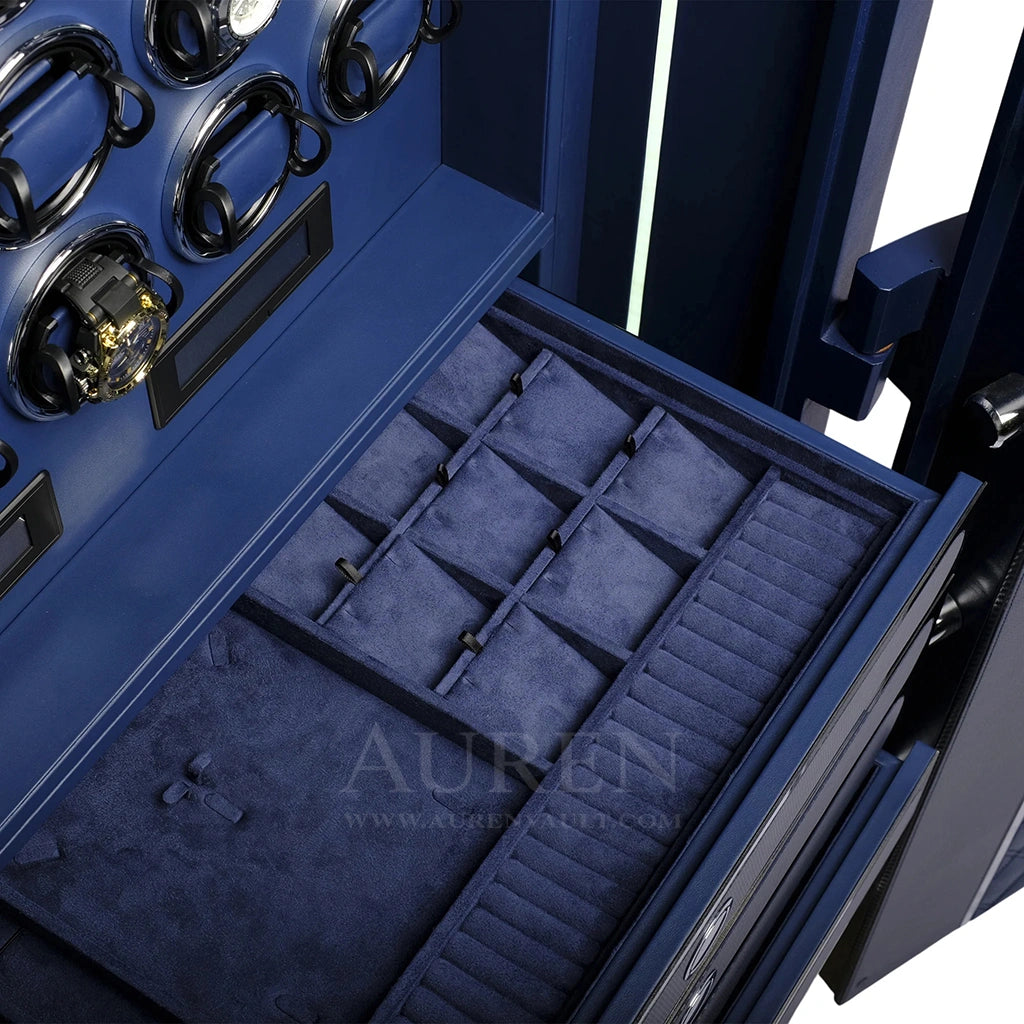
Many models include interior features such as:
- watch cushions designed to support metal bracelets
- modular watch trays or drawers
- soft interior materials to prevent scratches
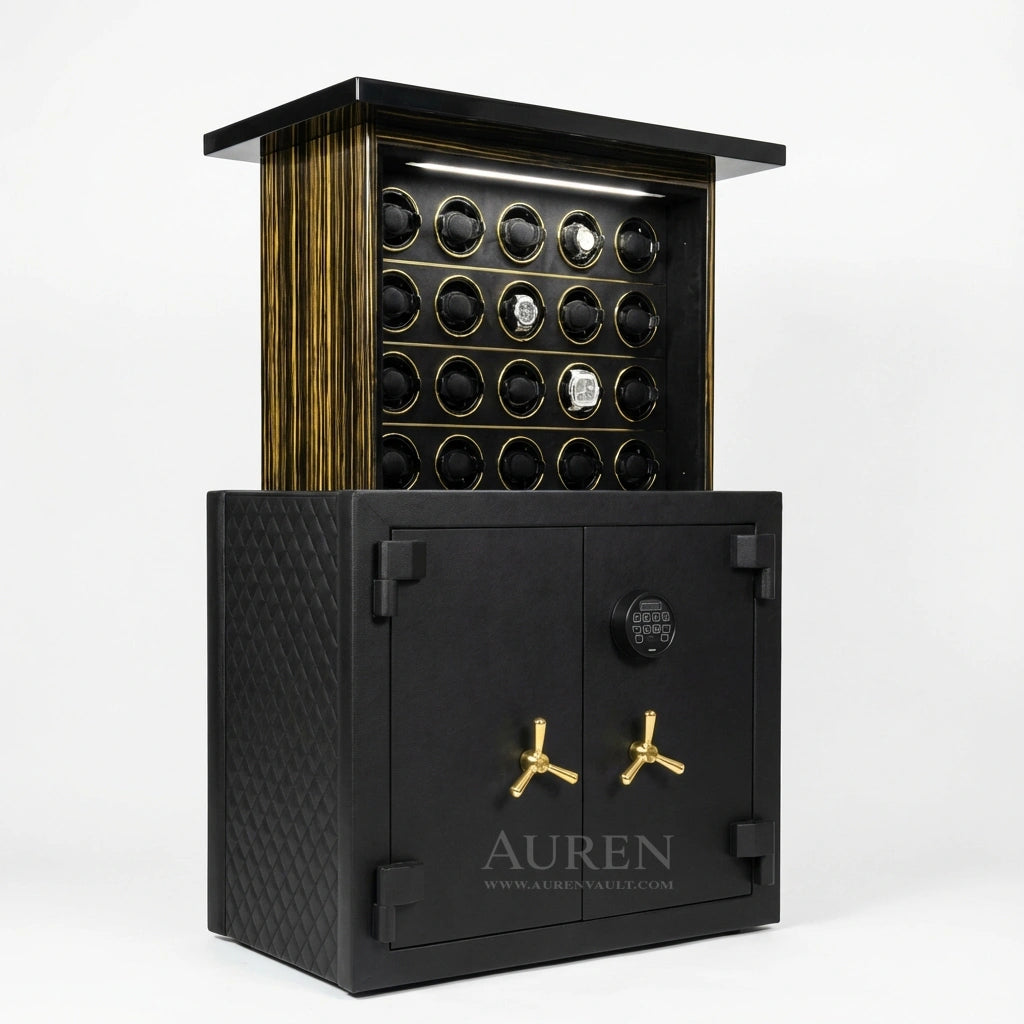
Some safes also include integrated winding systems that maintain automatic watch movements.
Collectors interested in these systems often explore watch winder safes, which combine secure storage with automated watch winding.
Real-World Storage Practices Among Collectors
In many North American homes, collectors install watch safes in interior closets, dressing rooms, or private offices.
These locations provide both discretion and structural support.
Unlike lightweight consumer safes, many floor-standing watch safes weigh 150–650 kg, which significantly increases resistance against removal attempts.
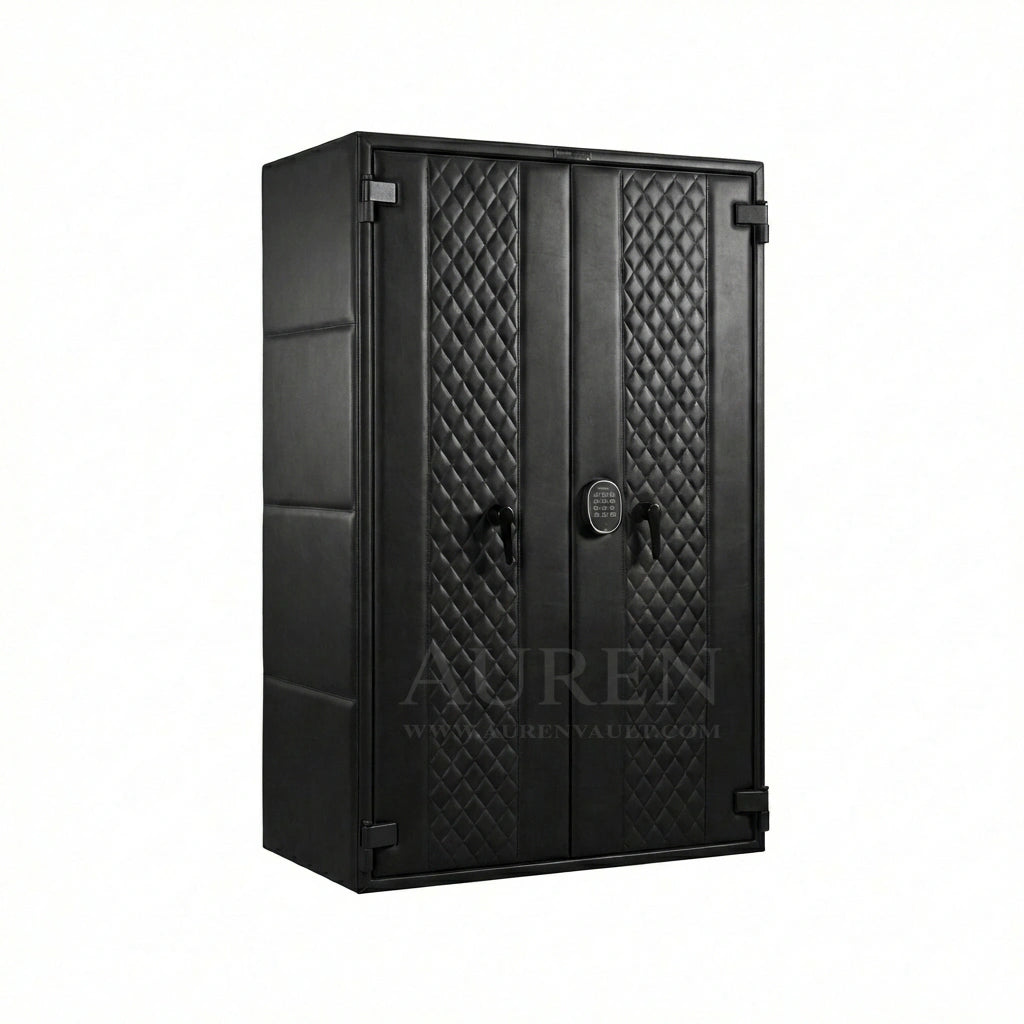
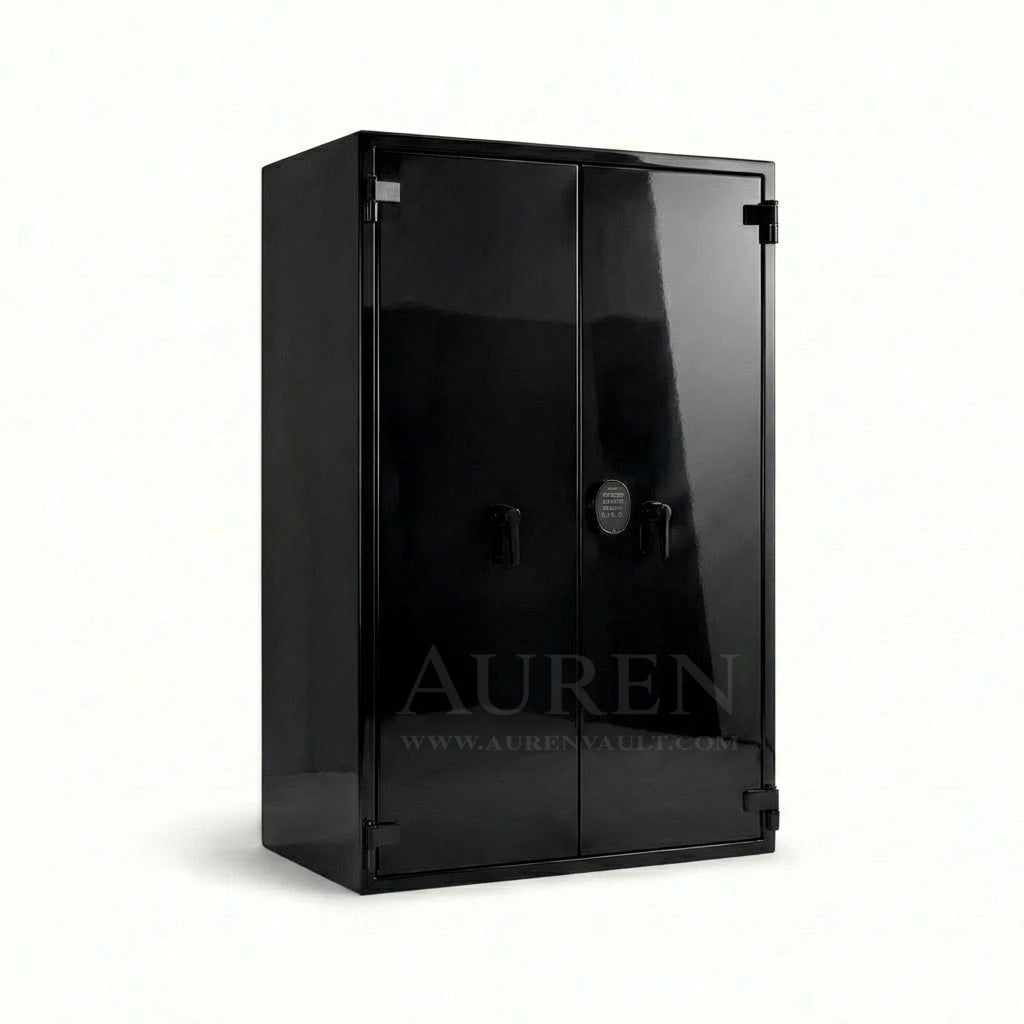
Certain manufacturers, including Auren, design watch safes specifically for collectors who require both security protection and organized storage for luxury timepieces.
Conclusion
Watch boxes and watch safes serve different roles in watch storage.
Watch boxes are designed primarily for organization and presentation, making them suitable for small collections or frequently worn watches.
Watch safes, on the other hand, provide reinforced security construction and may include fire protection tested under standards such as EN 15659 LFS 30 P or LFS 60 P.
For collectors storing valuable watch collections, a dedicated watch safe provides significantly stronger protection than display storage.