


The best watch winder for Seiko watches is a programmable unit that provides approximately 650 turns per day (TPD) with bidirectional rotation, securely supports the watch, and uses controlled winding cycles with rest intervals.
This is a commonly published starting recommendation for many Seiko automatic movements, including the 4R35, 4R36, 6R35, and older 7S26. However, Seiko does not prescribe one universal external TPD setting for every calibre, and some vintage movements have different winding requirements.
Seiko also produces several types of watch technology. Mechanical automatic watches can benefit from a compatible winder, while Solar and conventional Quartz watches cannot. Kinetic models use a different energy-storage system and should not be charged using a standard mechanical watch winder.
For a single frequently worn Seiko 5 Sports, Presage, or Prospex, a winder is optional. For collectors rotating several automatic watches, programmable winding positions and appropriate storage can provide greater convenience.
The right choice begins with the movement, followed by the owner's wearing habits and storage requirements.
Why Seiko Requires More Than One Watch Winder Recommendation
Seiko occupies a distinctive position in watchmaking.
Its collections range from accessible mechanical watches to technically advanced diving instruments, elegant dress watches, and complicated chronographs.
More importantly, the manufacturer has developed several fundamentally different ways of powering a watch.
A Seiko 5 Sports with Calibre 4R36 uses a conventional mechanical automatic movement.
A Prospex equipped with Calibre 6R55 also winds automatically, but offers a significantly longer power reserve.
A Prospex Spring Drive uses mainspring energy with electronically controlled regulation.
A Kinetic watch generates electricity through wrist movement and stores it in a rechargeable power source.
Solar and conventional quartz models operate without a mechanical automatic winding system.
These differences matter because a watch winder is not a universal charging device.
A conventional winder rotates the complete watch, allowing an internal automatic rotor to move and replenish energy stored in a mainspring.
When a compatible watch is removed from the wrist, that external rotation can help maintain the movement's power reserve.
However, this principle does not apply in the same way to every Seiko technology.
The first question should therefore be whether the watch contains an automatic mainspring-winding mechanism.
Only after establishing that compatibility should the owner consider TPD, rotation direction, cushion dimensions, and storage security.
Best Seiko Watch Winder Settings: TPD and Rotation Direction
Two operating parameters determine the program of a conventional automatic watch winder.
Turns per day (TPD) describes the number of external rotations performed during a 24-hour period.
Rotation direction determines whether the winder operates clockwise, counterclockwise, or alternates between both directions.
A suitable program should provide enough effective motion to maintain the movement's reserve without unnecessary continuous rotation.
For many contemporary Seiko automatic movements, approximately 650 TPD with bidirectional operation is a commonly published starting point.
Independent winding references also list broader ranges, often between 500 and 950 TPD, for certain established Seiko mechanical movement families.
These figures should not be interpreted as a single official setting applying to every calibre.
An older Seiko USA technical-service estimate, reproduced in winding-reference databases, suggests approximately 500–700 TPD for conventional mechanical automatics. That general estimate does not replace calibre-specific guidance for newer movement generations.
Seiko Watch Winder Compatibility by Calibre
| Seiko calibre | Representative watches | Power reserve | Winder guidance |
|---|---|---|---|
| 4R35 | Presage Cocktail Time | Approx. 41 hours | Common independent starting point: 650 TPD, bidirectional |
| 4R36 | Seiko 5 Sports, selected Prospex models | Approx. 41 hours | Common independent starting point: 650 TPD, bidirectional |
| 4R34 | Seiko 5 Sports GMT | Approx. 41 hours | Bidirectional program; verify the selected TPD |
| 6R35 | Prospex Alpinist, earlier Prospex divers | Approx. 70 hours | Common independent starting point: 650 TPD, bidirectional |
| 6R54 | Prospex GMT divers | Approx. 72 hours | Programmable winder; verify movement-specific settings |
| 6R55 | Newer Prospex divers, selected King Seiko models | Approx. 72 hours | Programmable bidirectional winder; confirm TPD |
| 6L35 | King Seiko KSK / KS1969 | Approx. 45 hours | Common independent starting point: 650 TPD, bidirectional |
| 7S26 / 7S36 | Older Seiko 5 and SKX models | Approx. 41 hours | Independent databases list bidirectional winding, with varying TPD ranges |
| 8L35 | Prospex Marinemaster | Approx. 50 hours | Bidirectional automatic winding; verify external TPD |
| 8R46 / 8R48 | Prospex Speedtimer mechanical chronographs | Approx. 45 hours | Automatic; confirm appropriate TPD and direction |
| 5R65 / 5R66 | Selected Seiko Spring Drive references | Approx. 72 hours | Automatic Spring Drive; requires movement-specific guidance |
| Kinetic movements | Selected older Kinetic watches | Electrical energy storage | Standard mechanical winders not recommended for charging |
| Solar / conventional Quartz | Prospex Solar, Astron and various quartz models | Not applicable | No conventional automatic winder required |
Power reserves and movement classifications are based on representative Seiko technical specifications. Numerical external TPD recommendations are independent winding references, not universal manufacturer-issued settings.
The most important distinction is between the movement's winding mechanism and its power source.
A Seiko 5 Sports automatic and a Prospex Marinemaster can both benefit from a compatible winder, despite their different movements and power reserves.
A Solar or Kinetic watch requires a different approach, even though the external watch case may look similar.
Is 650 TPD Enough for a Seiko Automatic?
For many Seiko 4R and 6R automatic movements, 650 TPD with bidirectional rotation is a practical initial setting.
It appears frequently in independent watch winder databases covering Seiko 5 Sports, Presage, and Prospex watches.
However, the correct program must do more than match a number in a reference table.
The device must deliver the intended rotations consistently, distribute them through appropriate operating cycles, and provide sufficient effective winding.
Different manufacturers may also define their bidirectional programs differently.
One winder might divide 650 daily rotations between both directions.
Another might use a different sequence of clockwise and counterclockwise cycles.
Consequently, two winders displaying the same TPD may not reproduce exactly the same operating pattern.
For owners, the sensible approach is to begin with a well-supported setting, follow the device manufacturer's instructions, and confirm that the watch maintains sufficient reserve.
The guide to watch winder TPD settings is the corresponding technical resource destination within Auren Vault's watch-care content.
Why Bidirectional Winding Is Common Across Seiko Movements
Many Seiko automatic movements use an efficient winding mechanism associated with the manufacturer's Magic Lever technology.
This mechanism allows motion from the oscillating weight to contribute winding energy when the rotor turns in either direction.
A bidirectional external winder is therefore compatible with the winding architecture of many established Seiko automatic movements.
This includes movement families commonly used in Seiko 5 Sports, Presage, and Prospex.
However, it would be incorrect to assume that every historical Seiko automatic movement operates identically.
Certain older movement families have different published direction recommendations.
For vintage and uncommon references, the exact calibre should take priority over a brand-wide assumption.
A programmable winder with clockwise, counterclockwise, and alternating modes offers useful flexibility for these situations.
Seiko 5 Sports: A Practical Case for Simple Winding
Seiko 5 Sports is often an owner's introduction to automatic mechanical watchmaking.
The collection emphasizes accessible engineering, everyday durability, and recognizable sports-watch design.
Many contemporary Seiko 5 Sports watches use Calibre 4R36.
This automatic movement provides approximately 41 hours of power reserve and includes both manual winding and a stop-seconds function.
For an owner who wears the watch daily, the rotor receives energy through ordinary wrist movement.
A watch winder may therefore be unnecessary.
However, the relatively short reserve means the watch will usually stop if left unworn for more than two days.
This can make a winder useful for owners who alternate between several watches.
Seiko 5 Sports 4R36: A Good Starting Configuration
For Calibre 4R36, approximately 650 TPD with bidirectional rotation is a commonly published independent starting recommendation.
A suitable single-watch winder should provide that program, use periodic rest intervals, and hold the watch securely.
The owner does not need an elaborate multi-watch system merely to maintain one 4R36 movement.
A compact programmable unit may be sufficient.
Consider someone who owns a Seiko 5 Sports and a dress watch.
The Seiko is worn during the week, while the dress watch is preferred on weekends.
Because the 4R36 has approximately 41 hours of autonomy, the Seiko may stop before Monday morning.
A compatible winder can keep the movement running throughout that period.
The benefit is convenience rather than a necessity for mechanical health.
Seiko 5 Sports GMT: Calibre 4R34
The Seiko 5 Sports GMT introduces Calibre 4R34.
Found in references such as the SSK005, this movement provides approximately 41 hours of power reserve and includes a 24-hour hand for displaying a second time zone.
The GMT complication changes the owner's setting routine.
When the movement stops, the time and date may need to be restored before the watch is worn again.
For a collector who regularly switches between watches, maintaining the GMT movement can reduce repeated adjustments.
However, the additional 24-hour indication does not automatically require more TPD.
The winding program should reflect the automatic movement's architecture rather than the number of hands on the dial.
For a Seiko 5 Sports GMT, a programmable bidirectional winder is an appropriate category of equipment once the specific TPD program has been confirmed.
Older Seiko 5 Watches With Calibre 7S26
Earlier Seiko 5 watches frequently use Calibre 7S26.
This movement differs from contemporary 4R movements in an important way.
The 7S26 uses automatic winding but does not provide the same manual crown-winding capability as the modern 4R36.
An owner cannot simply turn the crown to wind the movement in the same way.
Seiko's operating instructions instead describe starting a stopped 7S-series watch by moving it gently from side to side until the movement begins running.
Once operating, the watch receives winding energy through wrist movement.
A compatible automatic winder can therefore be convenient for maintaining a 7S26 watch that is worn infrequently.
Independent winding databases commonly list bidirectional operation for the 7S family, although their recommended TPD ranges vary.
For an older Seiko, identifying the actual movement is more useful than assuming it behaves exactly like a current Seiko 5 Sports.
Presage: When Elegance and Movement Compatibility Meet
Seiko Presage combines traditional mechanical watchmaking with design influences drawn from Japanese craftsmanship.
The collection includes refined dials, relatively slim cases, carefully selected straps, and a broad range of automatic movement configurations.
For watch-winder selection, this creates two considerations.
The first is the movement's technical requirement.
The second is the way the watch is physically supported.
A Presage on a leather strap may need a different cushion from a Prospex diver on a metal bracelet.
Both can use automatic winding, but the ideal holder may not be identical.
Presage Cocktail Time: Calibre 4R35
The Presage Cocktail Time SRPB43 is powered by Calibre 4R35.
It provides approximately 41 hours of power reserve and includes a date display.
For this movement, approximately 650 TPD with bidirectional rotation is a commonly published starting recommendation.
An owner who wears the Cocktail Time several times per week may have little need for a winder.
However, the watch is often chosen for particular occasions rather than daily sports use.
When it remains unworn for several days, its reserve will expire.
A suitable winder can maintain the movement and reduce the need for repeated adjustments.
The physical support is especially important because the SRPB43 uses a leather strap.
An oversized rigid cushion can create unnecessary strap tension.
A compressible or adjustable holder provides greater flexibility and helps preserve the strap's natural shape.
Presage Sharp Edged GMT: Calibre 6R64
The Presage Sharp Edged GMT illustrates why all watches within the collection should not receive identical settings.
Selected references such as the SPB217 use Calibre 6R64.
This automatic movement provides approximately 45 hours of reserve and includes a GMT function, pointer date, and power reserve indicator.
These additional indications can make keeping the watch running more convenient.
The power reserve indicator is particularly useful because it provides information about the energy remaining in the movement.
If the reserve gradually decreases while the watch is on a winder, the owner has an additional indication that the selected program may not be maintaining sufficient energy.
However, the indicator should not replace movement-specific technical guidance.
A winder must still be configured according to the movement's automatic winding requirements.
The presence of a GMT complication and power reserve display does not independently establish a higher TPD number.
Does a Presage Need a Premium Winder?
Not necessarily.
The value of a winder depends on compatibility, quiet operation, appropriate case support, and reliability.
A single Presage equipped with Calibre 4R35 does not inherently require a large or complex winding cabinet.
However, someone who maintains several Presage watches alongside other automatic timepieces may benefit from individually programmable winding positions.
For collectors, the correct investment is in suitable functionality and long-term reliability rather than decorative complexity.
Prospex: Different Automatic Movements, Different Ownership Needs
Seiko Prospex includes professional and recreational sports watches designed for demanding environments.
Its range includes diving watches, GMT models, mechanical chronographs, and solar-powered references.
The collection demonstrates why the appearance of a sports watch does not necessarily establish its internal movement type.
A Prospex automatic diver can benefit from external winding.
A Prospex Solar chronograph cannot.
Even among mechanical references, the 6R35, 6R55, 6R54, and 8L35 movements have different power reserves and technical characteristics.
Prospex Alpinist: Calibre 6R35
The modern Prospex Alpinist SPB121 uses Calibre 6R35.
This movement offers approximately 70 hours of power reserve.
The extended autonomy is a practical improvement over the 41-hour reserve associated with the 4R family.
For an owner who wears the Alpinist regularly, the watch may continue running through a weekend when sufficiently wound.
A winder becomes more useful when the watch remains unused beyond that period.
Independent winding references commonly suggest approximately 650 TPD with bidirectional rotation for 6R35-powered watches.
However, the 70-hour reserve should not be used to calculate TPD directly.
The correct program depends on the automatic winding system.
An Alpinist with a leather strap should also be supported differently from a large metal-bracelet diver.
The holder must secure the watch without placing unnecessary pressure on the strap or allowing the case to shift during rotation.
Prospex 1965 Heritage Diver: Calibre 6R55
More recent Prospex Heritage Diver references, including the SPB453, use Calibre 6R55.
This movement provides approximately 72 hours of power reserve.
Seiko describes this as three days of autonomy.
For collectors who rotate watches every few days, that reserve can significantly reduce the need for external winding.
A sufficiently wound diver removed on Friday may remain running until Monday.
A winder may therefore be unnecessary for someone whose wearing schedule falls within that period.
For a watch worn less frequently, a compatible winder can still provide convenience.
A programmable bidirectional unit is appropriate to investigate, with TPD confirmed for the actual calibre and device.
Prospex GMT Diver: Calibre 6R54
Selected Prospex GMT diving watches use Calibre 6R54.
This automatic movement provides approximately 72 hours of reserve and incorporates a 24-hour hand.
References such as the SPB381 combine the utility of a diving watch with a second time-zone indication.
For owners who travel regularly, keeping this movement running can reduce the need to reset the GMT and date displays after the reserve expires.
However, the 24-hour complication does not independently change the automatic winding requirement.
A compatible winder should be selected according to Calibre 6R54 rather than the watch's travel functionality alone.
The watch's substantial case and metal bracelet also need a suitable holder with enough clearance during rotation.
Prospex Marinemaster: Calibre 8L35
The Marinemaster occupies a more specialized position within Seiko's diving-watch range.
Selected references use Calibre 8L35, an automatic movement offering approximately 50 hours of power reserve.
This movement operates at 28,800 vibrations per hour and incorporates Seiko's Magic Lever winding technology.
The Magic Lever enables efficient transfer of rotor movement in both directions.
A bidirectional external winder is therefore consistent with the movement's winding architecture.
However, the correct external TPD should still be confirmed for the individual watch.
Physical support is another important factor.
A substantial Marinemaster on a metal bracelet may be heavier than a smaller Presage or Seiko 5.
A compact winder should be checked for sufficient compartment clearance and secure holder fit before use.
A winder that delivers the correct rotations can still be unsuitable if the watch moves or contacts the surrounding enclosure.
Seiko Speedtimer: Automatic Chronograph or Solar Chronograph?
The Speedtimer family is particularly important because it includes watches with different power systems.
Some Speedtimers contain automatic mechanical chronograph movements.
Others use solar-powered quartz technology.
These should not be treated as equivalent when choosing a winder.
Mechanical Speedtimer: Calibres 8R46 and 8R48
Seiko's mechanical Speedtimer chronographs include references powered by Calibres 8R46 and 8R48.
Both are automatic chronograph movements with approximately 45 hours of power reserve.
Their construction includes a column wheel and vertical clutch—mechanisms associated with the operation of the chronograph.
For owners, the distinction between the chronograph and automatic winding systems is important.
The column wheel and vertical clutch manage chronograph functions.
The automatic rotor replenishes the mainspring.
A watch winder maintains the automatic movement's energy; it does not operate the chronograph pushers.
For these calibres, the appropriate external TPD and rotation direction should be verified individually.
It would be unreliable to assume that the presence of a mechanical chronograph automatically requires a higher TPD setting than a three-hand movement.
Speedtimer Solar: No Mechanical Winder Required
Selected Prospex Speedtimer references use solar-powered quartz movements.
These watches convert light into electrical energy.
They do not contain a conventional mechanical automatic winding rotor.
Placing a Solar Speedtimer in a standard mechanical winder will not recharge it.
For these models, following Seiko's light-charging guidance is more important than selecting a TPD program.
This distinction is especially useful when planning storage for a mixed Speedtimer collection.
A mechanical Speedtimer may benefit from an active winding position.
A Solar Speedtimer requires passive storage and appropriate charging conditions.
King Seiko: Winding Slim Mechanical Movements
King Seiko represents another dimension of the manufacturer's mechanical watchmaking.
Its designs emphasize carefully defined case geometry, refined finishing, and classic proportions.
The collection uses different automatic movement families, including 6R and 6L calibres.
The difference matters because the watches may share a similar visual identity without having identical power reserves.
King Seiko Calibre 6L35
Selected King Seiko KSK and KS1969 references use Calibre 6L35.
This slim automatic movement provides approximately 45 hours of power reserve.
Its relatively compact architecture allows the watch to maintain a refined case profile.
For an owner who wears King Seiko only on certain occasions, a winder may reduce repeated resetting.
A programmable bidirectional winder is an appropriate starting category for the movement, with the precise TPD confirmed through reliable guidance.
The physical holder should also be carefully selected.
King Seiko watches often feature highly finished cases and closely fitted metal bracelets.
A loose cushion may allow unnecessary movement during rotation, while an oversized support may create excessive bracelet tension.
Suitable fit is more important than elaborate display features.
A 45-Hour King Seiko vs. a 72-Hour Prospex
The contrast between Calibre 6L35 and Calibre 6R55 illustrates the practical role of power reserve.
A King Seiko with approximately 45 hours of autonomy may stop during a weekend of non-use.
A sufficiently wound Prospex with Calibre 6R55 can continue running for approximately three days.
This difference affects how frequently the owner must restart the watch.
It does not automatically mean the shorter-reserve movement requires more external rotations per day.
Power reserve and TPD describe different aspects of the movement.
A winder should therefore follow the calibre's winding requirements rather than simply compensate for a shorter reserve with a higher rotation count.
Seiko Spring Drive: A Separate Type of Automatic Winding
Spring Drive deserves separate consideration because its operating principle differs from conventional mechanical movements.
Unlike a standard mechanical watch, Spring Drive uses an electronically controlled regulating system.
However, its operating energy still comes from a mainspring.
In automatic Spring Drive movements, an oscillating weight replenishes that energy through motion.
This means that certain Spring Drive watches can benefit from a compatible automatic watch winder.
Selected Seiko references use automatic Spring Drive calibres such as 5R65 and 5R66.
These movements provide approximately 72 hours of reserve.
However, Spring Drive should not be treated as one universal winding category.
Some Spring Drive movements are manually wound, while others are automatic.
For a Seiko equipped with automatic Spring Drive, the correct external winding program should be confirmed for the specific calibre.
Why Spring Drive Is Not the Same as Kinetic
Both technologies involve electrical components, but their power systems are fundamentally different.
Spring Drive uses a mainspring to power the movement, while an electronic system regulates its operation.
Kinetic generates electricity from motion and stores that electricity in a rechargeable energy source.
An automatic Spring Drive can therefore benefit from external rotor movement in a manner related to mechanical automatic winding.
A Kinetic watch requires a different charging approach.
The two technologies should not be grouped together simply because both involve Seiko innovation and electrical systems.
Seiko Kinetic: Why a Conventional Watch Winder Is Not Recommended
Kinetic is one of the most misunderstood technologies in Seiko's product history.
The system uses an internal generator operated by wrist motion.
That motion produces electrical energy, which is stored in a rechargeable battery.
The watch then uses the stored electrical energy to power its timekeeping system.
This differs from a conventional mechanical automatic movement, which stores energy in a mainspring.
Seiko's service guidance explicitly notes that an automatic winder intended for mechanical watches is unsuitable for charging a Kinetic watch.
The presence of a moving internal weight does not mean that a standard mechanical watch winder is the correct charging device.
What Should Kinetic Owners Do Instead?
A Kinetic owner should follow the charging instructions for the specific calibre.
Seiko provides movement-specific procedures involving wrist motion and controlled manual movement of the complete watch.
Some owners also encounter devices marketed specifically for Kinetic charging.
However, these should not be confused with ordinary mechanical watch winders, and compatibility should be confirmed before use.
A conventional programmable winder should not be purchased on the assumption that it will recharge any Kinetic model.
For a mixed Seiko collection, Kinetic watches are better treated as a separate power-system category.
This prevents unnecessary rotor allocation and avoids confusing electrical charging with mechanical mainspring winding.
Does a Seiko Automatic Need to Run Continuously?
No.
A Seiko automatic is designed to operate through energy stored in its mainspring.
Regular wrist movement replenishes that energy when the watch is worn.
When the watch is removed, the movement gradually consumes its remaining reserve until it stops.
Allowing an automatic Seiko to stop during periods of non-use is generally normal.
A winder is useful when the owner prefers to maintain continuous operation.
For a Seiko 5 Sports with approximately 41 hours of reserve, that convenience may become noticeable after a weekend.
For a Prospex with a 72-hour reserve, the owner may have more flexibility without external winding.
For a GMT or calendar-equipped model, keeping the movement running can reduce repeated adjustment of its indications.
However, continuous operation is not inherently necessary for mechanical health.
Can a Seiko Automatic Be Overwound on a Winder?
Modern Seiko automatic movements generally incorporate a slipping mainspring arrangement that prevents unlimited increases in mainspring tension once fully wound.
This allows the winding system to continue receiving movement without continually increasing the stored tension.
Nevertheless, unnecessary external rotation provides no clear practical benefit.
A suitable winder should deliver enough effective motion to maintain the reserve with appropriate rest intervals.
It should not be configured simply to rotate at the highest available setting.
A watch winder also cannot replace servicing, correct degraded lubrication, or resolve an existing mechanical fault.
For longer periods of non-use, proper storage conditions may be more important than maintaining uninterrupted movement operation.
What Makes a Good Watch Winder for Seiko?
A suitable winder should offer functional compatibility without unnecessary complexity.
Seiko's broad mechanical range makes a few practical features particularly valuable.
Adjustable TPD and Direction Control
A programmable winder should allow selection of the desired daily rotation count and direction.
For many modern Seiko automatic movements, a setting around 650 TPD with bidirectional operation provides a useful starting point.
However, an adjustable unit is preferable to one fixed at a single program, especially when a collection includes vintage Seiko movements or watches from other brands.
A multi-watch system should ideally allow each position to operate independently.
This makes it possible to configure different calibres without forcing every watch to share the same program.
Rest Intervals and Quiet Operation
A watch winder does not need to rotate continuously.
A well-designed device distributes its programmed turns throughout the day, allowing the watch to rest between operating cycles.
This approach provides controlled motion while reducing unnecessary activity.
Quiet operation also matters when a winder is placed in a bedroom, dressing room, or private office.
A reliable motor and clear controls are more useful than decorative features that do not improve the winding function.
Secure Support for Different Cases and Bracelets
Seiko produces watches in a wide variety of case sizes and strap configurations.
A compact Presage on leather, a Seiko 5 Sports on a metal bracelet, and a substantial Marinemaster diver will not necessarily fit the same holder equally well.
A suitable cushion should secure the watch without excessive tension.
The compartment should provide adequate clearance around the case, crown, and any chronograph pushers.
A loose holder may allow the watch to shift during rotation.
An oversized holder may create unnecessary pressure on the bracelet or strap.
Adjustable cushions can improve compatibility across a mixed collection.
How to Set Up a Watch Winder for a Seiko Automatic
A reliable setup begins with identifying the movement.
Seiko provides operating manuals by calibre, and the movement code can generally be found on the case back or in the watch's documentation.
For a Seiko 5 Sports, confirm whether the watch uses Calibre 4R36, 4R34, or an older 7S movement.
For a Prospex, identify whether it uses 6R35, 6R54, 6R55, 8L35, or another calibre.
Once the movement is known, verify that it is automatic and determine the appropriate external winding program.
Start With Adequate Mainspring Energy
If a modern Seiko automatic with manual-winding capability has stopped, follow Seiko's instructions for restarting it.
For movements such as 4R35, 4R36, and 6R35, the manufacturer explains that the mainspring can be wound by turning the crown clockwise.
The watch can then be set and worn normally.
This is separate from external watch-winder programming.
A watch winder is primarily intended to maintain a movement's power reserve rather than replace all initial winding procedures.
For older 7S-series movements, the startup process differs because conventional manual crown winding is not available.
Seiko's relevant movement instructions should take precedence.
Apply the Appropriate TPD and Direction
For many current 4R and 6R automatic movements, approximately 650 TPD bidirectional is a commonly published initial setting.
However, the chosen program should be confirmed for the actual movement and winder.
Owners should understand how their device counts bidirectional rotations and distributes rest intervals.
Then place the watch securely on the holder, ensuring that the strap or bracelet fits naturally.
Confirm that the case has sufficient clearance throughout a complete rotation.
Monitor Performance Before Increasing TPD
After programming the device, observe the watch over several days.
If it remains running consistently, the selected program may be providing adequate energy for the intended storage routine.
If the watch stops, investigate the initial power reserve, selected rotation direction, effective daily rotations, and actual winder operation.
A mechanical condition requiring servicing can also contribute to inconsistent performance.
Increasing TPD without understanding the cause is not a reliable troubleshooting method.
The objective is sufficient winding, not maximum rotation.
Standalone Watch Winder or Watch Winder Safe?
For someone who owns one automatic Seiko, a standalone programmable winder may be entirely sufficient.
Its primary purpose is to maintain the movement between wears.
The decision becomes more complicated when the collection grows to include different automatic calibres, Spring Drive, Solar, Quartz, and Kinetic watches.
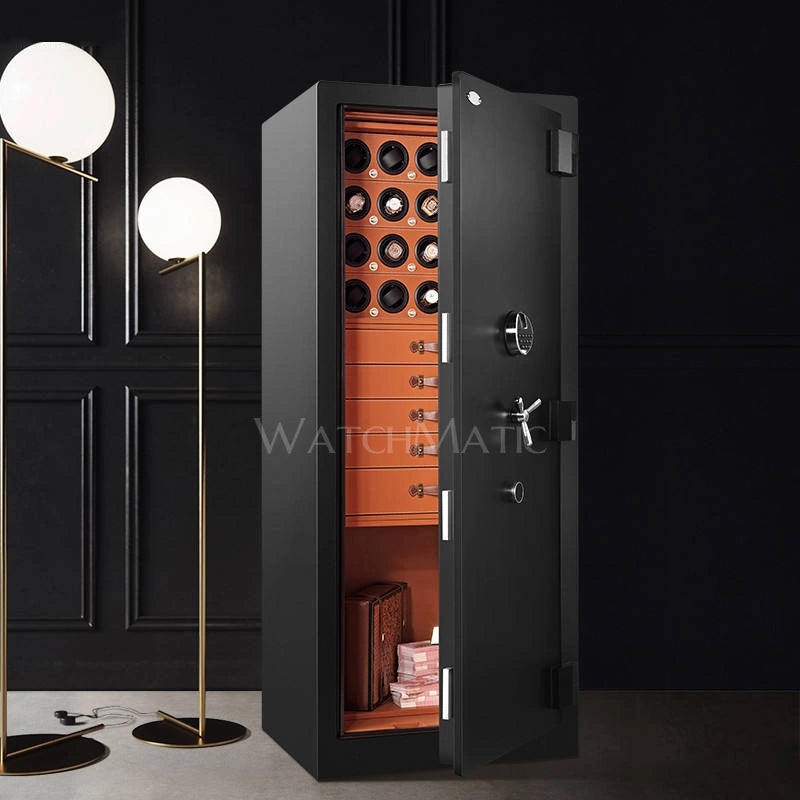
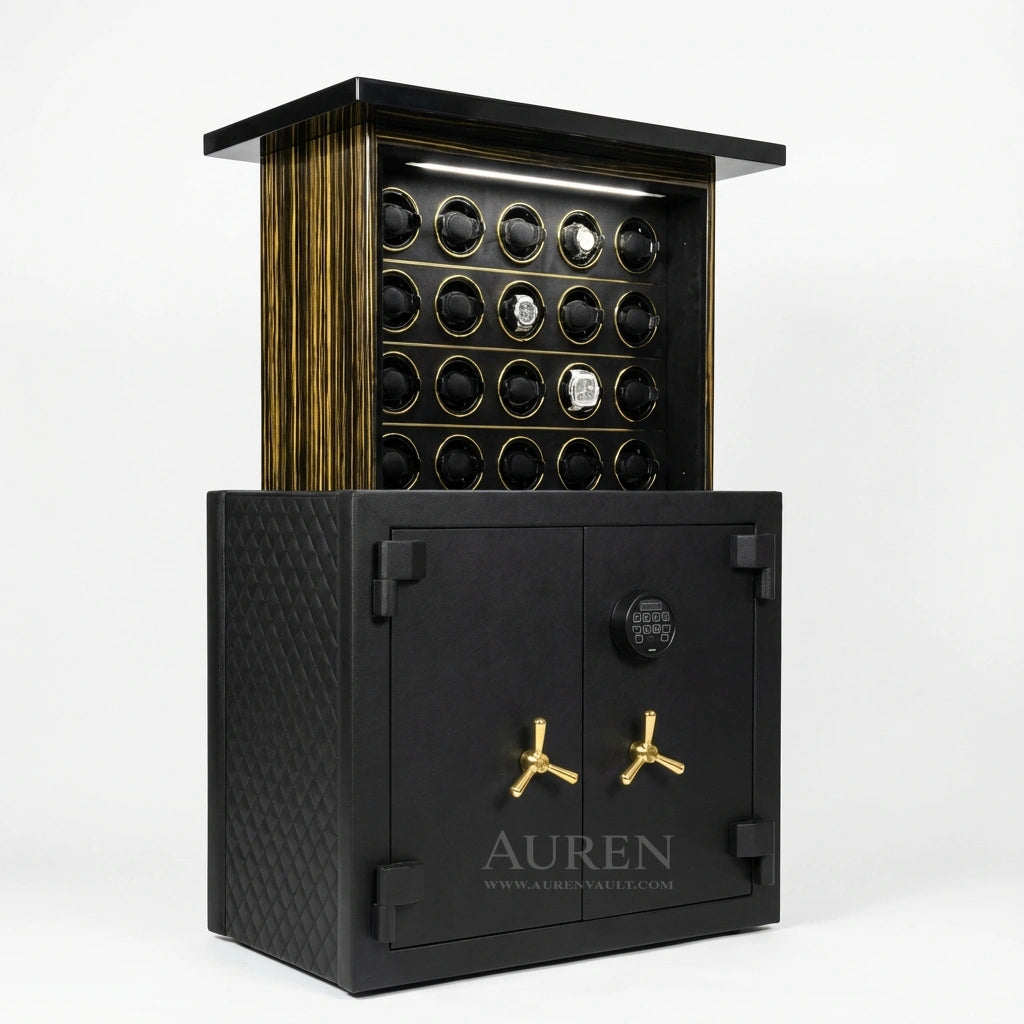
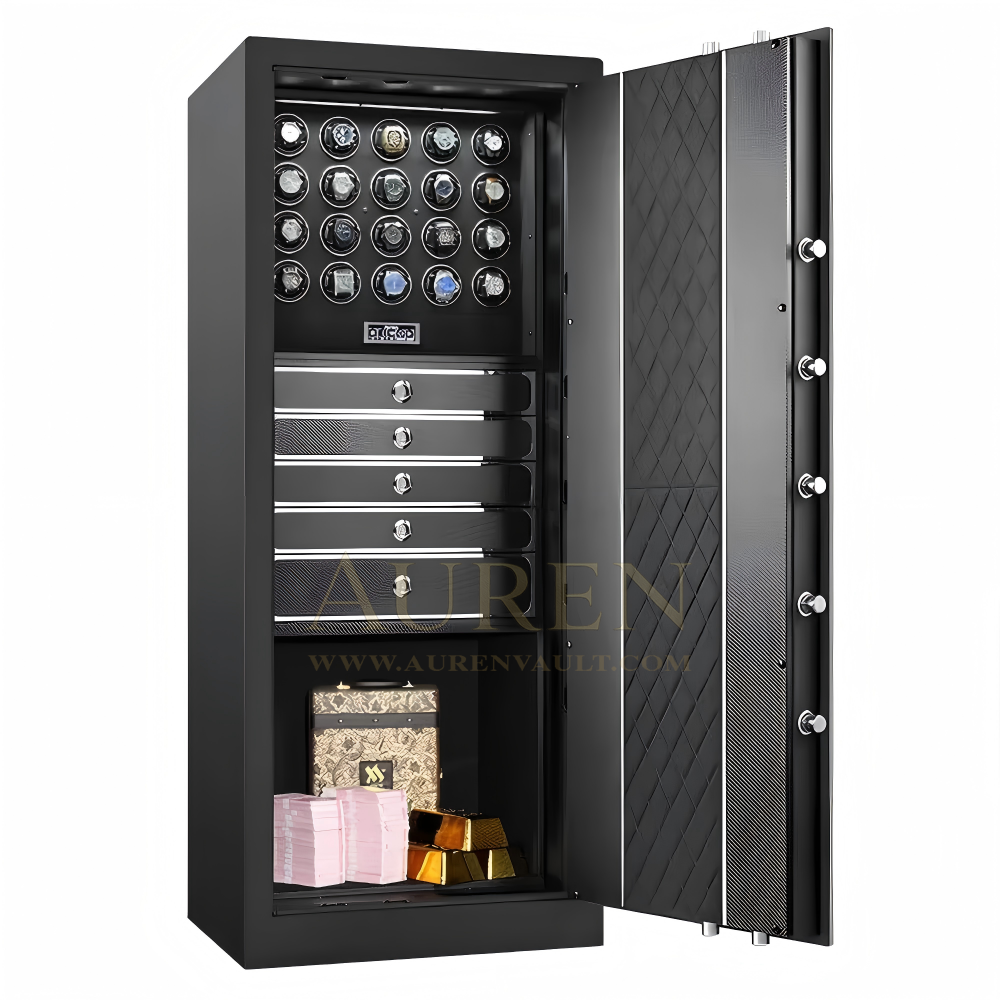
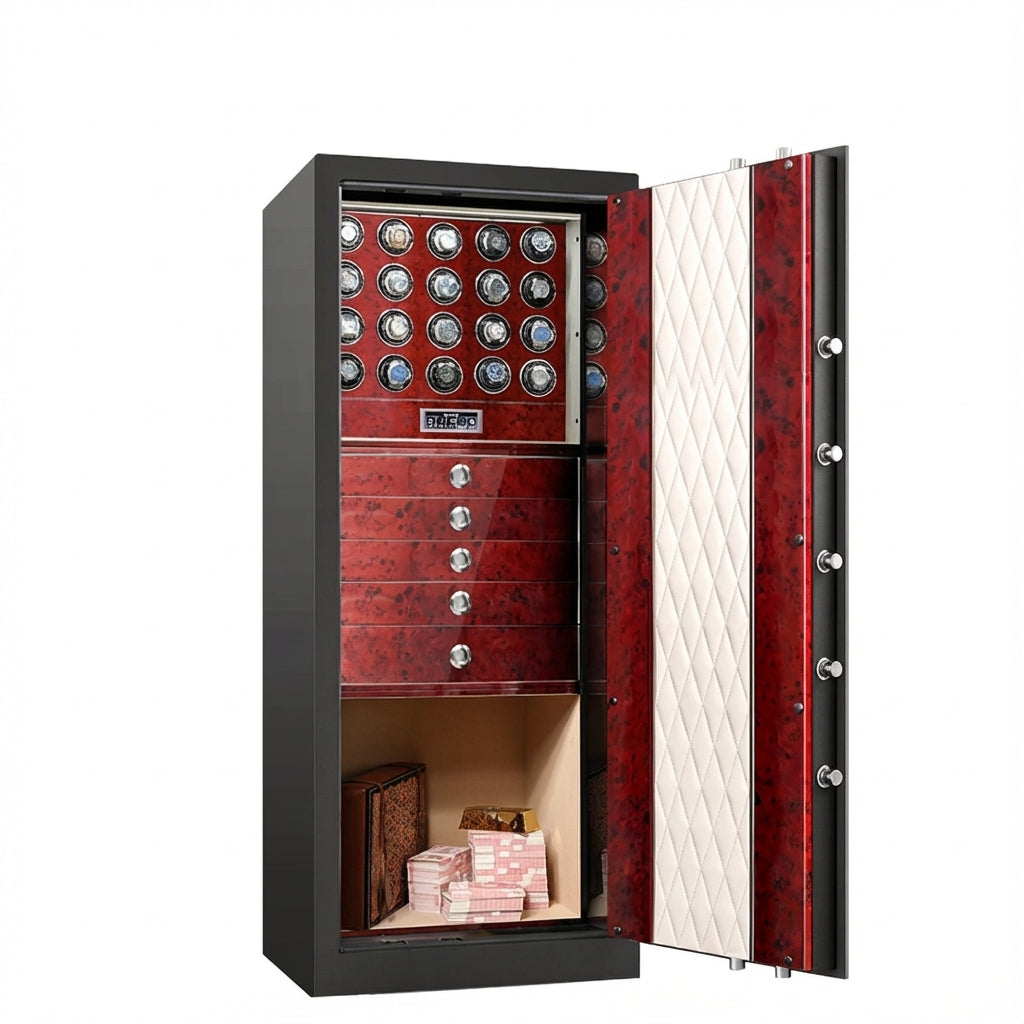
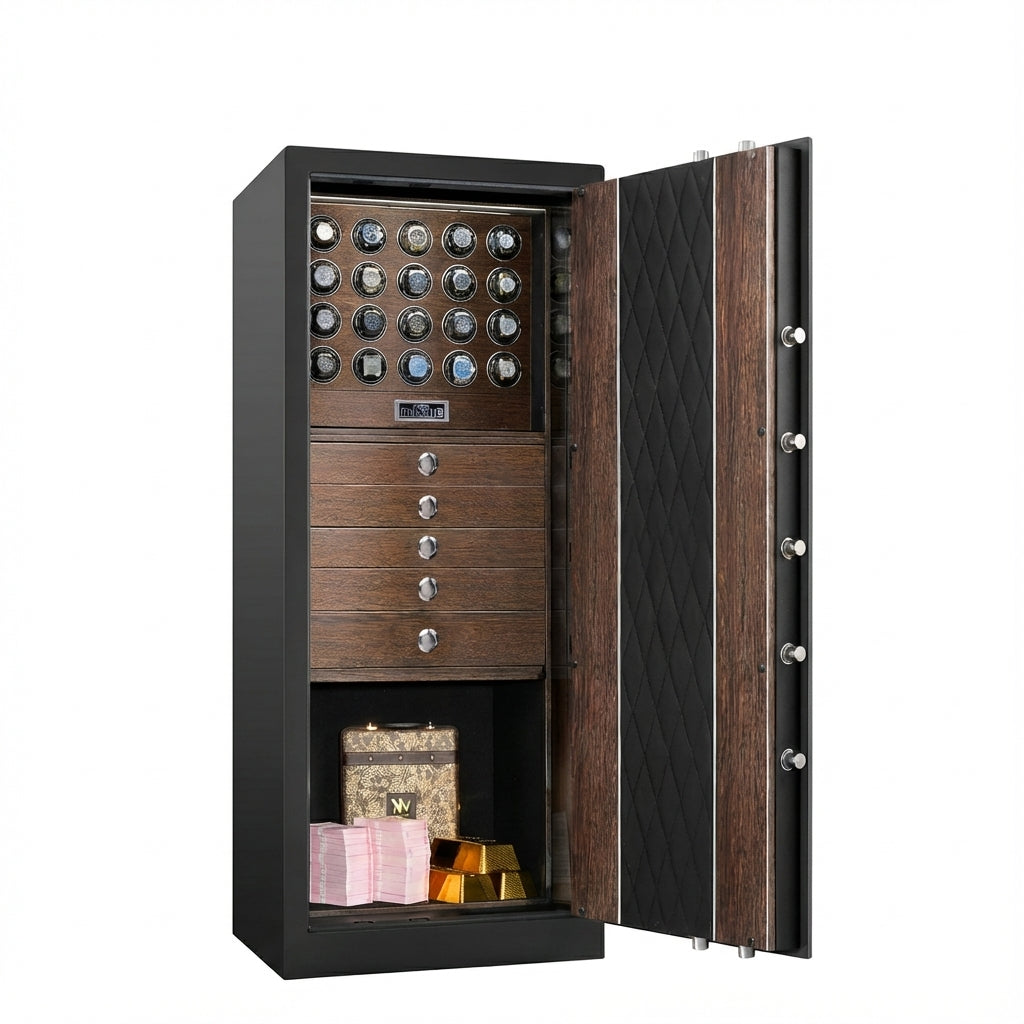
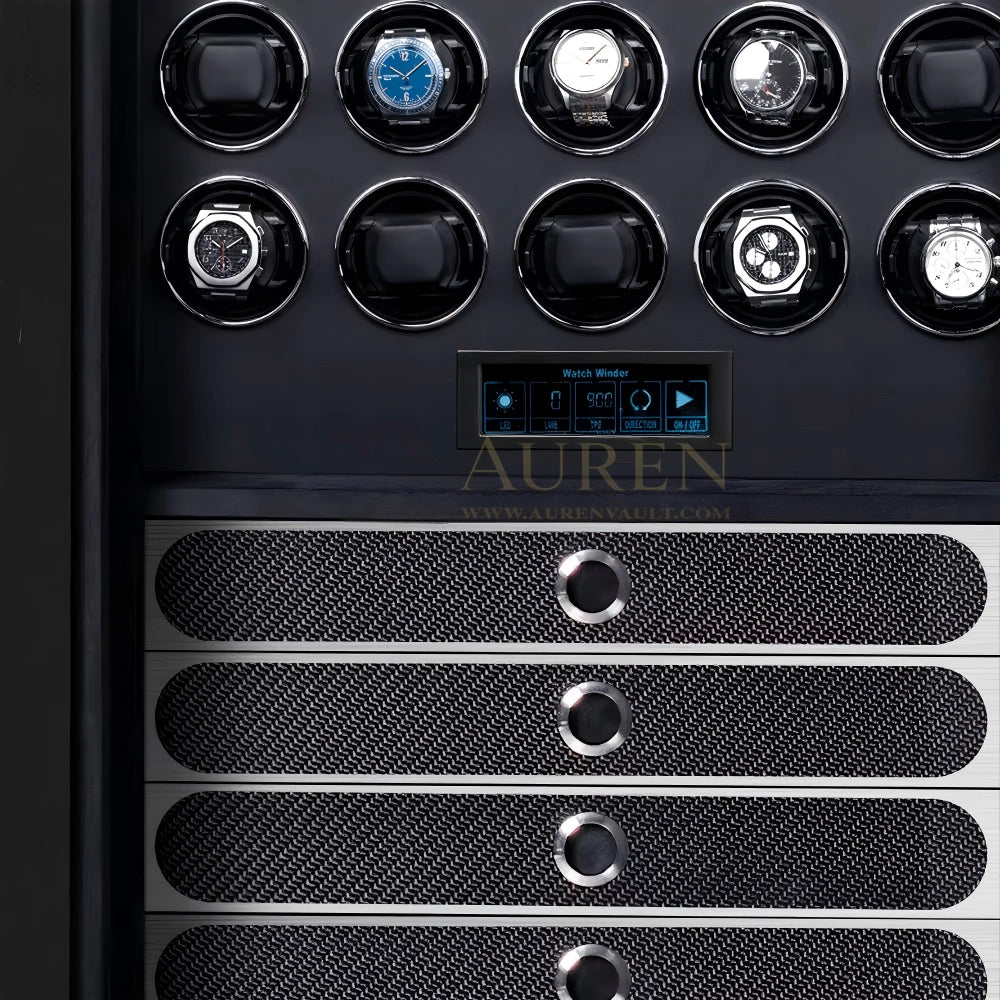
A watch winder safe combines active winding modules with enclosed, lockable storage.
This may be useful when a collection includes valuable watches that spend significant periods away from the wrist.
However, the amount of active winding capacity should match the actual number of compatible watches.
Comparing Seiko Storage Configurations
| Consideration | Standalone watch winder | Integrated watch winder safe |
|---|---|---|
| Main function | Maintain automatic winding | Combine winding with enclosed storage |
| Suitable for Seiko mechanical automatics | Yes, with correct programming | Yes, with compatible modules |
| Suitable for automatic Spring Drive | With movement-specific confirmation | With movement-specific confirmation |
| Suitable for Solar, Quartz, or Kinetic charging | No conventional mechanical winding benefit | Passive compartments are appropriate |
| Individual TPD control | Depends on model | Depends on integrated rotor system |
| Physical security | Generally limited | Depends on safe construction |
| Best ownership scenario | One or several frequently rotated automatics | Larger mixed collections with protection needs |
A tabletop winder is often the more proportionate choice for a single Seiko 5 Sports or Presage.
For collectors maintaining a substantial group of automatic watches alongside higher-value timepieces, integrated winding and enclosed storage may provide greater convenience.
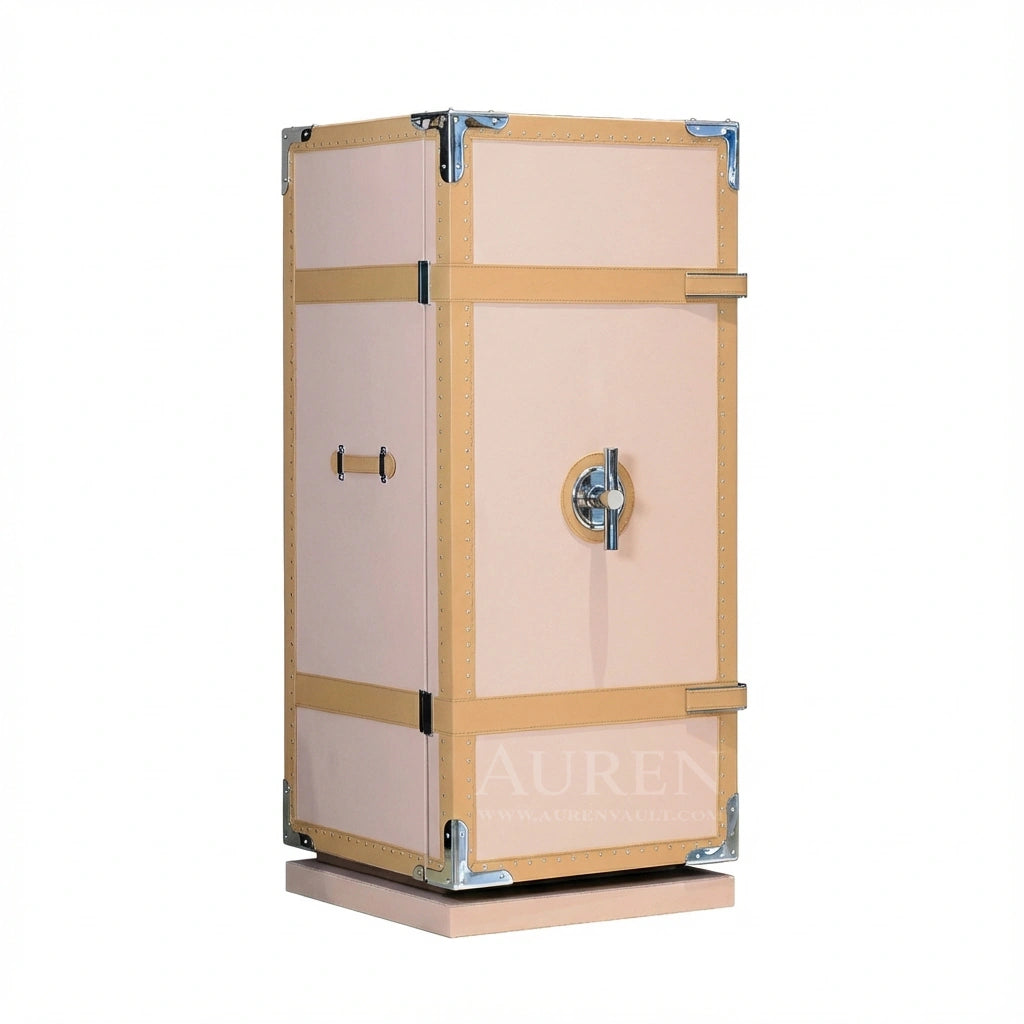
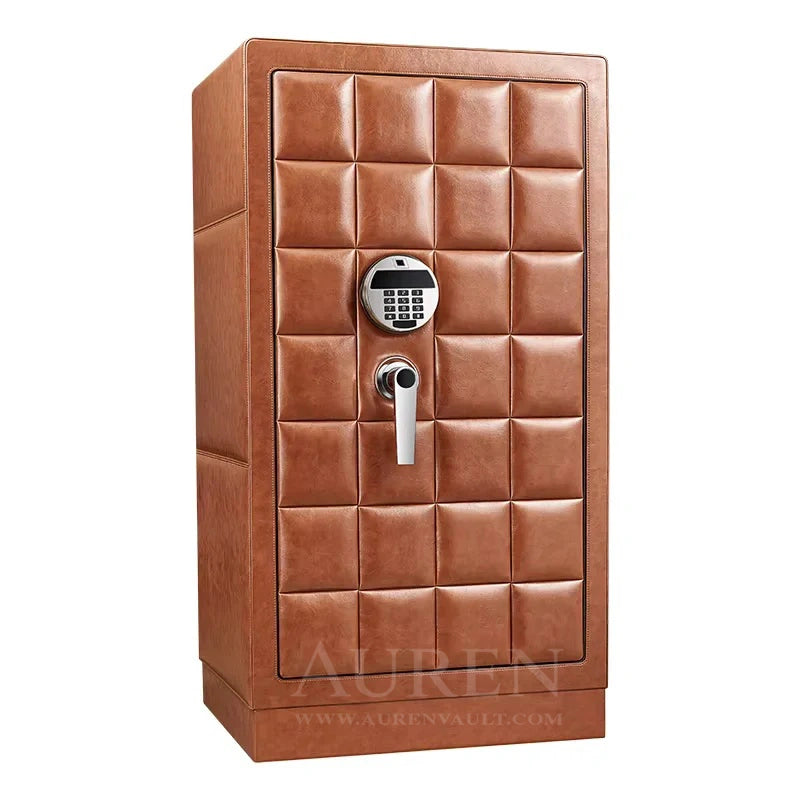
The integrated watch winder safe collection at Auren Vault includes compact and larger configurations intended to combine mechanical winding with organized watch storage.
The relevant considerations include winding capacity, individual programming, compartment design, installation, and physical security.
The watch winder safe guide is the related resource destination for understanding that category.
However, a lockable enclosure should not automatically be assumed to provide a particular burglary-resistance or fire-resistance certification.
Its actual protective capability depends on construction, locking mechanisms, installation, and independently documented performance.
Planning Storage for a Mixed Seiko Collection
Seiko's different movement technologies make storage planning particularly important.
Consider a collector with eight watches:
A Seiko 5 Sports 4R36, a Seiko 5 Sports GMT 4R34, a Presage Cocktail Time 4R35, a Prospex Alpinist 6R35, a Marinemaster 8L35, an automatic Spring Drive 5R65, a Solar Speedtimer, and a Kinetic model.
This is an eight-watch collection.
However, only six watches can benefit from compatible conventional automatic winding.
The Solar Speedtimer requires light-based charging.
The Kinetic watch uses an electrical generation and storage system and should not be assigned a conventional mechanical winder for charging.
Even among the six compatible automatic watches, the collector may decide that some are worn frequently enough to make continuous winding unnecessary.
A cabinet with individually controlled winding modules and separate passive compartments may therefore be more practical than one assigning a rotor to every watch.
When Larger Watch Safes Make Sense
As a collection expands, organization and physical protection can become as important as winding convenience.
A collector might need storage for limited-edition Seiko watches, vintage references, mechanical chronographs, straps, and accessories.
The broader watch safe collection provides examples of different capacities and interior arrangements.
For substantial collections, larger luxury watch safe designs may offer more suitable space for a mixture of active winding positions and passive compartments.
This decision should be based on the value, composition, and size of the entire collection rather than the brand name on any individual watch.
Bespoke Storage for Different Movement Technologies
A mixed collection may benefit from a customized interior.
For example, the owner might want winding modules for automatic Seiko watches, passive compartments for Kinetic and Solar models, and additional drawers for leather straps or diving-watch accessories.
The interior may also need to accommodate the different dimensions of a slim King Seiko and a large Marinemaster.
In a private residence, practical considerations extend to cabinet dimensions, power access, interior organization, and installation conditions.
These requirements can be considered through custom watch safe configurations, where winding capacity and storage compartments can be planned around the collection.
The goal is not to maximize the number of rotors.
It is to ensure that every watch has the type of storage its movement and physical construction actually require.
Long-Term Seiko Storage: Beyond Mechanical Winding
A watch winder maintains the operating reserve of a compatible automatic movement.
Long-term storage introduces additional considerations.
These include protection against physical damage, suitable environmental conditions, careful strap and bracelet support, and adherence to the manufacturer's maintenance instructions.
A mechanical Seiko does not necessarily need to run continuously during extended storage.
For a watch that will remain unused for a long period, passive storage may be appropriate, provided the owner's maintenance routine follows Seiko's guidance.
Solar models should be managed according to their charging requirements.
Kinetic models may require periodic charging or specific care procedures to maintain their rechargeable energy-storage systems.
Leather straps should not be left under unnecessary tension.
Metal bracelets should be supported without allowing the watch to move against hard surfaces.
The watch storage guide is the designated resource destination for considering these broader preservation requirements.
Proper storage is not simply about keeping every watch running.
It is about understanding the operating requirements of each movement and protecting the physical watch over time.
Frequently Asked Questions About Seiko Watch Winders
What is the best TPD setting for Seiko automatic watches?
Approximately 650 TPD with bidirectional rotation is a commonly published starting recommendation for many Seiko automatic movements, including 4R35, 4R36, 6R35, and older 7S-series models. It is not a universal official Seiko specification. Confirm the requirements of the exact calibre and winder.
Which direction should a Seiko watch winder rotate?
Many contemporary Seiko automatic movements wind in both directions, making bidirectional rotation a practical choice. Some older movement families have different published requirements, so vintage or unusual references should be checked individually.
Does a Seiko 5 Sports need a watch winder?
Not necessarily. A Seiko 5 Sports worn regularly may receive sufficient energy through normal wrist movement. A winder becomes useful when the watch remains unworn long enough to deplete its approximately 41-hour reserve.
Is 650 TPD suitable for Seiko Calibre 4R36?
Approximately 650 TPD bidirectional is a commonly published independent starting point for Calibre 4R36. The program should be confirmed against the selected winder's operating instructions.
Does Seiko 6R35 need more TPD than 4R35?
Not automatically. The 6R35 offers approximately 70 hours of reserve compared with about 41 hours for 4R35. However, power reserve does not directly determine the number of daily external rotations required.
Can a Seiko Presage use a watch winder?
Yes, if the Presage contains an automatic movement. Models equipped with 4R35, 6R64, and other automatic calibres can benefit from compatible winding. The correct program depends on the movement.
Is a watch winder suitable for Seiko Prospex GMT?
Yes. Automatic GMT movements such as 6R54 can benefit from a compatible winder. Maintaining the movement may reduce repeated time-zone and date adjustments after the watch has stopped.
Does a Seiko Marinemaster need special winding settings?
A Marinemaster equipped with 8L35 contains an automatic movement with approximately 50 hours of reserve. Its Magic Lever architecture supports bidirectional winding. The appropriate external TPD should still be confirmed.
Can I use a watch winder for a Seiko Spring Drive?
Yes, if the Spring Drive movement is automatic. Calibres such as 5R65 and 5R66 use automatic mainspring winding. Manually wound Spring Drive movements do not benefit from conventional external rotation.
Can a normal watch winder charge a Seiko Kinetic?
A standard mechanical watch winder is not recommended for charging Seiko Kinetic movements. Kinetic watches generate electricity and store it in a rechargeable power source rather than using a conventional automatic mainspring system. Follow Seiko's calibre-specific charging instructions.
Do Seiko Solar watches need a watch winder?
No. Seiko Solar watches convert light into electrical energy. A conventional mechanical winder cannot recharge their power source.
Can a Seiko automatic be overwound on a watch winder?
Modern Seiko automatics generally incorporate mechanisms that prevent unlimited mainspring tension once fully wound. Nevertheless, excessive external rotation provides no clear advantage, and a suitable winder should use an appropriate programmed cycle with rest intervals.
Is a watch winder safe worth considering for Seiko collectors?
It may be appropriate for a larger collection that includes multiple automatic watches and requires enclosed storage. For one or two Seiko automatics, a conventional programmable winder may be sufficient. The decision depends on winding compatibility, collection value, capacity, and physical security needs.
Related Reading: Automatic Winding and Watch Storage
Seiko's diverse movement technologies highlight why mechanical winding and long-term watch protection should be considered separately. These related articles provide additional perspectives on movement compatibility and storage planning.
Best Watch Winder for Vacheron Constantin Watches
Compare how different automatic calibres, winding directions, and power reserves influence the selection of a suitable watch winder across Swiss mechanical watches.
Watch Safes with Built-In Watch Winders: Are They Worth It?
Explore when integrated winding modules and enclosed storage make sense for collectors managing several automatic watches.
Why Humidity Can Damage Luxury Watches
Understand the risks associated with moisture, condensation, and long-term storage conditions for valuable mechanical watch collections.
Final Perspective: Seiko Makes Movement Identification Essential
Seiko's range of movements demonstrates why the best watch winder cannot be selected by brand alone.
A Seiko 5 Sports with Calibre 4R36, a Prospex Alpinist with 6R35, and a Marinemaster with 8L35 can all benefit from compatible automatic winding.
However, their power reserves and physical configurations differ.
Spring Drive introduces another mechanical architecture, while Kinetic and Solar technologies require entirely different charging approaches.
For many conventional Seiko automatics, approximately 650 TPD with bidirectional rotation provides a practical starting point, subject to movement-specific verification.
For a single frequently worn watch, a compact programmable winder may be sufficient—or unnecessary.
For collectors managing several mechanical watches, independently controlled winding positions become more useful.
For larger mixed collections, passive storage and physical security deserve equal consideration.
Ultimately, the best watch winder for Seiko is the one that respects the movement's design, maintains adequate power when needed, and makes collection ownership simpler without introducing unnecessary complexity.