
The best watch winder for Laurent Ferrier watches is a precisely programmable unit that matches the automatic calibre's winding direction and turns per day (TPD), uses controlled rest periods, and supports the watch without placing unnecessary pressure on its carefully finished case or strap.
Laurent Ferrier's automatic movements include the FBN 229.01 micro-rotor in the Classic Micro-Rotor and Square Micro-Rotor, LF230.02 in the Classic Traveller, and LF270.01 in the Sport Auto and Classic Auto. These calibres can benefit from compatible external winding and offer approximately 72 hours of power reserve.
However, the Classic Origin, Classic Moon, and Grand Sport Tourbillon use manually wound movements. Conventional watch winders cannot replenish their mainsprings.
Laurent Ferrier's micro-rotor systems also deserve careful attention. Their pawl-fitted mechanisms and specialized constructions should not automatically be assigned the same generic TPD program.
For collectors, the ideal choice combines movement-specific control, gentle physical support, and storage appropriate to a valuable independent-watchmaking collection.
Why Laurent Ferrier Watches Need a More Considered Winding Approach
Laurent Ferrier is distinguished by a restrained approach to independent Swiss haute horlogerie.
Its watches typically combine understated external design with highly developed movement architecture and extensive hand-finishing.
The manufacture is especially associated with natural escapements, micro-rotor winding, refined case proportions, and carefully executed mechanical details.
Much of this engineering remains discreet.
A Classic Micro-Rotor may appear visually simpler than a more complicated mechanical watch, yet its movement incorporates an innovative pawl-fitted winding system and a double direct-impulse escapement.
A Sport Auto uses a different automatic movement architecture with a Swiss lever escapement.
A Classic Origin, by contrast, is manually wound.
These differences are important when choosing a watch winder.
An automatic movement receives energy through an oscillating rotor that responds to wrist movement.
When the watch is removed, the movement continues operating until its stored reserve is exhausted.
A compatible watch winder recreates some of the motion needed to replenish that energy.
However, a movement without an automatic rotor cannot be wound through conventional watch rotation.
The correct choice therefore begins with the exact calibre, not simply the watch's value, design, or power reserve.
Which Laurent Ferrier Watches Can Use a Watch Winder?
The manufacturer's calibre families provide a useful starting point.
| Laurent Ferrier watch | Calibre | Winding type | Power reserve | Winder suitable? |
|---|---|---|---|---|
| Classic Micro-Rotor | FBN 229.01 | Automatic micro-rotor | 72 hours | Yes |
| Square Micro-Rotor | FBN 229.01 | Automatic micro-rotor | 72 hours | Yes |
| Classic Traveller | LF230.02 | Automatic micro-rotor | 72 hours | Yes |
| Sport Auto | LF270.01 | Automatic micro-rotor | 72 hours | Yes |
| Classic Auto | LF270.01 | Automatic micro-rotor | 72 hours | Yes |
| Classic Origin | LF116.01 | Manual winding | 80 hours | No |
| Classic Moon | LF126.02 | Manual winding | 80 hours | No |
| Grand Sport Tourbillon | LF619.01 | Manual winding | 80 hours | No |
These specifications apply to the representative movements shown.
The exact watch reference should still be confirmed, particularly for historical or limited-edition models.
Why Movement Type Matters More Than Reserve Length
The Classic Micro-Rotor provides approximately 72 hours of power reserve and uses automatic winding.
The Classic Origin provides approximately 80 hours but is manually wound.
The Grand Sport Tourbillon also provides approximately 80 hours and is manually wound.
A longer reserve therefore does not establish watch winder compatibility.
Power reserve describes how long the watch can operate after receiving sufficient energy.
Winding type describes how that energy is replenished.
Only movements with an appropriate automatic rotor can benefit from conventional external rotation.
Laurent Ferrier Watch Winder Settings: TPD and Rotation Direction
Two parameters determine how a watch winder operates.
Turns per day (TPD) describes the number of programmed rotations performed within 24 hours.
Rotation direction determines whether those rotations occur clockwise, counterclockwise, or alternately.
For Laurent Ferrier, the direction deserves particular attention because the manufacture uses specialized automatic winding systems.
The FBN 229.01 incorporates a pawl-fitted micro-rotor.
The LF230.02 uses a unidirectional micro-rotor winding mechanism.
The LF270.01 employs another micro-rotor arrangement developed for more contemporary sports-oriented applications.
These movements should not automatically share one generic setting.
Laurent Ferrier Winder Settings by Calibre
| Laurent Ferrier calibre | TPD guidance | Direction |
|---|---|---|
| FBN 229.01 | Confirm movement-specific micro-rotor requirements | Verify |
| LF230.02 | Confirm requirements for its unidirectional micro-rotor system | Verify effective external direction |
| LF270.01 | Confirm movement-specific micro-rotor requirements | Verify |
| LF116.01 | Not applicable | Manual winding |
| LF126.02 | Not applicable | Manual winding |
| LF619.01 | Not applicable | Manual winding |
There is no confirmed universal manufacturer-issued TPD table for these Laurent Ferrier automatic calibres.
Generic recommendations such as 650 or 800 TPD should therefore be treated as preliminary references, not official settings.
The appropriate program should be established through the exact movement's technical guidance.
For a broader explanation of daily rotations, winding efficiency, and direction, see the watch TPD guide.
Why Unidirectional Winding Needs Careful Interpretation
Laurent Ferrier's LF230.02 uses a unidirectional automatic winding system.
This means useful energy transfer is associated with one effective direction of rotor motion.
However, the term unidirectional does not, by itself, tell a collector which external winder setting should be labeled clockwise or counterclockwise.
Those terms depend on the viewing convention and the relationship between the rotating watch and the movement's internal rotor.
The correct external direction should therefore be confirmed for the exact calibre and winding device.
Selecting a high TPD in an ineffective direction is not a reliable solution.
The direction must be appropriate before the number of daily rotations is considered.
Does a Laurent Ferrier Micro-Rotor Need More TPD?
Not automatically.
A micro-rotor is integrated within the movement's architecture, often allowing a thinner profile than a conventional central rotor.
Its smaller diameter does not independently establish a higher winding requirement.
The automatic system's efficiency depends on the rotor, winding transmission, and mainspring arrangement.
The appropriate TPD must therefore follow the specific movement rather than its rotor size alone.
Classic Micro-Rotor: The FBN 229.01 and Pawl-Fitted Winding
The Classic Micro-Rotor is among Laurent Ferrier's most representative watches.
Its FBN 229.01 movement combines an automatic micro-rotor with a natural escapement.
The calibre operates at 21,600 vibrations per hour and provides approximately 72 hours of power reserve.
Its winding system incorporates a pawl-fitted micro-rotor, while the escapement delivers impulses directly to the balance through a specialized construction.
These mechanisms serve different purposes.
The rotor replenishes energy in the mainspring.
The escapement regulates how that energy is used.
Why the Natural Escapement Does Not Determine TPD
The natural escapement is an important part of Laurent Ferrier's identity.
It is designed to manage the transfer of energy to the regulating organ efficiently.
However, its operation does not directly establish the number of rotations an external watch winder should perform.
TPD concerns the automatic winding mechanism.
A watch with a sophisticated escapement does not automatically need more external rotations.
The correct program should follow the FBN 229.01's winding characteristics.
When a Classic Micro-Rotor Benefits From Winding
Consider an owner who wears the Classic Micro-Rotor during business meetings or formal occasions but rotates among several other watches.
With approximately 72 hours of reserve, the movement can remain running for several days without additional winding.
For short intervals, a winder may provide little benefit.
If the watch is left unworn for longer, it eventually stops.
A compatible winder can maintain operating continuity and reduce repeated restarting.
The advantage is convenience, not a mechanical need for permanent rotation.
Supporting a Refined Leather Strap
Many Classic Micro-Rotor references are fitted with carefully selected leather straps.
A rigid oversized cushion can stretch the leather or force the strap into an unnatural curve.
A holder that is too small may allow the watch to move during rotation.
A compressible cushion provides more suitable support.
The case should remain clear of the enclosure's internal surfaces.
For a carefully finished dress watch, stable mounting and gentle strap support are essential.
Square Micro-Rotor: Same Calibre, Different Case Geometry
The Square Micro-Rotor uses the FBN 229.01 in documented references.
The movement therefore shares its fundamental automatic winding architecture with the Classic Micro-Rotor.
However, the external watch is different.
Laurent Ferrier's square-shaped cases introduce distinct dimensions and strap geometry.
This is an important example of how movement compatibility and physical compatibility should be evaluated separately.
Do Both Watches Need the Same Program?
When two references use the same movement configuration, their winding requirements may be closely related.
However, the complete reference should still be confirmed.
The physical holder is a separate question.
A cushion that supports a rounded Classic Micro-Rotor comfortably may not be ideal for a square case with different lugs and strap positioning.
The watch should fit naturally without forcing the strap or allowing the case to shift.
A suitable winding chamber should provide enough clearance around the complete case.
Why the Square Case Needs Stable Support
A square watch distributes its external dimensions differently from a round watch.
The corners may require more clearance in a rotating compartment.
A holder that allows the watch to move may create unnecessary contact with the enclosure.
The appropriate cushion should retain the watch securely while avoiding excessive pressure.
For a high-value Square Micro-Rotor, the quality of physical support matters as much as electronic programming.
Classic Traveller: Why LF230.02 Requires Separate Verification
The Classic Traveller is one of Laurent Ferrier's most useful complications.
Its LF230.02 movement incorporates a dual-time display and date mechanism.
The automatic calibre provides approximately 72 hours of power reserve.
It also uses a pawl-fitted micro-rotor with unidirectional winding and a natural escapement.
These characteristics make it mechanically related to the manufacturer's earlier automatic developments while introducing additional travel-oriented functionality.
Why Maintaining a Traveller Can Be Convenient
When a conventional three-hand watch stops, restarting it is relatively straightforward.
A travel watch may require additional attention.
The Classic Traveller displays local and home time, along with a date indication.
If the movement stops, the owner may need to restore those displays.
A compatible winder can reduce the frequency of repeated adjustments.
For someone who travels frequently or rotates several watches, maintaining continuous operation can offer practical convenience.
However, the winder does not automatically change local time when the owner travels.
It provides energy to the movement.
Time-zone adjustments remain separate operations.
What the Unidirectional Micro-Rotor Means for Winder Selection
The LF230.02's automatic winding system is described as unidirectional.
This makes direction compatibility particularly important.
A programmable device should support clockwise and counterclockwise modes.
However, the owner should confirm which external direction is appropriate rather than infer it from the movement's technical description alone.
A high daily rotation count cannot reliably compensate for winding in an ineffective direction.
For this calibre, verified direction control is at least as important as TPD.
The Traveller's External Pushers Need Clearance
The Classic Traveller incorporates pushers for adjusting its time-zone indications.
These external controls must remain clear of the winding compartment.
A holder should not place pressure on the pushers or allow the case to contact surrounding surfaces during rotation.
The watch should remain stable throughout the programmed cycles.
For a travel complication, physical fit should be considered independently of the movement's winding requirements.
Sport Auto: The LF270.01 and a Different Micro-Rotor Architecture
The Sport Auto represents Laurent Ferrier's contemporary interpretation of a luxury sports watch.
Selected references use the LF270.01 automatic movement, with approximately 72 hours of reserve.
The calibre incorporates an off-center micro-rotor and a Swiss lever escapement.
This differs from the natural escapement used in the FBN 229.01.
The Sport Auto is housed in a Grade 5 titanium case of approximately 41.5 mm, with an integrated bracelet.
Its robust and refined design makes it suitable for regular wear.
Why LF270.01 Should Not Automatically Share FBN 229.01 Settings
Both movements use micro-rotors.
However, they have different escapement and winding-system constructions.
The FBN 229.01 uses a pawl-fitted system with a natural escapement.
The LF270.01 uses a different arrangement designed for sports-oriented applications.
This does not establish that their external winding requirements are identical.
The correct TPD and direction should be verified for each calibre.
A fully programmable watch winder provides greater flexibility than a device restricted to a fixed setting.
Does the Sport Auto's Titanium Case Change TPD?
No.
Case material does not determine external winding requirements.
The use of titanium affects the watch's weight and wearing characteristics, but not the number of rotations needed by the movement.
The appropriate program follows the LF270.01.
The case and bracelet determine how the watch should be mounted.
Integrated Bracelet Fit Is Particularly Important
An integrated bracelet is designed to follow the wrist closely.
When adjusted to the owner's circumference, it may not fit comfortably around a large rigid cushion.
A compressible support is preferable.
The watch should remain secure throughout rotation without unnecessary pressure on the clasp or links.
A stable winding module is particularly important for a watch with substantial case and bracelet mass.
Classic Auto: A Different Expression of the LF270.01
The Classic Auto also uses the LF270.01 in documented references.
Unlike the Sport Auto, it presents the movement within a more traditional case and strap arrangement.
Selected Classic Auto watches use 40 mm cases and leather straps.
The movement provides approximately 72 hours of reserve.
Same Movement, Different Holder
Because the Classic Auto and Sport Auto use the same calibre family, their winding programs may be closely related.
However, their physical support requirements can differ.
The Sport Auto's integrated titanium bracelet may require a compressible holder designed for a closely fitted metal bracelet.
The Classic Auto's leather strap should be supported without excessive tension.
A suitable winder must accommodate both configurations.
This is especially relevant for collectors who own multiple Laurent Ferrier watches using the same movement.
When a Classic Auto Owner May Not Need a Winder
The LF270.01's 72-hour reserve provides flexibility during short periods without wear.
An owner who wears the Classic Auto several times a week may receive adequate winding through normal wrist movement.
For occasional use, a compatible winder can reduce repeated time and date adjustments.
The purchase should reflect the owner's routine.
Continuous operation is optional, not mechanically required.
Classic Origin: An 80-Hour Manual Movement
The Classic Origin uses calibre LF116.01.
This is a manually wound movement offering approximately 80 hours of reserve.
It incorporates a Swiss lever escapement, a free-sprung balance, and Laurent Ferrier's characteristic long-blade ratchet system.
Its winding is intentionally performed through the crown.
That manual interaction forms part of the watch's traditional mechanical character.
Why a Classic Origin Does Not Need a Winder
A conventional rotating watch winder works by moving an automatic rotor.
The LF116.01 lacks that mechanism.
Rotating the complete watch does not replenish the mainspring.
The owner must wind it manually according to the manufacturer's instructions.
A protected stationary compartment is therefore more appropriate than an active winding position.
This is particularly relevant for owners who possess both a Classic Micro-Rotor and a Classic Origin.
Only the automatic watch needs a conventional winder.
Classic Moon: A Manual Annual Calendar With Moon Phase
The Classic Moon is another important example.
Its LF126.02 movement combines an annual calendar and moon-phase display.
It provides approximately 80 hours of reserve.
Despite its complication, the movement is manually wound.
The owner replenishes the mainspring through the crown.
A conventional rotating watch winder provides no winding benefit.
Does a Complicated Calendar Make a Winder Necessary?
No.
The complexity of a calendar may make continuous operation convenient, but that does not change the movement's winding architecture.
Because the LF126.02 is manually wound, the owner must follow the prescribed winding and setting procedures.
The annual calendar and moon phase should be adjusted according to the manufacturer's instructions.
A winder cannot replace those operations.
For a Classic Moon, protected passive storage and careful manual handling are more appropriate priorities.
Grand Sport Tourbillon: A Sports Watch Without Automatic Winding
The Grand Sport Tourbillon offers another useful contrast.
Its design includes a substantial sports-oriented case and integrated bracelet.
However, the LF619.01 movement is manually wound.
It combines a tourbillon with a double balance spring and provides approximately 80 hours of reserve.
This reinforces an important principle.
A sports-watch case and integrated bracelet do not automatically mean the movement is self-winding.
The automatic mechanism must be confirmed separately.
Why the Grand Sport Tourbillon Cannot Use a Conventional Winder
The movement receives energy through manual winding.
A conventional rotating winder cannot perform that function.
The watch should therefore occupy a protected stationary storage position.
Its integrated bracelet still requires careful support.
A suitable holder should accommodate the bracelet without stretching the links or applying excessive pressure.
For a valuable tourbillon, physical security and stable storage can be more important than additional winding capacity.
Choosing a Premium Laurent Ferrier Watch Winder
The most appropriate device should emphasize programming precision and physical support.
Independent TPD and Direction Control
For a collection containing FBN 229.01, LF230.02, and LF270.01 automatic movements, independent programming is valuable.
Each calibre should receive its verified program.
A fixed-speed unit may offer insufficient flexibility.
Controlled Rest Periods
A quality winder distributes its daily rotations through operating intervals separated by pauses.
Continuous uninterrupted movement is unnecessary.
The objective is to maintain adequate energy without excessive mechanical activity.
Soft, Adjustable Cushions
Laurent Ferrier watches frequently use refined leather straps and carefully finished cases.
A suitable cushion should secure the watch without excessive tension.
For Sport Auto references, the holder must also accommodate the integrated titanium bracelet.
The watch should remain stable throughout rotation.
Quiet, Reliable Operation
A winder used in a private office, bedroom, or dressing room should operate discreetly.
Smooth movement, accurate programming, and reliable controls are more valuable than decorative features.
For a serious collection, long-term serviceability also deserves consideration.
Standalone Watch Winder or Watch Winder Safe for Laurent Ferrier?
A standalone programmable winder may be sufficient for one regularly worn Classic Micro-Rotor or Sport Auto.
A larger collection introduces different requirements.
Consider an owner who possesses a Classic Micro-Rotor, Classic Traveller, Sport Auto, Classic Origin, Classic Moon, and Grand Sport Tourbillon.
Six watches are owned.
Only three are automatic.
The remaining three should occupy protected stationary compartments.
A system with six active winding positions would therefore allocate unnecessary rotation capacity.
| Watch category | Appropriate storage approach |
|---|---|
| Classic / Square Micro-Rotor | Compatible automatic winder |
| Classic Traveller | Verified program with direction control |
| Sport Auto / Classic Auto | Compatible automatic winder |
| Classic Origin | Passive storage |
| Classic Moon | Passive storage |
| Grand Sport Tourbillon | Passive storage |
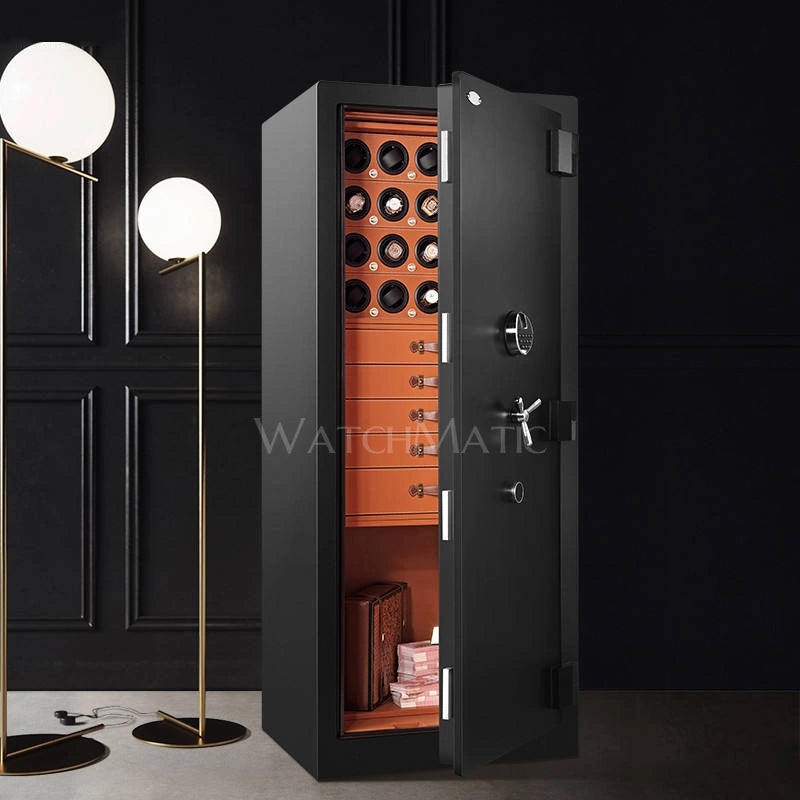
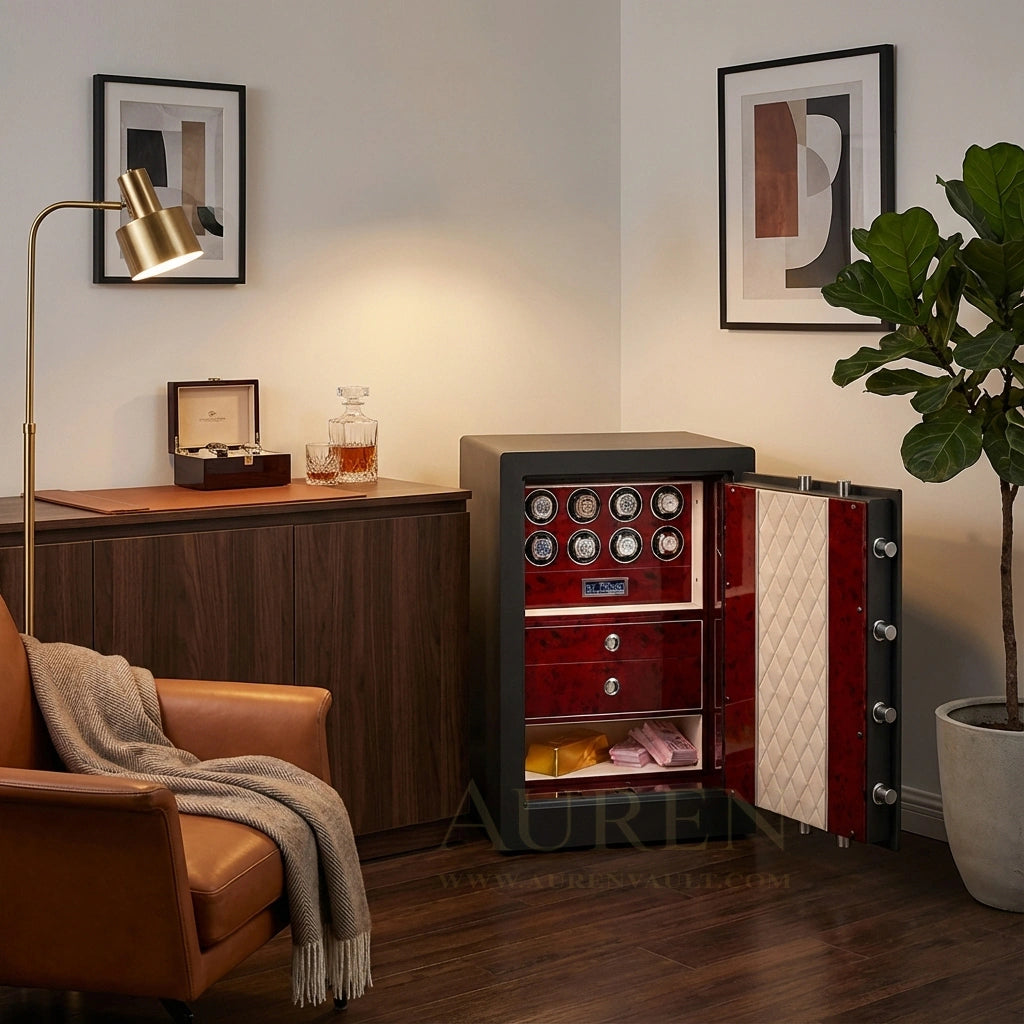
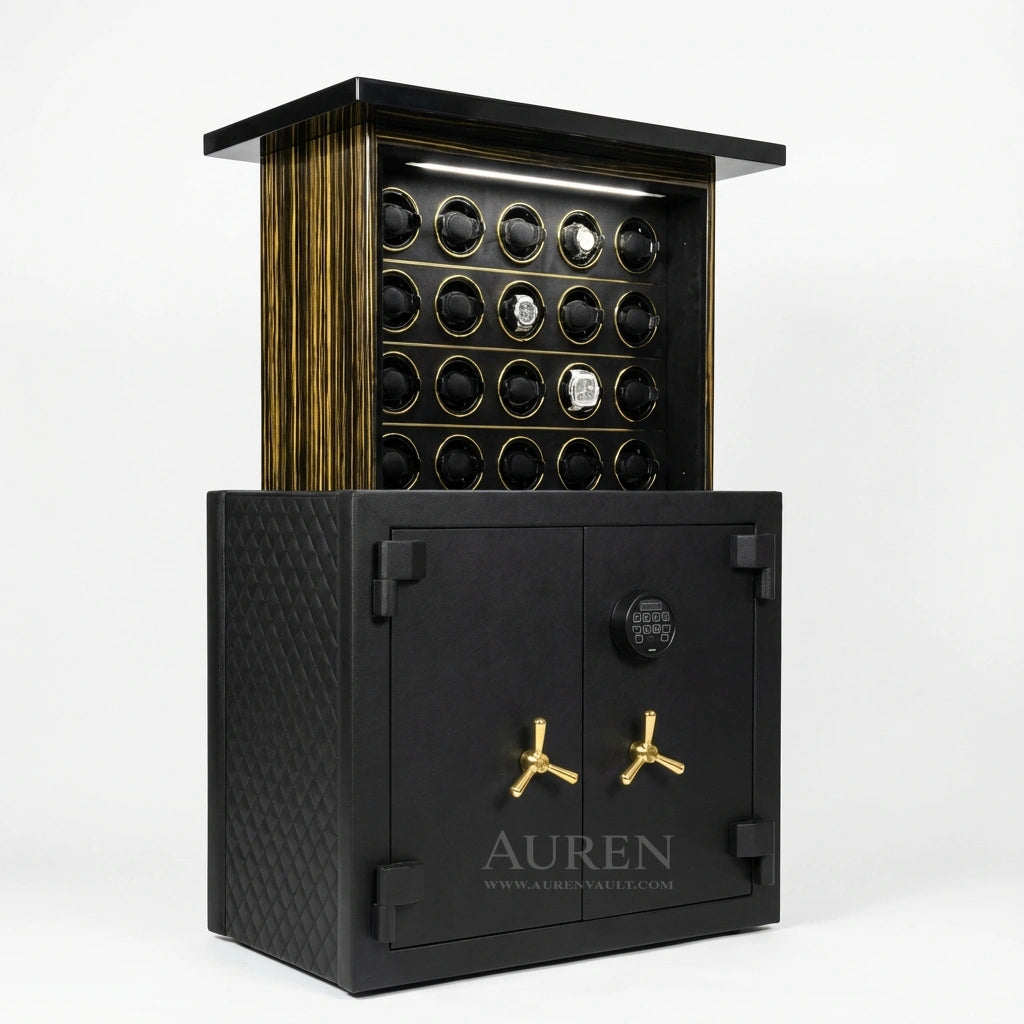
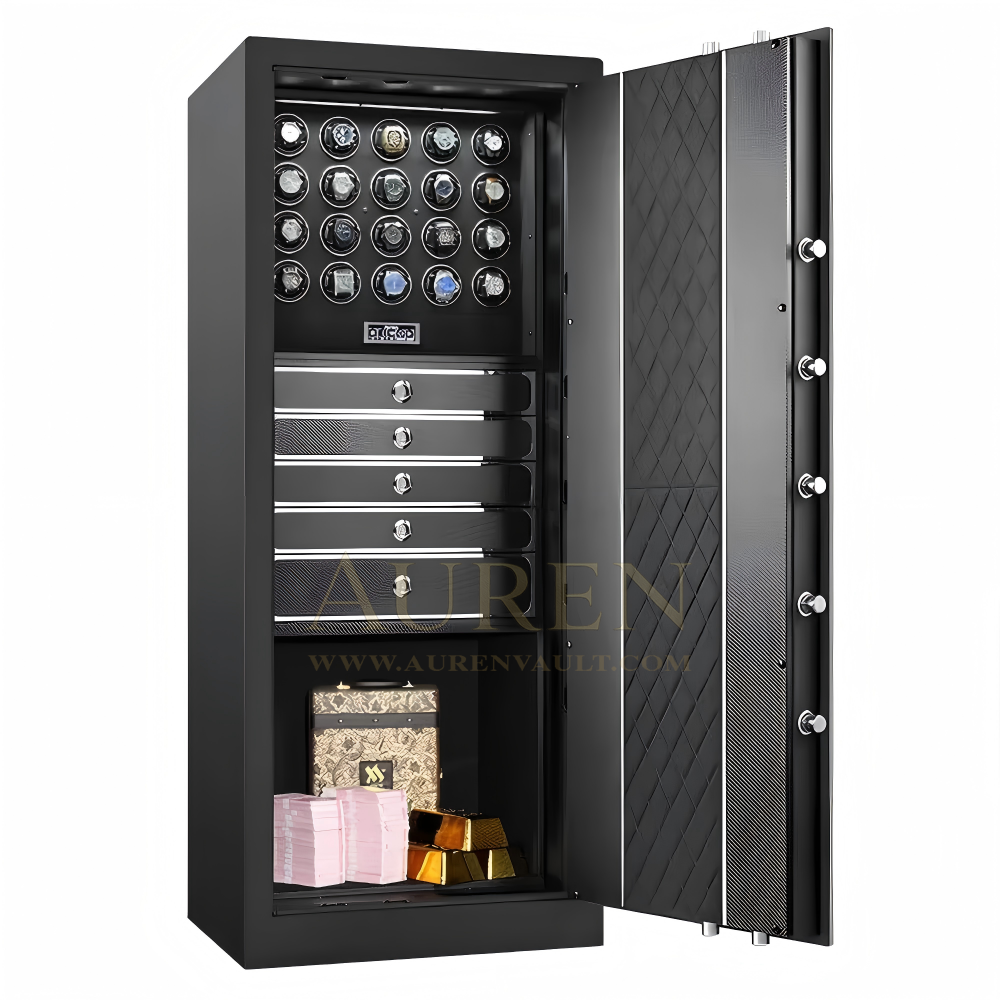
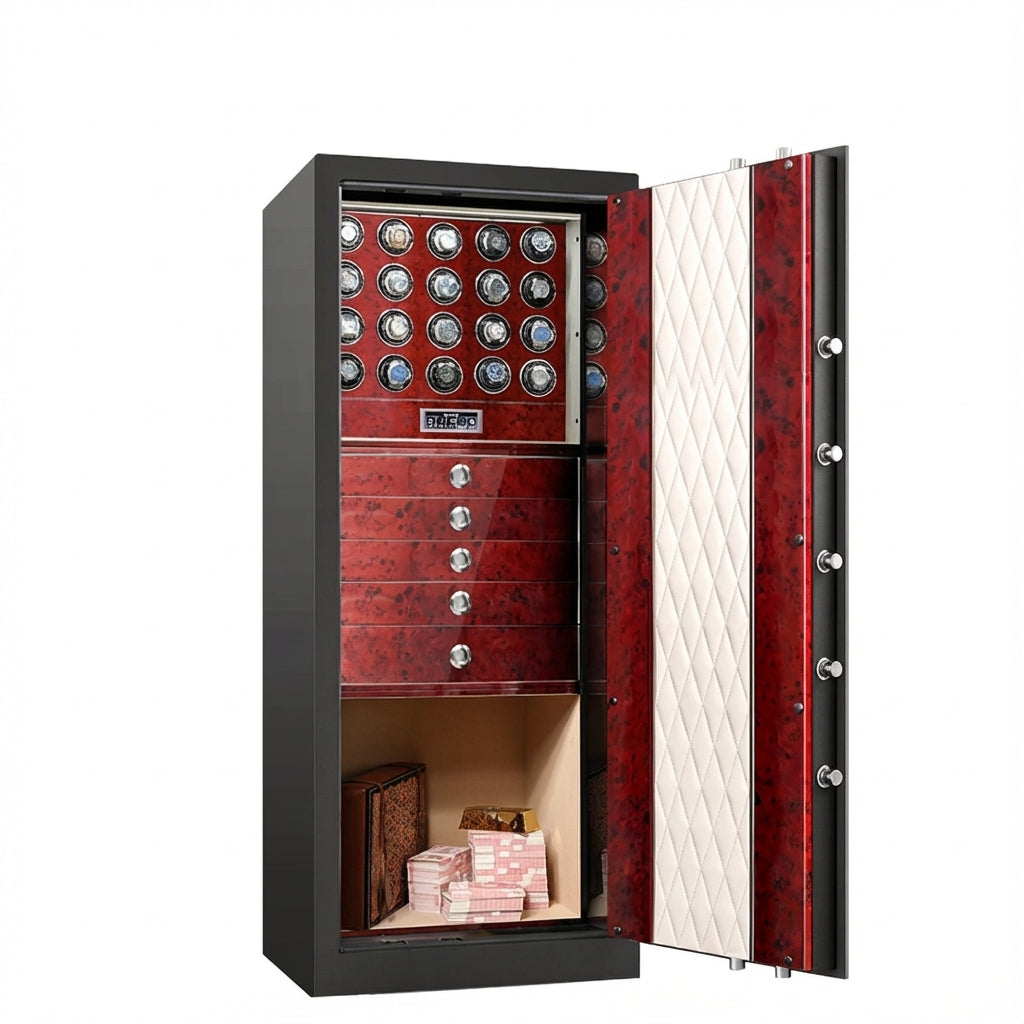
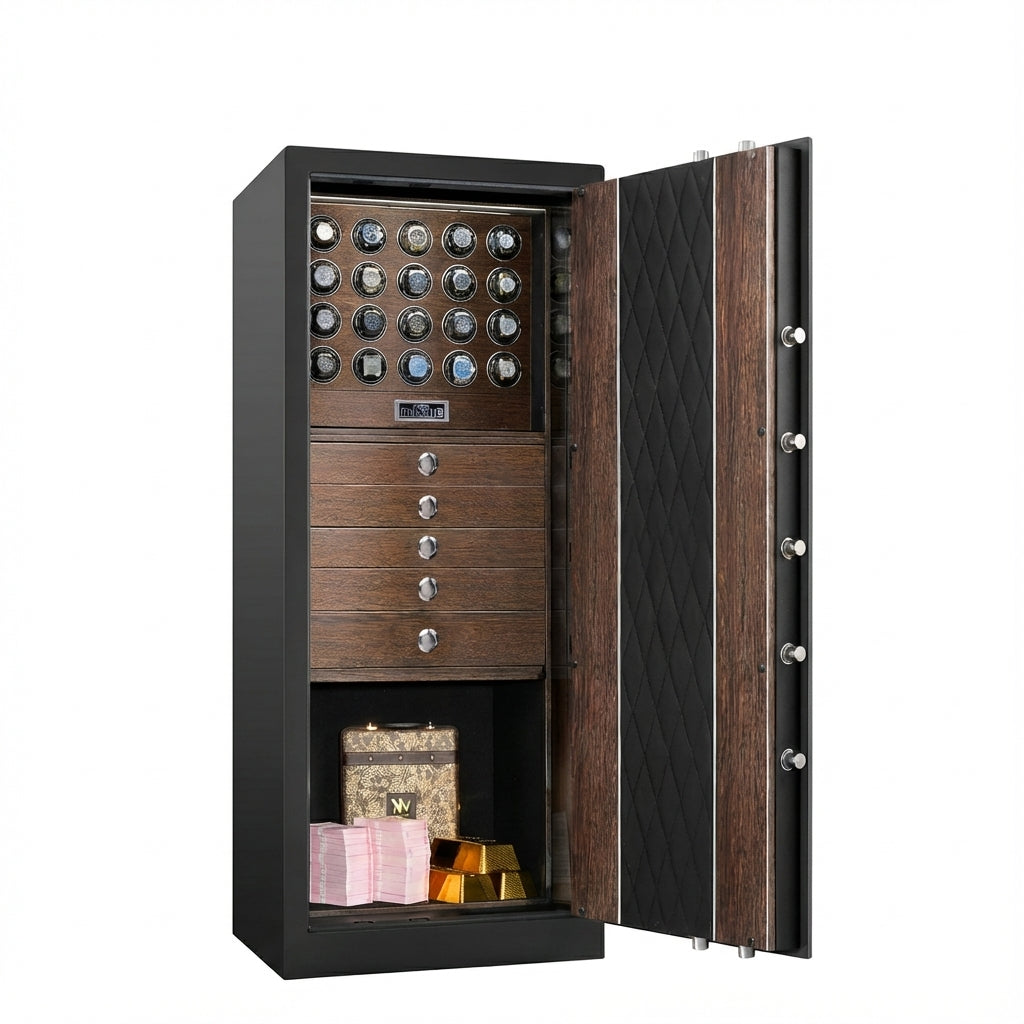
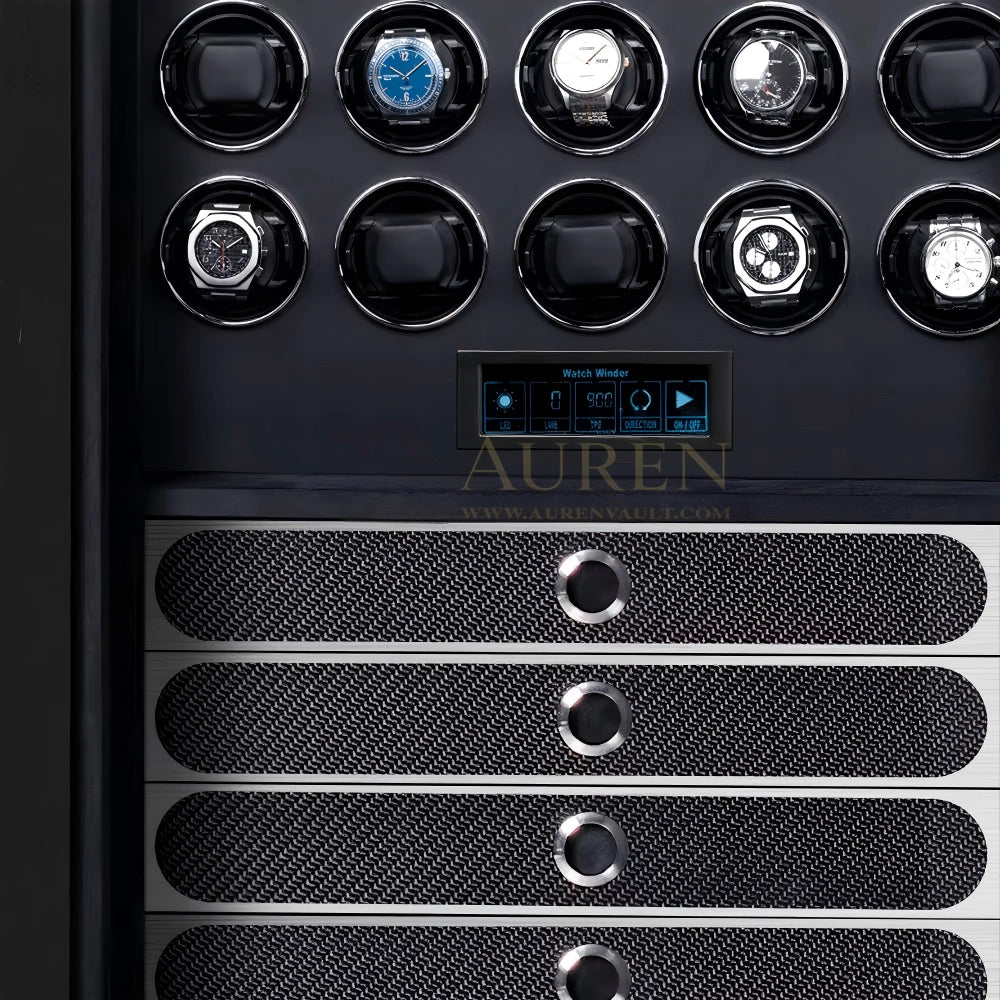
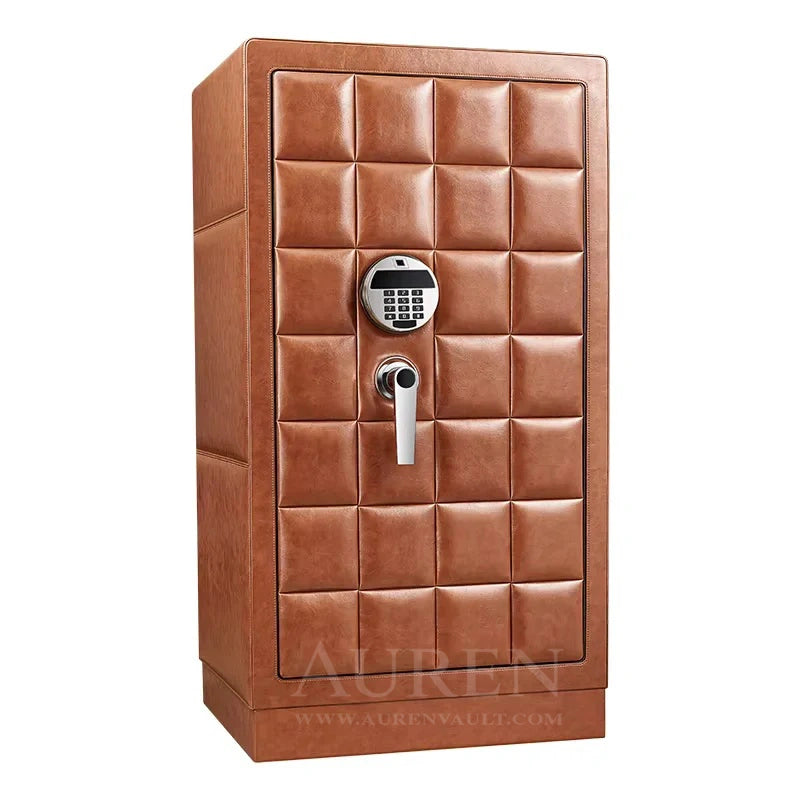
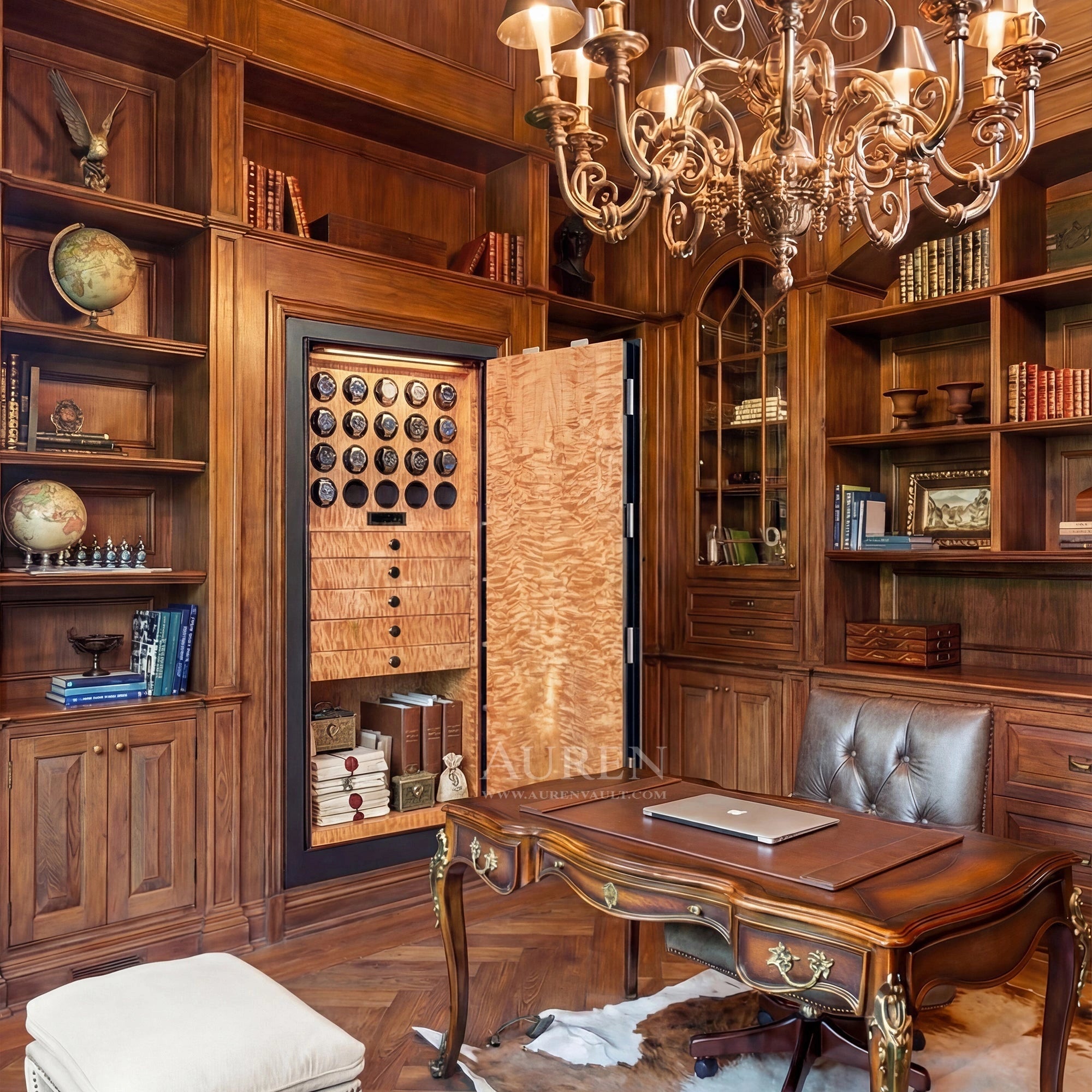
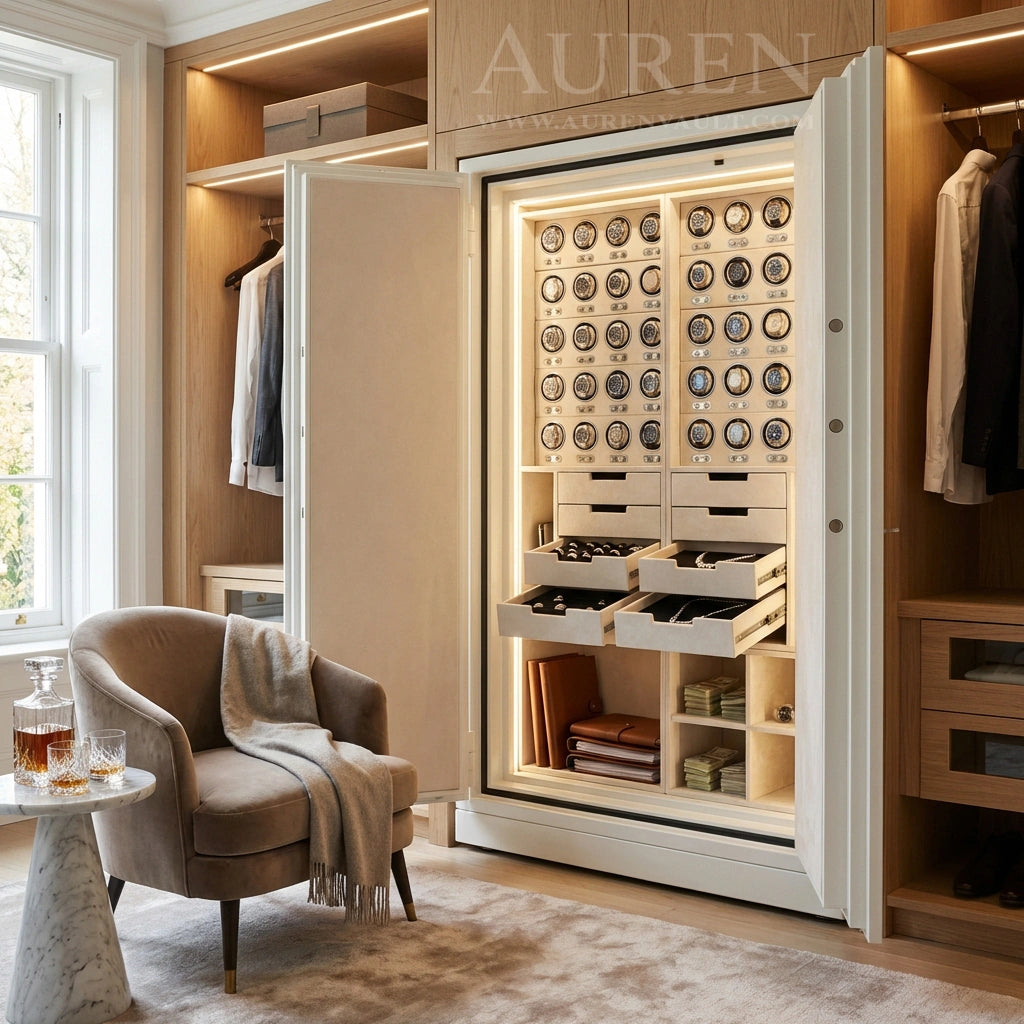
A watch winder safe can combine automatic winding modules with stationary compartments inside one enclosure.
However, the safe's actual protective characteristics must be evaluated separately from its winding functionality.
Security depends on construction, locking systems, installation, and documented ratings.
The watch winder safe guide provides additional information on evaluating these arrangements.
Planning for a Larger Independent-Watchmaking Collection
Owners of several Laurent Ferrier watches may also collect other independent manufacture timepieces.
Some may use automatic micro-rotors.
Others may be manually wound or incorporate complicated calendars.
The number of required winding positions should reflect the actual composition of the collection rather than total watch count.
The broader watch safe collection offers different storage capacities.
For larger portfolios, luxury watch safes may provide expanded organization.
Where unusual case dimensions, strap configurations, or specific active/passive storage ratios make standard layouts unsuitable, custom watch safe configurations offer another approach.
The objective is to provide the correct environment for each watch without allocating unnecessary winding positions.
How to Set Up a Laurent Ferrier Automatic on a Winder
Begin with the exact reference and calibre.
Confirm that the movement is automatic.
An FBN 229.01, LF230.02, or LF270.01 can potentially benefit from external winding.
An LF116.01, LF126.02, or LF619.01 cannot.
For a confirmed automatic, obtain the correct TPD and effective winding direction.
If the movement has stopped, restart it according to its original instructions.
A winder should generally maintain an existing reserve rather than be treated as a substitute for appropriate initial winding.
Next, mount the watch on a suitable cushion.
Check that the strap or bracelet is not overstretched.
Ensure that the case and any external controls remain clear of the enclosure.
Select the verified program and allow the device to complete its operating and resting cycles.
Observe whether the watch maintains adequate power over several days.
If it stops repeatedly, review the direction, daily rotations, starting reserve, and mechanical condition before increasing TPD.
Persistent problems may require professional inspection.
Should Laurent Ferrier Automatics Stay on Winders Continuously?
No.
An automatic Laurent Ferrier does not mechanically require permanent external winding.
When left unworn, the movement continues operating until its available reserve is exhausted.
It can then be restarted according to the manufacturer's instructions.
For someone who wears the same Classic Micro-Rotor or Sport Auto frequently, a winder may offer limited additional convenience.
For a collector who rotates among several automatic watches, keeping them ready can be useful.
The Classic Traveller may provide a stronger practical reason for maintaining operation because its additional time-zone indications can require more adjustment after stopping.
However, a winder does not improve inherent movement accuracy or replace servicing.
For long-term storage, protection from excessive humidity, unsuitable temperatures, impacts, and unnecessary handling remains important.
The watch storage guide addresses broader care considerations for valuable timepieces.
Frequently Asked Questions About Laurent Ferrier Watch Winders
What is the best watch winder for Laurent Ferrier watches?
A programmable winder with adjustable TPD, selectable rotation direction, controlled rest periods, and secure cushioning is the best general choice for automatic Laurent Ferrier movements.
How many TPD does a Laurent Ferrier automatic need?
There is no single verified universal TPD setting for all Laurent Ferrier automatics. The correct program should be confirmed for the exact calibre.
Does the Classic Micro-Rotor need a winder?
No. Its FBN 229.01 can receive sufficient winding through regular wear. A compatible winder is optional and useful when the watch remains unworn for extended periods.
Is FBN 229.01 automatic?
Yes. It is an automatic movement using a pawl-fitted micro-rotor and approximately 72 hours of reserve.
What is the difference between FBN 229.01 and LF270.01?
Both are automatic micro-rotor movements. The FBN 229.01 uses a natural escapement, while the LF270.01 uses a Swiss lever escapement and a different micro-rotor construction.
Does a micro-rotor require higher TPD?
Not automatically. Rotor diameter alone does not determine the movement's effective winding requirement.
Does the Classic Traveller need a special winding direction?
The LF230.02 uses a unidirectional micro-rotor winding system. The effective external winder direction should be confirmed for the exact movement and device.
Is the Laurent Ferrier Sport Auto automatic?
Yes. Selected Sport Auto references use the automatic LF270.01 micro-rotor movement with approximately 72 hours of reserve.
Can a Classic Auto use a winder?
Yes. The Classic Auto uses the automatic LF270.01 in documented references.
Does the Classic Origin need a watch winder?
No. The LF116.01 is manually wound and cannot receive energy through conventional external rotation.
Can a winder maintain the Classic Moon calendar?
No. The LF126.02 is manually wound. The owner must follow the watch's manual winding and calendar-setting instructions.
Is the Grand Sport Tourbillon automatic?
No. The LF619.01 is manually wound.
Does an 80-hour reserve mean 800 TPD?
No. Power reserve and TPD describe different characteristics, and there is no direct numerical conversion.
Can a watch winder overwind a Laurent Ferrier automatic?
Modern automatic movements generally incorporate mechanisms to limit excessive mainspring tension. Nevertheless, the correct program and rest periods are preferable to unnecessary rotation.
Is a watch winder safe suitable for Laurent Ferrier collectors?
It can be appropriate when the collection includes automatic micro-rotor watches alongside manually wound pieces requiring protected passive storage.
Related Reading
For collectors interested in micro-rotor movements, high-end mechanics, and secure storage:
-
Best Watch Winder for Vacheron Constantin Watches — Selecting movement-specific winding programs for manufacture watches.
-
Best Watch Winder for Jaeger-LeCoultre: TPD & Care Guide — Understanding automatic and manually wound calibres.
-
Watch Safes with Built-In Watch Winders: Are They Worth It? — Choosing between standalone winding and integrated secure storage.
Final Thoughts: Precision Matters More Than Maximum Rotation
Laurent Ferrier's movements demonstrate why a watch winder should be selected by calibre.
The FBN 229.01, LF230.02, and LF270.01 use specialized automatic micro-rotor systems and can benefit from compatible winding.
The Classic Origin LF116.01, Classic Moon LF126.02, and Grand Sport Tourbillon LF619.01 are manually wound and require a different approach.
For the automatic movements, the correct direction and TPD should be verified rather than inferred from rotor size or power reserve.
For manually wound watches, protected passive storage is more appropriate.
A well-planned collection system can combine precise winding modules with stationary compartments, suitable cushioning, and considered physical security.
At Auren Vault, the focus is on bringing reliable winding, refined presentation, and practical protection together for serious watch collectors.
Ultimately, the best Laurent Ferrier watch winder is not the one offering the highest rotation count.
It is the one that respects the movement's engineering, supports the watch securely, and provides useful convenience without unnecessary mechanical activity.