
As watch collections grow in value, many collectors begin considering insurance protection for their timepieces. Luxury watches can represent significant financial assets, and insurance policies are designed to help protect collectors against risks such as theft, loss, or accidental damage.
Watch insurance typically requires collectors to provide documentation about their watches and the conditions in which they are stored. Insurers may evaluate several factors before issuing or pricing a policy, including:
- total value of the watch collection
- documentation such as purchase receipts or appraisals
- storage conditions inside the home
- presence of a secure storage solution such as a safe
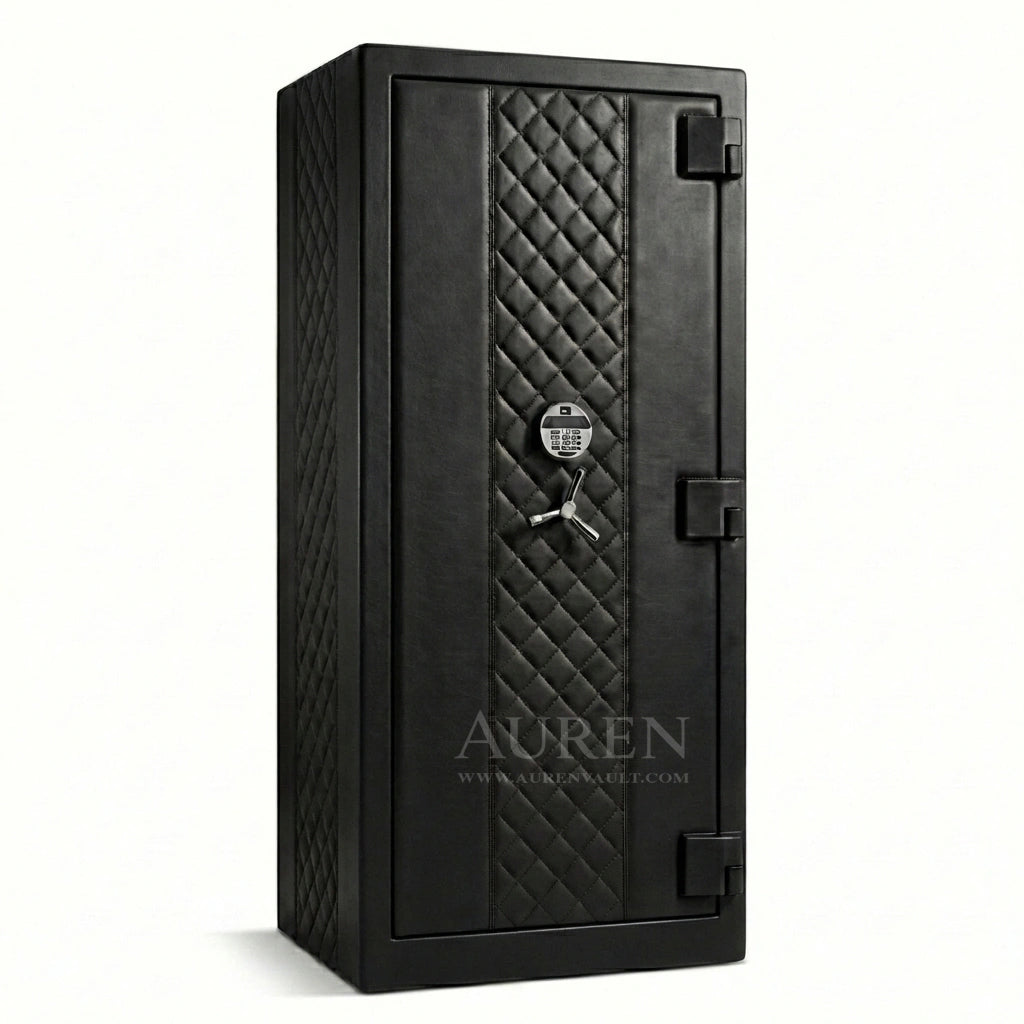
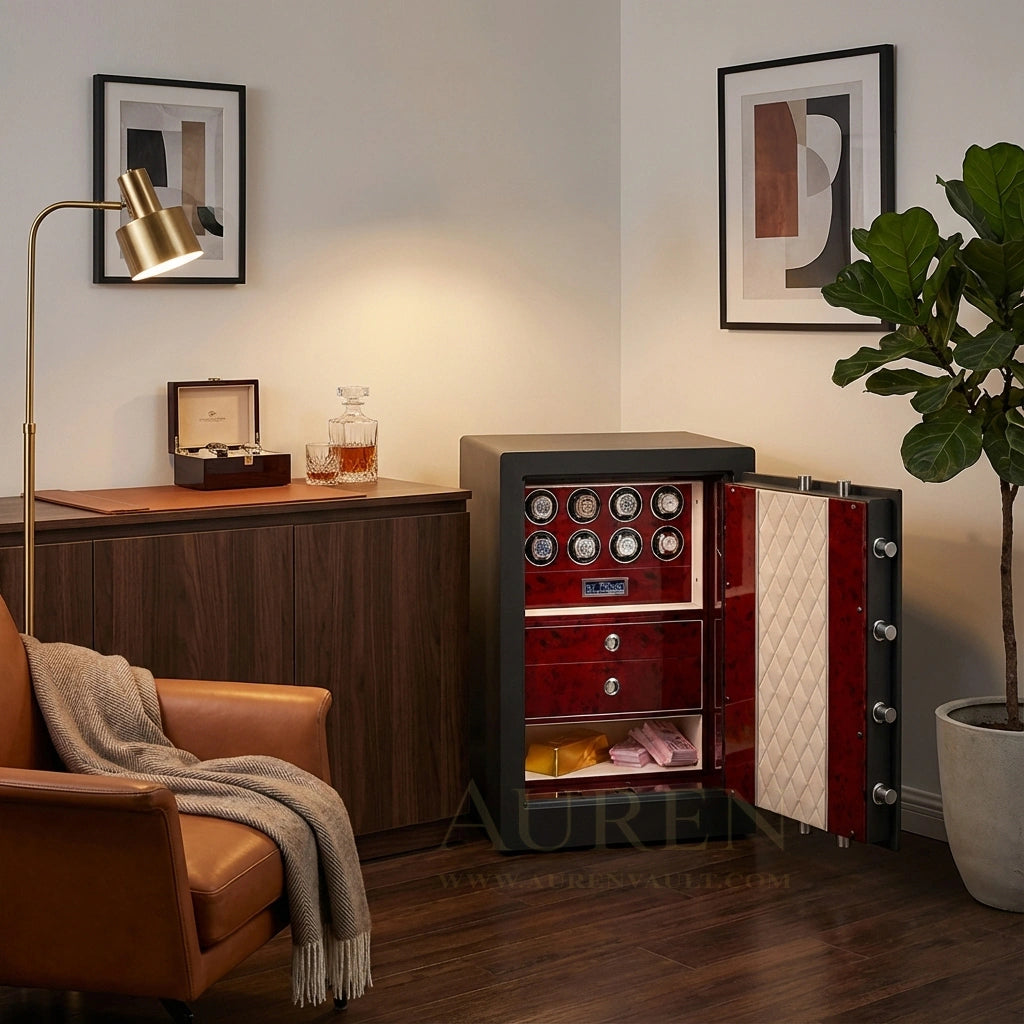
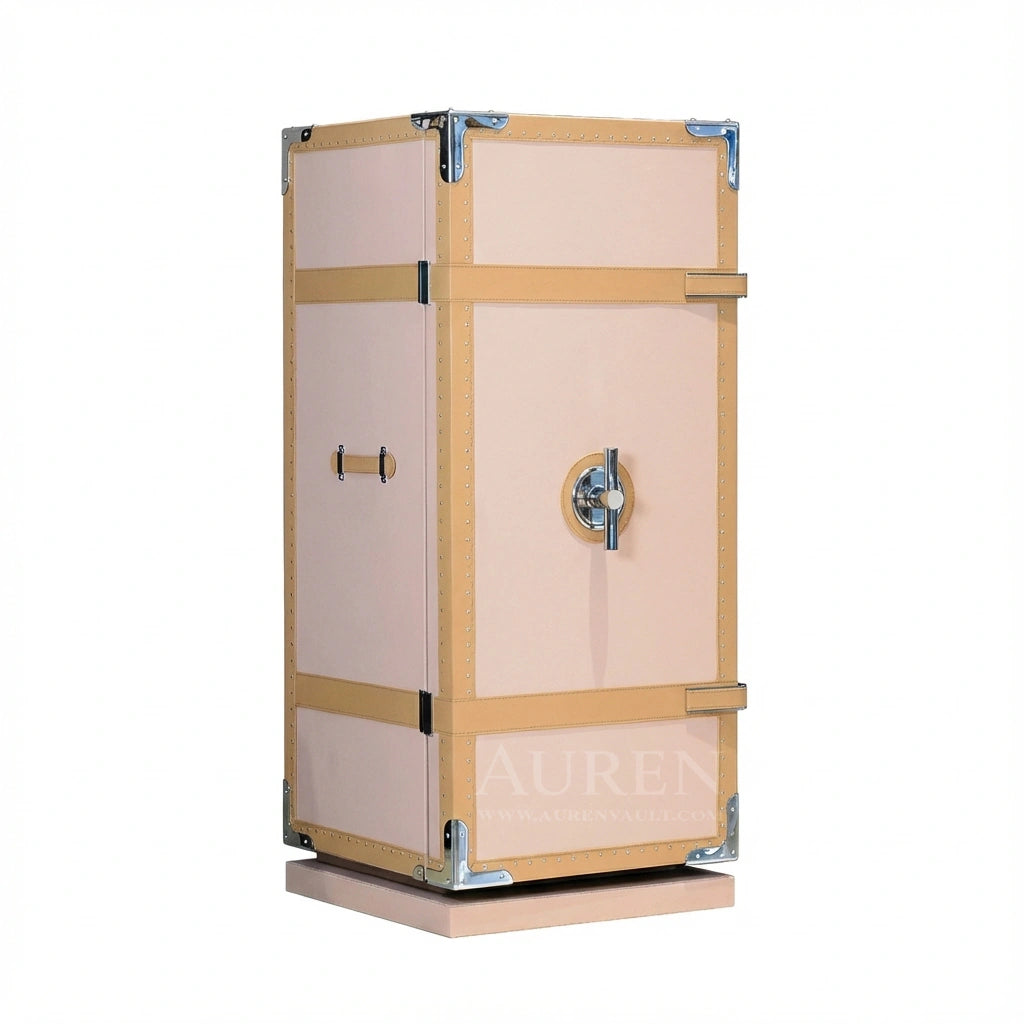
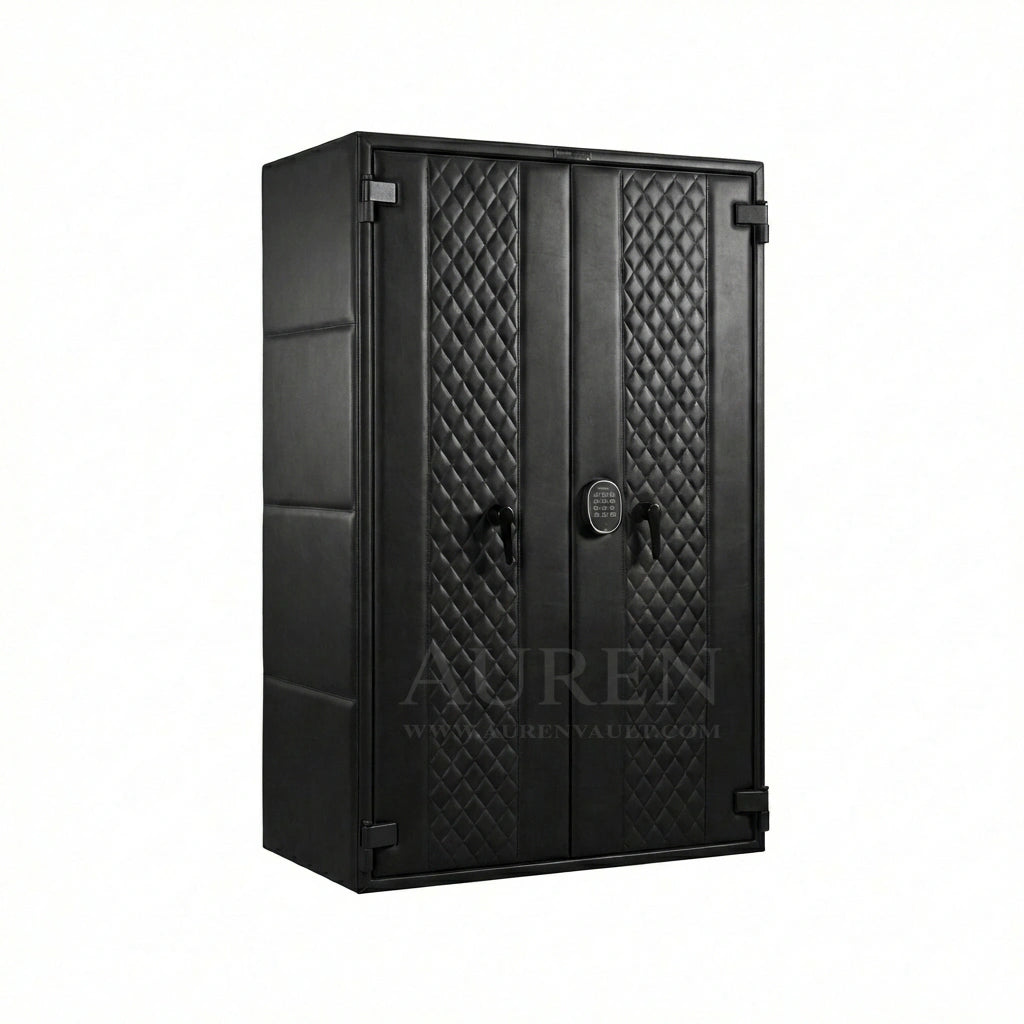
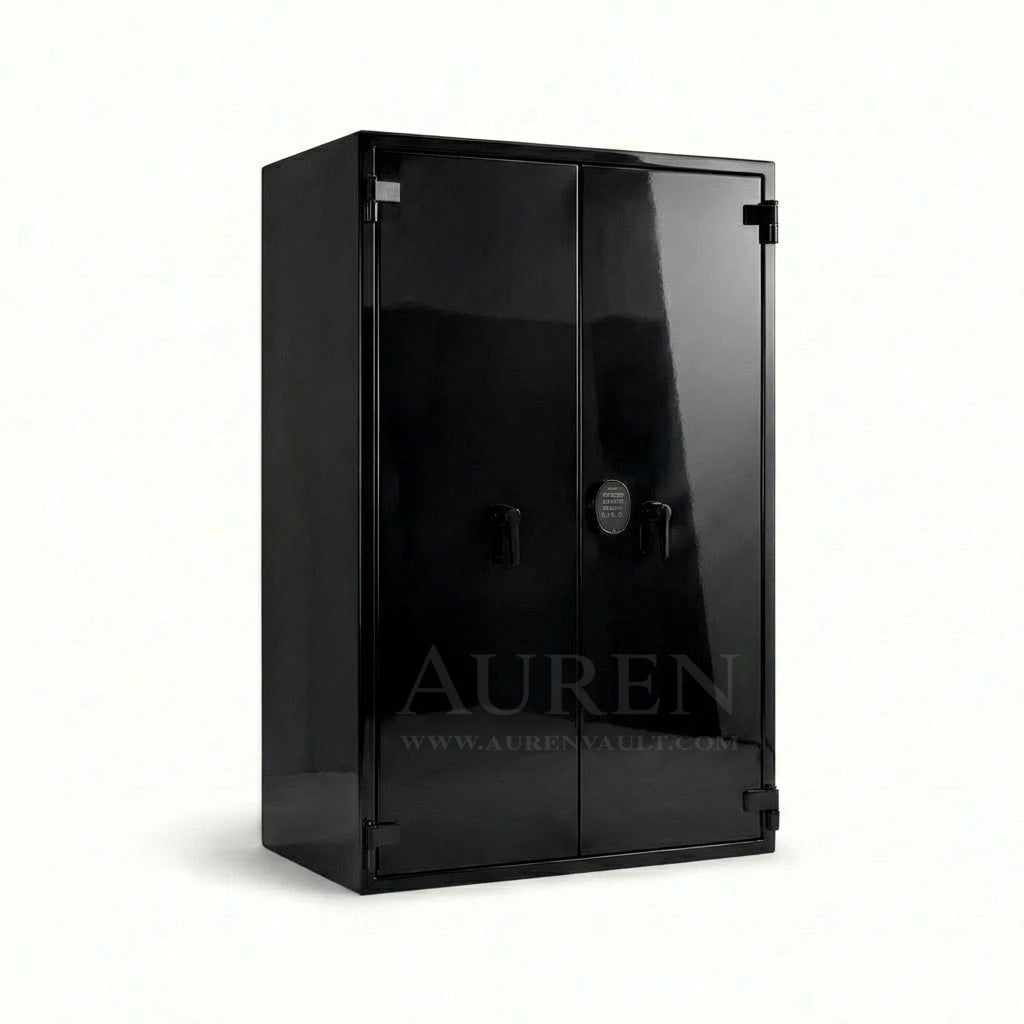
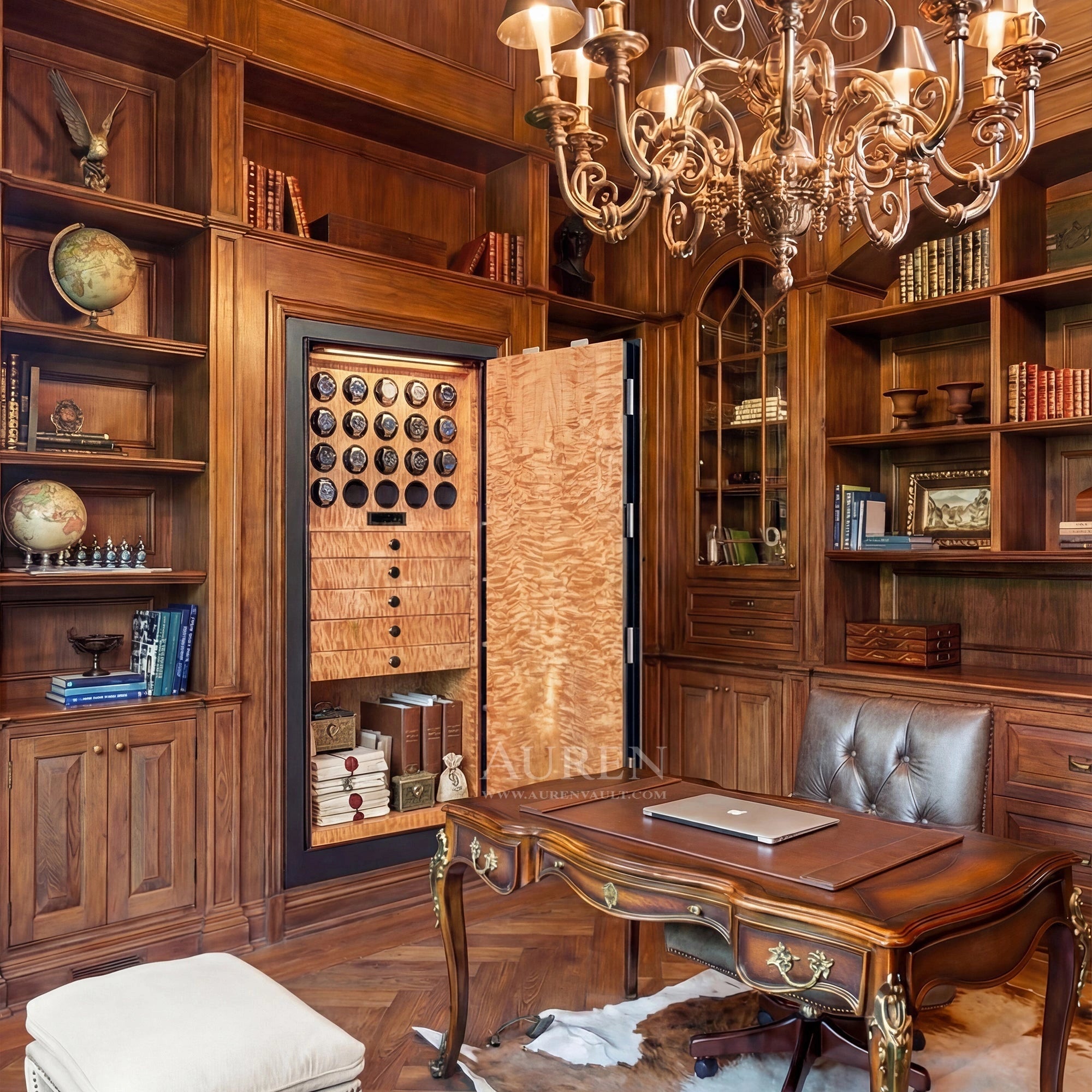
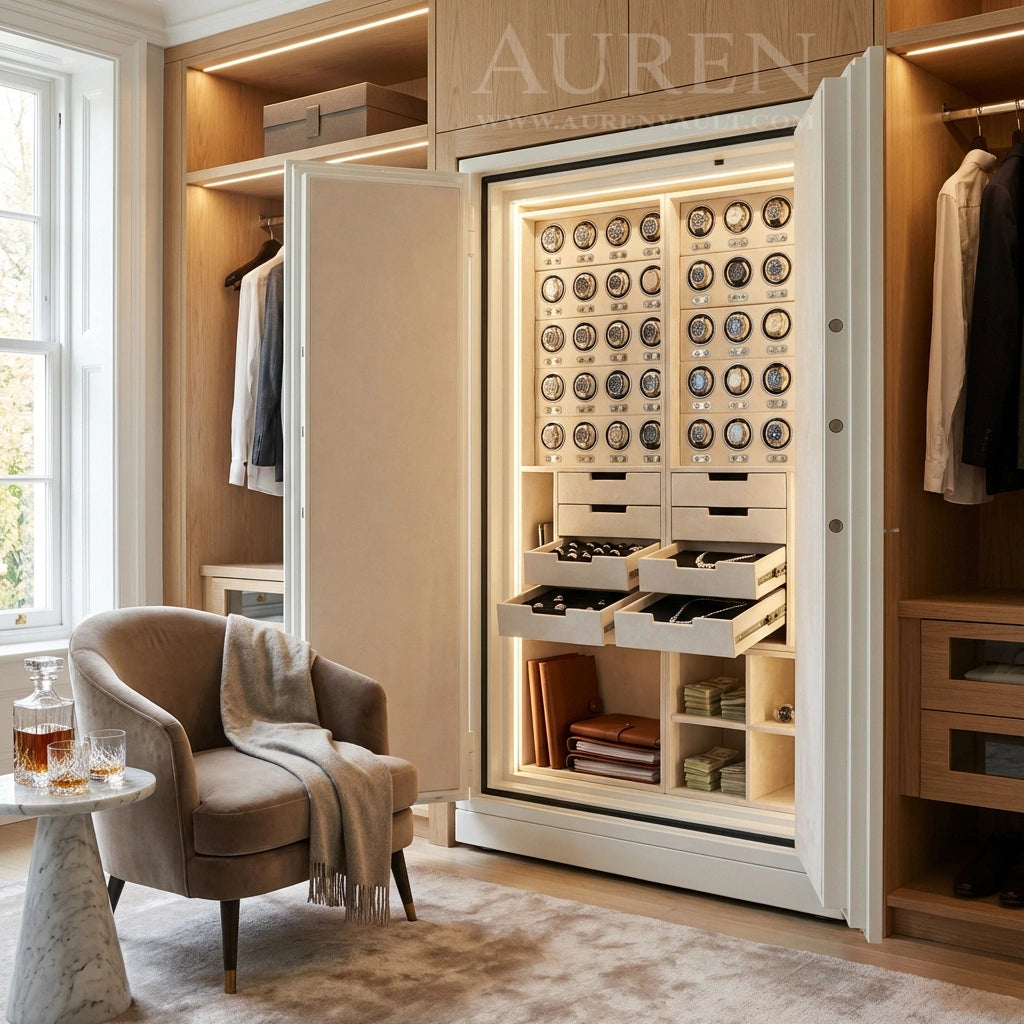
A watch safe is a specialized security safe designed to protect luxury watch collections from theft, fire exposure, and accidental damage. For many insurers, secure storage inside a certified safe may help reduce the risk profile of a high-value watch collection.
Why Insurance Is Important for Watch Collections
Luxury watches often represent a significant financial investment. Over time, collectors may accumulate several watches with substantial combined value.
Unlike many consumer goods, certain mechanical watches maintain strong resale value and may even appreciate. This makes watch collections similar to other valuable assets such as jewelry or artwork.
Because watches are portable and valuable, they are sometimes targeted for theft. Collectors researching this risk often explore why luxury watches are targeted by thieves to better understand the importance of secure storage.
Insurance provides financial protection if watches are stolen, damaged, or lost. However, insurers often evaluate how the watches are stored before determining coverage terms.
Documentation Insurers Typically Require
Before issuing a policy, insurance providers usually require documentation verifying the existence and value of the watches being insured.
Common documentation may include:
- purchase receipts or invoices
- independent appraisals
- serial numbers or reference numbers
- photographs of the watches
This documentation helps establish the value of each watch and allows insurers to determine appropriate coverage limits.
Collectors with growing watch collections often maintain detailed records for each timepiece to simplify the insurance process.
Storage Requirements for High-Value Collections
For high-value watch collections, insurers sometimes require secure storage conditions inside the home.
The purpose of these requirements is to reduce the likelihood of theft.
Collectors storing valuable watches at home may be asked whether they use a safe and what level of security it provides.
A watch safe functions as a dedicated security environment designed specifically for protecting luxury watch collections.
Collectors researching secure storage solutions often begin by understanding what a watch safe is and how specialized watch safes differ from general-purpose safes.
Burglary Certification and Insurance Considerations
In some cases, insurers may consider whether a safe has been tested under recognized burglary resistance standards.
Certain safes are tested under European burglary resistance standards such as Grade G1 or Grade G3, which evaluate how long a safe can resist attack attempts using specialized tools.
While specific requirements vary by insurer and policy, burglary-certified safes may demonstrate that the safe has been engineered to provide meaningful protection against forced entry.
Collectors seeking secure storage options often explore certified fire-resistant watch safes designed for valuable watch collections.
Fire Protection and Insurance Risk Assessment
Insurance companies may also consider the risk of fire exposure when evaluating valuable assets stored inside homes.
Some safes incorporate fire-resistant insulation tested under European standards such as:
- EN 15659 – LFS 30 P
- EN 15659 – LFS 60 P
These certifications indicate that the safe has been tested to protect its contents from heat during controlled fire conditions.
For collectors storing watches inside residential properties, combining burglary resistance with fire protection can provide an additional layer of risk mitigation.
The Role of Watch Winder Safes
Many collectors store automatic watches, which rely on wrist motion to remain powered.
When these watches are stored for extended periods, their movements may stop if they are not periodically wound.
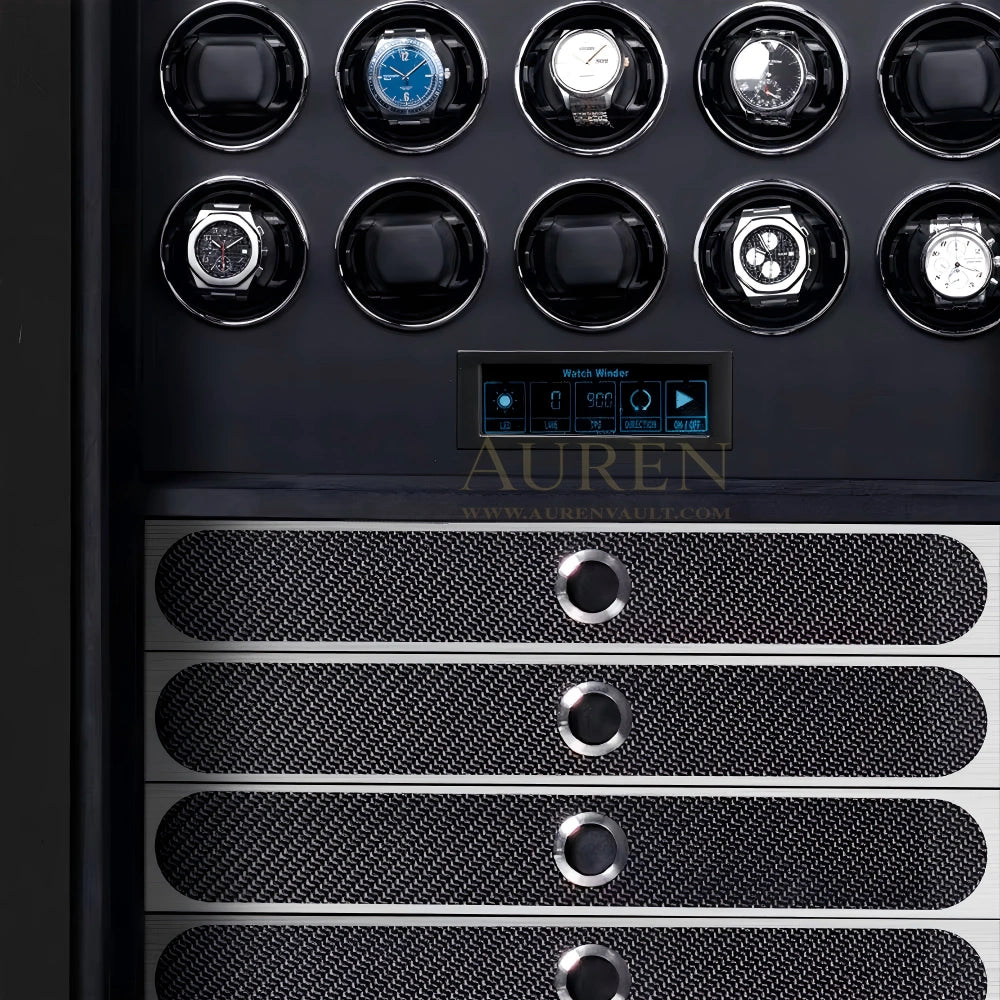
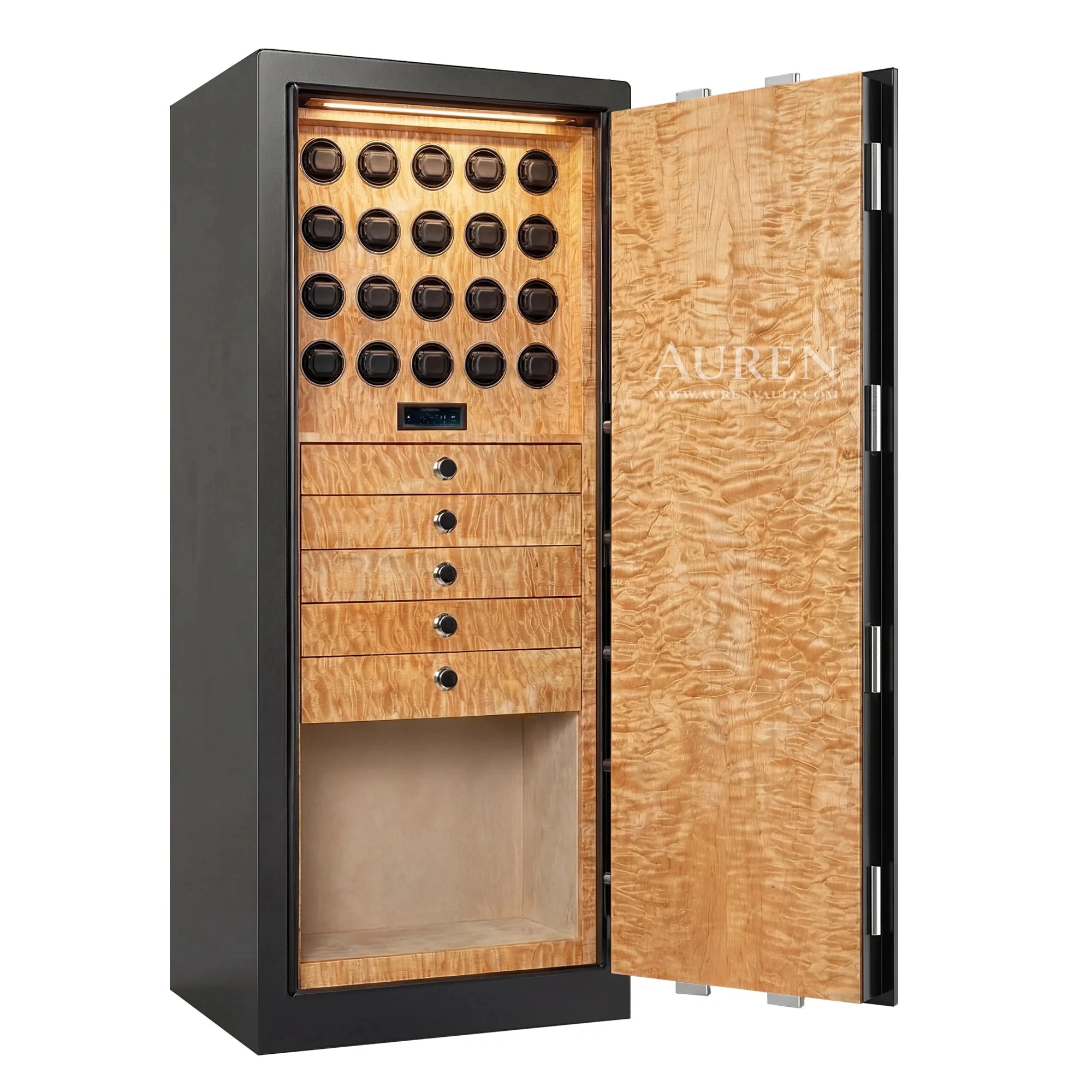
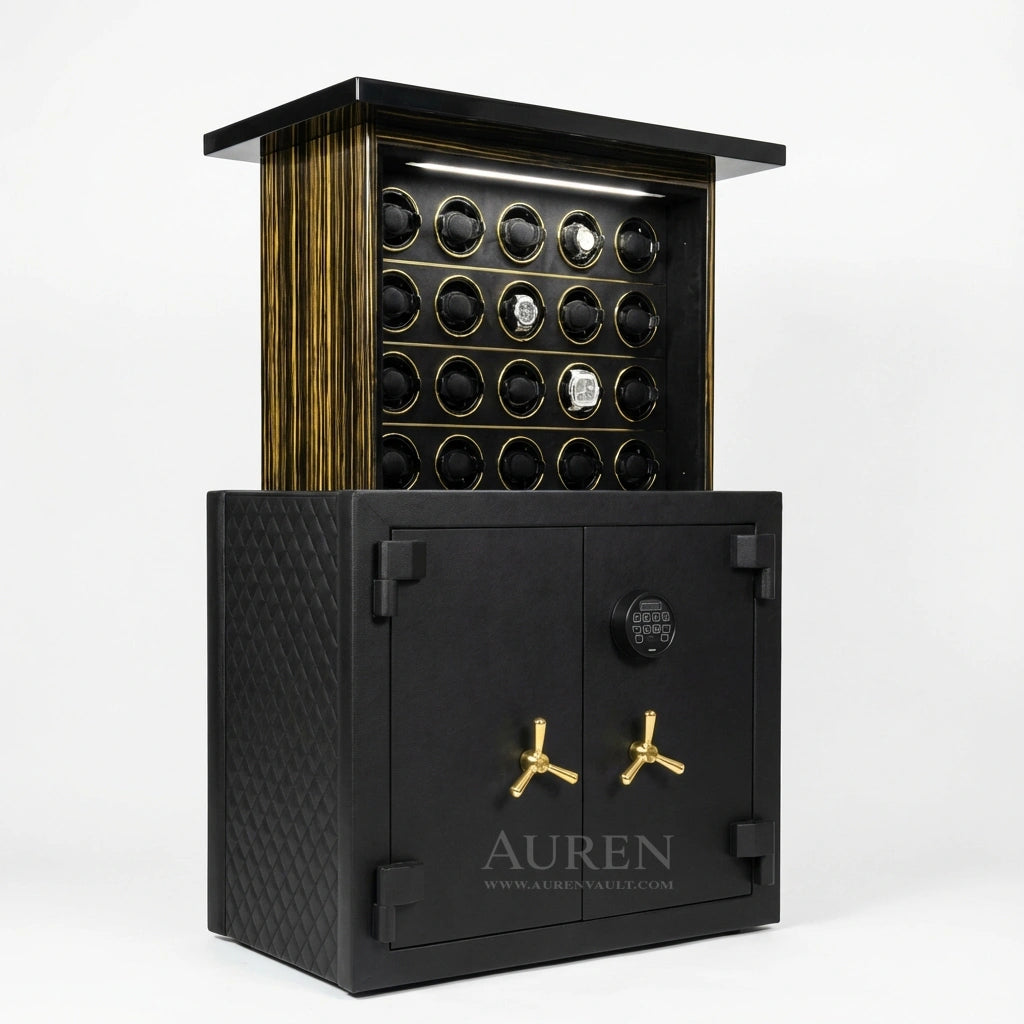
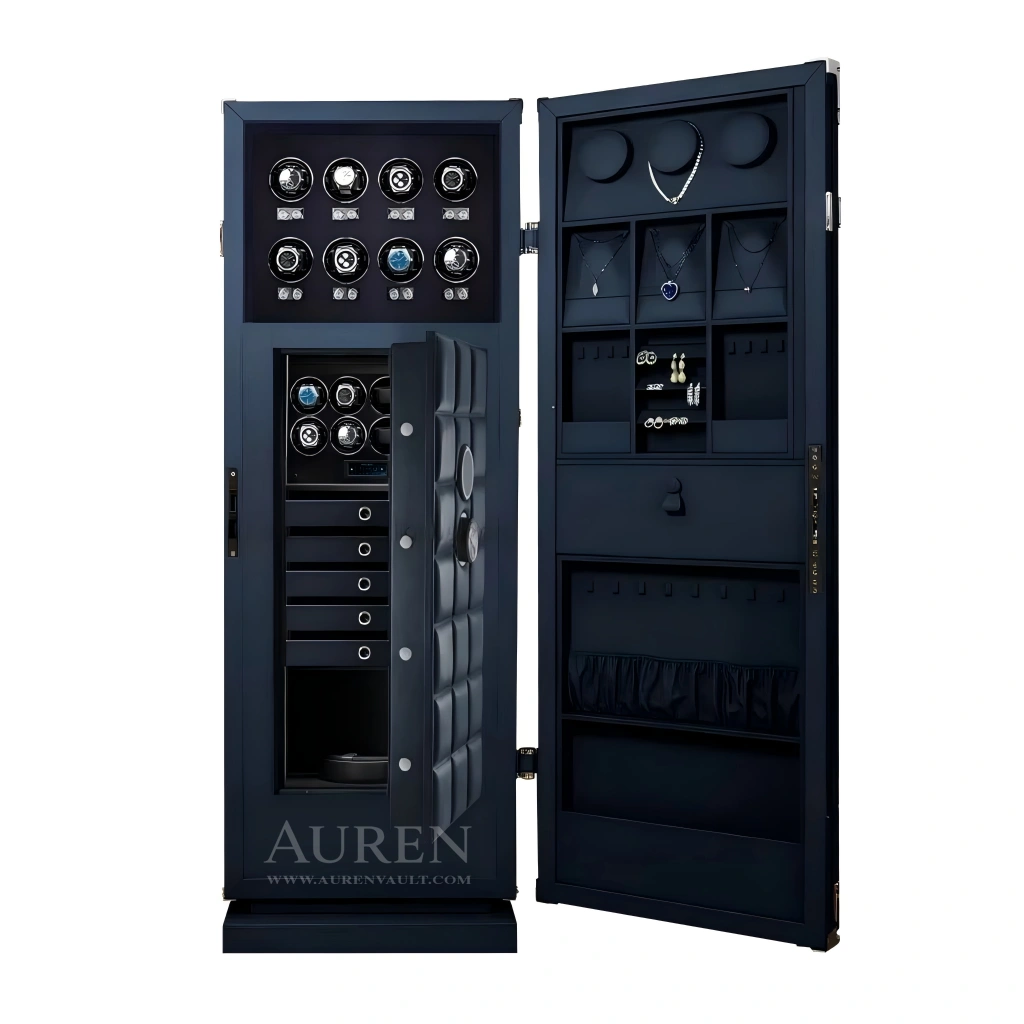
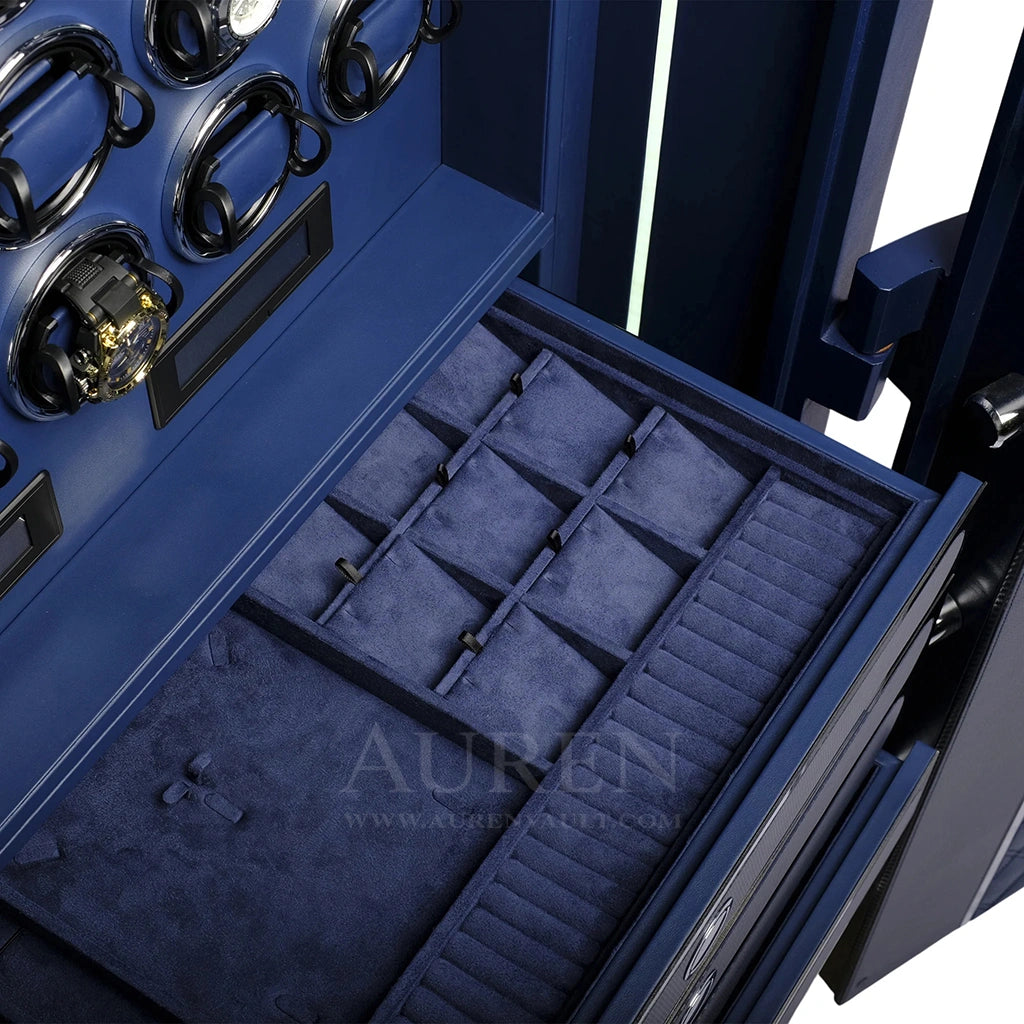
A watch winder safe combines secure storage with integrated winding systems that rotate watches periodically to maintain their power reserve.
Collectors interested in this type of storage solution often explore watch winder safes, which combine watch maintenance with security.
Custom Safes for Large Watch Collections
Collectors with larger watch collections may require more specialized storage systems.
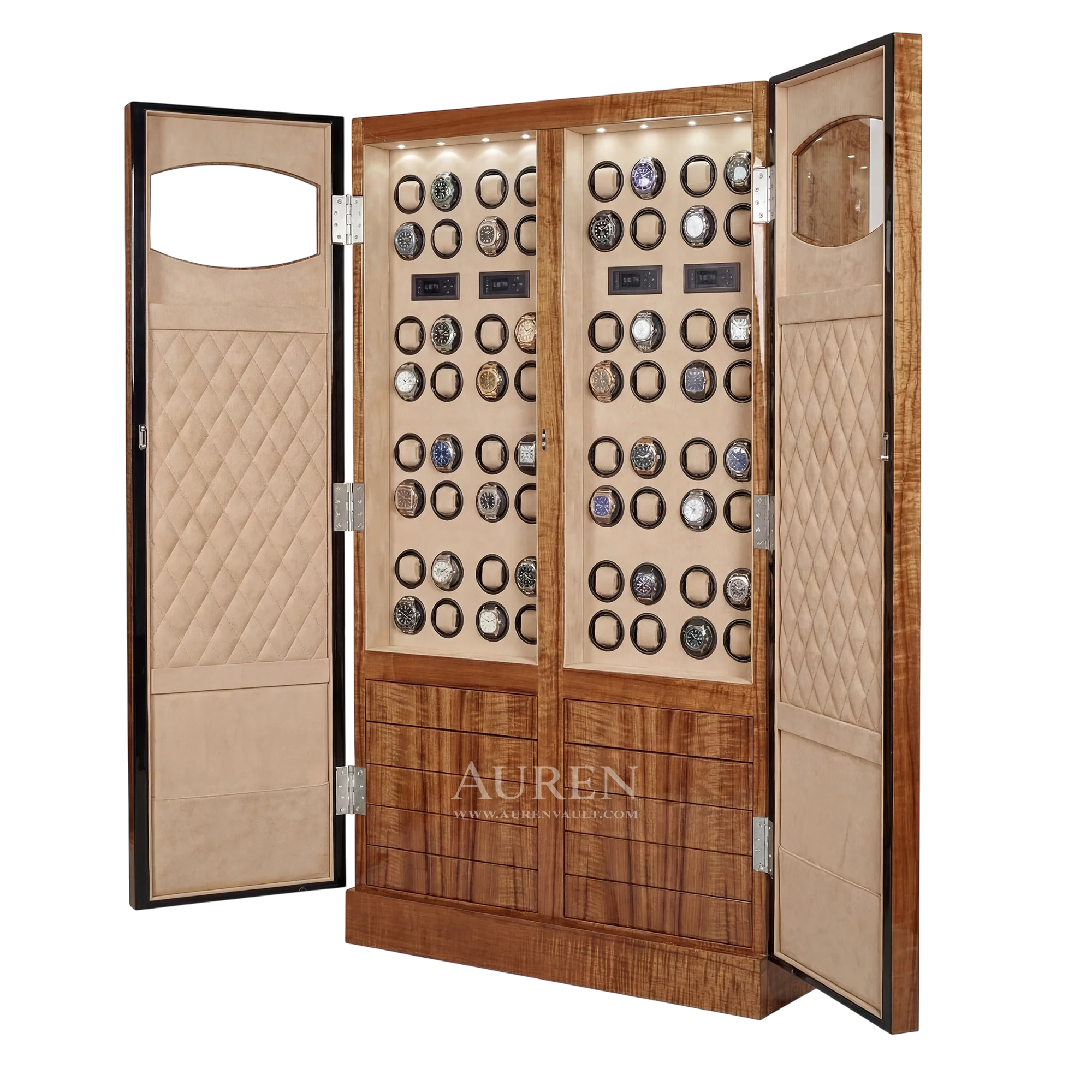
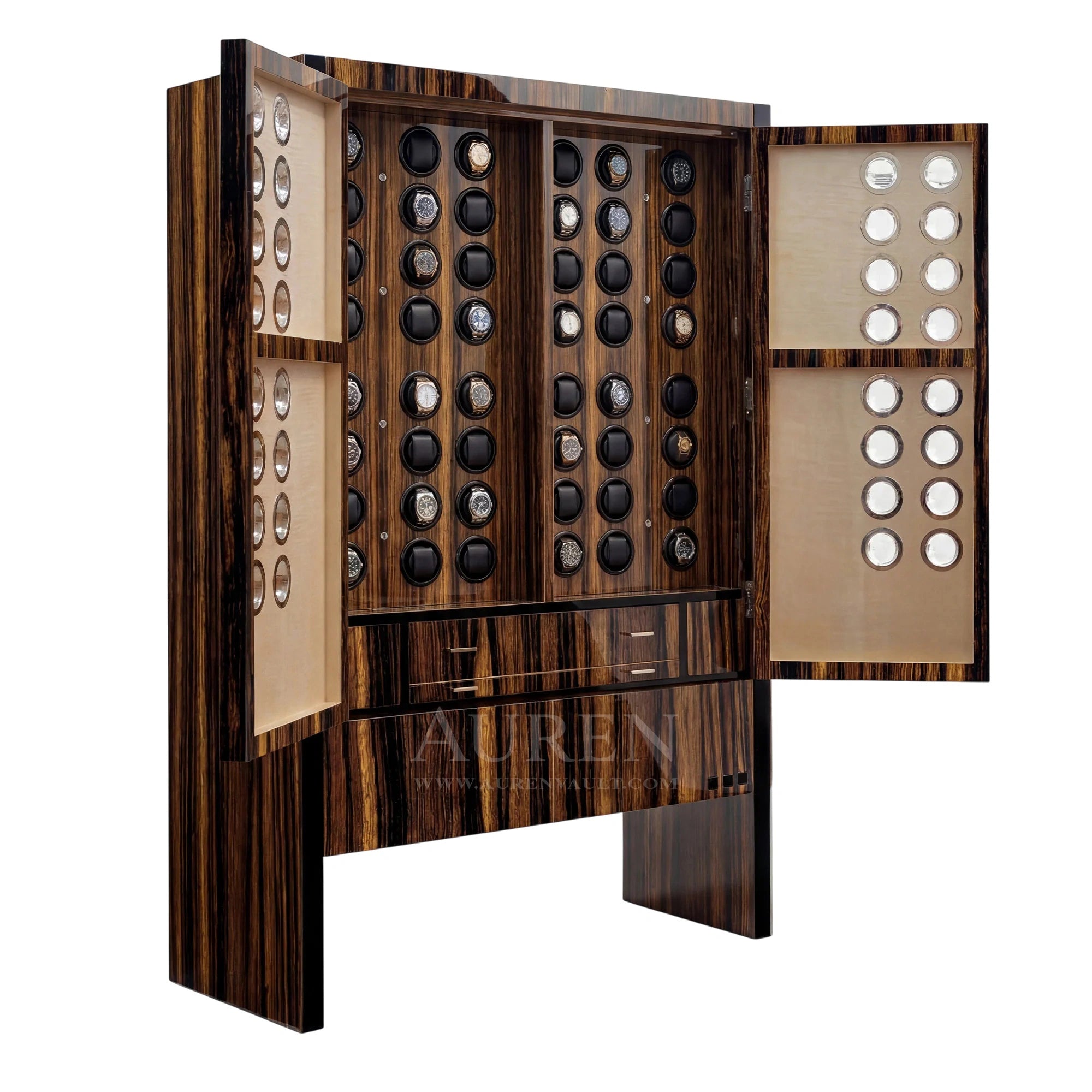
A custom watch safe allows collectors to design interior layouts tailored to their specific collection size and storage preferences.
Customization options may include:
-
adjustable watch capacity
-
integrated watch winders
-
drawer compartments for accessories
-
luxury interior finishes
Collectors exploring personalized storage solutions may review custom watch safe configurations designed for high-value collections.
Certain manufacturers, including Auren, design watch safes specifically for collectors who require both secure storage and organized interiors for luxury timepieces.
Watch Box vs Watch Safe for Insurance
Many collectors initially store watches in display boxes. However, from a risk perspective, watch boxes provide minimal protection.
| Storage Type | Security Level | Fire Protection |
|---|---|---|
| Watch Box | Low | None |
| Drawer Storage | Very Low | None |
| Standard Home Safe | Moderate | Possible |
| Watch Safe | High | Often Available |
Because watch boxes are primarily designed for organization and display, insurers may view them as inadequate protection for high-value collections.
Dedicated watch safes provide stronger security and may help reduce the risk profile associated with storing valuable watches at home.
Real-World Storage Practices Among Collectors
In many North American homes, collectors install safes inside interior closets, dressing rooms, or private offices.
These locations provide discretion and structural support.
Many floor-standing watch safes weigh 150–650 kg, which significantly increases resistance against removal attempts.
Because of this substantial construction, these safes function as independent security units designed to protect valuable assets.
Conclusion
Insurance can provide important financial protection for watch collectors, particularly as collections grow in value.
However, insurers often evaluate how watches are documented and stored before determining policy terms.
By maintaining accurate records and using secure storage such as burglary-resistant watch safes, collectors can help reduce risks associated with theft and environmental damage.
For many collectors, combining insurance coverage with proper storage represents a responsible approach to protecting valuable watch collections.