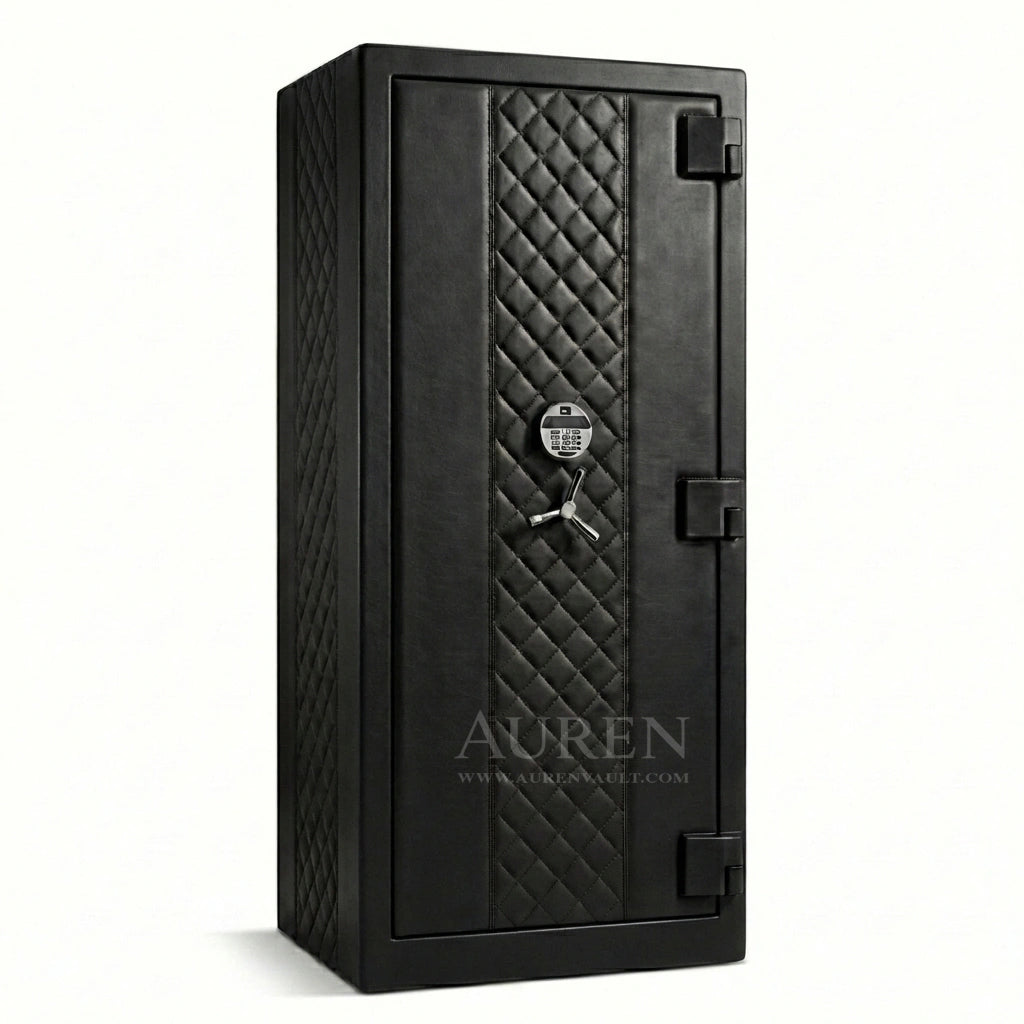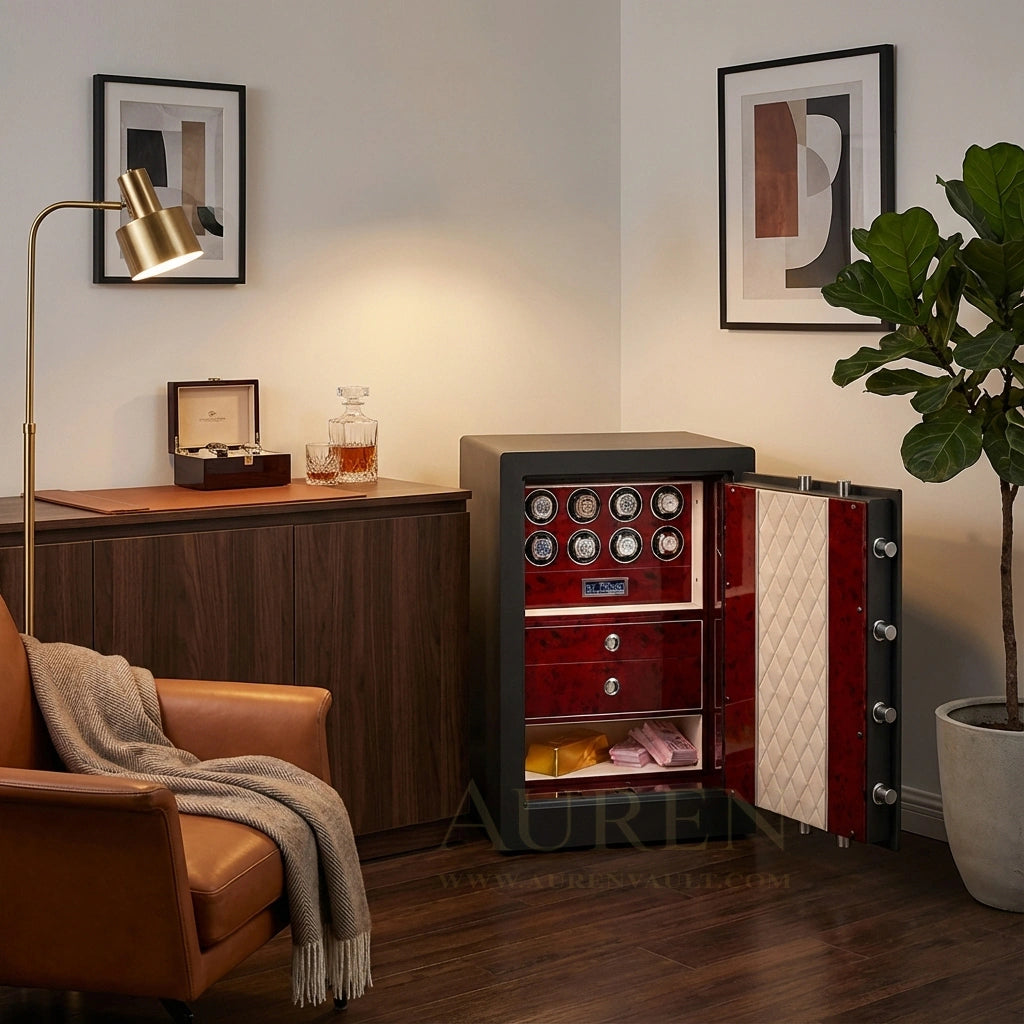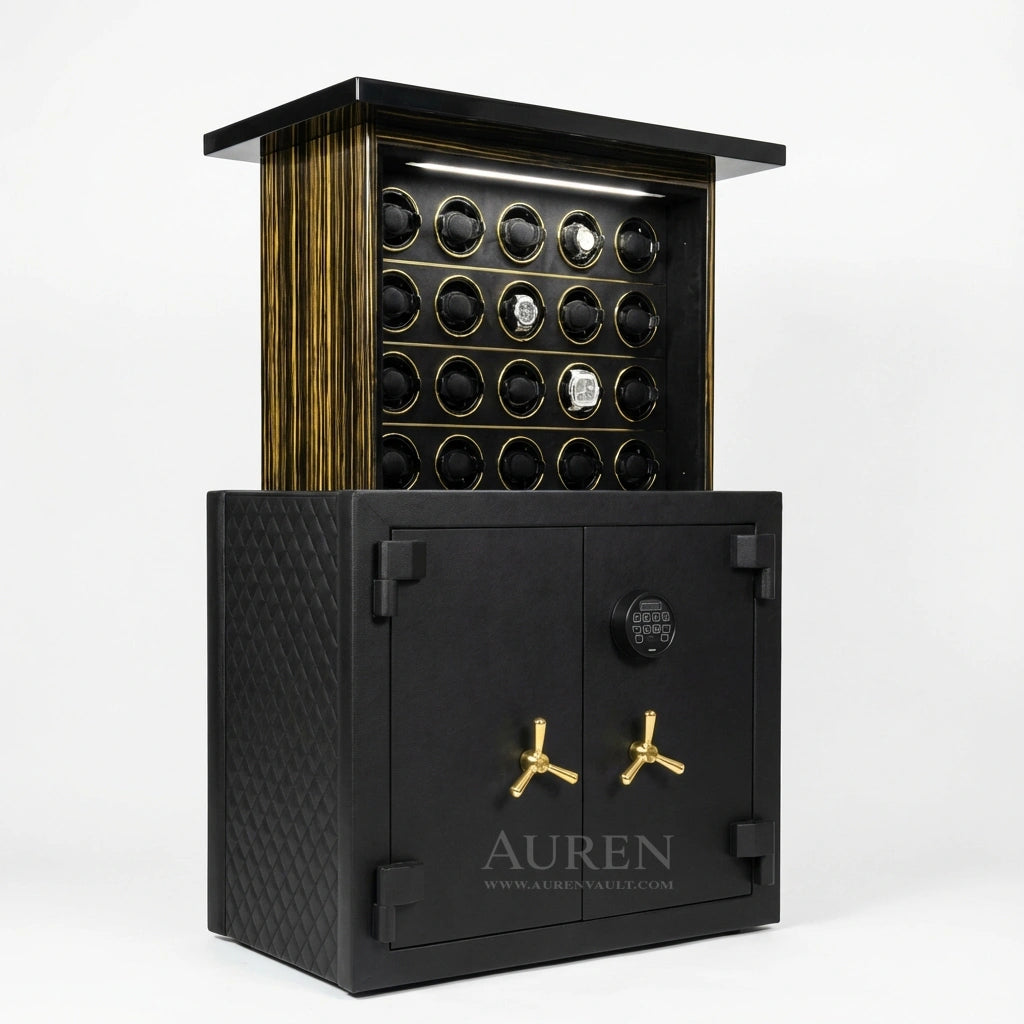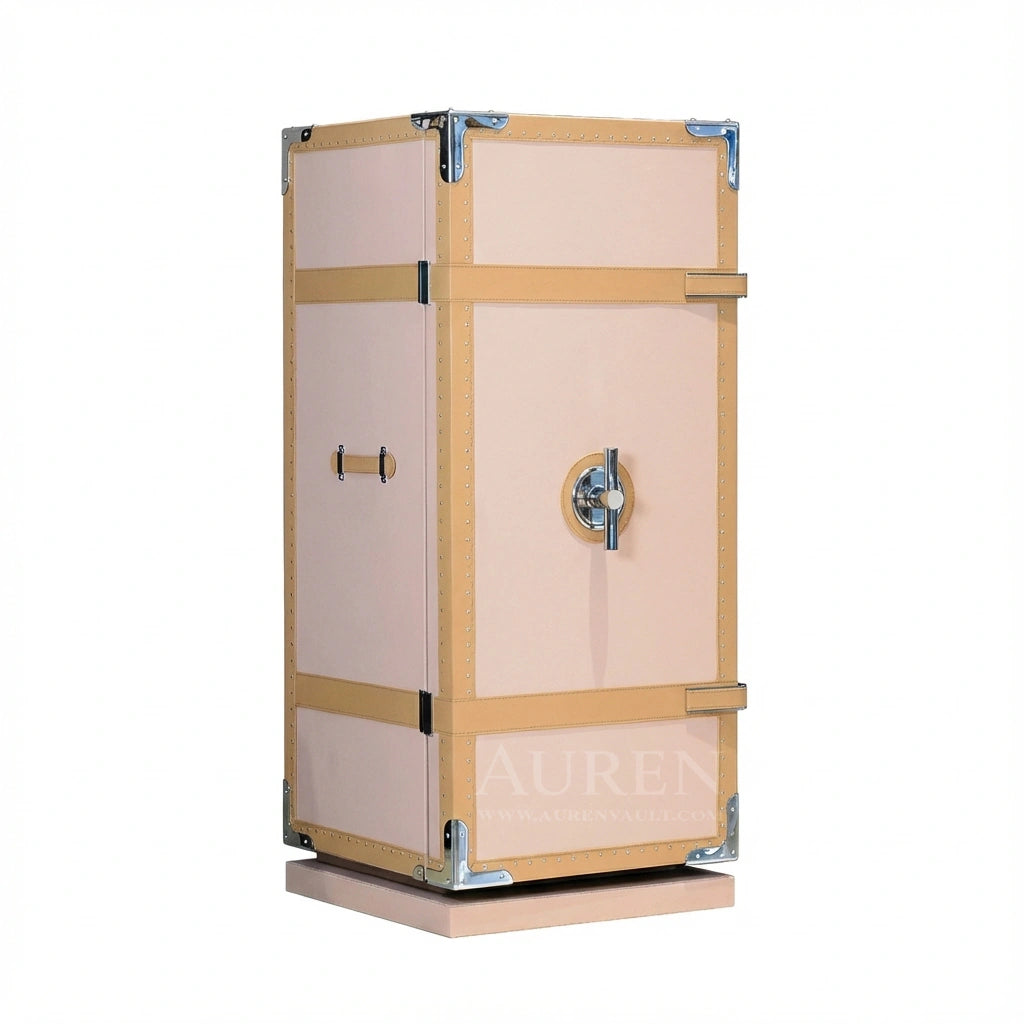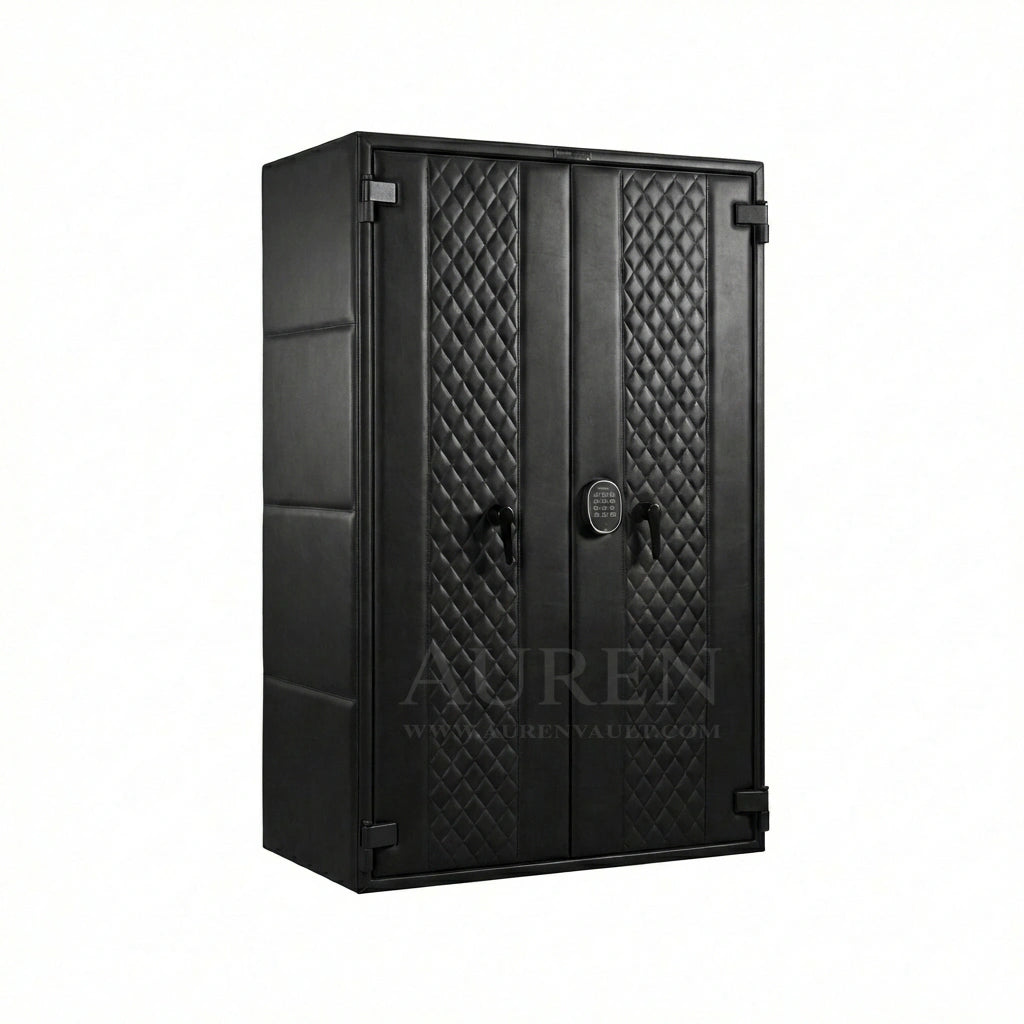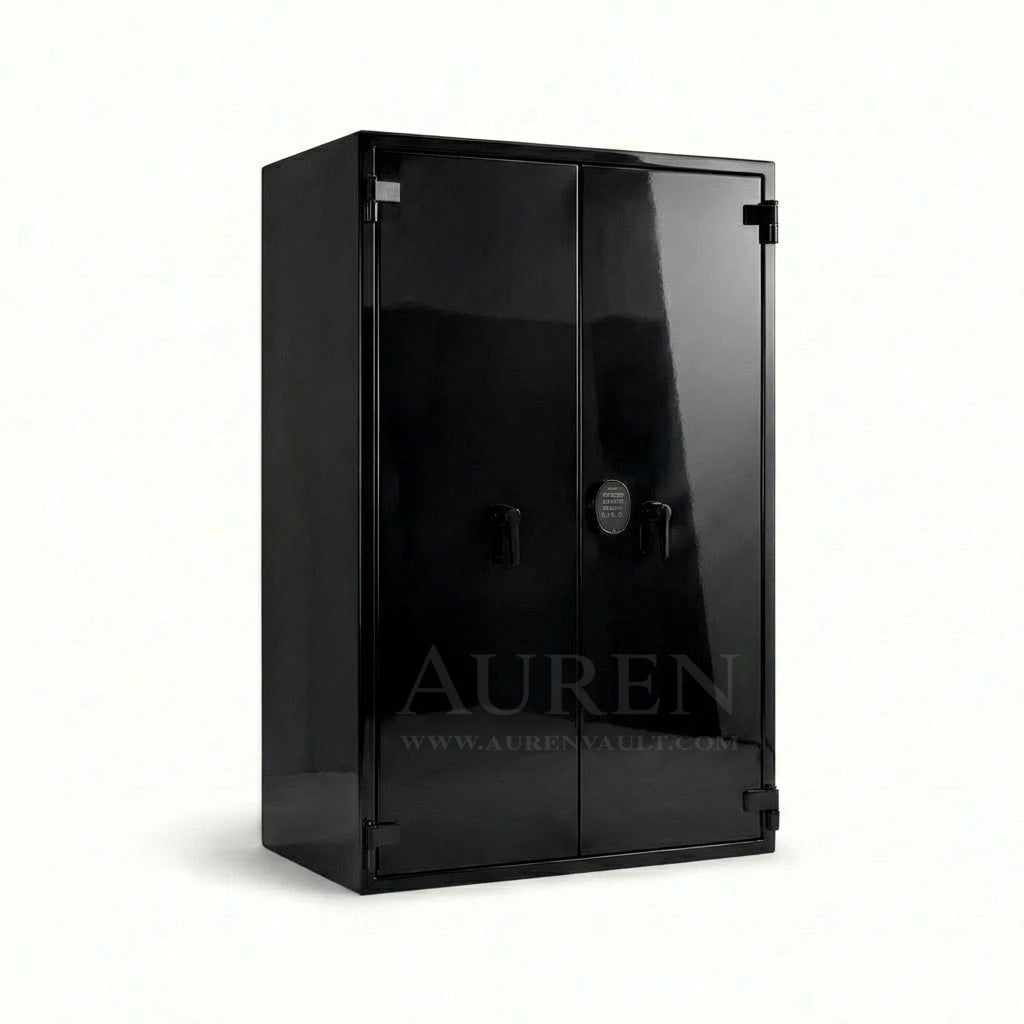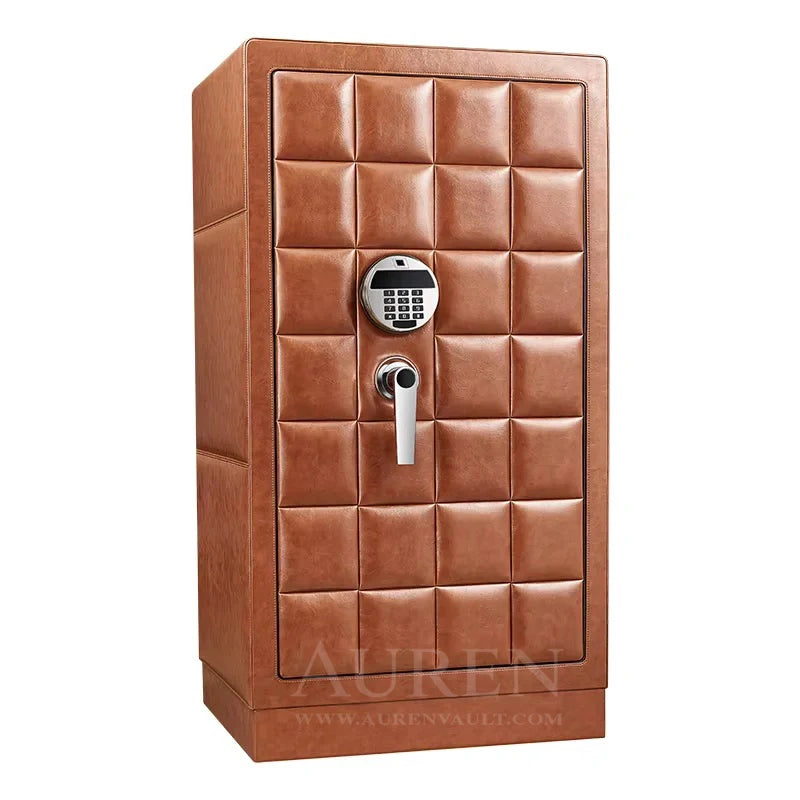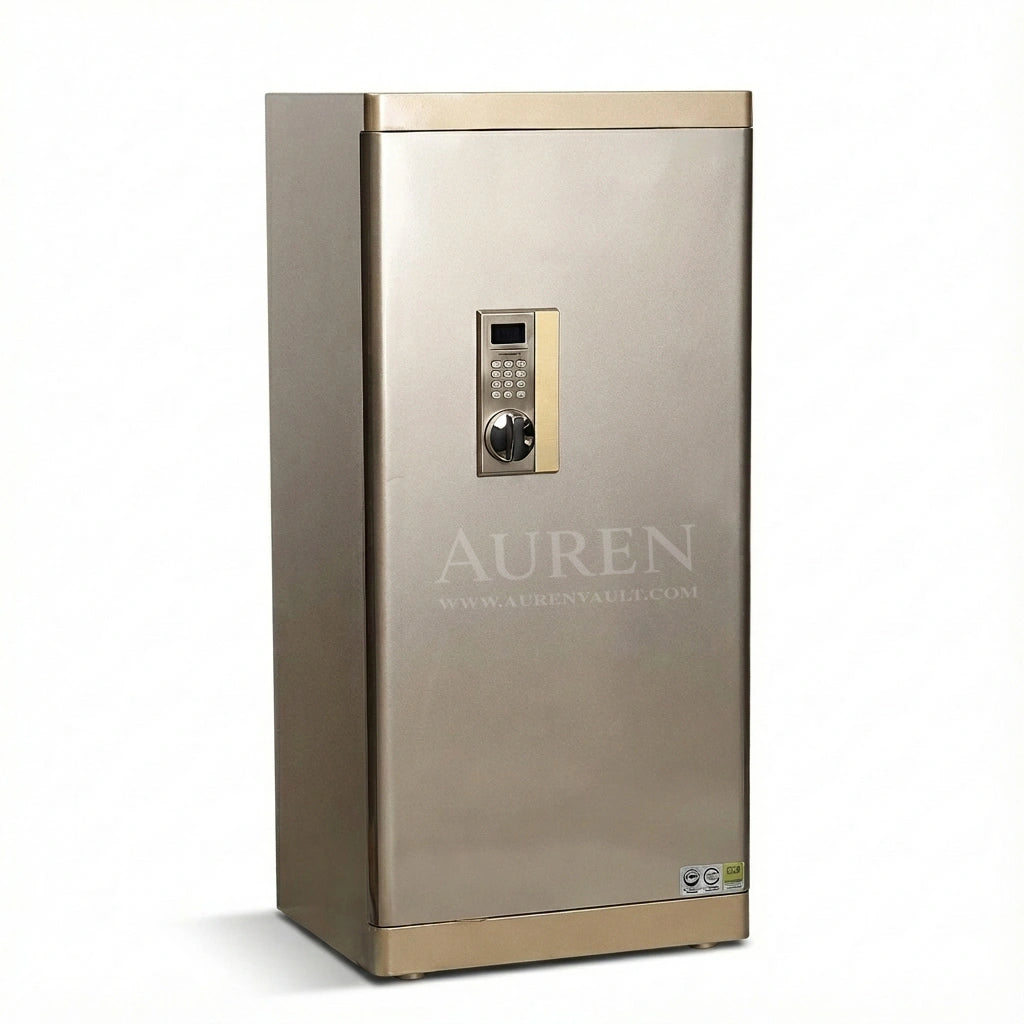

Custom watch safes are engineered security systems designed specifically for collectors who require both high-level protection and tailored storage for valuable timepieces. Unlike standard safes with fixed interiors, bespoke watch safes are built through a multi-stage design and manufacturing process that allows collectors to customize capacity, interior layouts, finishes, and technical features.
A custom watch safe is a security safe built to a collector’s specific requirements, combining burglary-resistant construction with interiors designed for luxury watch storage.
Typical customization options may include:
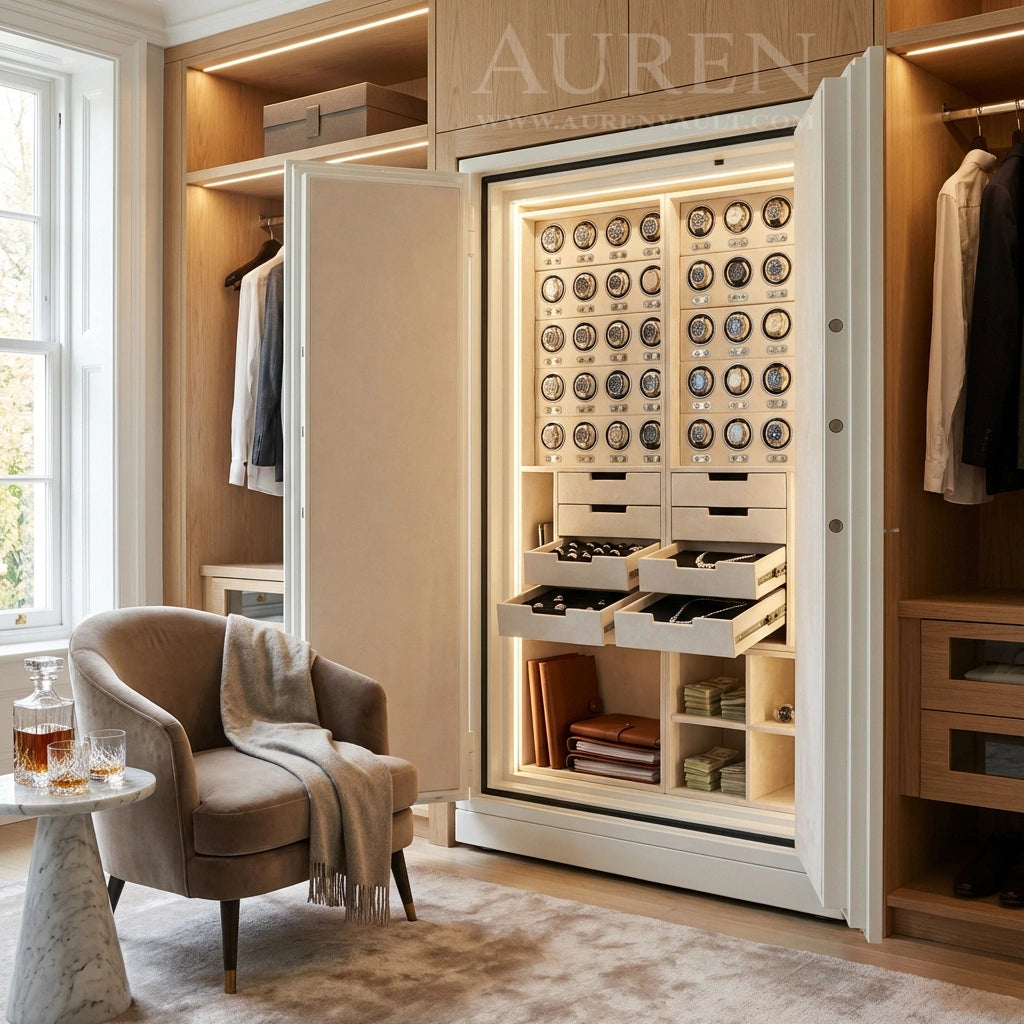
- adjustable watch capacity and drawer configurations
- integrated watch winding systems for automatic movements
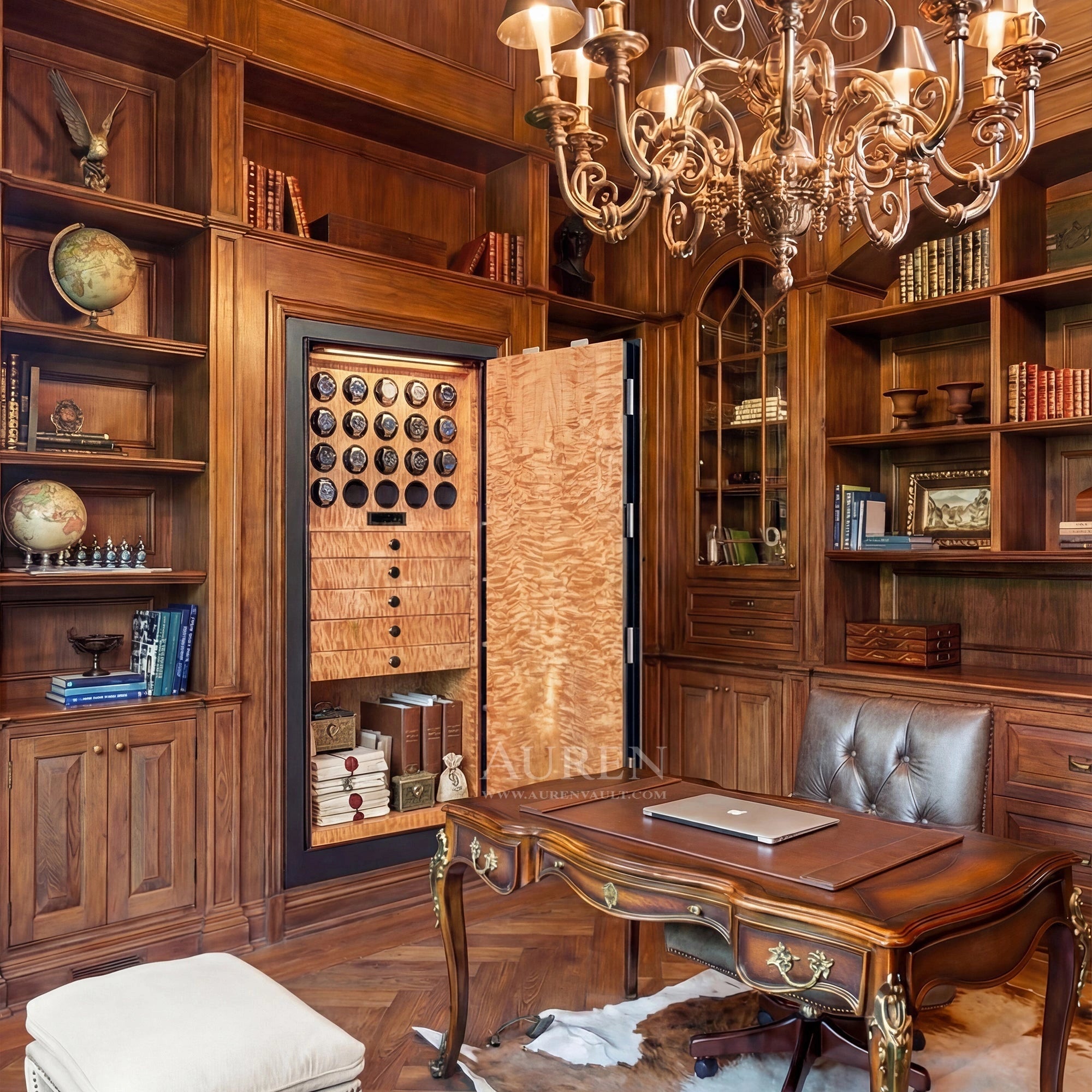
- luxury interior materials such as Alcantara or leather
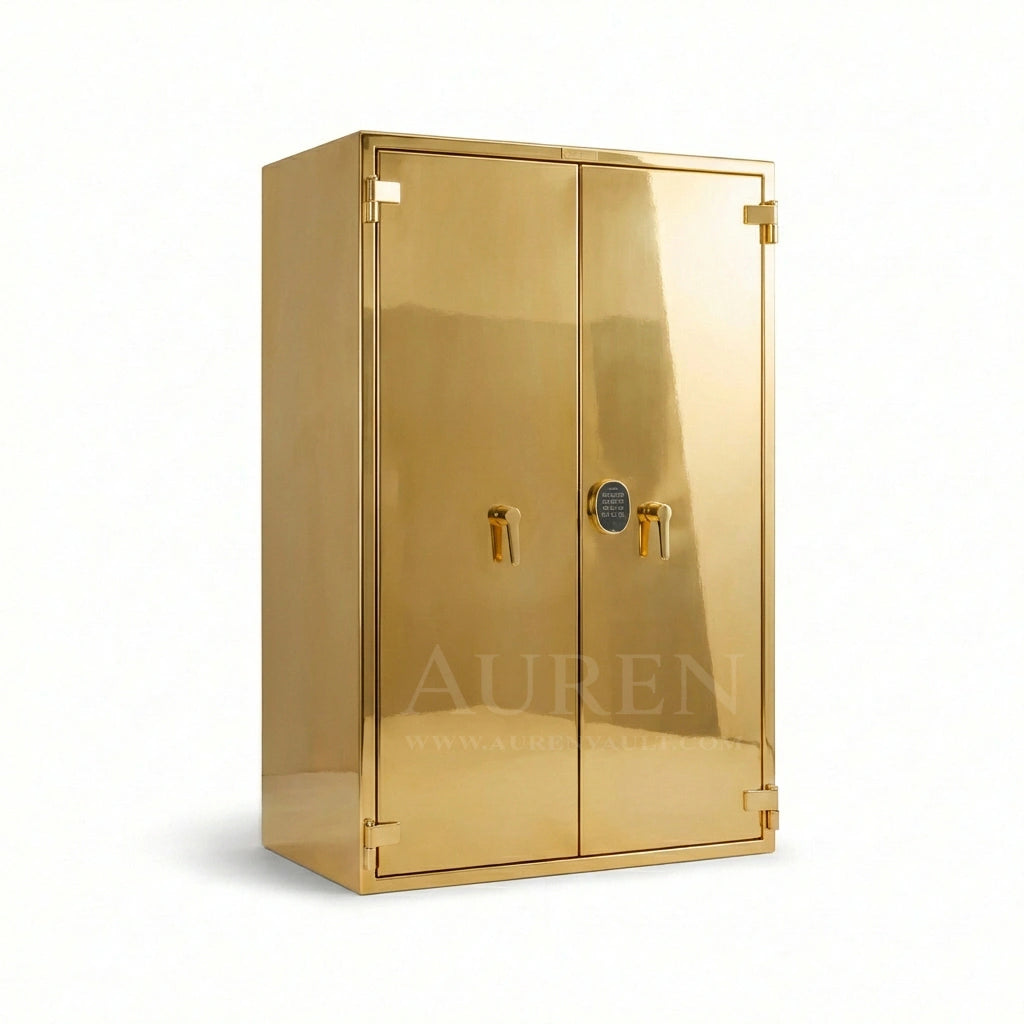
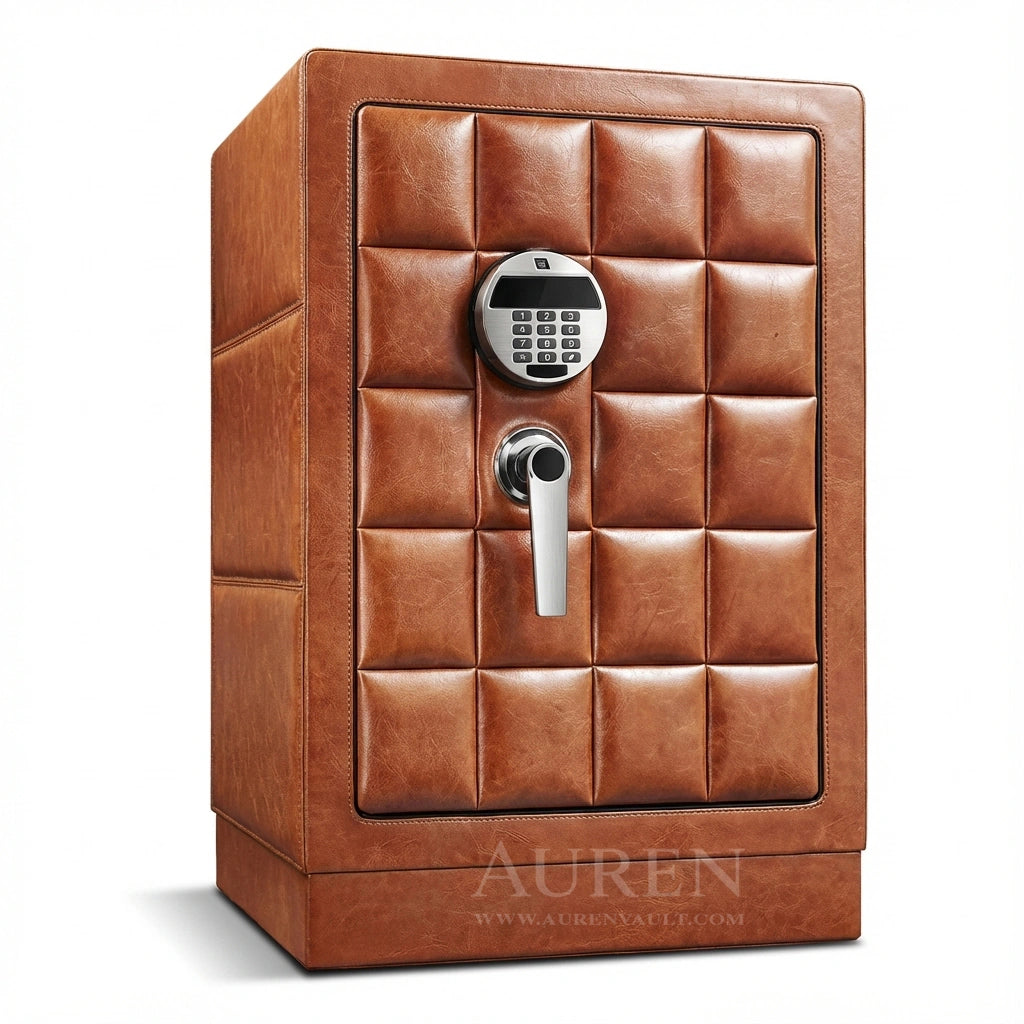
- custom exterior finishes designed to match interior décor
For serious collectors, a bespoke watch safe functions as both a security system and a curated storage environment that protects mechanical watches from theft, fire exposure, and accidental damage.
What Makes a Watch Safe “Custom”?
A custom watch safe differs from standard production safes because it is built around the specific needs of the collector and the collection.
Many collectors initially purchase off-the-shelf storage solutions. However, once a watch collection grows to include multiple high-value pieces, fixed storage layouts often become limiting.
A bespoke watch safe allows the interior architecture to be designed around the collection itself. This means the safe can accommodate specific numbers of watches, integrate watch winders, and include additional compartments for jewelry or accessories.
Collectors exploring secure storage solutions often begin by understanding what a watch safe is and how specialized watch safes differ from traditional home safes.
Stage 1: Security Engineering and Structural Design
The first stage of building a custom watch safe focuses on security engineering.
Unlike decorative storage furniture, a watch safe must function primarily as a burglary-resistant security system.
Modern watch safes typically incorporate:
- reinforced multi-layer steel construction
- hardened locking bolt systems
- complex door structures designed to resist forced entry
Certain safes are tested under European burglary resistance standards such as Grade G1 or Grade G3, which evaluate how long a safe can withstand attack attempts using professional tools under controlled testing conditions.
These structural engineering decisions form the foundation of the safe before any customization is introduced.
Collectors seeking secure storage options often explore certified fire-resistant watch safes designed specifically for luxury watch collections.
Stage 2: Fire Protection Integration
In addition to burglary resistance, some custom watch safes incorporate fire-resistant insulation systems.
Mechanical watches contain delicate components including lubricants, gaskets, and precision mechanical parts that may be affected by extreme heat exposure.
Certain safes are tested under European fire resistance standards such as:
- EN 15659 – LFS 30 P
- EN 15659 – LFS 60 P
These tests evaluate whether the internal temperature of the safe remains within acceptable limits during controlled fire conditions.
For collectors storing valuable timepieces, combining burglary resistance with fire protection provides an additional layer of security.
Stage 3: Interior Architecture for Watch Storage
Once the structural body of the safe is engineered, the next stage focuses on the interior architecture.
A watch safe interior must be designed to protect delicate mechanical watches while also providing organized storage.
Typical interior configurations may include:
- dedicated watch cushions designed for bracelet support
- modular watch trays or drawers
- jewelry compartments
- accessory storage for straps and tools
Interior design is especially important for collectors with growing collections. Proper compartment design helps prevent watches from contacting one another and reduces the risk of scratches or accidental damage.
Collectors interested in combining secure storage with mechanical movement maintenance often consider watch winder safes that integrate winding systems directly into the safe.
Stage 4: Integrated Watch Winder Systems
Many modern luxury watch collections include automatic watches, which rely on wrist movement to remain powered.
When these watches are stored for extended periods, their movements may stop if they are not periodically wound.
A watch winder safe integrates automated winding rotors inside the safe interior. These systems rotate watches periodically to maintain power reserve and keep mechanical movements running.
Integrated winding systems are carefully engineered to operate quietly and reliably within the safe environment.
Stage 5: Exterior Customization and Luxury Finishes
After the internal security and storage systems are designed, the safe’s external appearance can be customized.
For collectors installing safes in dressing rooms, offices, or private watch rooms, aesthetics often play an important role.
Common exterior customization options include:
- high-gloss lacquer finishes
- luxury wood veneers
- leather-wrapped panels
- brushed metal surfaces
Because custom watch safes are often installed in visible areas of the home, their design frequently reflects the same level of craftsmanship found in luxury furniture.
Collectors exploring fully tailored solutions often consider bespoke watch safe configurations that allow both structural and aesthetic customization.
Comparison: Standard Watch Safe vs Custom Watch Safe
Collectors often wonder whether customization is necessary or whether a standard watch safe is sufficient.
| Feature | Standard Watch Safe | Custom Watch Safe |
|---|---|---|
| Interior layout | Fixed | Fully customizable |
| Watch capacity | Predefined | Designed for collection |
| Exterior finish | Limited options | Fully customizable |
| Integrated winders | Sometimes optional | Fully configurable |
| Installation flexibility | Moderate | Designed for specific location |
For collectors with smaller collections, standard models may provide sufficient storage.
However, collectors with larger or evolving collections often prefer bespoke safes designed specifically for their needs.
Real-World Installation Considerations
In many North American homes, watch safes are installed inside interior closets, dressing rooms, or private offices.
These locations provide both discretion and structural support.
Unlike lightweight consumer safes, many floor-standing watch safes weigh 150–650 kg, which significantly increases resistance against removal attempts.
This substantial weight allows the safe to function as an independent security unit within residential environments.
Certain manufacturers, including Auren, design custom watch safes specifically for collectors who require both security protection and refined interior storage systems.
Conclusion
Custom watch safes are built through a detailed engineering process that combines security construction, fire protection, and tailored interior design.
Unlike standard safes with fixed layouts, bespoke watch safes allow collectors to design storage systems specifically for their watch collections.
For collectors who have invested significant time and resources building their collections, a custom watch safe provides both secure protection and organized storage tailored to the unique needs of luxury mechanical watches.