


The best watch winder for Baltic watches is a programmable unit that accommodates the specific automatic movement, offers adjustable turns per day (TPD), supports different rotation directions, and holds the watch securely without placing unnecessary pressure on its case or strap.
Many Baltic models use Japanese Miyota automatic movements. The Aquascaphe MK2, Hermétique Tourer, and Aquascaphe GMT MK-II are notable examples, typically offering approximately 42 hours of power reserve. The HMS collection uses the Miyota 8315, which extends running time to around 60 hours.
Other models require a different approach. The MR Classic uses a Hangzhou CAL5000a micro-rotor, while the Heures du Monde uses a Swiss Soprod C125 GMT movement. Both are automatic, but their winding requirements should be verified independently.
Not every Baltic mechanical watch belongs on a winder. The manually wound Scalegraph and Prismic cannot be powered by conventional rotating devices.
For Baltic owners, the correct choice begins with identifying the calibre, rather than applying one universal winding setting.
Understanding Baltic Watches and Their Winding Requirements
Baltic has developed a recognizable position in contemporary watchmaking by combining vintage-inspired design with accessible mechanical movements.
The French watchmaker draws heavily on the aesthetics of mid-century diving watches, traditional sector dials, compact dress watches, and historical travel-time instruments.
Its collections include the Aquascaphe, Hermétique, HMS, MR, Prismic, Scalegraph, and Heures du Monde.
These watches share a design philosophy, but they do not share one mechanical architecture.
Baltic uses movements from several suppliers, including Miyota, Hangzhou, Soprod, Sellita, and ETA.
This matters because a watch winder interacts with the automatic winding mechanism rather than the external design of the watch.
An automatic movement contains a weighted rotor that responds to movement. As the rotor turns, its winding mechanism transfers energy to the mainspring.
When the watch is removed from the wrist, the movement continues operating until its stored energy is depleted.
A compatible watch winder reproduces controlled motion to help replenish that energy.
However, the relationship between external rotation and effective winding depends on the calibre.
For example, the Miyota 9039 used in several Aquascaphe references is not mechanically identical to the Hangzhou micro-rotor inside the MR Classic.
The Miyota 8315 also has a different power reserve and winding construction.
For a collector owning several Baltic watches, identifying these differences is more useful than assuming that every watch should receive the same program.
Best Baltic Watch Winder TPD Settings and Rotation Direction
Two settings determine how a conventional watch winder operates.
Turns per day (TPD) measures how many complete external rotations the device delivers during a 24-hour period.
Rotation direction describes whether the device turns clockwise, counterclockwise, or alternates between both directions.
These settings work together.
A movement that winds efficiently in one direction may receive less effective winding when a device spends part of its operating cycle rotating in the opposite direction.
The challenge is that a watch's internal rotor direction and the direction displayed on a watch winder are not necessarily described from the same viewing perspective.
Consequently, an internal movement specification should not automatically be translated into an external winder setting without confirming the device's orientation.
Is 650 TPD Suitable for Baltic Watches?
Approximately 650 TPD is a common starting recommendation in independent watch-winder references for several modern automatic movements.
For Miyota 9015, 9039, and 9075 movements, third-party winding references frequently suggest starting around 650 TPD, with some recommending a range extending toward 800 TPD.
However, these figures should not be treated as Baltic-issued universal specifications.
Published recommendations also vary in their treatment of rotation direction, particularly for Miyota movements with unidirectional internal winding mechanisms.
A programmable device is preferable because it allows the owner to select a verified directional program and make measured adjustments when necessary.
The objective is not to deliver the maximum number of rotations.
It is to supply sufficient effective winding to maintain the watch's running state.
For movements without a reliably established external TPD recommendation, including the Hangzhou CAL5000a, a specific number should not be presented as a confirmed factory setting.
Owners can learn how to interpret these parameters through the watch TPD guide.
Baltic Watch Winder Compatibility by Movement
The following table compares representative Baltic collections and their mechanical requirements.
| Baltic watch | Movement | Winding type | Power reserve | Conventional winder |
|---|---|---|---|---|
| Aquascaphe MK2 No Date | Miyota 9039 | Automatic | 42 hours | Yes |
| Aquascaphe MK2 Date | Miyota 9015 | Automatic | 42 hours | Yes |
| Aquascaphe GMT MK-II | Miyota 9075 | Automatic GMT | 42 hours | Yes |
| Aquascaphe Dual-Crown | Miyota 9039 | Automatic | 42 hours | Yes |
| Aquascaphe Titanium | Miyota 9039 | Automatic | 42 hours | Yes |
| Hermétique Tourer | Miyota 9039 | Automatic | 42 hours | Yes |
| HMS 002 / HMS 003 | Miyota 8315 | Automatic | 60 hours | Yes |
| MR Classic / MR Roulette | Hangzhou CAL5000a | Automatic micro-rotor | 42 hours | Yes |
| Heures du Monde | Soprod C125 GMT | Automatic | 42 hours | Yes |
| Earlier Aquascaphe GMT | Soprod C125 GMT | Automatic | 42 hours | Yes |
| Scalegraph Classic | Sellita SW510-M | Manual winding | 63 hours | No |
| Prismic | ETA/Peseux 7001 | Manual winding | 42 hours | No |
These specifications describe representative references and movement generations. Confirm the exact watch before use. Power reserve is not a substitute for movement-specific TPD or direction data.
Several distinctions emerge from this comparison.
First, Baltic uses both automatic and manual mechanical movements.
Second, automatic power reserves vary, even among watches that share similar vintage-inspired designs.
Third, the brand's automatic calibres do not necessarily respond identically to external winding.
A watch winder selected for an Aquascaphe may also accommodate an MR Classic, but that does not establish that the two watches should use identical settings.
Aquascaphe: Choosing a Winder for Baltic's Diving Watches
The Aquascaphe is among Baltic's most recognizable collections.
Its restrained proportions, vintage diving-watch details, and modern materials make it suitable for regular wear.
From a winding perspective, the Aquascaphe family is relatively straightforward because several references use Miyota automatic movements.
Nevertheless, the specific version matters.
Aquascaphe MK2: Miyota 9039 Versus Miyota 9015
The Aquascaphe MK2 introduces a distinction between no-date and date-equipped references.
No-date models use the Miyota 9039.
Date models use the Miyota 9015.
Both are automatic movements with approximately 42 hours of power reserve, but the 9015 incorporates a calendar mechanism.
The practical consequence is not necessarily a different daily rotation requirement. Rather, owners should identify the installed movement before choosing a program.
Both belong to Miyota's 9000-series architecture, for which independent winder references commonly publish starting settings around 650–800 TPD.
These recommendations are useful as a reference range, not as a universal manufacturer-approved program.
The MK2 is available in 37 mm and 39.5 mm case sizes.
That creates a second consideration beyond winding specifications.
A smaller watch worn on a closely adjusted steel bracelet may not fit comfortably around a large, rigid winder cushion.
A compressible holder can accommodate the bracelet more naturally and prevent unnecessary pressure on the clasp.
Aquascaphe Classic and Aquascaphe Titanium
The Aquascaphe Classic and Aquascaphe Titanium also use the Miyota 9039 in representative references.
Both provide approximately 42 hours of power reserve.
The differences lie primarily in case construction, dimensions, and wearing characteristics rather than the basic movement family.
The Aquascaphe Titanium uses a 41 mm titanium case and offers 300 meters of water resistance.
Its relatively light titanium construction makes it comfortable on the wrist, but a secure holder remains necessary during external rotation.
An owner who wears an Aquascaphe throughout the working week may have little reason to keep it permanently on a winder.
If the watch is used only for weekend activities, a winder can reduce the need to restart and reset it between occasions.
Aquascaphe Dual-Crown: Same Movement, Different Case Design
The Aquascaphe Dual-Crown uses the Miyota 9039 and provides approximately 42 hours of power reserve.
Its distinctive feature is the internal rotating bezel operated through an additional crown.
That construction does not create a separate automatic winding requirement.
The external winder maintains the movement's mainspring; it does not operate the internal bezel.
However, the crown arrangement should be considered when choosing a holder.
The watch needs enough clearance to rotate without contact between its crowns and the surrounding compartment.
The cushion should support the strap or bracelet rather than pressing directly against the crown assembly.
For the Aquascaphe family, the most practical winder combines an appropriate movement program with a stable and adjustable mounting system.
Baltic Aquascaphe GMT: Why the Movement Generation Matters
The Aquascaphe GMT is a useful example of how a familiar collection name can represent different movement generations.
The earlier Aquascaphe GMT uses the Swiss Soprod C125 automatic GMT movement.
The newer Aquascaphe GMT MK-II uses the Japanese Miyota 9075.
Both provide approximately 42 hours of power reserve.
However, they are not mechanically interchangeable.
Earlier Aquascaphe GMT: Soprod C125
The original Aquascaphe GMT uses the Soprod C125, a Swiss automatic movement incorporating a GMT indication and date.
The watch allows its owner to monitor another time zone through a dedicated GMT hand and rotating bezel.
A compatible winder can maintain the movement between periods of wear.
For a collector who travels occasionally, this may be convenient because the watch remains running while another timepiece is being worn.
However, the Soprod C125 should receive a program supported by its own winding requirements.
Settings published for Miyota 9000-series movements should not automatically be applied to the Soprod movement.
The external winding mechanism is responsible for maintaining energy; the additional time-zone indication does not independently determine TPD.
Aquascaphe GMT MK-II: Miyota 9075
The newer Aquascaphe GMT MK-II uses the Miyota 9075 automatic movement.
This calibre introduces a traveller-style GMT function.
The local hour hand can be adjusted independently, allowing the wearer to change local time when crossing time zones without disturbing the underlying timekeeping.
Its approximate 42-hour reserve is similar to that of the earlier Soprod-powered version.
Yet the newer movement belongs to the Miyota 9000-series family.
Independent winding references commonly suggest approximately 650 TPD as a starting point for the Miyota 9075, with the exact rotation program requiring confirmation.
For an owner who uses the GMT during frequent travel, a watch winder may offer limited additional value.
The movement receives regular winding through daily wear.
For someone who keeps the watch ready for occasional trips, maintaining its running state may be more useful.
Does a GMT Complication Require More TPD?
Not automatically.
The GMT complication adds a second time-zone indication, but the mainspring is still replenished through the movement's automatic winding architecture.
TPD should be selected according to the calibre rather than the number of hands on the dial.
This distinction also applies to other mechanical travel watches.
A greater number of complications does not necessarily mean a greater external winding requirement.
MR Classic: What Changes With Baltic's Micro-Rotor?
The MR Classic introduces a different approach to automatic winding.
Unlike the Aquascaphe models, which use conventional central-rotor movements, the MR Classic uses the Hangzhou CAL5000a micro-rotor.
A micro-rotor is a smaller winding mass integrated into the movement rather than positioned above it as a full-diameter central rotor.
This construction helps achieve a thinner movement architecture.
In the MR Classic, it contributes to the watch's compact 36 mm case and approximately 9.9 mm overall thickness.
The movement provides around 42 hours of power reserve.
Can a Baltic MR Classic Use a Watch Winder?
Yes.
The CAL5000a is an automatic movement, so it can receive winding energy from compatible external rotation.
However, the presence of a micro-rotor does not establish a universal TPD requirement.
It would be inappropriate to assume that every micro-rotor automatically requires more daily turns than a central-rotor movement.
Winding efficiency also depends on the gearing, rotor mass, winding direction, and overall movement design.
Owners should seek movement-specific guidance before selecting a permanent program.
A device with adjustable TPD and direction provides greater flexibility than a winder with one fixed setting.
Why the MR Classic Requires Careful Physical Support
The MR Classic is a relatively compact dress watch.
Its leather strap and polished surfaces require different handling from those of a larger Aquascaphe diving watch.
A rigid cushion designed for large steel bracelets can stretch a small leather strap unnecessarily.
A soft, compressible holder is preferable.
The watch should remain firmly positioned without being forced into an unnatural strap curvature.
The clearance around the case and crystal should also be checked.
For a watch such as the MR Classic, appropriate physical support is just as important as electronic programming.
Is a Winder Necessary for the MR Classic?
For an MR Classic worn regularly, probably not.
Its 42-hour reserve can support ordinary periods of non-use when sufficiently wound.
For an owner who rotates between several dress watches, a winder may reduce repeated restarting.
However, the MR Classic does not have an elaborate perpetual calendar that would make resetting particularly burdensome.
The decision is therefore primarily one of convenience.
A watch winder can keep the movement running, but leaving an automatic watch stopped during occasional storage is not inherently harmful when proper care and servicing practices are followed.
HMS 002 and HMS 003: The Advantage of a 60-Hour Power Reserve
Baltic's HMS collection offers another useful comparison.
Representative HMS 002 and HMS 003 watches use the Miyota 8315 automatic movement.
Unlike the approximately 42-hour calibres found in several other Baltic collections, the 8315 offers around 60 hours of power reserve.
That represents two and a half days of autonomy when sufficiently wound.
For someone who wears an HMS during the working week, the longer reserve can make a watch winder less necessary over a short weekend.
A watch removed on Friday evening may remain running into Monday, depending on its initial state of wind and the time elapsed.
The practical benefit is straightforward.
The owner can alternate between watches for a longer period without automatically needing external winding.
Does a 60-Hour Reserve Mean Fewer TPD?
Not necessarily.
Power reserve measures how long a movement can run after receiving sufficient energy.
TPD measures how many external rotations a watch winder delivers.
The two are related to the movement's energy balance, but they are not equivalent specifications.
The Miyota 8315 belongs to a different movement family from the 9015 and 9039.
Its external winding direction and required daily rotation should therefore be checked independently.
A collector should not simply reduce the Aquascaphe's TPD setting because the HMS has a longer power reserve.
Nor should the owner assume that both movements use identical external winding programs because they come from Miyota.
HMS Straps and Acrylic Crystals
The HMS collection features high-domed hesalite crystals and is available with leather straps or steel bracelets.
These details affect storage.
A well-designed winder should provide adequate clearance around the watch and prevent contact with the compartment walls.
Soft holder materials can reduce unnecessary pressure on polished surfaces and straps.
The crystal should never come into contact with the compartment during rotation.
A compatible winder is useful only when both the movement and the physical watch are accommodated properly.
Heures du Monde: Keeping a Baltic Worldtimer Running
The Heures du Monde brings a different complication into the Baltic collection.
It uses a Swiss Soprod C125 GMT automatic movement adapted for its world-time display.
The movement provides approximately 42 hours of power reserve.
Its design combines a 24-hour rotating indication with a city-time-zone bezel, allowing the wearer to consult multiple time zones.
Although its display resembles a traditional worldtimer, the watch is built around a GMT movement rather than an entirely separate classical worldtime calibre.
This distinction matters when evaluating winding requirements.
The correct program follows the automatic Soprod C125 movement.
It should not be determined by the number of time zones visible on the dial.
Why a Winder Can Be Convenient for a Worldtimer
A Heures du Monde worn frequently receives automatic winding during normal wrist activity.
A watch winder is not essential in that situation.
However, some collectors may reserve the watch for travel, meetings, or special occasions.
If left unworn beyond its available power reserve, the movement eventually stops.
Restoring the correct time and checking the world-time display then becomes part of preparing the watch for use.
A compatible winder can reduce that routine.
Its value is convenience rather than a mechanical necessity.
The more important consideration remains selecting a verified Soprod C125 winding program and ensuring that the device supports the watch securely.
Scalegraph and Prismic: Baltic Watches That Do Not Need a Winder
One of the most important distinctions in Baltic's product range is the presence of manually wound mechanical watches.
A mechanical watch is not automatically an automatic watch.
Manual movements store energy in a mainspring, but they rely on the owner turning the crown rather than an automatic winding rotor.
A conventional watch winder cannot replenish their energy through external rotation.
Baltic Scalegraph: Sellita SW510-M
The Scalegraph Classic is a mechanical chronograph powered by the manually wound Sellita SW510-M.
It offers approximately 63 hours of power reserve.
The movement includes chronograph functions, but it does not contain the automatic winding system required for a conventional watch winder.
Placing the watch inside a rotating compartment will not replenish its mainspring.
For the Scalegraph, passive storage is the appropriate choice.
The watch should be wound manually according to its operating instructions when the owner wants it to run.
Its relatively substantial chronograph case and protruding controls should also be protected against unnecessary pressure during storage.
Baltic Prismic: ETA/Peseux 7001
The Prismic uses the manually wound ETA/Peseux 7001.
This compact mechanical movement provides approximately 42 hours of reserve.
Its slim construction contributes to the Prismic's elegant proportions and traditional dress-watch character.
However, the Peseux 7001 does not benefit from conventional automatic winding.
The owner must wind the watch through its crown.
A passive compartment with a suitable cushion is more appropriate than an active winding module.
This difference becomes particularly relevant for owners combining a Prismic with automatic MR and Aquascaphe watches.
The collection may contain three mechanical watches, but only two require automatic winding positions.
What Makes a Good Watch Winder for Baltic?
A suitable Baltic watch winder should offer enough flexibility to accommodate different movements without unnecessary complexity.
The most useful features are not necessarily the most expensive or visually elaborate.
They are the features that improve mechanical compatibility and everyday handling.
Independent Rotation and TPD Programming
A Baltic owner may eventually acquire an Aquascaphe MK2, MR Classic, HMS 003, and Aquascaphe GMT MK-II.
Those watches use different movement architectures.
A multi-watch winder with independently programmable rotors allows each automatic watch to receive its own program.
This is more practical than a device that operates every rotor using identical settings.
It also allows the owner to make adjustments without changing the winding conditions of the entire collection.
Controlled Operating and Rest Cycles
A watch winder does not need to rotate continuously.
Well-designed devices divide the daily rotation requirement into operating periods separated by rest intervals.
This provides a controlled distribution of movement throughout the day.
The correct schedule depends on the device and movement.
Quiet motors can also be useful when the winder is installed in a bedroom, dressing room, or private office.
Mechanical reliability and servicing support deserve consideration, especially when the system will be used regularly.
Adjustable Watch Holders
Baltic watches vary substantially in size and strap design.
The 36 mm MR Classic on leather presents different requirements from a 41 mm Aquascaphe Titanium on rubber.
The HMS may use a steel bracelet, while a Prismic is better suited to passive storage.
An adjustable or compressible holder makes it easier to support different wrist sizes without excessive tension.
The watch should remain stable during the entire rotation cycle.
A secure fit should not depend on tightly stretching the strap or bracelet around an oversized cushion.
How to Set Up a Watch Winder for Baltic Watches
The most reliable setup procedure begins with confirming the movement.
Identify the exact watch reference and determine whether its movement is automatic or manually wound.
For automatic models, consult the manufacturer's operating documentation and a reliable movement-specific winding reference.
If the watch has stopped, restart it according to the movement's manual winding instructions.
The purpose of this initial winding is to establish sufficient energy before evaluating whether the external winder can maintain the running state.
A winder should not be expected to replace the correct restarting procedure.
Once the watch is running, configure the verified rotation direction and TPD.
If an exact external program is unavailable, avoid representing a generic setting as a factory-approved requirement.
Position the watch on its holder and check clearance throughout a complete rotation.
Then observe its behavior over several days.
If it continues operating, the selected program may be adequate for maintaining its reserve.
If it stops or loses running reserve, investigate the initial winding level, effective rotation direction, device settings, and watch condition.
Increasing TPD should not be the automatic response to every problem.
An automatic watch can continue running while receiving insufficient energy to maintain a high power reserve. Therefore, simply observing that the seconds hand is moving does not prove that the program is optimal.
A longer observation period or professional assessment may be necessary.
Standalone Watch Winder or Watch Winder Safe?
For one frequently worn Baltic automatic, a standalone programmable watch winder may be sufficient.
It offers convenient energy maintenance without requiring a larger storage installation.
The decision becomes different when Baltic watches form part of a broader collection.
A collector may own an Aquascaphe, MR Classic, and Heures du Monde alongside watches from other manufacturers.
Some may be automatic, while others require manual winding.
In that situation, collection organization and physical protection become more significant.
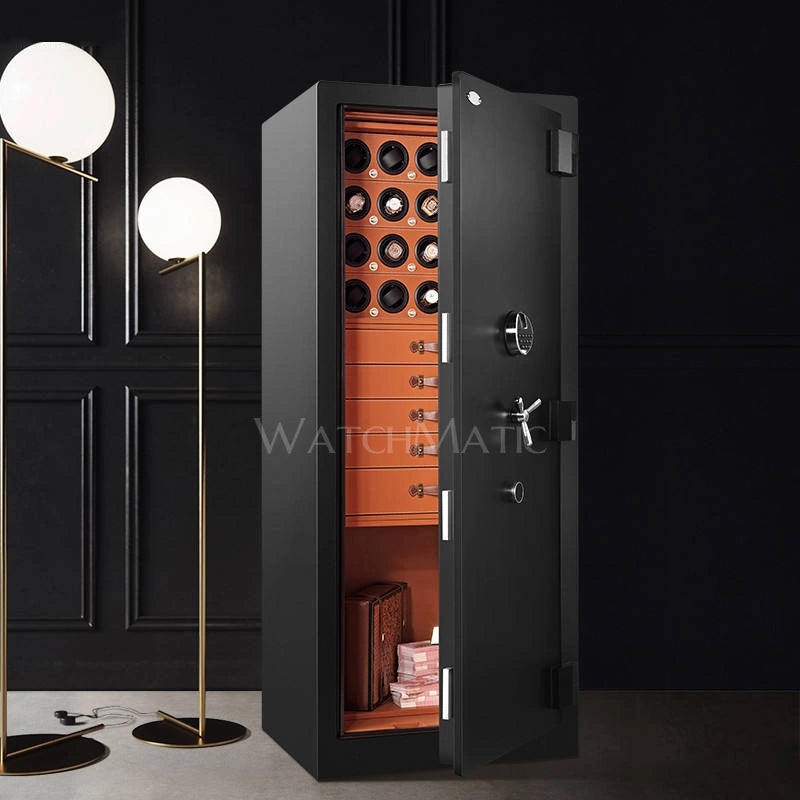
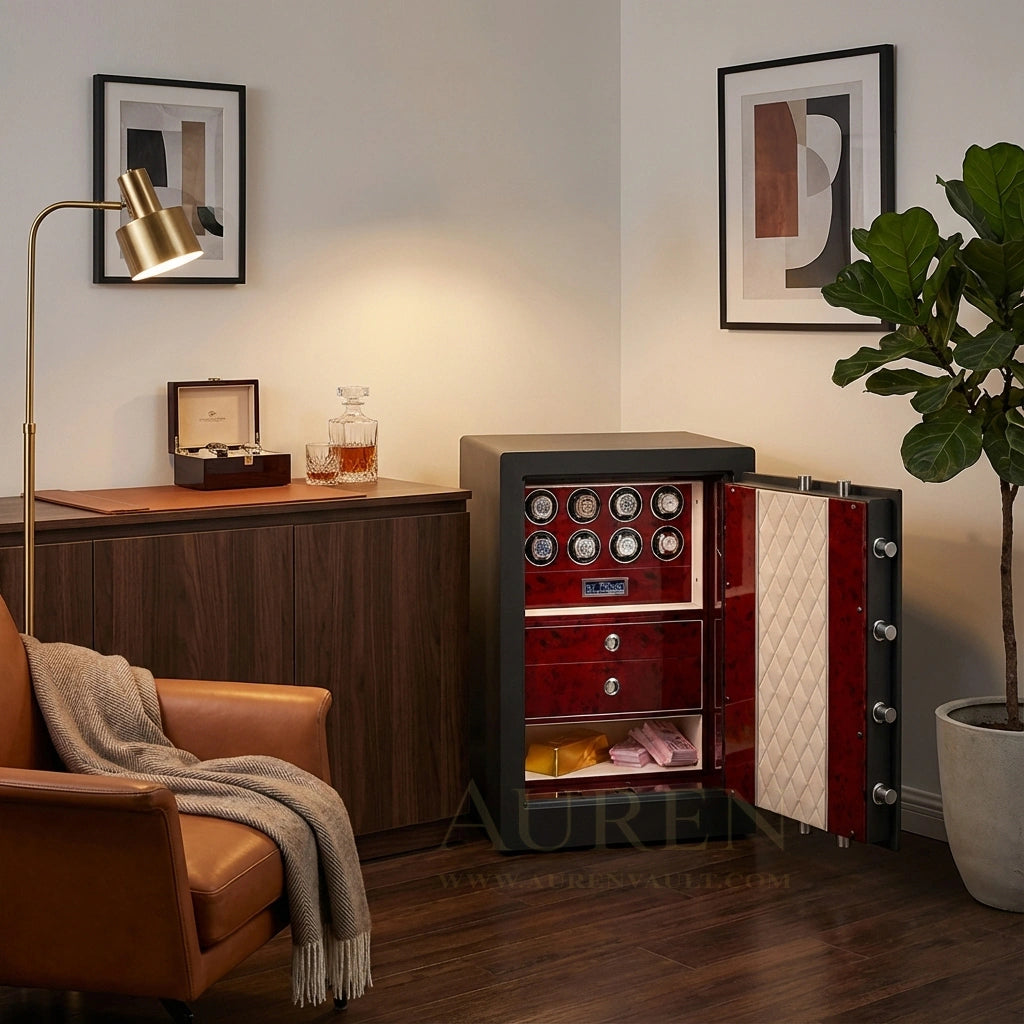
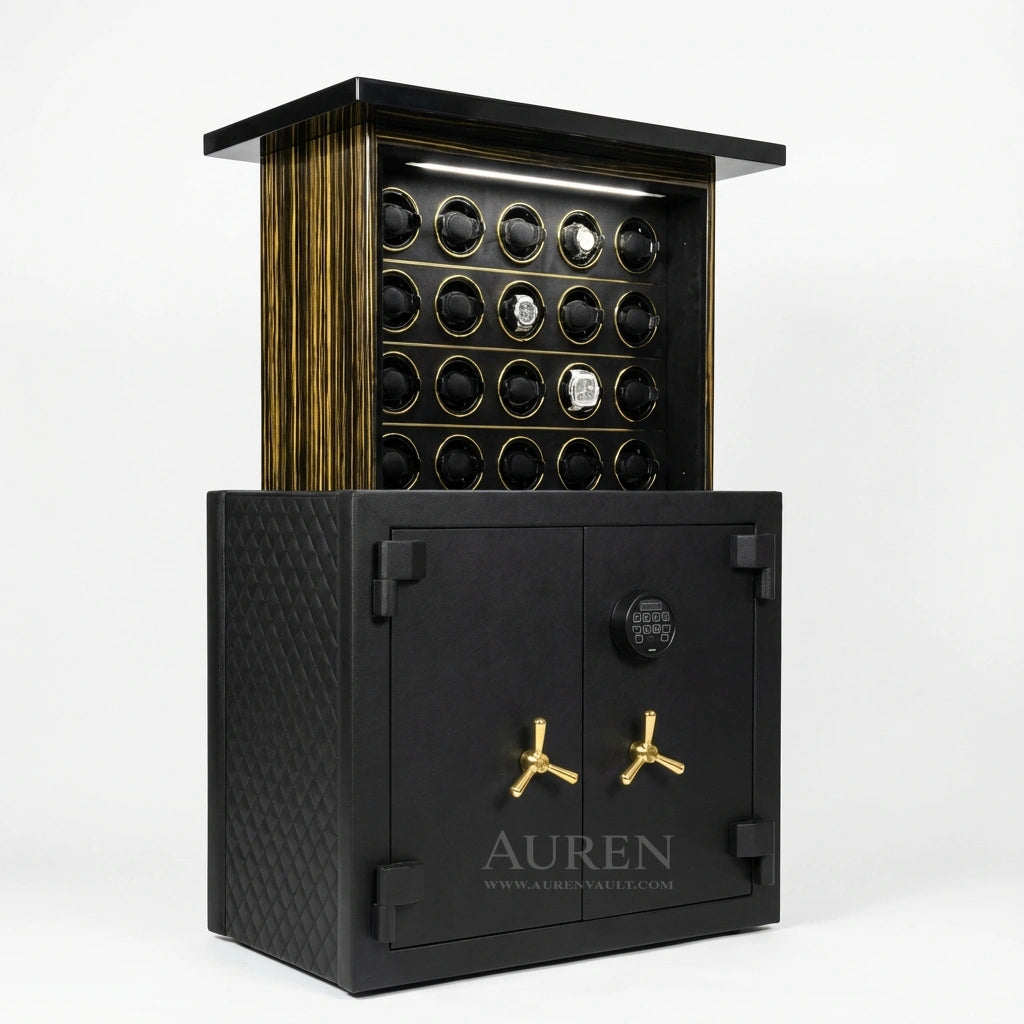
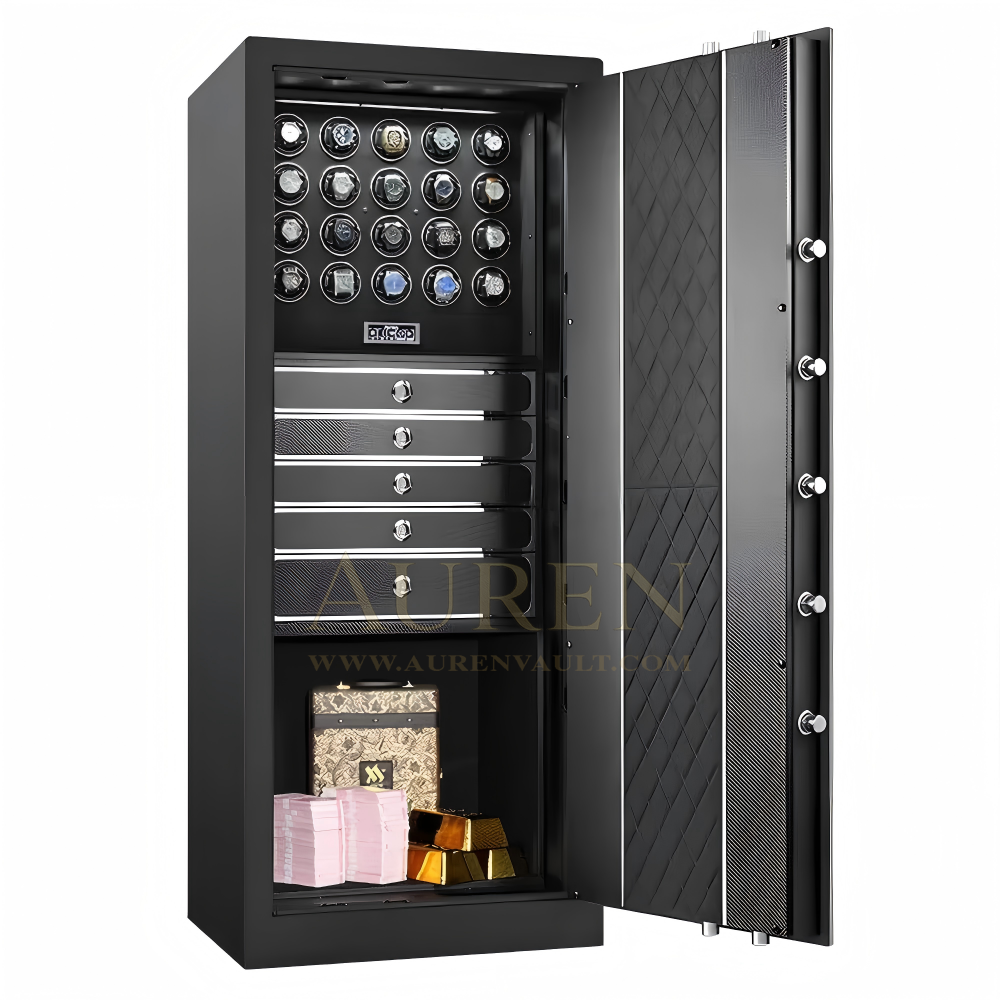
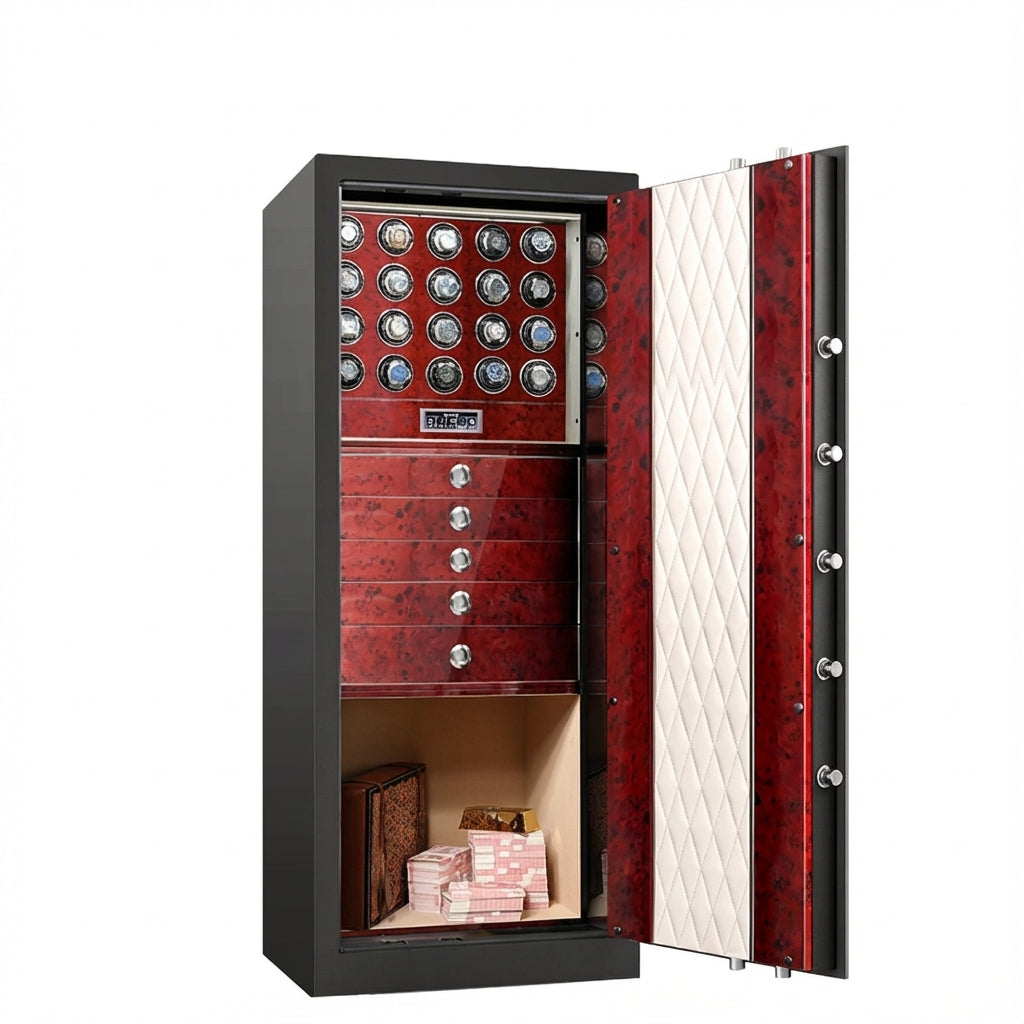
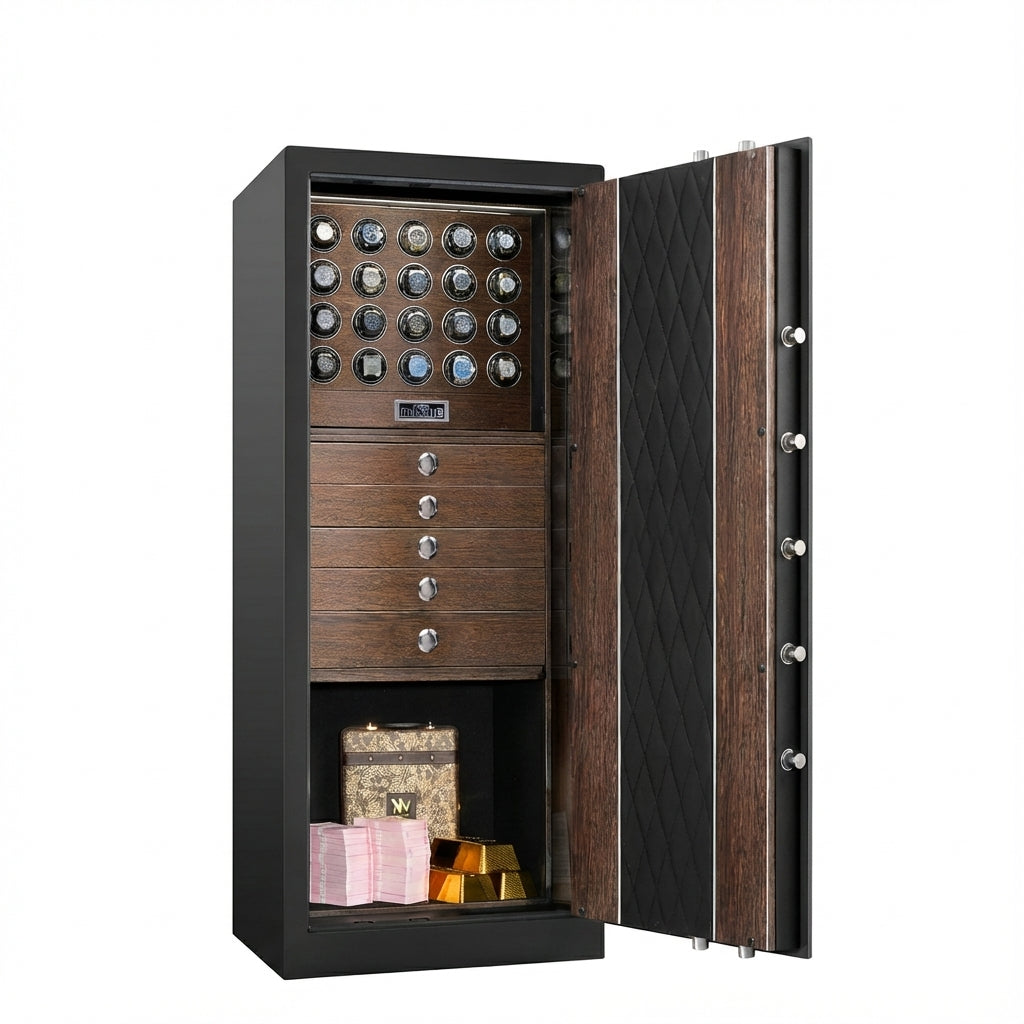
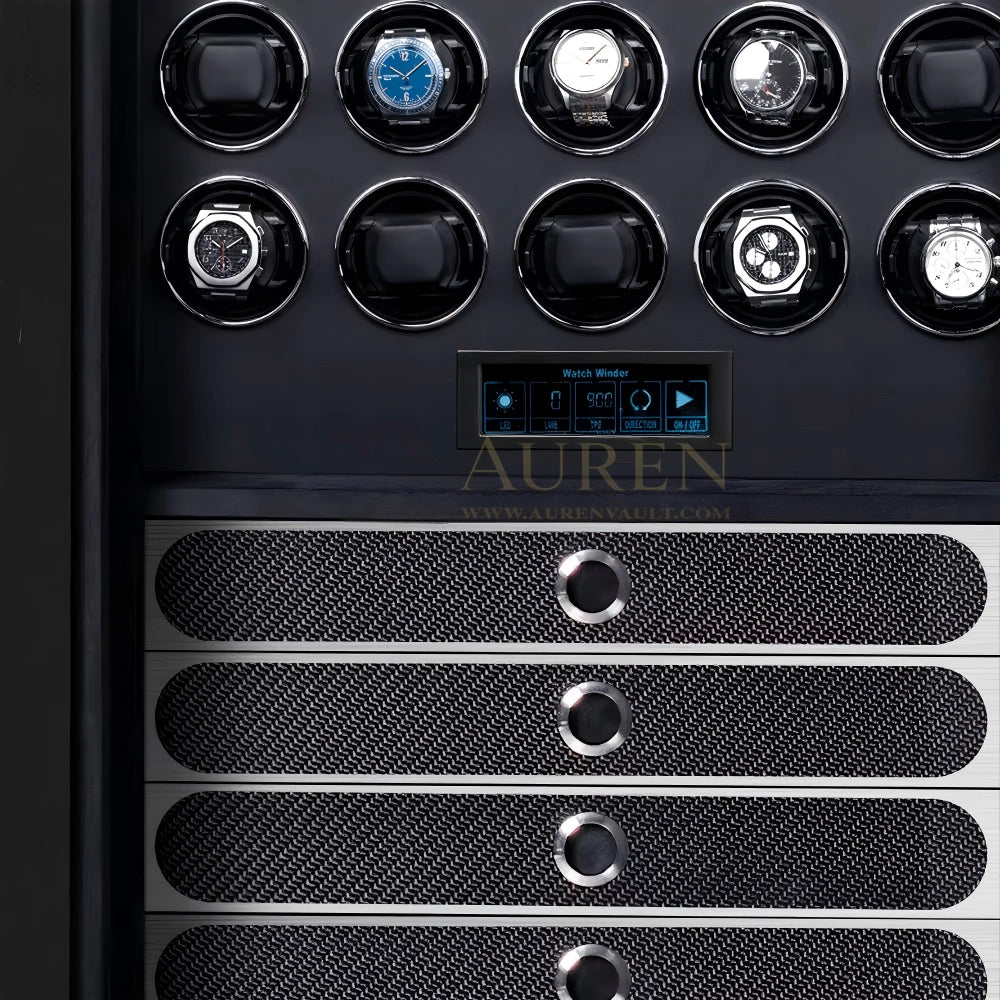
A watch winder safe combines enclosed storage with integrated winding modules.
Its value depends on the quality of its winding system, physical construction, lock design, and the actual protection specifications of the chosen model.
| Consideration | Standalone watch winder | Integrated watch winder safe |
|---|---|---|
| Main purpose | Maintain automatic movement | Combine winding and enclosed storage |
| TPD adjustment | Model-dependent | Depends on installed modules |
| Multiple automatic watches | Possible with multi-rotor units | Available in selected configurations |
| Physical security | Generally limited | Depends on safe construction and testing |
| Passive watch storage | Usually limited | May be incorporated |
| Suitable for | Individual watches and smaller collections | Larger mixed collections and security-focused storage |
A locking enclosure should not automatically be described as having a certified burglary or fire-resistance rating.
Such claims require appropriate documentation for the specific product.
Collectors comparing integrated winding and security features can also consult the watch winder safe guide.
For Baltic owners, a safe is generally a storage and security decision rather than a requirement created by the watch's price or movement alone.
Planning Storage for a Mixed Baltic Collection
Consider a collection containing six Baltic watches:
An Aquascaphe MK2, Aquascaphe GMT MK-II, MR Classic, HMS 003, Scalegraph Classic, and Prismic.
Four are automatic.
Two are manually wound.
Therefore, the owner does not need six active winding positions.
A configuration containing four programmable rotors and at least two passive compartments would accommodate the different movement types.
However, the owner might not need to operate all four rotors continuously.
If the Aquascaphe is worn daily, passive storage between short periods of non-use may be sufficient.
The MR Classic and GMT could receive occasional winding when the owner wants them ready for rotation.
The Scalegraph and Prismic would remain in passive storage.
This approach provides greater flexibility than assigning an active rotor to every mechanical watch.
The broader watch safe collection allows collectors to compare different storage formats.
For larger collections that include watches from several manufacturers, luxury watch safes may offer more capacity and alternative interior arrangements.
Collectors requiring a specific balance between active rotors, passive compartments, strap holders, and finishes may also consider custom watch safe configurations.
The appropriate arrangement depends on actual ownership habits, not simply the number of watches.
Long-Term Storage and Care for Baltic Watches
A watch winder maintains the running state of a compatible automatic movement.
It does not improve the movement's underlying accuracy, prevent all mechanical wear, or replace regular servicing.
For Baltic watches, proper storage should also reflect the materials used across the collection.
Aquascaphe diving watches may be exposed to saltwater, perspiration, and outdoor conditions.
They should be cleaned according to the manufacturer's instructions before storage.
Leather straps should be allowed to dry naturally if they become damp.
Polished cases and acrylic crystals should be protected from unnecessary contact with abrasive surfaces.
Environmental stability matters as well.
Excessive humidity, condensation, and substantial temperature fluctuations can create unfavorable conditions for mechanical watches and their associated materials.
A storage enclosure does not automatically provide active humidity control.
Collectors should evaluate the actual storage environment and any monitoring or humidity-management features available.
For extended periods of non-use, leaving an automatic watch stopped may be reasonable when consistent with its manufacturer's maintenance guidance.
The watch storage guide provides broader context for organizing and protecting mechanical watches over time.
Ultimately, the purpose of good storage is not to keep every watch running at all times.
It is to provide appropriate care for the movements, materials, and wearing patterns within the collection.
Frequently Asked Questions About Baltic Watch Winders
What is the best watch winder for Baltic watches?
A programmable watch winder with adjustable TPD, selectable rotation direction, controlled rest intervals, and a secure, adaptable watch holder is the most versatile choice. The correct settings depend on the exact automatic calibre.
What TPD should I use for a Baltic Aquascaphe?
For Aquascaphe models using Miyota 9015 or 9039 movements, independent references commonly suggest approximately 650–800 TPD as a starting range. Verify the effective winding direction and the winder's counting method rather than treating this range as an official Baltic specification.
Does the Baltic Aquascaphe MK2 need a watch winder?
No. Its automatic movement receives winding energy during normal wear. A compatible winder may be convenient when the watch remains unworn long enough to exhaust its approximately 42-hour power reserve.
What is the difference between Miyota 9015 and 9039?
Both belong to Miyota's 9000-series automatic movement family. The 9015 incorporates a date mechanism, while the 9039 is a no-date movement. Representative Baltic Aquascaphe MK2 versions use the 9015 for date models and the 9039 for no-date models.
Can I use the same winder settings for all Baltic watches?
Not automatically. Baltic uses different automatic movements from Miyota, Hangzhou, and Soprod. Their winding architectures and requirements should be checked individually. Manual-winding Baltic watches do not benefit from conventional automatic winders.
Does the Baltic MR Classic need a special watch winder?
The MR Classic uses an automatic Hangzhou CAL5000a micro-rotor, so it can use a compatible programmable winder. However, its external TPD and direction should be verified rather than inferred from other micro-rotor movements.
What TPD is recommended for the Baltic MR Classic?
A universal manufacturer-approved external TPD setting for the CAL5000a should not be assumed. Use reliable movement-specific guidance and a programmable device that allows effective winding to be assessed.
Does the Baltic HMS 003 require a watch winder?
No. The HMS 003 uses the automatic Miyota 8315 with approximately 60 hours of power reserve. A winder can be useful for longer periods between wears, but the watch does not need continuous external winding.
Can I use a winder for the Baltic Aquascaphe GMT MK-II?
Yes. The GMT MK-II uses an automatic Miyota 9075 movement with approximately 42 hours of power reserve. Its external winding program should be selected according to the Miyota 9075 rather than the earlier Soprod-powered Aquascaphe GMT.
Can a Baltic Scalegraph use an automatic watch winder?
No. The Scalegraph Classic uses the manually wound Sellita SW510-M movement. A conventional rotating winder will not replenish its mainspring. Manual winding through the crown is required.
Does the Baltic Prismic need a watch winder?
No. The Prismic uses the manually wound ETA/Peseux 7001. It should be kept in suitable passive storage and wound through its crown when needed.
Is a watch winder safe necessary for Baltic watches?
Not necessarily. A standalone winder may be sufficient for an individual automatic Baltic. A watch winder safe becomes more relevant when the owner wants enclosed storage, multiple winding positions, and appropriately specified physical security for a broader collection.
Can a watch winder overwind a Baltic automatic?
Modern automatic movements normally incorporate a slipping mainspring arrangement that prevents conventional overwinding through continued automatic winding. However, excessive rotation offers no corresponding benefit and may create unnecessary mechanical operation. A properly selected program remains preferable.
Is it harmful to leave a Baltic automatic watch stopped?
Not inherently. Automatic watches can be stored without continuous operation. Correct storage conditions, appropriate handling, and periodic servicing are more important than keeping every movement running continuously.
Further Reading on Watch Winding and Storage
Understanding a watch's movement is only one part of selecting the correct storage system.
Collectors considering integrated winding technology may find Watch Safes with Built-In Watch Winders: Are They Worth It? useful for comparing the practical benefits of combined storage and automatic winding.
For longer-term preservation, Why Humidity Can Damage Luxury Watches examines environmental conditions that can affect mechanical timepieces, straps, and storage spaces.
These considerations apply beyond Baltic and become increasingly relevant as a collection expands.
Final Thoughts: Choosing the Right Winder for Your Baltic
Baltic demonstrates why watch-winder compatibility should be evaluated at the movement level rather than the brand level.
The Aquascaphe MK2, GMT MK-II, HMS 003, and MR Classic are all automatic watches, but they use different calibres and winding architectures.
The Scalegraph and Prismic, meanwhile, are manually wound and have no need for conventional automatic winding.
A programmable winder can be useful for owners who rotate several automatic Baltic watches, particularly when the pieces remain unworn beyond their available power reserves.
For regularly worn watches, it may provide little additional benefit.
The physical design of the device also matters. Adjustable cushions, stable mounting, adequate case clearance, and controlled operating cycles contribute to a better ownership experience.
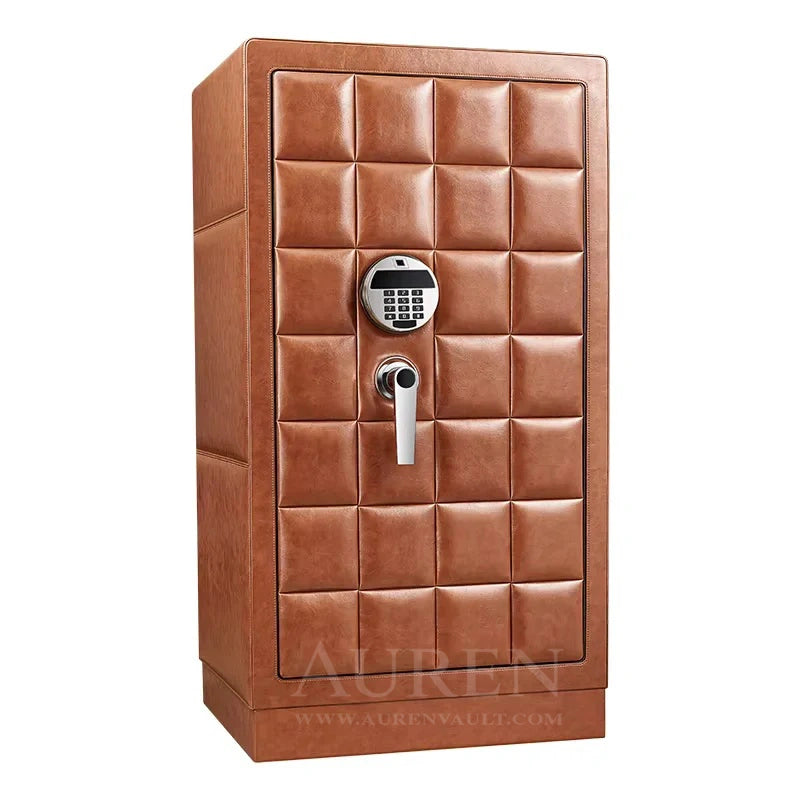
For collectors who need to combine winding with enclosed storage, Auren Vault offers integrated watch storage configurations that can accommodate different automatic movements and collection arrangements.
The best watch winder for Baltic watches is ultimately not the one that delivers the most rotations or accommodates the greatest number of watches.
It is the one that respects each movement's winding requirements while providing a practical, secure, and appropriate way to care for the collection.