
The best watch winder for Piaget watches is a programmable unit that matches the movement's winding direction, provides adjustable turns per day (TPD), and securely accommodates the watch without placing unnecessary pressure on its case or strap.
For certain Piaget automatic movements, independent winding databases suggest approximately 650–820 TPD. However, these recommendations vary between models and should not be treated as universal manufacturer-approved settings.
Movement identification is especially important with Piaget. The Polo Date, Polo Skeleton, and several Altiplano models use automatic movements, while watches such as the Altiplano Ultimate Concept rely on manual winding and cannot benefit from a conventional watch winder.
Piaget's ultra-thin movements also introduce distinctive engineering considerations. Some use compact micro-rotors, while the Altiplano Ultimate Automatic 910P incorporates a peripheral winding system.
For individual watches, correct programming and secure physical support matter most. For larger collections, independently controlled winding modules and protected storage offer additional flexibility.
Why Piaget Watches Require a Different Winder Approach
Piaget has spent decades developing exceptionally thin mechanical watch movements.
This expertise is central to the brand's identity, particularly within the Altiplano collection, where mechanical architecture and case design are closely integrated.
The result is a watchmaking portfolio with several distinct approaches to automatic winding.
A conventional Piaget Polo Date uses a centrally mounted automatic winding rotor.
An Altiplano equipped with calibre 1200P uses an off-centered micro-rotor integrated into an ultra-thin movement.
The Altiplano Ultimate Automatic 910P takes a different approach, using a peripheral oscillating weight positioned around the movement's architecture.
Meanwhile, the Altiplano Ultimate Concept contains a manually wound movement and does not use automatic winding at all.
These differences matter because a watch winder does not directly turn a watch's mainspring.
Instead, it rotates the entire watch, allowing an internal automatic winding mechanism to respond to changing orientation and transfer energy to the mainspring.
The effectiveness of that process depends on the calibre's winding construction and the winder's operating program.
A watch winder suitable for a Piaget Polo may not necessarily provide the ideal settings or physical support for an ultra-thin Altiplano.
The right choice starts with understanding the movement.
Which Piaget Watches Can Use a Watch Winder?
Piaget produces automatic, manually wound, and quartz watches across several collections.
Even within the Polo and Altiplano families, the winding requirements can differ between references.
The following comparison illustrates representative movement configurations.
Piaget Watch Winder Compatibility by Calibre
| Piaget watch or movement | Calibre | Movement type | Power reserve | Winder suitable? |
|---|---|---|---|---|
| Piaget Polo Date | 1110P | Automatic | 50 hours | Yes |
| Piaget Polo Chronograph | 1160P | Automatic | 50 hours | Yes |
| Piaget Polo Skeleton | 1200S1 | Automatic micro-rotor | 44 hours | Yes |
| Piaget Polo Perpetual Calendar Ultra-Thin | 1255P | Automatic | 42 hours | Yes |
| Piaget Altiplano | 1200P | Automatic micro-rotor | 44 hours | Yes |
| Piaget Altiplano Origin | 1205P | Automatic micro-rotor | 44 hours | Yes |
| Piaget Altiplano Ultimate Automatic | 910P | Automatic peripheral rotor | Approximately 48 hours | Yes |
| Piaget Altiplano | 430P | Manual-winding | 43 hours | No |
| Piaget Altiplano Ultimate Concept | 900P-UC | Manual-winding | 40 hours | No |
Specifications refer to representative Piaget calibres. Individual references and production generations may differ. Winder compatibility should always be confirmed against the exact movement.
This comparison reveals an important distinction.
A movement's power reserve does not determine whether it can use a watch winder.
The Altiplano 1200P and the manually wound 430P offer similar operating reserves, yet only the 1200P can receive winding energy through an external rotating device.
The mechanism, rather than the reserve duration, determines compatibility.
Piaget Polo: Choosing a Winder for a Luxury Sports Watch
The Piaget Polo combines a round case with a distinctive cushion-shaped dial and a contemporary sports-watch aesthetic.
Although its overall design language remains consistent, different references contain different movements.
For someone purchasing a watch winder, the Polo Date, Chronograph, and Skeleton should be evaluated individually.
Piaget Polo Date: Calibre 1110P
The Piaget Polo Date uses the automatic calibre 1110P, a self-winding mechanical movement developed from the architecture of Piaget's earlier 800P.
Piaget specifies approximately 50 hours of power reserve and a frequency of 28,800 vibrations per hour, equivalent to 4 Hz.
The movement contains a conventional automatic winding system that replenishes the mainspring as the watch moves.
For an owner who wears the Polo Date throughout the working week, normal wrist movement may provide sufficient winding.
A watch winder becomes more convenient when the watch is rotated with other timepieces and remains unworn long enough for its power reserve to expire.
However, the 50-hour reserve does not establish a precise TPD setting.
The appropriate program depends on the movement's winding requirements and the external device's operating characteristics.
A suitable winder should therefore provide adjustable daily rotations and selectable direction rather than a fixed winding cycle.
Piaget Polo Chronograph: Calibre 1160P
The Polo Chronograph uses calibre 1160P, an automatic mechanical movement with chronograph and date functions.
Piaget specifies approximately 50 hours of power reserve and a frequency of 4 Hz.
Although its reserve is similar to that of the Polo Date, the movements are not mechanically identical.
The 1160P incorporates the additional components required to measure elapsed time, including chronograph counters and control mechanisms.
These complications affect the movement's architecture, but they do not automatically mean the watch needs more external rotations.
A watch winder maintains the automatic movement's power reserve.
It does not operate the chronograph pushers or replace the manufacturer's instructions for using the stopwatch function.
For a Polo Chronograph, the practical priorities are correct winding settings, adequate case clearance, and a holder that avoids pressure on the crown or pushers.
Piaget Polo Skeleton: Calibre 1200S1
The Polo Skeleton presents a more distinctive winding challenge.
Its calibre 1200S1 is an ultra-thin automatic skeleton movement with approximately 44 hours of power reserve.
The movement measures only about 2.4 mm thick and uses an off-centered micro-rotor.
This design allows Piaget to maintain automatic winding while revealing much of the movement's mechanical construction.
The fact that the movement is skeletonized does not mean it requires a special external rotation pattern.
However, its winding architecture differs from that of the 1110P or 1160P.
A collector should therefore avoid assuming that every Piaget Polo uses the same TPD and direction settings.
The Polo Skeleton also includes interchangeable strap options, making cushion fit an important consideration.
An adjustable holder can accommodate different bracelet and strap configurations without placing unnecessary tension on the watch.
Altiplano Micro-Rotors: Does an Ultra-Thin Watch Need a Special Winder?
The Altiplano collection represents one of Piaget's most significant areas of mechanical expertise.
Rather than simply reducing case thickness, Piaget has developed ultra-thin movements in which automatic winding systems occupy remarkably little space.
The 1200P and 1205P are representative examples.
Calibre 1200P: A 2.35 mm Automatic Movement
The 1200P is an ultra-thin automatic mechanical movement measuring approximately 2.35 mm thick.
It uses an off-centered micro-rotor and provides approximately 44 hours of power reserve.
The movement operates at 21,600 vibrations per hour, equivalent to 3 Hz.
Its architecture allows Piaget to incorporate automatic winding while keeping the movement exceptionally thin.
For a collector, the important distinction is that the compact rotor still performs the same fundamental function as a conventional automatic winding weight.
It responds to motion and helps replenish the mainspring.
A compatible watch winder can therefore maintain the movement between wears.
However, the reduced movement thickness should not be used to estimate TPD.
The required external rotation program depends on the winding mechanism's actual efficiency.
Calibre 1205P: Automatic Winding With Date and Small Seconds
The 1205P develops the ultra-thin movement architecture further by incorporating additional indications.
Piaget specifies a 3 mm movement thickness, approximately 44 hours of power reserve, and an off-centered rose-gold micro-rotor.
The movement displays small seconds and date indications.
Its compact construction makes it suitable for refined Altiplano watches where case proportions are an important part of the design.
For someone who wears an Altiplano Origin only occasionally, a compatible winder can help maintain the movement and reduce repeated adjustments.
Yet the benefit should be viewed as convenience rather than mechanical necessity.
A watch with a well-maintained movement does not need to remain running continuously simply because its calibre is ultra-thin.
Does a Micro-Rotor Require More TPD?
Not necessarily.
A micro-rotor is smaller than a conventional centrally mounted rotor, but winding performance depends on more than rotor diameter.
The rotor's effective mass, geometry, winding transmission, and movement design all influence how energy reaches the mainspring.
A compact micro-rotor can be engineered to provide sufficient winding within a very thin movement.
It would therefore be incorrect to assume that a Piaget Altiplano automatically needs more daily rotations than a Piaget Polo.
Equally, there is no universal reason to select a lower TPD merely because the movement is thin.
The correct approach is to verify the requirements for the individual calibre.
This is one of the strongest reasons to choose a programmable winder rather than a fixed-speed model.
Altiplano Ultimate Automatic 910P: The Peripheral Rotor Difference
The Altiplano Ultimate Automatic 910P demonstrates another approach to automatic winding.
Rather than placing a conventional rotor over the movement, Piaget uses a peripheral oscillating weight integrated around its architecture.
This arrangement helps reduce the space occupied by the winding system.
The watch also integrates the movement and case construction, with the caseback functioning as part of the movement's mainplate.
The result is an exceptionally thin automatic watch measuring approximately 4.30 mm overall.
How Peripheral Winding Changes the Architecture
A peripheral rotor occupies a different position from a centrally mounted rotor or off-centered micro-rotor.
Instead of covering part of the movement from above, it operates around its perimeter.
This allows the movement architecture to remain comparatively open while retaining automatic winding functionality.
For the owner, the key point is straightforward: the 910P is still a self-winding movement.
A compatible external winder can maintain its stored energy.
However, the location of the rotor does not establish the correct daily rotation count.
The external winder should be selected according to the calibre's actual winding requirements rather than assumptions about peripheral rotor efficiency.
Ultra-Thin Construction and Physical Support
The 910P also deserves careful attention to physical handling.
Its thin case and highly integrated construction mean that a watch holder should provide stable support without forcing the case or strap into an unnatural position.
This does not mean an ultra-thin watch is automatically unsuitable for a conventional premium winder.
It means that cushion size, mounting pressure, and compartment clearance should be evaluated carefully.
The watch should remain stable throughout the operating cycle without rubbing against nearby surfaces.
For such a refined timepiece, proper physical support may be more important than decorative lighting or elaborate display features.
Altiplano Ultimate Concept: Why the 900P-UC Does Not Need a Winder
The Altiplano Ultimate Concept provides an important contrast to the 910P.
Its calibre 900P-UC is manually wound.
Piaget specifies a movement thickness of approximately 2 mm and a power reserve of around 40 hours.
Despite its advanced mechanical architecture, the 900P-UC does not contain an automatic winding system designed to replenish the mainspring through wrist motion.
The movement must be wound manually according to the manufacturer's instructions.
Placing the watch in a conventional automatic winder will not replenish its reserve.
This distinction is especially important because the names Altiplano Ultimate Automatic and Altiplano Ultimate Concept can sound closely related.
Mechanically, they require different approaches.
The 910P is automatic and can potentially benefit from a compatible winder.
The 900P-UC is manually wound and requires protective passive storage.
For owners of ultra-thin Piaget watches, identifying the precise reference is more useful than relying on the collection name.
Piaget Watch Winder Settings: 650, 800, or 820 TPD?
Published winding recommendations for Piaget vary considerably.
Independent watch winder databases frequently list approximately 650 TPD for certain Polo models, while some Altiplano references appear with recommendations around 820 TPD.
Other historical Piaget calibres have different directional requirements.
These values should not be treated as universal Piaget factory settings.
Piaget TPD Reference Comparison
| Model or movement family | Third-party recommendation | Important limitation |
|---|---|---|
| Earlier Piaget Polo and Polo FortyFive references | Approximately 650 TPD, bidirectional | Historical model-based guidance |
| Older Polo Chronograph references | Approximately 650 TPD, bidirectional | Not automatically applicable to calibre 1160P |
| Altiplano, general model listings | Approximately 820 TPD, clockwise | Calibre not always identified |
| Altiplano Automatic Ultra-Thin, calibre 1208P | Approximately 820 TPD, bidirectional | Movement-specific third-party listing |
| Piaget Polo Date, calibre 1110P | No verified manufacturer TPD preset established here | Confirm the exact program |
| Piaget Altiplano, calibre 1200P / 1205P | No verified manufacturer TPD preset established here | Do not assume all Altiplano movements use identical settings |
| Piaget Ultimate Automatic, calibre 910P | No verified manufacturer TPD preset established here | Confirm peripheral-rotor winding requirements |
| Piaget Polo Perpetual Calendar, calibre 1255P | No verified manufacturer TPD preset established here | Confirm before prolonged use |
These figures are from independent watch winder references. They are not official Piaget winding instructions, and historical model recommendations should not automatically be transferred to current calibres.
Why the Direction Recommendations Differ
Clockwise and counterclockwise settings describe how the external winder rotates the watch.
Inside the movement, the automatic rotor moves relative to the watch and transfers energy through a winding mechanism.
The direction in which the external device rotates is therefore not identical to simply observing how the rotor turns inside the movement.
Different movement constructions may also wind effectively in different directions.
For this reason, a winder that supports clockwise, counterclockwise, and alternating modes provides greater flexibility.
The correct program must still be selected according to the specific calibre and the winder manufacturer's orientation convention.
Should You Increase TPD if the Watch Stops?
A watch that stops in a winder is not necessarily receiving too few rotations.
It may have been placed in the device with insufficient initial energy.
The selected rotation direction may be ineffective, the winder may not deliver its programmed rotations accurately, or the movement may require servicing.
Before increasing TPD, confirm the watch's initial winding state and the device's actual operation.
The guide to watch winder TPD settings provides broader context for understanding daily winding programs and rotation terminology.
The appropriate objective is to maintain a sufficient reserve without unnecessary movement.
Piaget Polo Perpetual Calendar: When Continuous Operation Is More Valuable
A watch winder offers particular convenience when a watch contains complications that are time-consuming to reset.
The Piaget Polo Perpetual Calendar Ultra-Thin is a clear example.
Its calibre 1255P is an automatic mechanical movement with approximately 42 hours of power reserve.
The movement incorporates a perpetual calendar with day, date, month, year, and moon-phase indications.
A perpetual calendar is designed to account for the varying lengths of months and leap years through its mechanical program.
When the movement stops, restoring the indications must be performed according to Piaget's instructions.
For an owner who wears the watch only occasionally, that setting procedure may be more involved than adjusting a simple three-hand watch.
Why a Winder Can Be Worthwhile for Complicated Piaget Watches
Maintaining a perpetual calendar's operation can reduce how frequently the owner needs to reset its indications.
This becomes particularly useful in a collection containing several complicated automatic watches.
The benefit is not improved calendar accuracy.
A watch winder does not change the complication's mechanical program or eliminate the need for correct adjustments.
It simply helps the automatic movement continue operating between wears.
Because the 1255P has a relatively short 42-hour reserve compared with some modern automatic movements, a watch that is worn infrequently may stop between uses.
A suitable winder can make ownership more convenient, provided its program is correctly matched to the calibre.
This is a stronger practical reason to use a winder than merely wanting every watch in a collection to remain moving.
What Makes a Good Watch Winder for Piaget?
Selecting a winder for Piaget requires considering both the movement and the physical characteristics of the watch.
The brand's designs range from integrated-bracelet sports watches to exceptionally thin dress watches with leather straps.
A single rigid holder may not accommodate these differences equally well.
Precise, Independent Programming
Adjustable TPD and winding direction are essential features.
A fixed-speed winder may work for one automatic calibre but offer limited flexibility when the collection grows.
Independent control is especially useful for a collector who owns a Polo Date, Polo Skeleton, and Altiplano automatic.
Each watch can receive its own verified program rather than sharing an arbitrary setting.
This becomes even more valuable in mixed collections containing automatic movements from other manufacturers.
Gentle, Secure Physical Support
Piaget's ultra-thin movements are often housed in cases with carefully controlled dimensions and refined finishing.
A holder should support the watch without excessive pressure on the case or strap.
An oversized cushion may stretch a leather strap or place unnecessary tension on a bracelet.
An undersized cushion may allow the watch to move during rotation.
Adjustable or interchangeable cushions provide greater flexibility for different watch sizes and strap materials.
The objective is stable support, not tight compression.
Quiet Motors and Controlled Rest Cycles
A suitable winder should alternate rotation with appropriate rest periods.
Continuous operation is unnecessary once the movement receives sufficient daily winding.
Quiet motors are also valuable when the device is placed in a bedroom, dressing room, or private office.
For a premium watch winder, repeatable programming, stable operation, and accessible service support are more important than an elaborate exterior presentation.
Integrated Bracelets vs. Ultra-Thin Leather Straps
Piaget's two principal design approaches create different physical storage requirements.
A Piaget Polo with an integrated bracelet has a different mounting profile from an ultra-thin Altiplano on a leather strap.
These differences should influence the choice of cushion and compartment.
Piaget Polo: Integrated Bracelet Fit
The Polo's bracelet follows the distinctive geometry of the watch case.
A rigid cushion that is too large may create unnecessary tension around the bracelet or clasp.
A holder that is too small may allow the watch to shift during rotation.
A well-designed adjustable cushion supports the watch securely without forcing the bracelet into an unnatural position.
For interchangeable strap configurations, the owner should also check that the alternative strap fits comfortably.
Piaget Altiplano: Supporting Thin Cases
Altiplano watches often have exceptionally slim cases and refined leather straps.
The holder should support the watch evenly and avoid concentrating pressure on the case edges.
Sufficient clearance is also important when the watch is mounted inside a compartment.
These considerations are particularly relevant for Altiplano Ultimate models, where the entire watch construction is highly integrated.
The quality of the holder should be evaluated separately from the winder's motor specifications.
An appropriate TPD setting cannot compensate for poor physical support.
Does a Piaget Need to Stay on a Watch Winder All the Time?
No. Automatic Piaget watches do not need to remain running continuously.
When worn regularly, wrist movement can replenish the movement's energy.
When left unworn, the stored reserve gradually declines until the watch stops.
Allowing an automatic watch to stop is generally a normal part of mechanical watch ownership.
For a Polo Date worn several times a week, its approximately 50-hour reserve may be sufficient for the owner's routine.
For an Altiplano automatic worn only occasionally, a winder may provide greater convenience.
For a perpetual calendar, the benefit may be more substantial because continued operation can reduce repeated setting procedures.
The correct decision depends on frequency of wear and the movement's complications.
It should not be based on the assumption that every valuable mechanical watch must remain running.
Standalone Watch Winder or Watch Winder Safe?
For a single Piaget automatic watch, a compact programmable winder may provide everything necessary.
As a collection grows, however, physical security and storage organization often become equally important.
A standalone winder primarily maintains automatic winding.
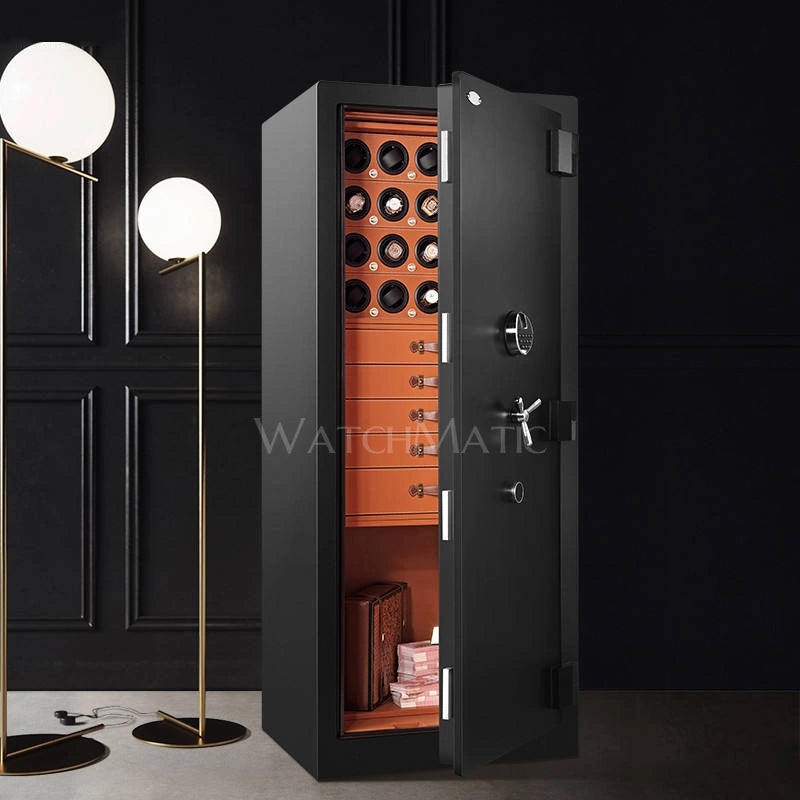
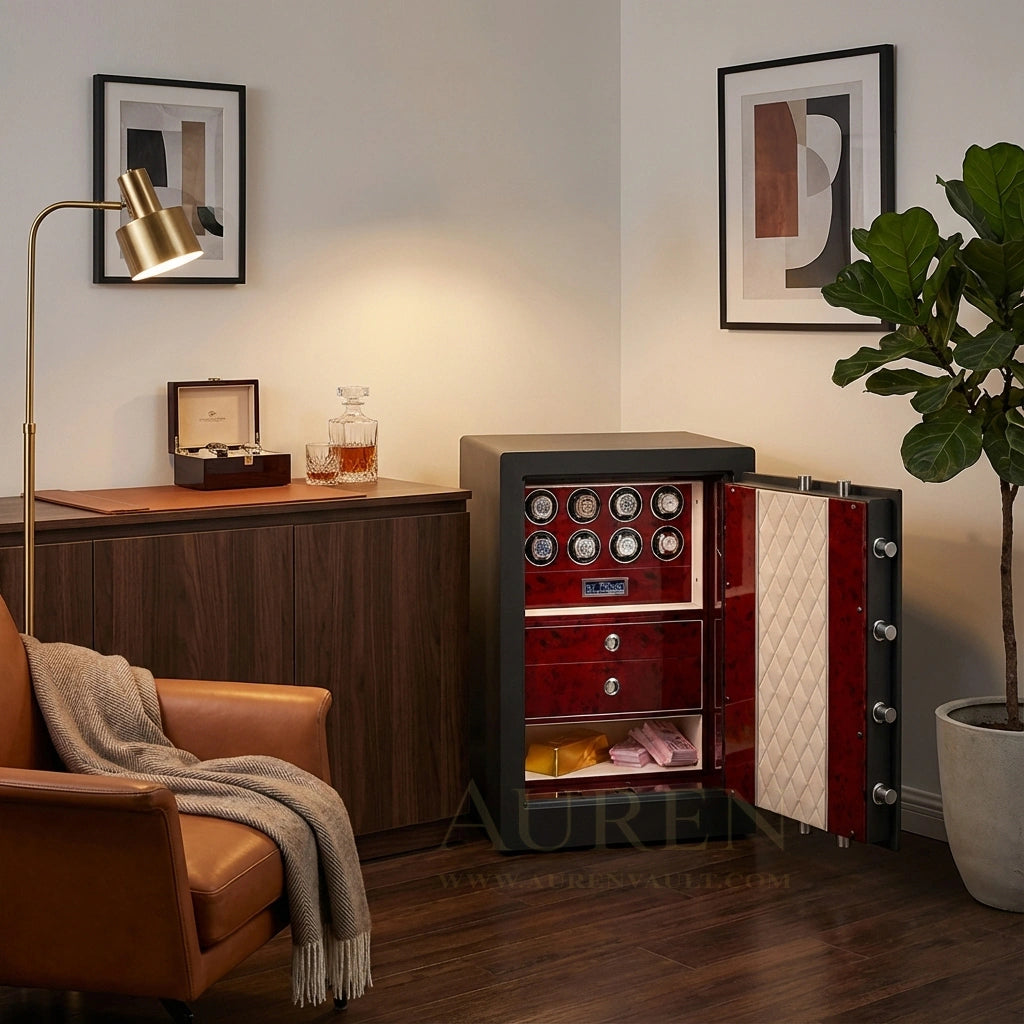
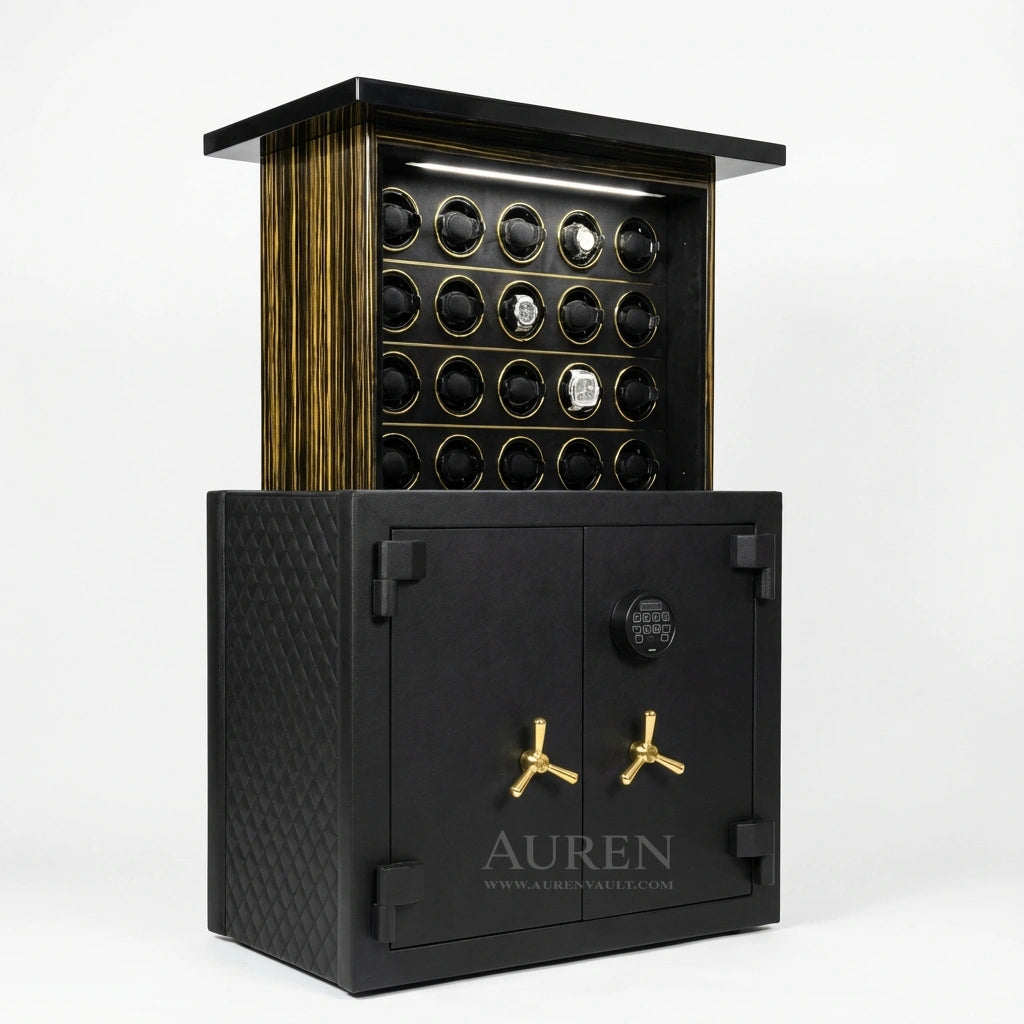
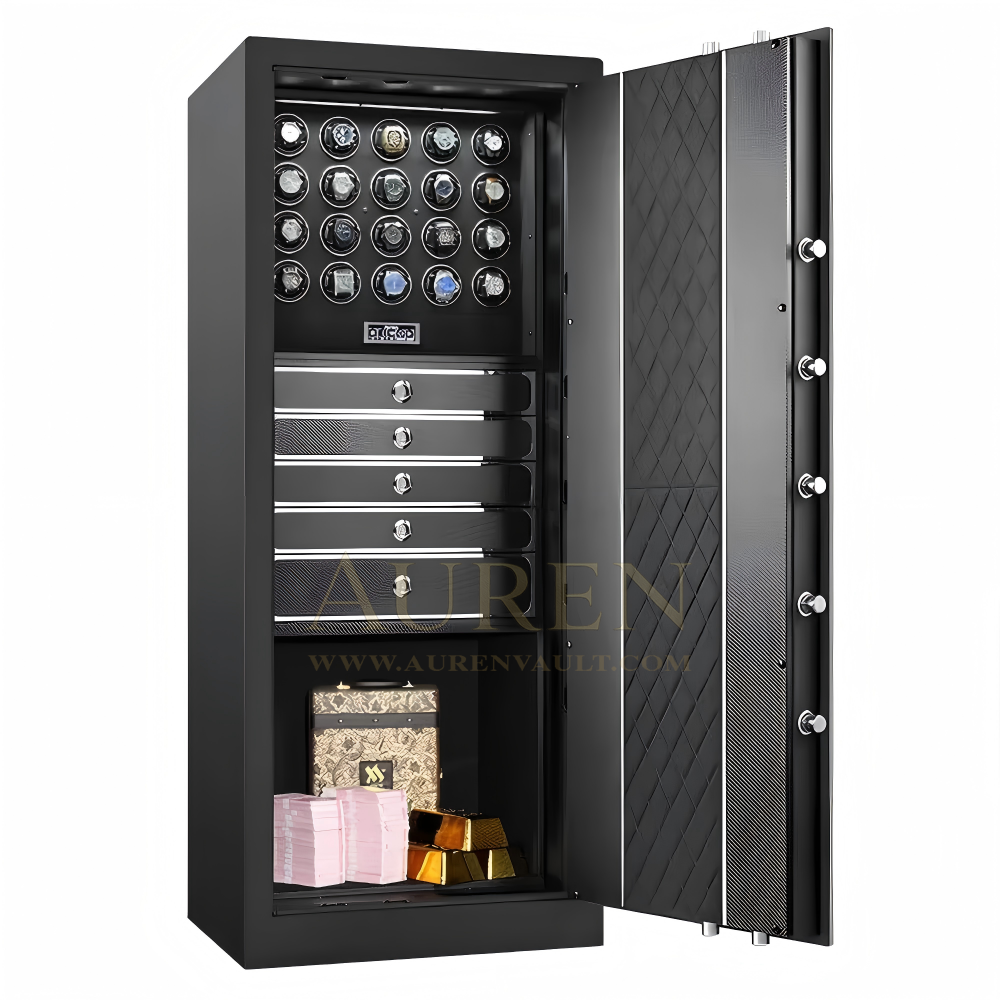
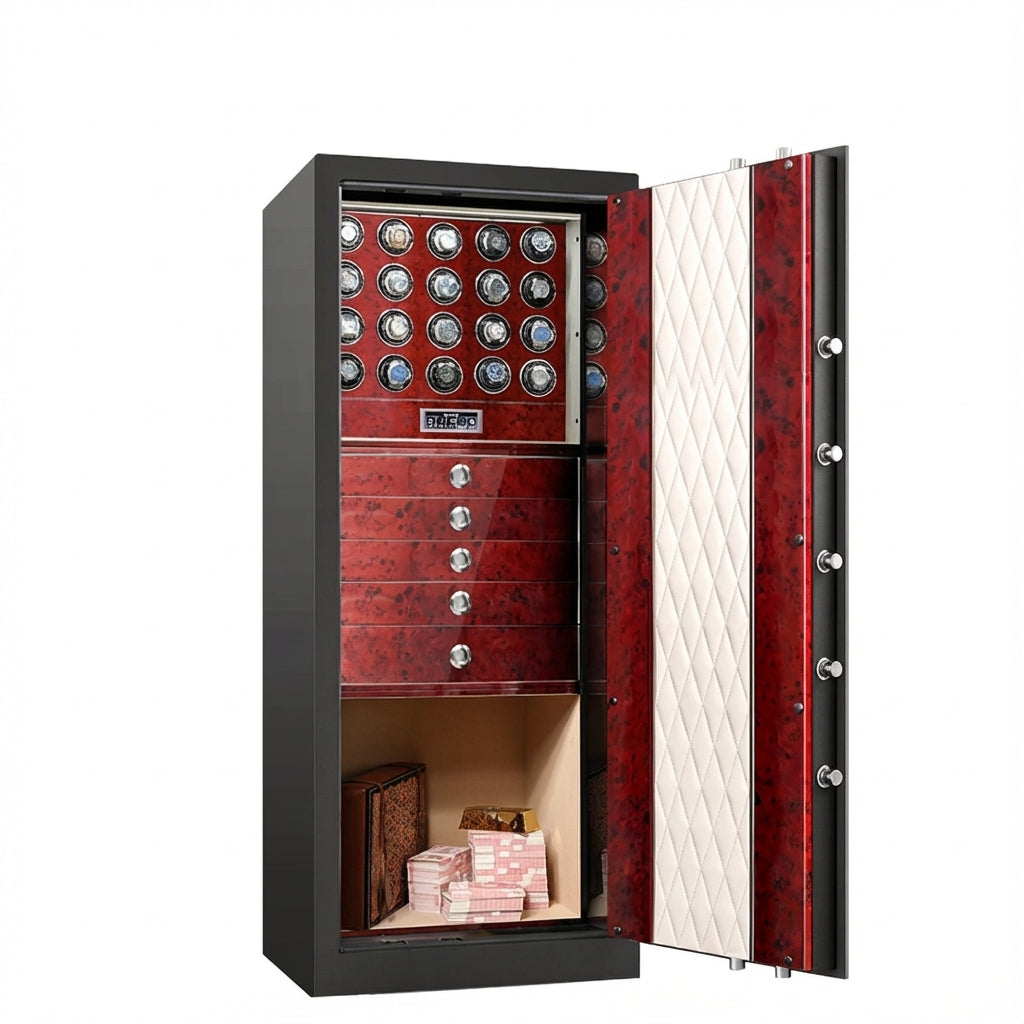
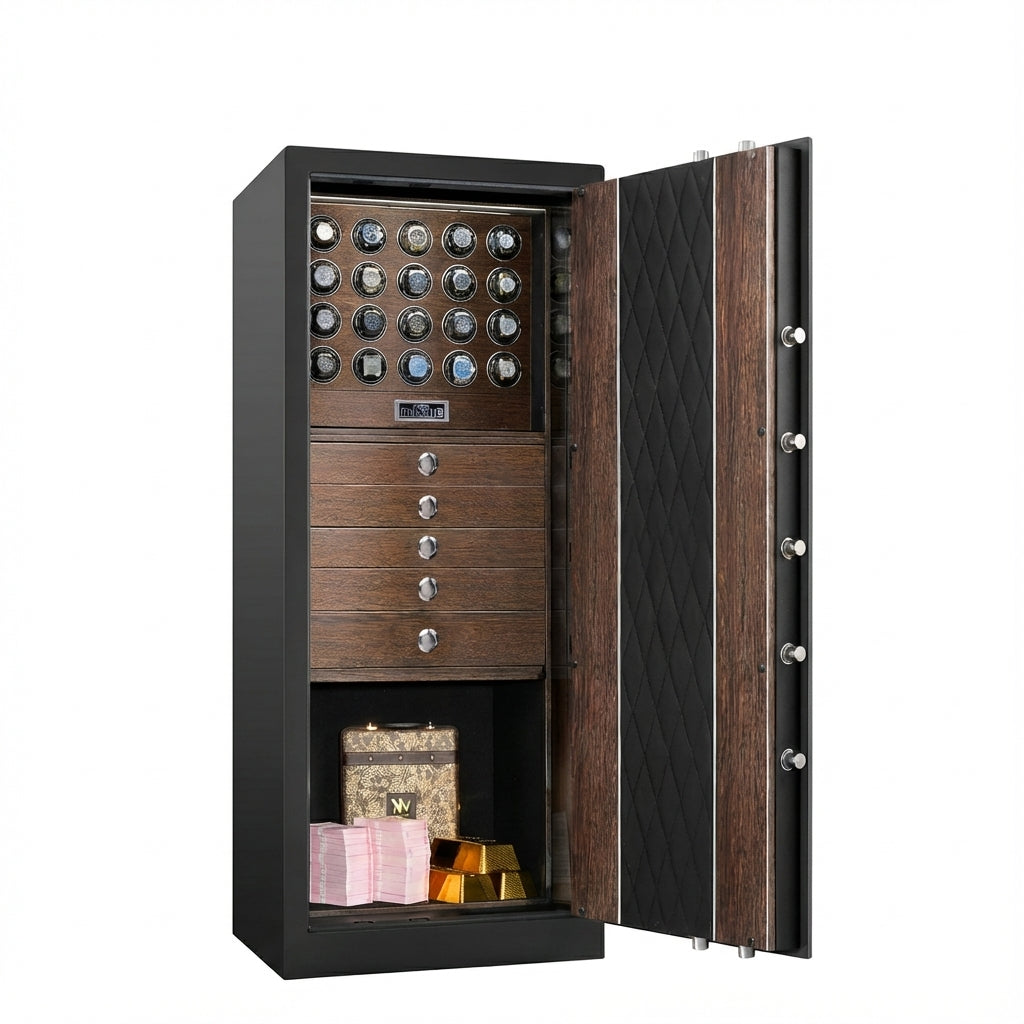
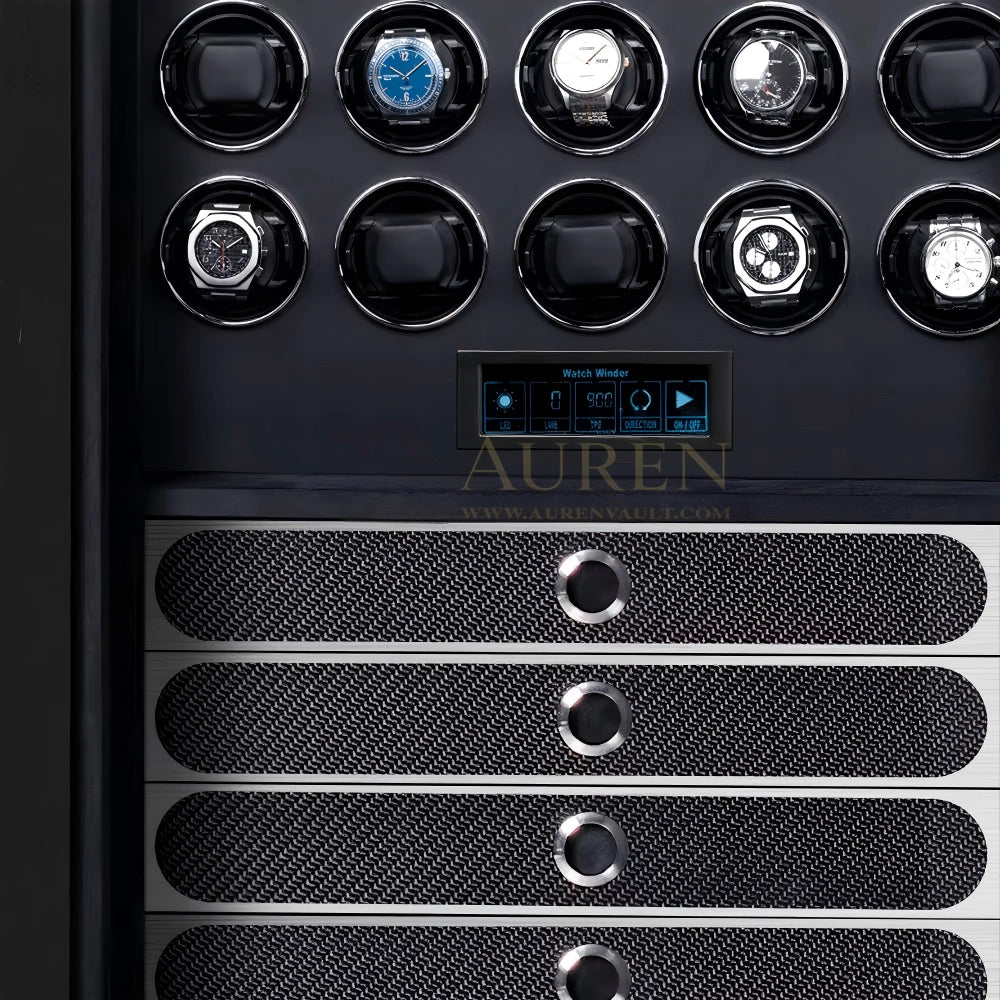
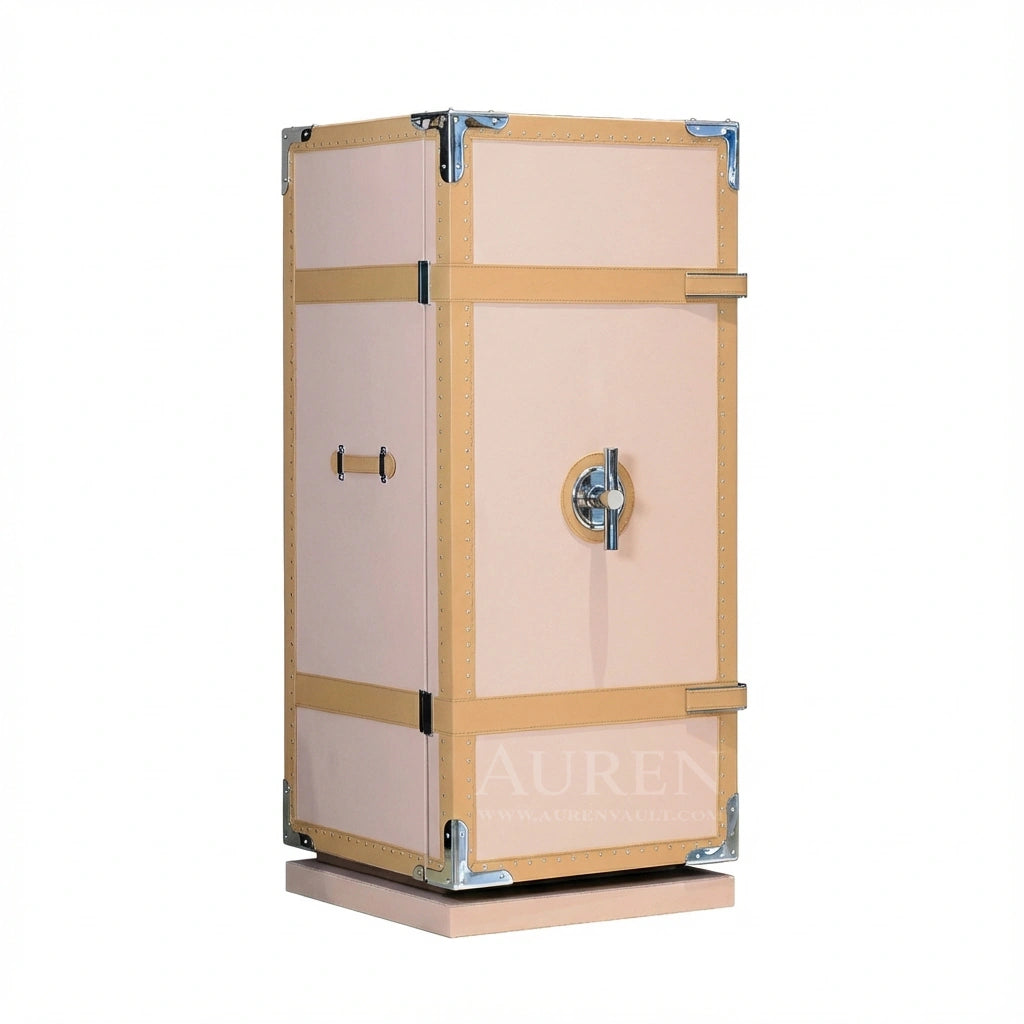
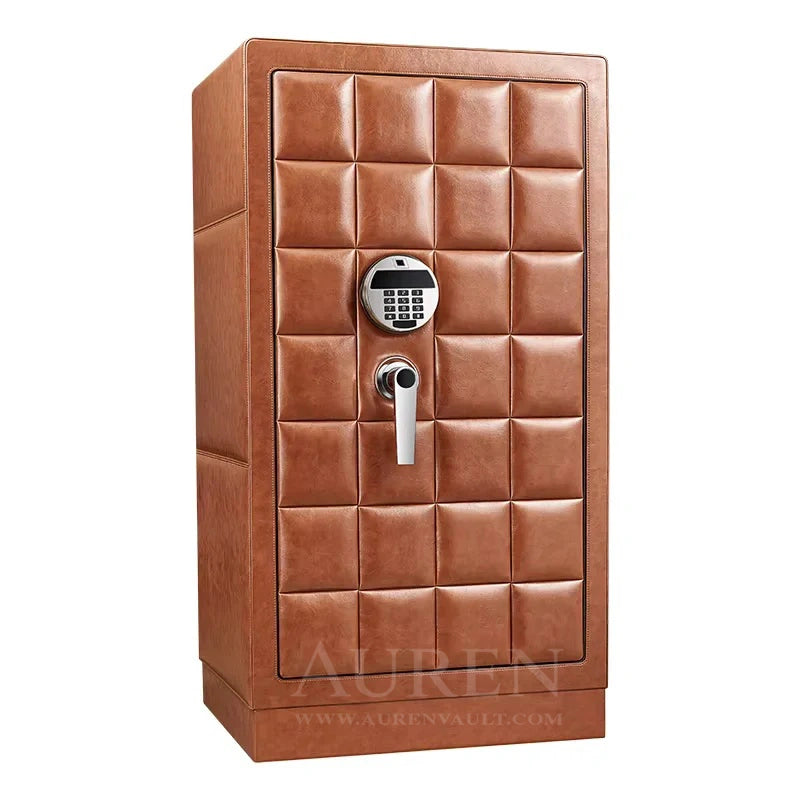
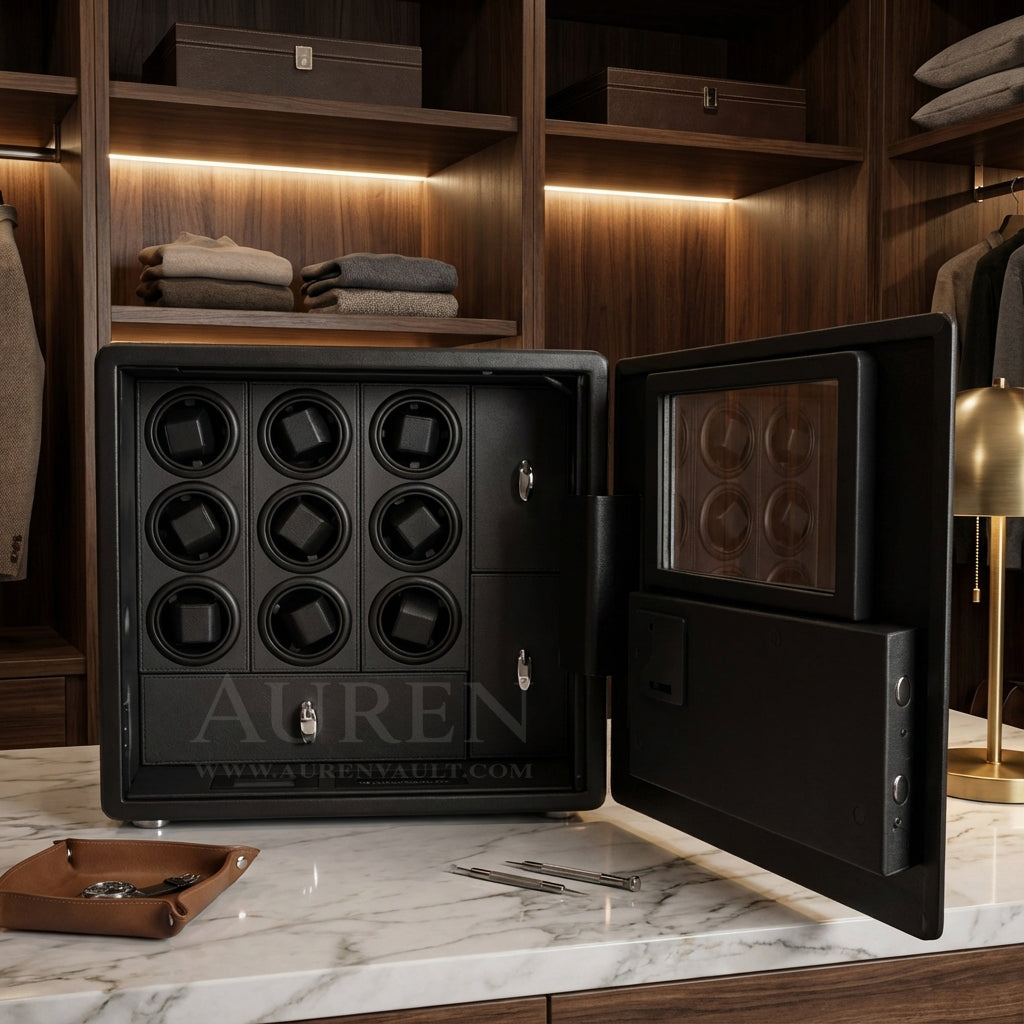
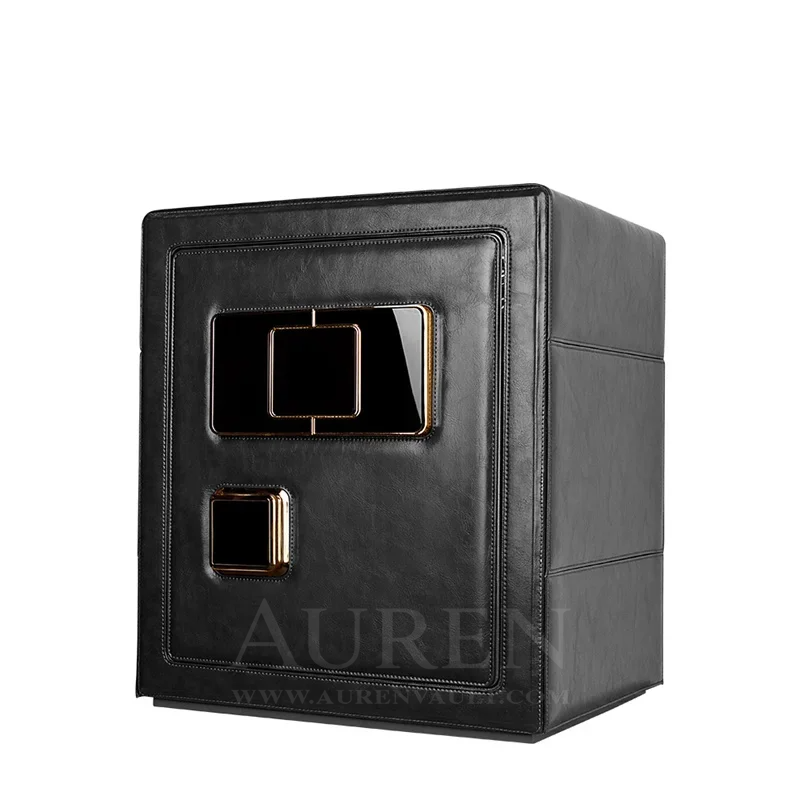
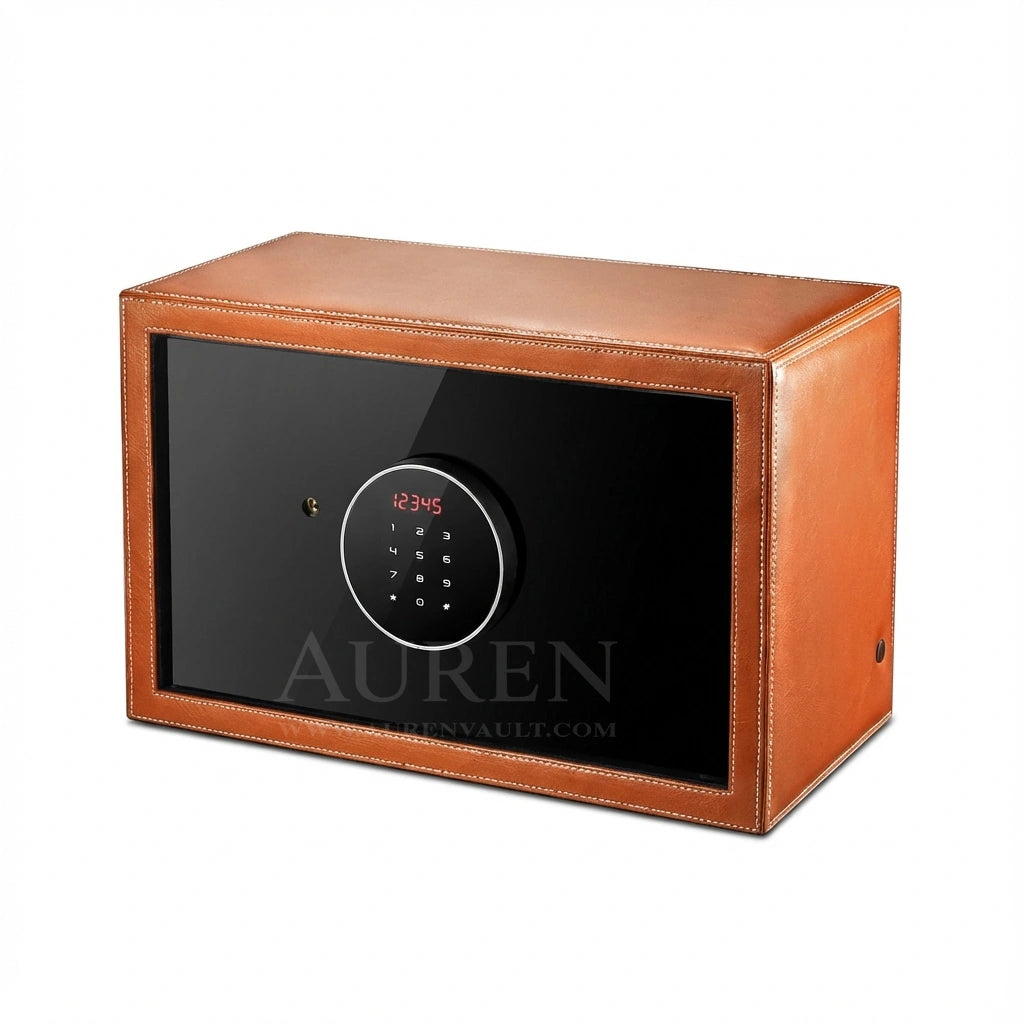
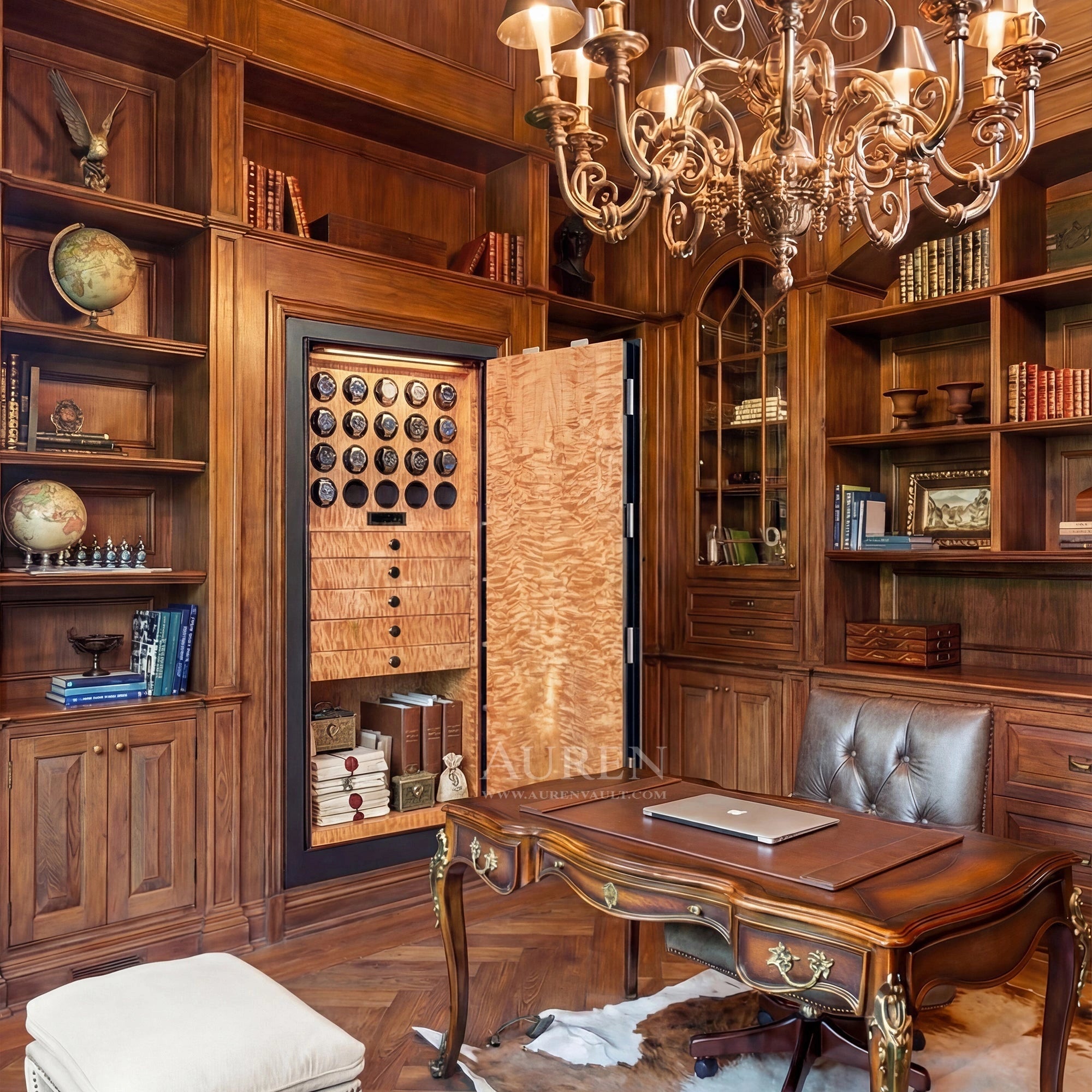
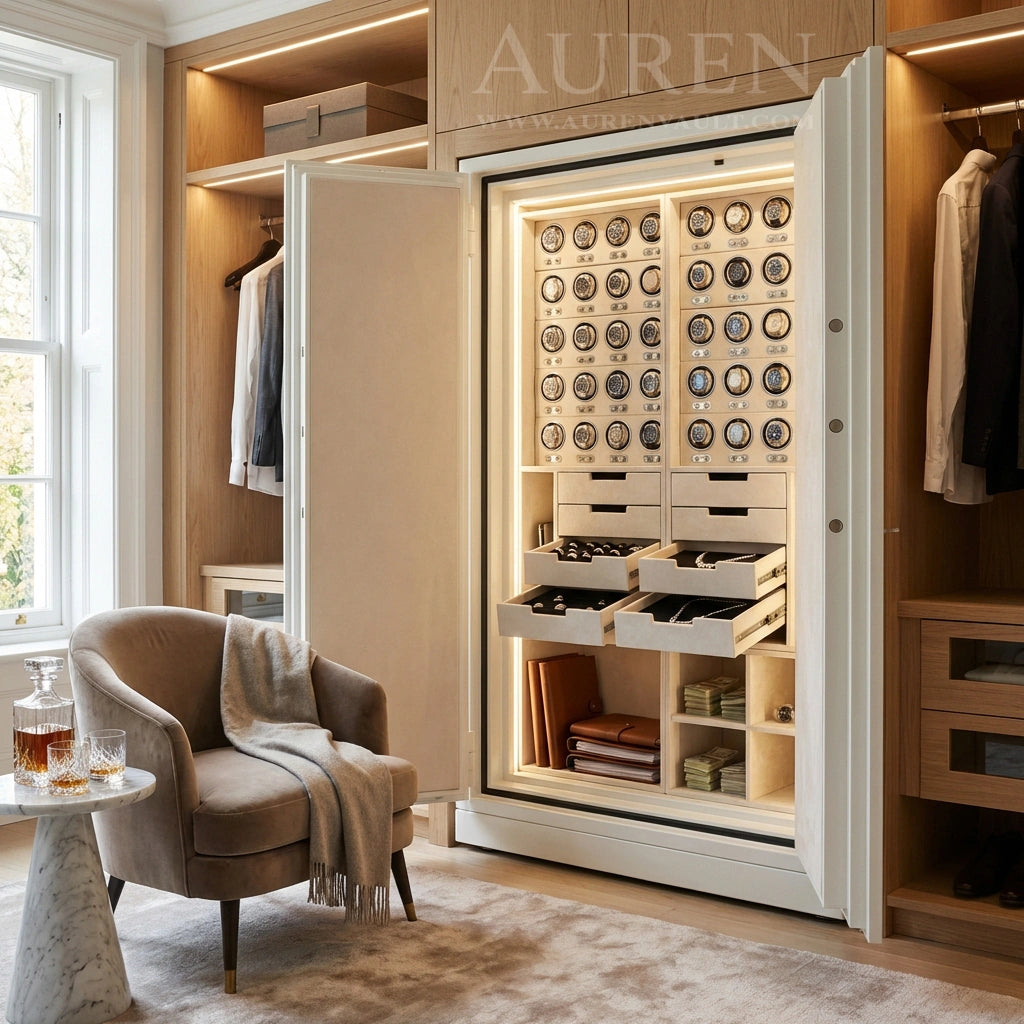
A watch winder safe combines winding modules with enclosed, lockable storage.
| Ownership situation | Suitable approach | Main consideration |
|---|---|---|
| One frequently worn Piaget Polo | No winder or compact programmable unit | Convenience |
| Several automatic Polo and Altiplano watches | Multi-watch winder with independent controls | Calibre-specific programming |
| Polo Perpetual Calendar and other complications | Reliable programmable winding system | Maintaining calendar continuity |
| Mixed automatic and manual Piaget collection | Winding modules plus passive storage | Efficient allocation of positions |
| Larger collection requiring enclosed protection | Appropriately specified watch winder safe | Storage, organization, and security |
Collectors considering both automatic winding and enclosed storage can examine integrated watch winder safe configurations.
The watch winder safe guide also provides a broader starting point for evaluating winding capacity and storage requirements.
Security and Winding Are Different Technical Requirements
A reliable winding mechanism does not establish the security performance of the enclosure.
Likewise, an electronic lock or heavy cabinet does not automatically demonstrate a particular burglary or fire-resistance rating.
The safe's actual construction, locking mechanism, installation requirements, and independently documented protection specifications should be evaluated separately.
For valuable collections, these considerations may be more important than adding additional winding motors.
The preferred solution should address both the movement's needs and the owner's actual storage risks.
Planning Storage for a Mixed Piaget Collection
Consider an owner with two Piaget Polo Date watches, a Polo Skeleton, an Altiplano automatic, a Polo Perpetual Calendar, an Altiplano Ultimate Concept, and a manually wound Altiplano.
That is a seven-watch collection.
However, only five watches require automatic winding positions.
The Altiplano Ultimate Concept and manually wound Altiplano require passive storage.
A cabinet with five independent winding modules and two protective compartments may therefore be more suitable than a seven-rotor configuration.
This distinction becomes increasingly important as the collection grows.
The broader range of watch safes for organized collections offers options for considering total storage capacity and winding arrangements.
For substantial holdings, larger luxury watch safe configurations may provide more room for watches, straps, accessories, and passive compartments.
The objective is not maximum rotor capacity.
It is an arrangement that suits the actual composition of the collection.
When Bespoke Storage Becomes More Useful
Piaget collections can contain watches with substantial differences in thickness, case shape, strap material, and movement architecture.
A Polo Chronograph may require more compartment depth than an ultra-thin Altiplano.
A small automatic dress watch may require a different cushion from a larger integrated-bracelet sports watch.
A bespoke storage arrangement can account for these differences through winding-module quantity, holder sizes, passive storage, and interior configuration.
These requirements can be considered through custom watch safe design options, subject to the capabilities of the selected design.
For private residences, installation planning should also address cabinet dimensions, electrical access, delivery requirements, and everyday usability.
A successful storage system should make every watch accessible and appropriately supported without unnecessary handling.
Does a Watch Winder Improve the Long-Term Condition of a Piaget?
A watch winder helps maintain the power reserve of a compatible automatic movement.
It does not replace servicing, restore degraded lubricants, or improve the movement's inherent chronometric performance.
This distinction applies equally to conventional automatic movements and ultra-thin calibres.
A Piaget 1200P does not need to remain running continuously simply because it is exceptionally thin.
Similarly, a Polo Chronograph does not benefit from additional daily rotations merely because it contains a more complicated movement.
For longer-term storage, suitable environmental conditions, appropriate watch supports, and careful handling may be more important than maintaining continuous operation.
The watch storage and preservation guide addresses broader considerations involved in organizing and protecting valuable watches.
A watch winder should be considered one part of a complete ownership routine, not a substitute for proper care.
Frequently Asked Questions About Piaget Watch Winders
What is the best TPD setting for Piaget watches?
There is no universal TPD setting for every Piaget. Independent references list approximately 650 TPD for some older Polo models and around 820 TPD for certain Altiplano movements. These are third-party recommendations, not official Piaget presets. Confirm the correct program for the exact calibre and winder.
Does a Piaget Polo need a watch winder?
No. Automatic Piaget Polo watches receive winding energy through normal wrist movement. A compatible winder is optional and mainly useful when the watch is not worn regularly.
Can a Piaget Altiplano use a watch winder?
Yes, if it contains an automatic movement. Calibres 1200P, 1205P, and 910P are examples of automatic Altiplano movements. Manually wound calibres such as 430P and 900P-UC cannot benefit from conventional automatic winding.
Does a Piaget micro-rotor need more TPD?
Not automatically. A micro-rotor's smaller dimensions do not independently establish its external winding requirements. Rotor mass, transmission efficiency, and movement architecture all influence how effectively energy reaches the mainspring.
What is special about the Piaget 910P watch winder requirement?
The 910P uses a peripheral automatic winding system integrated into an ultra-thin watch architecture. A compatible winder may maintain its power reserve, but the correct TPD and rotation direction should be confirmed for the movement rather than inferred from its peripheral rotor design.
Does the Piaget Altiplano Ultimate Concept need a watch winder?
No. The Altiplano Ultimate Concept with calibre 900P-UC is manually wound. Its mainspring must be wound according to Piaget's instructions, and an external automatic watch winder cannot replenish it.
Is a winder useful for a Piaget Polo Perpetual Calendar?
Yes. A compatible winder can maintain the automatic calibre 1255P between wears, reducing how often the perpetual calendar and moon-phase indications need to be reset. The correct winding program and setting procedures remain essential.
Can a watch winder overwind a Piaget?
Modern automatic movements generally incorporate mechanisms that limit further mainspring tension once sufficiently wound. Nevertheless, unnecessarily high TPD settings provide no established benefit. A suitable program should maintain the reserve through controlled rotations and rest periods.
Is a watch winder safe worthwhile for Piaget watches?
It may be appropriate for owners who want both automatic winding and enclosed secure storage. The decision should consider the number of automatic movements, passive storage requirements, case dimensions, and documented security specifications.
Related Reading: Automatic Winding and Luxury Watch Storage
Piaget's ultra-thin movements provide a useful comparison with other Swiss watchmaking approaches. These related guides explore winding requirements, movement compatibility, and secure storage for valuable collections.
Best Watch Winder for Vacheron Constantin Watches
Explore movement-specific winding considerations, rotation direction, and storage requirements for Vacheron Constantin automatic timepieces.
Best Watch Winder Settings for Patek Philippe Watches
Understand how automatic movements, complications, and winding programs influence watch winder selection for sophisticated mechanical watches.
Watch Safes With Built-In Watch Winders: Are They Worth It?
Compare standalone watch winders with integrated systems combining automatic winding and enclosed watch storage.
Final Perspective: Piaget Requires Precision Beyond Case Thickness
Piaget's approach to ultra-thin watchmaking demonstrates why selecting a watch winder should begin with movement architecture rather than appearance.
A Polo Date with calibre 1110P, an Altiplano with micro-rotor calibre 1200P, and an Ultimate Automatic with peripheral rotor calibre 910P all use automatic winding, but their mechanical designs differ significantly.
The Altiplano Ultimate Concept requires a different approach entirely because it is manually wound.
For individual automatic watches, the priorities are appropriate TPD, verified winding direction, reliable operation, and secure physical support.
For growing collections, independent winding modules and suitable passive storage become equally valuable.
As a specialist in premium watch safes and integrated winding solutions, Auren Vault approaches these needs through configurations designed to accommodate different movement types, collection sizes, and storage requirements.
The best watch winder for Piaget is ultimately the one that respects the calibre's engineering, supports the watch securely, and makes everyday ownership more convenient without adding unnecessary complexity.